Electrical components in coastal areas face constant exposure to salt air, humidity, and moisture throughout the year. In Conway, SC, and Myrtle Beach, SC, these harsh environmental conditions can gradually damage residential and commercial electrical systems. Over time, airborne salt particles settle on metal surfaces, leading to corrosion, reduced system performance, and increased safety risks. This article explains how salt air affects electrical components and why long-term protection matters in coastal environments.
- Explain how salt air damages electrical components in coastal environments.
- Cover corrosion, moisture exposure, reduced system performance, and electrical safety concerns.
- Discuss how coastal conditions in Conway, SC, and Myrtle Beach, SC increase the risk of electrical damage.
- Introduce prevention strategies that help protect electrical systems for long-term reliability and safety.
What Makes Salt Air So Harmful to Electrical Components
Salt air contains tiny airborne salt particles that travel through humid coastal environments every day. These particles easily cling to metal surfaces and electrical equipment near the ocean. In Conway, SC, and Myrtle Beach, SC, strong coastal winds constantly carry salty moisture toward homes and businesses. As a result, electrical systems often experience faster deterioration than systems located farther inland.
Electrical components are especially vulnerable because metal parts react quickly to salt and moisture exposure. Connectors, wiring, terminals, and panels can slowly begin corroding after repeated contact with salty air. Even small amounts of corrosion may weaken important electrical connections over time. This ongoing damage can reduce efficiency and shorten equipment lifespan.
Humidity also plays a major role in accelerating salt-related electrical problems. Moisture in the air helps salt particles stick to surfaces and penetrate small openings in electrical systems. Once moisture becomes trapped, corrosion can spread much faster inside sensitive equipment. Because coastal regions stay humid for long periods, electrical damage often develops gradually and continuously.
Many property owners do not notice the damage until performance issues begin appearing throughout the building. Flickering lights, overheating systems, and unreliable electrical operation may signal hidden corrosion problems. Coastal conditions create a constant cycle of moisture and salt exposure that affects both indoor and outdoor systems. Understanding these environmental risks helps property owners better protect electrical components from long-term damage.
How Corrosion Develops on Electrical Components
Corrosion is one of the most common problems affecting electrical components in coastal environments. In Conway, SC, and Myrtle Beach, SC, salty air and constant humidity create ideal conditions for corrosion to develop over time. Once corrosion begins, it can slowly weaken electrical systems and reduce overall reliability. Understanding how this process works helps property owners recognize the importance of early prevention and maintenance.
Salt particles settle on metal surfaces
Airborne salt travels through coastal air and sticks to exposed electrical components. Over time, these particles collect on wiring, connectors, terminals, and electrical panels. Salt buildup creates a damaging layer that attracts additional moisture. This combination begins the corrosion process on metal surfaces.
Moisture triggers chemical reactions
Humidity and condensation allow salt deposits to react with metal parts more aggressively. These chemical reactions slowly break down protective metal surfaces and coatings. As moisture continues collecting, corrosion spreads deeper into electrical systems. Coastal humidity keeps this damaging cycle active throughout the year.
Rust and oxidation weaken connections
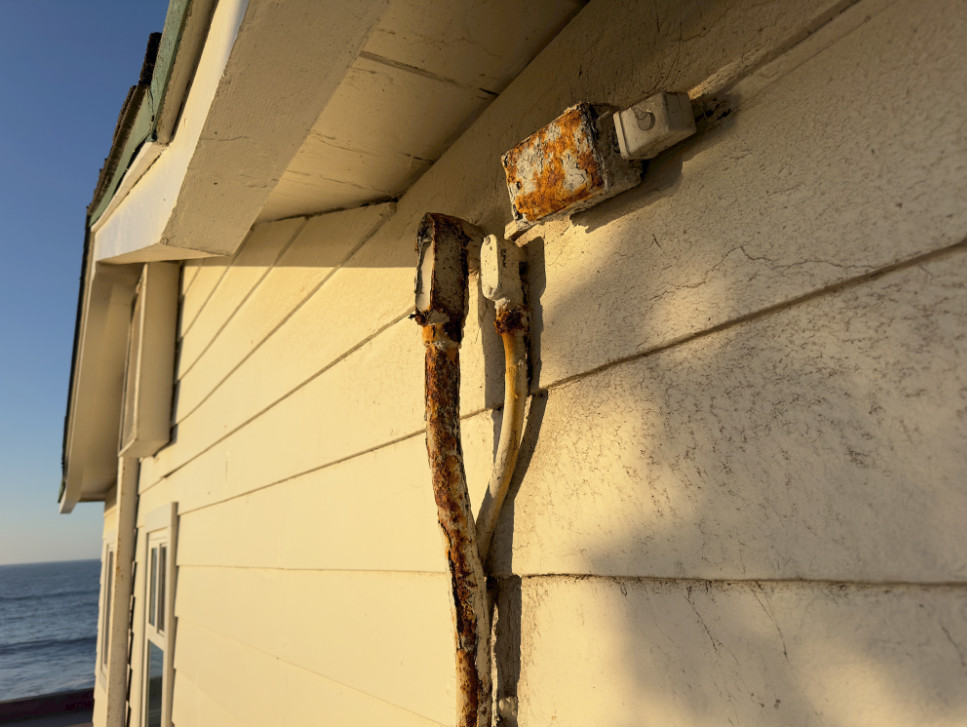
Corrosion often creates rust and oxidation on electrical connections and metal hardware. Damaged connections may struggle to transfer electricity efficiently and safely. Increased electrical resistance can lead to overheating and reduced system performance. In severe cases, corroded components may fail completely.
Hidden corrosion damages enclosed systems
Corrosion does not always remain visible on the outside of electrical equipment. Moisture can enter outlets, breaker panels, and fixtures through tiny openings. Once trapped inside, corrosion may spread unnoticed for long periods. Hidden damage often becomes serious before obvious warning signs appear.
Corrosion develops gradually, but its effects can become severe without proper attention and maintenance. Coastal homes and businesses experience constant exposure to salt air, moisture, and changing weather conditions throughout the year. Routine inspections and preventive protection help reduce corrosion risks and extend the lifespan of electrical components. Early action plays an important role in maintaining safe and reliable electrical systems in coastal environments.
Moisture Exposure and Its Impact on Electrical Components
Moisture exposure creates serious problems for electrical components in coastal environments throughout the year. In Conway, SC, and Myrtle Beach, SC, humid air and salty moisture constantly affect residential and commercial electrical systems. When moisture enters electrical equipment, it accelerates corrosion and reduces system reliability over time. Understanding how moisture affects electrical systems helps property owners prevent long-term damage and safety concerns.
Coastal humidity increases moisture buildup on electrical panels, outlets, and exposed wiring every day. Damp conditions allow moisture to settle on metal surfaces for extended periods of time. This constant exposure creates ideal conditions for corrosion and electrical deterioration. Over time, excessive moisture weakens important electrical connections and system performance.
Temperature changes can also create condensation inside electrical equipment and enclosed spaces. Small water droplets often form inside breaker panels, outdoor fixtures, and electrical boxes. Once moisture becomes trapped, it slowly damages sensitive internal components and protective materials. Condensation also increases the risk of hidden corrosion spreading throughout the system.
Moisture exposure may eventually lead to flickering lights, breaker trips, overheating equipment, and inconsistent electrical operation. Damaged insulation and corroded metal parts can reduce efficiency and increase safety hazards within the property. Without routine inspections, these problems may continue developing unnoticed for long periods. Proper maintenance and protective measures help electrical systems remain safer, more reliable, and longer lasting in coastal environments.
Reduced Performance Caused by Salt Air Damage
Salt air damage can gradually reduce the performance of electrical components in coastal properties. In Conway, SC, and Myrtle Beach, SC, constant exposure to salty moisture places ongoing stress on electrical systems throughout the year. As corrosion and moisture buildup increase, electrical equipment often becomes less efficient and less reliable. These performance problems may begin slowly but can worsen significantly over time.
Corroded electrical connections create higher resistance within the system, making it harder for electricity to flow properly. When resistance increases, electrical components may overheat during normal operation. Overheating places extra strain on wiring, breakers, and connected equipment throughout the property. This additional stress often shortens the lifespan of important electrical systems.
Salt air damage can also cause inconsistent electrical performance in homes and commercial buildings. Property owners may notice flickering lights, intermittent power issues, or equipment that suddenly stops working correctly. In some cases, damaged electrical components may struggle to maintain steady power output during daily use. These problems can affect comfort, productivity, and overall system reliability.
Reduced electrical performance may eventually impact appliances, HVAC systems, and other essential equipment connected to the system. As damage continues spreading, repair needs and operating issues often become more frequent. Without proper maintenance, minor performance concerns may develop into larger electrical failures and safety risks. Routine inspections and preventive protection help electrical systems operate more efficiently in coastal environments.
Safety Hazards Linked to Corroded Electrical Components
Corroded electrical components can create serious safety hazards in coastal homes and commercial properties. In Conway, SC, and Myrtle Beach, SC, salt air and humidity increase the risk of electrical deterioration throughout the year. As corrosion spreads, electrical systems may become unstable, unreliable, and more dangerous to operate. Understanding these hazards helps property owners recognize the importance of early inspections and preventive maintenance.
Corrosion can weaken electrical connections and create overheating within the system. When electrical resistance increases, wiring and components may generate excessive heat during normal operation. Overheated electrical parts increase the risk of sparks, melting materials, and electrical fires inside the property. Even minor corrosion can become dangerous if damage continues developing over time.
Moisture exposure and damaged electrical components may also increase the risk of electrical shock hazards. Corroded wiring and weakened insulation can expose conductive materials to accidental contact. In some situations, damaged systems may fail to provide proper electrical grounding and protection. These conditions create serious safety concerns for both residents and employees.
Salt air damage can also contribute to short circuits, breaker failures, and unexpected power interruptions. Faulty breakers may struggle to respond properly when electrical overloads occur within the system. As a result, damaged components may continue operating under unsafe conditions without immediate warning signs. Routine inspections and professional maintenance help reduce these risks and improve long-term electrical safety in coastal environments.
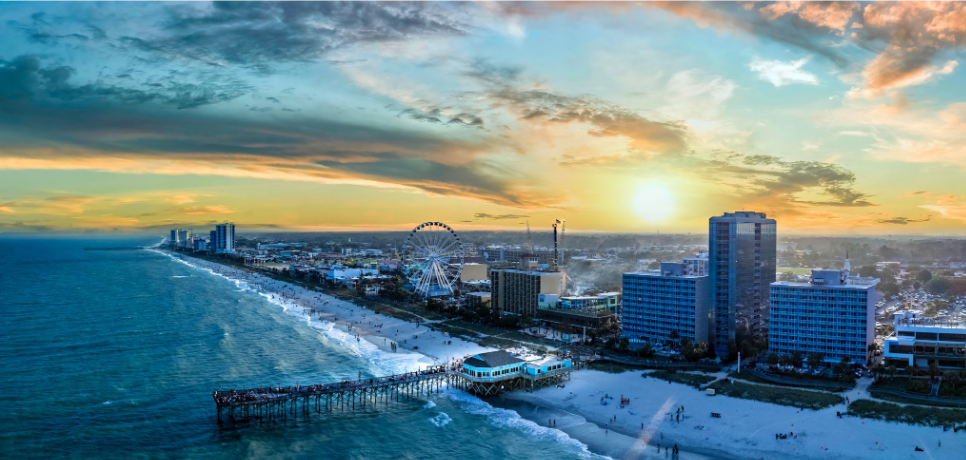
Photo from iStock - Credit: LarryGibson
Coastal Weather Conditions in Conway and Myrtle Beach
Coastal weather patterns in Conway, SC, and Myrtle Beach, SC create challenging conditions for electrical systems throughout the year. Ocean air carries salt particles inland, where they settle on residential and commercial properties. Combined with high humidity levels, this exposure places continuous stress on electrical equipment and metal components. Over time, these environmental conditions can accelerate wear and reduce system dependability.
Strong coastal winds regularly push salty moisture into outdoor electrical fixtures, panels, and exposed wiring. Properties located closer to the shoreline often experience heavier salt accumulation because of direct ocean exposure. Seasonal storms and heavy rainfall can also introduce additional moisture into vulnerable electrical systems. These conditions increase the likelihood of corrosion developing more quickly than in inland regions.
Summer weather brings prolonged humidity that allows moisture to remain trapped around electrical equipment for extended periods. Warm temperatures and damp conditions create an environment where corrosion spreads more aggressively across metal surfaces. During hurricane season, strong storms may expose systems to extreme moisture and wind-driven salt spray. Repeated weather exposure can weaken electrical systems long before visible damage appears.
Coastal properties require additional attention because weather conditions continuously affect electrical performance and reliability. Outdoor systems, including lighting and service panels, often face the highest level of environmental stress. Even indoor electrical components may suffer when humid air enters enclosed spaces over time. Routine maintenance and protective solutions help reduce weather-related damage in coastal environments.
Common Electrical Components Most Vulnerable to Salt Air
Salt air can damage many types of electrical components in coastal environments over time. In Conway, SC, and Myrtle Beach, SC, humid conditions and airborne salt constantly affect residential and commercial electrical systems. Some components face greater exposure because they operate outdoors or contain sensitive metal connections. Understanding which systems are most vulnerable helps property owners recognize where damage may develop first.
Electrical panels and breaker boxes
Electrical panels contain multiple metal connections that can corrode when exposed to salty moisture. Corrosion inside breaker boxes may reduce electrical efficiency and increase overheating risks. Damaged breakers can also struggle to respond properly during electrical overloads. Routine inspections help identify early signs of corrosion before larger problems develop.
Outdoor lighting fixtures
Exterior lighting systems remain directly exposed to rain, humidity, ocean winds, and salt particles. Over time, corrosion may damage fixture housings, wiring, and internal electrical connections. Salt air can also reduce lighting performance and shorten fixture lifespan. Coastal weather conditions often cause outdoor lighting systems to deteriorate faster than indoor equipment.
Wiring, outlets, and switches
Salt and moisture can slowly damage wiring connections, outlets, and electrical switches throughout a property. Corroded connections may weaken electrical flow and create inconsistent system performance. Moisture exposure can also damage insulation surrounding electrical wiring over time. These issues may eventually lead to flickering lights, overheating, or unreliable electrical operation.
HVAC electrical components
Heating and cooling systems often contain outdoor electrical equipment exposed to constant coastal conditions. Corrosion may affect motors, electrical terminals, and system connections within HVAC units. Damaged electrical components can reduce heating and cooling efficiency throughout the property. Continuous exposure to salt air may also shorten the lifespan of HVAC systems.
Electrical components exposed to coastal air require regular attention to maintain safe and reliable operation. Salt buildup, humidity, and moisture can gradually weaken important systems throughout both residential and commercial properties. Early inspections and preventive maintenance help reduce long-term damage and unexpected electrical problems. Proper protection supports longer-lasting electrical performance in coastal environments.
Signs Your Electrical Components May Be Suffering Damage
Salt air damage often develops gradually, making early warning signs easy to overlook in coastal properties. In Conway, SC, and Myrtle Beach, SC, constant exposure to humidity and salty moisture can slowly affect electrical systems throughout the year. As corrosion spreads, electrical components may begin showing visible and performance-related problems. Recognizing these warning signs early helps prevent larger electrical failures and safety concerns.
One common sign of damage:
- Visible discoloration and rust
- Flickering lights and power fluctuations
- Frequent breaker trips
- Buzzing sounds and unusual odors
Electrical performance issues can also signal damage within the system. Flickering lights, buzzing sounds, and intermittent power problems may occur when corroded connections weaken electrical flow. Some property owners may notice breakers tripping more frequently than normal during everyday use. Overheating outlets or unusual burning odors may also indicate hidden corrosion inside electrical components.
Ignoring these warning signs can allow damage to spread further throughout the electrical system over time. Corrosion and moisture exposure may eventually affect system safety, efficiency, and reliability if left untreated. Routine inspections help identify hidden problems before they become more serious and expensive to repair. Early maintenance plays an important role in protecting electrical systems in coastal environments.
Preventing Salt Air Damage to Electrical Components
Preventing salt air damage helps electrical components remain safer, more efficient, and longer lasting in coastal environments. In Conway, SC, and Myrtle Beach, SC, constant exposure to humidity and airborne salt places ongoing stress on residential and commercial electrical systems. Without proper protection, corrosion and moisture buildup can gradually weaken important electrical equipment. Preventive maintenance and protective solutions help reduce long-term damage and improve system reliability.
Protective coatings and corrosion-resistant materials help shield metal electrical surfaces from salty moisture exposure. Many coastal properties use sealed electrical fixtures and weather-resistant components to reduce direct contact with ocean air. These protective materials slow the corrosion process and help extend equipment lifespan. Outdoor systems especially benefit from additional environmental protection.
Proper ventilation and moisture control also play an important role in reducing electrical damage. Well-ventilated spaces help limit condensation buildup around electrical panels, outlets, and wiring. Reducing excess indoor humidity can prevent moisture from collecting inside enclosed electrical systems. Keeping electrical equipment dry helps lower the risk of corrosion developing over time.
Routine inspections and professional maintenance allow property owners to identify small issues before larger problems develop. Electrical professionals can check for early corrosion, damaged connections, and moisture-related wear throughout the system. Early maintenance often reduces repair costs and helps improve long-term electrical performance. Consistent protection and regular inspections help coastal electrical systems remain more dependable throughout the year.
Professional Maintenance Solutions for Coastal Properties
Professional maintenance plays an important role in protecting electrical systems in coastal environments. In Conway, SC, and Myrtle Beach, SC, salt air and humidity continuously expose electrical components to moisture and corrosion risks. Regular inspections help identify hidden damage before it affects system safety and performance. Preventive service also helps extend the lifespan of important electrical equipment throughout the property.
Electrical professionals can inspect panels, wiring, outlets, breakers, and outdoor fixtures for signs of corrosion and moisture damage. Early detection allows damaged components to be repaired or replaced before larger electrical failures develop. Technicians may also clean corroded connections and test system performance during routine maintenance visits. These inspections help improve electrical reliability and reduce unexpected system interruptions.
Coastal properties often benefit from scheduled maintenance because weather conditions create year-round environmental stress on electrical systems. Routine service helps identify areas where moisture may enter enclosed electrical equipment. Maintenance professionals can also recommend protective solutions designed for coastal conditions and outdoor exposure. Proper care reduces long-term wear caused by salt buildup and humidity.
Without regular maintenance, small electrical problems may continue worsening until costly repairs or safety hazards appear. Corrosion can gradually weaken electrical systems even when visible warning signs remain limited. Professional inspections help property owners maintain safer and more dependable electrical performance over time. Consistent maintenance remains one of the most effective ways to protect electrical components in coastal areas.