
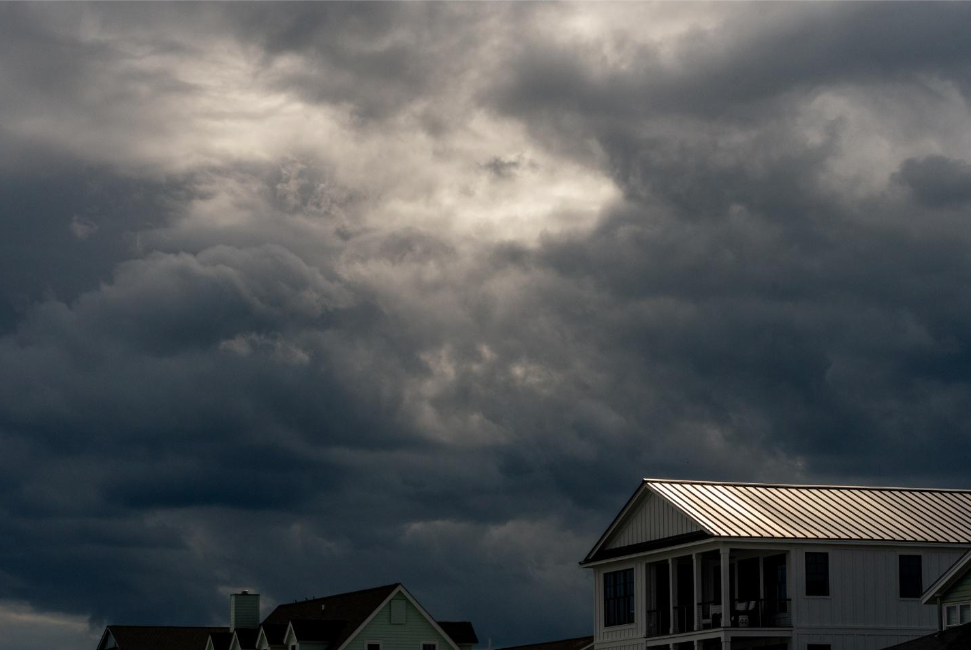
Learn how electrical overvoltage during South Carolina's tropical summer storms can affect electrical systems, recognize warning signs, and explore professional protection solutions for homes and businesses in Myrtle Beach and Conway.
Introduction:
Electrical overvoltage can become a serious concern during South Carolina's active summer storm season. Strong thunderstorms often bring sudden electrical disturbances that affect homes and businesses. These events may happen in an instant, yet the effects can last much longer. Understanding the causes can help property owners make informed decisions about electrical safety.
Summer storms create conditions that place extra stress on electrical systems. Lightning strikes, power grid fluctuations, and weather-related outages can all contribute to voltage spikes. In many cases, these events occur without warning. As a result, electrical equipment may experience unexpected strain.
South Carolina's tropical environment adds another layer of concern during the warmer months. High humidity, frequent thunderstorms, and seasonal storm activity can increase electrical challenges. Coastal communities such as Myrtle Beach often experience weather patterns that elevate these risks. Inland areas, including Conway, can also face storm-related electrical issues throughout the season.
Recognizing potential hazards early is an important step toward protecting power systems. Professional evaluations can help identify vulnerabilities before damage occurs. Property owners who understand storm-related electrical threats are often better prepared for severe weather. Learning about electrical overvoltage is the first step toward safeguarding valuable equipment and maintaining reliable power.
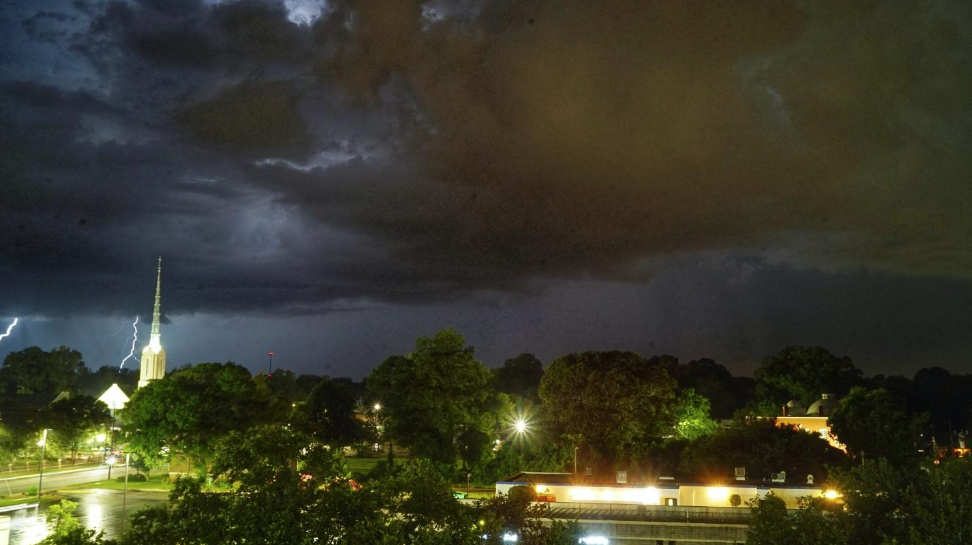
Photo from iStock - Credit: FastCarsBrightStars
What Causes Electrical Overvoltage Events?
Several factors can contribute to high voltage conditions during South Carolina's summer storm season. Understanding these common causes can help family members recognize potential risks and appreciate the importance of professional electrical protection.
Lightning Strikes
Nearby or direct lightning strikes can generate powerful voltage surges that travel through electrical systems. These sudden spikes may damage sensitive electronics, appliances, and critical equipment, even when the strike occurs some distance away.
Utility Grid Disturbances
Severe weather can disrupt power distribution networks and create unstable voltage conditions. As a result, homes and businesses may experience sudden fluctuations that place stress on connected electrical devices and systems.
Power Outages and Restoration
When electricity is restored after an outage, temporary voltage spikes can occur throughout the system. These brief surges may affect connected equipment, increasing the risk of operational issues or electrical damage.
Storm-Damaged Electrical Infrastructure
Damaged transformers, power lines, and other utility components can lead to unexpected voltage fluctuations. Consequently, electrical systems may experience inconsistent power delivery during and after severe weather events.
Heavy Thunderstorm Activity
Frequent summer thunderstorms can place significant strain on residential and commercial electrical systems. Repeated exposure to storm-related electrical disturbances may increase the likelihood of surges and equipment disruptions.
Tropical Weather Conditions
South Carolina's tropical climate often produces weather patterns that contribute to electrical disturbances. High storm activity, intense rainfall, and seasonal weather events can increase the risk of voltage fluctuations and power surges.
While some overvoltage events are brief, they can still have lasting effects on electrical systems and connected devices. Recognizing these causes is an important step toward reducing potential damage and improving electrical reliability during storm season.
Why Summer Storms Increase Electrical System Vulnerability
Summer storms can create challenging conditions for electrical systems across South Carolina. Frequent thunderstorms, intense rainfall, and strong winds often increase the likelihood of electrical disturbances. These weather events may place additional stress on residential and commercial infrastructure. As a result, electrical systems can become more vulnerable during the summer months.
South Carolina's tropical environment contributes to active storm patterns throughout the season. Warm temperatures and high humidity help fuel thunderstorms that develop quickly and produce significant electrical activity. In some cases, storms occur with little warning. This combination of weather factors can increase the risk of voltage fluctuations.
Heavy rainfall and strong winds can also affect utility equipment and power distribution networks. Storm-related damage may interrupt electrical service or create unstable power conditions. When electrical systems experience sudden changes, connected devices may be exposed to additional strain. Consequently, residents may face a greater risk of equipment damage.
While summer storms cannot be prevented, understanding their impact can help improve preparedness. Recognizing seasonal electrical risks allows local residents to make informed decisions about system protection. Professional evaluations can identify potential vulnerabilities before severe weather arrives. Taking proactive steps can help support electrical reliability throughout storm season.
Common Warning Signs of Electrical Overvoltage
Electrical overvoltage is not always obvious when it occurs. However, power systems often display electrical warning signs homeowners should never ignore. Recognizing these indicators early can help reduce the risk of more serious damage. Prompt attention can also improve electrical safety and system reliability.
Frequent Circuit Breaker Trips
Repeated circuit breaker trips may indicate that your electrical system is experiencing abnormal voltage conditions. During summer storms, sudden power fluctuations can place extra strain on circuits, causing breakers to activate as a protective measure against potential damage.
Flickering or Dimming Lights
Lights that frequently flicker or dim may signal unstable voltage levels within the electrical system. While occasional fluctuations can occur, persistent lighting issues during storm season may suggest that electrical components are struggling to receive consistent power.
Unusual Appliance Behavior
High voltage conditions can affect the performance of appliances and electronic devices. Equipment may shut off unexpectedly, restart without warning, display error messages, or operate inconsistently when exposed to sudden voltage fluctuations.
Burning Odors
A burning smell near outlets, switches, appliances, or the electrical panel should be taken seriously. This odor may indicate overheating wires or damaged electrical components that have been affected by excessive voltage during a storm.
Discolored Outlets or Switches
Scorch marks, discoloration, or visible signs of heat damage around outlets and switches can indicate electrical stress. These warning signs may develop when electrical components are exposed to repeated voltage spikes or prolonged overheating.
Buzzing Sounds
Buzzing or humming noises coming from outlets, switches, electrical panels, or connected devices may suggest an underlying electrical issue. In some cases, these sounds occur when voltage irregularities place unusual strain on electrical connections or components.
These warning signs should never be ignored, especially during South Carolina's active summer storm season. A professional electrical evaluation can help identify the source of the problem and reduce the risk of further damage to the system.
How Electrical Overvoltage Can Damage Home Electrical Systems
A home voltage spike can affect multiple parts of a home's electrical system, even when the event lasts only a few seconds. Excess voltage places stress on components that are designed to operate within specific limits. Over time, repeated exposure can contribute to premature wear and reduced system reliability. Understanding these risks can help families recognize the importance of proper protection.
Damage to Wiring and Circuits
Excessive voltage can generate heat within electrical wiring and circuit components. Repeated exposure may weaken insulation, damage connections, and increase overall system strain. In some cases, hidden damage can develop over time, making professional electrical inspections especially important after severe storms.
Risks to Sensitive Electronics
Modern electronics contain delicate components that can be vulnerable to voltage fluctuations. Computers, televisions, gaming systems, and smart devices may experience reduced performance or permanent damage following an overvoltage event. Even brief voltage spikes can affect equipment that appears to function normally afterward.
Potential Effects on HVAC Systems
Heating and cooling systems rely on electrical components to operate efficiently. Electrical voltage spikes can damage motors, control boards, compressors, and other critical parts. Since HVAC equipment represents a significant part of a property's electrical infrastructure, protecting these systems is particularly important during storm season.
The Lasting Effects of Repeated Voltage Spikes
Repeated overvoltage events can gradually reduce the lifespan of electrical equipment throughout the home. Components may deteriorate faster than expected, leading to unexpected failures and reliability concerns. While damage is not always immediately visible, the cumulative effects can become costly over time.
Electrical systems often experience the greatest stress during South Carolina's active summer storm season. Recognizing how transient overvoltage can affect wiring, electronics, and major equipment helps local communities make informed decisions about long term electrical protection.
The Impact on Modern Smart Home Technology
Modern smart homes rely on a wide range of connected devices that require stable electrical power. From security systems to smart appliances, these technologies can be vulnerable to electrical overvoltage during summer storms. Even brief voltage fluctuations may affect device performance, connectivity, and equipment longevity.
Smart Home Devices
Smart thermostats, lighting systems, and voice-controlled devices contain sensitive electronics that can be affected by sudden voltage increases. Damage to these components may disrupt everyday convenience and automation.
Security Systems
Cameras, alarm systems, and smart locks depend on consistent electrical power. Transient overvoltage can interfere with their operation, potentially affecting property monitoring and security functions.
Networking Equipment
Routers, modems, and wireless access points play a critical role in connected homes. Voltage spikes can damage networking equipment, leading to connectivity issues and communication disruptions.
Connected Appliances
Many modern appliances use electronic control boards and advanced technology. Electrical disturbances may affect performance, shorten equipment lifespan, or result in unexpected malfunctions.
As smart home technology becomes more common, protecting connected devices from electrical overvoltage grows increasingly important. Professional electrical protection strategies can help reduce the risk of damage and support the reliable operation of modern household systems.
Electrical Overvoltage Risks for Businesses and Commercial Properties
Businesses and commercial properties often depend on reliable electrical systems to support daily operations. Transient overvoltage during summer storms can disrupt equipment, affect productivity, and create unexpected operational challenges. Even a brief voltage spike may have consequences that extend beyond the initial event.
- Electrical overvoltage can damage computers, machinery, and other essential equipment. When critical systems are affected, businesses may experience unexpected downtime that interrupts daily operations and reduces efficiency.
- Voltage fluctuations can impact servers, storage devices, and other technology that supports business data. In some cases, electrical disturbances may compromise access to important information and digital resources.
- Communication systems, including phones, internet equipment, and networking infrastructure, may be vulnerable to storm-related voltage spikes. Disruptions to these systems can affect both customer service and internal communication.
- Recovering from electrical issues after a severe storm can be challenging. Businesses may need to address equipment damage, system interruptions, and operational delays before normal activities can fully resume.
Understanding these risks can help business owners prepare for South Carolina's active summer storm season. Professional electrical protection measures can support long term reliability and reduce the likelihood of storm-related disruptions.
Electrical Overvoltage Risks in Myrtle Beach’s Coastal Environment
Myrtle Beach's location along the South Carolina coast exposes properties to frequent summer thunderstorms and seasonal storm activity. Combined with the region's tropical climate, these local weather patterns can increase the likelihood of electrical disturbances throughout the year.
- Frequent coastal thunderstorms can create lightning-related voltage surges that place additional stress on residential and commercial electrical systems. Even storms that occur nearby may contribute to electrical surge events.
- High humidity levels common in coastal environments can affect electrical components over time. Moisture exposure may increase wear on certain systems, making them more vulnerable during severe weather conditions.
- Salt-laden air can contribute to the gradual deterioration of electrical equipment and connections. This environmental factor may affect the lasting performance and reliability of electrical infrastructure near the coast.
- Tropical weather patterns often bring heavy rainfall, strong winds, and increased storm activity during the summer months. These conditions can impact utility equipment and contribute to power fluctuations across the area.
Understanding the unique environmental challenges in Myrtle Beach can help households better prepare for storm season. Professional electrical protection strategies can support system reliability and reduce the potential effects of electrical surge.
Electrical Overvoltage Challenges in Conway, SC
While Conway is located inland, it is not immune to the effects of severe summer weather. Thunderstorms, heavy rainfall, and seasonal storm activity can create conditions that increase electrical system vulnerability. Residential property owners should remain aware of potential electrical risks throughout storm season.
- Strong thunderstorms can produce lightning and power disturbances that affect homes and businesses. These weather events may contribute to voltage fluctuations that place stress on electrical systems and connected equipment.
- Severe weather can impact utility infrastructure, resulting in unstable power conditions. Electrical overvoltage may occur when damaged equipment, service interruptions, or restoration efforts affect the flow of electricity.
- Hidden electrical vulnerabilities may become more noticeable during periods of increased storm activity. Professional assessments can help identify potential concerns before they lead to equipment damage or reliability issues.
- Building resilience against storm-related electrical challenges often involves proactive planning. Regular electrical inspections and appropriate protective measures can help support safer and more dependable electrical system performance.
Understanding the electrical challenges associated with Conway's storm season can help property owners make informed decisions about system protection. Preparing for severe weather can reduce the likelihood of disruptions and improve lasting electrical reliability.
Professional Electrical Overvoltage Protection Strategies
Protecting an electrical power system from overvoltage requires more than reacting after a storm has already caused damage. Proactive measures can help reduce the effects of voltage fluctuations and support long term power reliability. Professional surge protection strategies are especially valuable during South Carolina's active summer storm season.
Electrical systems benefit from protection that addresses both immediate and extended risks. Professional solutions are designed to help manage voltage disturbances before they reach sensitive equipment. These measures can help safeguard residential and commercial properties from common storm-related electrical issues. OSHA recognizes that severe weather can affect power generation, transmission, and distribution systems, highlighting the importance of maintaining reliable electrical infrastructure and protective measures.
Routine electrical evaluations also play an important role in identifying potential vulnerabilities. Inspections can reveal aging components, damaged connections, or other concerns that may increase the likelihood of electrical problems during severe weather. Addressing these issues early can improve overall system performance.
A comprehensive approach to electrical protection helps support the safety and reliability of the entire system. By understanding available surge protection options, property owners can make informed decisions that reduce the risk of electrical surge and related equipment damage.
When to Schedule an Electrical Inspection After a Storm
Severe weather can affect electrical power systems in ways that are not always immediately visible. While some signs of damage are obvious, other issues may develop behind walls, within electrical panels, or inside connected equipment. Scheduling a professional inspection after a significant storm can help identify potential concerns before they become larger problems.
Residential property owners should pay close attention to unusual electrical behavior following a storm. Flickering lights, recurring breaker trips, burning odors, and unexpected equipment malfunctions may indicate that the electrical system has experienced stress or damage. Even minor symptoms can signal underlying issues that warrant further evaluation.
Professional inspections can help uncover hidden electrical problems that may not be apparent during a routine visual review. Electricians can assess key components, evaluate system performance, and identify areas that may require attention after exposure to severe weather conditions.
Prompt inspections can also help support long lasting electrical safety and reliability. Identifying storm-related concerns early may reduce the risk of future disruptions and help ensure that the electrical system continues to operate as intended throughout South Carolina's storm season.
Protecting Your Property from Future Overvoltage Events
High voltage conditions can pose a significant threat to homes and businesses during South Carolina's summer storm season. Lightning hazards, utility disruptions, and severe climate conditions can all contribute to voltage fluctuations that place stress on electrical power systems and connected equipment. Understanding these risks is an important step toward protecting valuable property and maintaining reliable power.
Recognizing common warning signs, such as flickering lights, recurring breaker trips, unusual appliance behavior, and burning odors, can help family members identify potential issues before they become more serious. Early attention to these indicators may reduce the likelihood of extensive electrical damage and unexpected system failures.
Proactive protection strategies and professional inspections can play a valuable role in improving electrical system resilience. By addressing vulnerabilities before severe weather arrives, homeowners can better prepare for the challenges associated with South Carolina's tropical storm season.
Whether in Myrtle Beach's coastal environment or the inland community of Conway, staying informed about electrical overvoltage risks can support safer and more dependable electrical system performance. Working with trusted electrical professionals helps ensure that homes and businesses remain prepared for future storms and the electrical challenges they may bring.
Schedule an Electrical Overvoltage Inspection Today
Summer storms and South Carolina's tropical weather can increase the risk of electrical overvoltage and related system damage. If you've noticed warning signs or want to improve your property's electrical protection, contact Mister Sparky of Myrtle Beach, SC for a professional inspection and trusted solutions designed to help safeguard your home or business during storm season.
Frequently Asked Questions
What is electrical overvoltage?
Overvoltage occurs when voltage levels exceed the amount an electrical system is designed to handle. These sudden increases in voltage can damage wiring, appliances, electronics, and other connected equipment.
Can summer storms cause electrical overvoltage?
Yes. Summer storms often create conditions that lead to high voltage conditions. Lightning strikes, utility grid disturbances, and power restoration after outages are among the most common causes during storm season.
What are the warning signs of electrical overvoltage?
Common warning signs include flickering lights, frequent circuit breaker trips, unusual appliance behavior, burning odors, discolored outlets, and buzzing sounds. These symptoms may indicate that the electrical system has experienced abnormal voltage conditions.
Can electrical overvoltage damage electronics?
Yes. Sensitive electronics such as computers, televisions, gaming systems, routers, and smart home devices can be vulnerable to voltage spikes. Even brief overvoltage events may affect performance or cause permanent damage.
Why is electrical overvoltage a concern in South Carolina?
South Carolina's tropical climate often brings frequent thunderstorms, heavy rainfall, and seasonal storm activity. These weather conditions can increase the likelihood of electrical disturbances that contribute to overvoltage events.