

When the power goes out, life doesn’t stop.
Your refrigerator still needs to run. Your sump pump still needs to protect your basement. Your medical equipment, Wi-Fi, home office, and HVAC system don’t suddenly become optional.
The right generator keeps your home safe, functional, and comfortable — even when the grid isn’t.
This guide breaks down everything you need to know before buying a home generator: types, sizing, costs, installation requirements, and safety.
Do You Actually Need a Home Generator?
You should seriously consider a generator if:
- You experience frequent outages or storm-related blackouts
- You rely on sump pumps, refrigeration, medical devices, or well pumps
- You work from home and can’t afford downtime
- You live in a hurricane-, tornado-, or ice-storm-prone region
- You’ve ever lost hundreds of dollars in spoiled food
If power outages are more than a minor inconvenience, backup power moves from “nice to have” to “smart investment.”
Types of Home Generators
1. Portable Generators
Portable generators are wheeled units that you move outside during an outage.
Best for powering a few essential appliances like refrigerators, sump pumps, furnace fans, lights, Wi-Fi, and small electronics.
Important: Portable generators must always run outside — at least 20 feet from your home — with exhaust pointed away from doors and windows.
2. Inverter Generators
Inverter generators are quieter and more fuel-efficient. They produce cleaner power, making them ideal for computers, TVs, medical equipment, and modern electronics.
3. Automatic Standby (Whole-Home) Generators
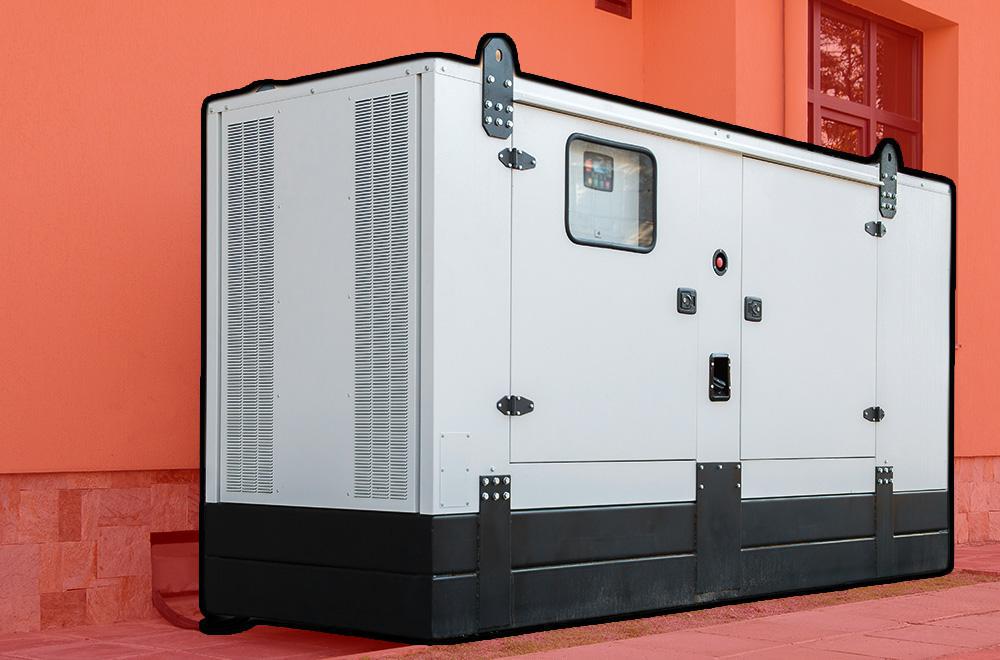
Standby generators are permanently installed outside your home and connected through an automatic transfer switch (ATS). They detect outages, start automatically, and can power most or all of your home depending on size.
Why a Transfer Switch Is Non-Negotiable
If a generator connects to your home’s wiring, it must have a transfer switch.
It prevents dangerous backfeeding, protects utility workers, protects your electrical system, and is required by electrical code.
How to Size a Generator
Step 1: List essential appliances.
Step 2: Account for both running watts and starting watts.
Common wattage ranges:
- Refrigerator: 400–800 running / 1,200–2,000 starting
- Sump Pump (½ HP): ~1,050 running / 2,200–4,100 starting
- Furnace Fan: 700–800 running / 1,400–2,350 starting
- Window AC (10k BTU): ~1,200 running / 1,800–3,600 starting
Always verify your appliance labels and size for the highest startup surge.
What Does a Home Generator Cost in 2026?
Typical installed ranges:
- Small standby (8–10 kW): $6,000–$12,000
- Mid-size (16–20 kW): $10,000–$20,000
- Large whole-home (22–30 kW+): $18,000–$30,000+
Disclaimer: Costs can vary greatly based on size, transfer switch, gas line work, panel upgrades, permits, site conditions, and labor costs. Please reach out to your local Mister Sparky for an accurate estimate and information on available financing.
Safe Placement & Operation
- Run portable generators at least 20 feet from your home
- Keep exhaust pointed away from doors and windows
- Install CO alarms on every level and outside sleeping areas
- Never refuel a hot generator
- Keep generators dry but well-ventilated
- Use heavy-duty outdoor-rated extension cords or a transfer switch
Generator Maintenance
Portable generators: Test monthly, use fresh fuel, check oil and filters, inspect cords.
Standby systems: Perform annual service, check batteries, run self-tests, and schedule inspections before storm season.
Ready for a Right-Sized, Code-Safe Installation?
Mister Sparky’s licensed electricians can perform a professional load calculation, recommend the right generator size, install a transfer switch, pull permits, and ensure everything meets National Electrical Code requirements.