
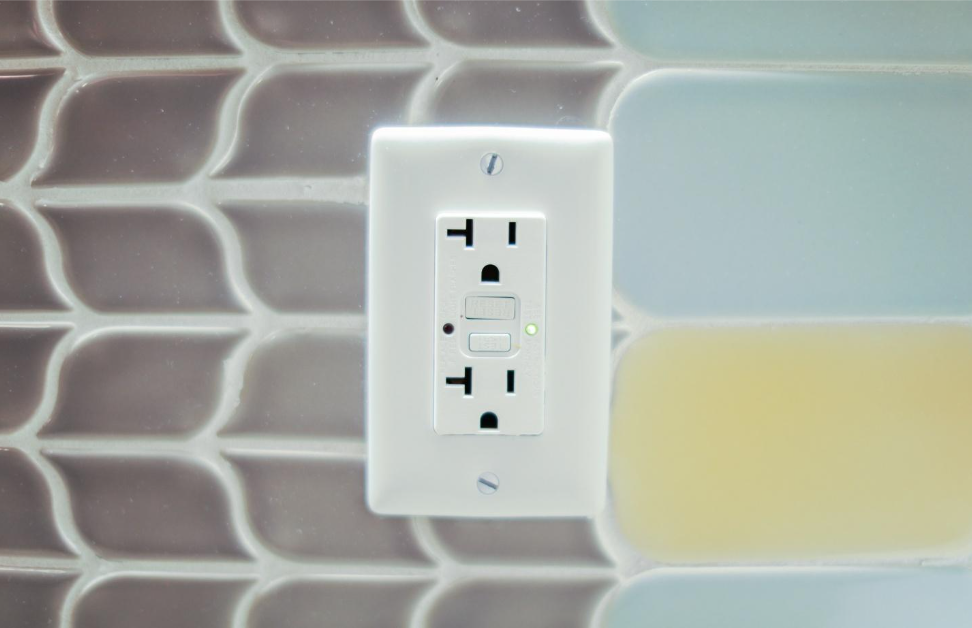
Learn why GFCI outlets keep tripping, what electrical issues may be causing the problem, and how licensed electricians in Wilmington and Leland, NC help improve electrical safety and prevent shock hazards
Introduction:
GFCI outlets protect Wilmington and Leland homeowners from dangerous electrical shocks. These safety devices monitor electrical current around the clock. They react quickly when they detect an imbalance. As a result, they help reduce injury risks throughout the home.
Many families feel concerned when an outlet suddenly shuts off power. However, a trip often signals that the device works correctly. The interruption helps prevent potential electrical hazards. Therefore, understanding the cause remains important for long-term safety.
North Carolina's coastal environment can affect residential electrical systems over time. Humidity, storms, and moisture may contribute to certain electrical concerns. Additionally, aging components can increase the likelihood of interruptions. Professional evaluation helps identify underlying conditions safely and accurately.
Repeated tripping may indicate moisture exposure, wiring issues, or appliance-related faults. While occasional activation is normal, frequent resets deserve attention. Qualified electricians use specialized testing to locate the source. This guide explains common causes and solutions involving GFCI outlets.
What GFCI Outlets Are Designed to Detect
GFCI outlets provide an important layer of protection in modern electrical systems. These devices continuously monitor the flow of electricity entering and leaving a circuit. When they detect even a small imbalance, they respond almost instantly by shutting off power. This rapid action helps reduce the risk of electrical shock and other electrical hazards.
- GFCI stands for Ground Fault Circuit Interrupter.
- The outlet compares incoming and outgoing electrical current.
- A ground fault occurs when electricity follows an unintended path to the ground.
- Moisture, damaged wiring, and faulty appliances can contribute to ground faults.
- GFCI outlets commonly protect bathrooms, kitchens, garages, laundry rooms, and outdoor areas.
- North Carolina's humid climate can increase exposure to moisture around electrical systems.
- Frequent GFCI trips may indicate an underlying electrical issue that requires professional attention.
- Electrical technicians use specialized diagnostic equipment to identify the source of recurring problems.
While GFCI outlets provide valuable protection, they do not correct the underlying cause of electrical faults. Repeated interruptions often signal a condition that should be professionally evaluated. A qualified electrician can identify the source of the problem and recommend appropriate solutions. Understanding what GFCI outlets are designed to detect helps property owners maintain a safer and more reliable electrical system.
Common Reasons GFCI Outlets Keep Tripping
When a safety outlet trips repeatedly, it usually signals an underlying electrical issue that needs attention. While occasional activation can be normal, frequent interruptions often indicate conditions affecting circuit performance and household safety. Understanding the most common causes can help property owners recognize when professional evaluation is necessary.
Moisture Exposure
Water intrusion in bathrooms, kitchens, garages, or outdoor areas can create electrical imbalances that trigger protective shutoffs.
Faulty Appliances
Aging or damaged appliances may leak small amounts of electricity, causing the outlet to interrupt power.
Wiring Problems
Loose connections, deteriorated insulation, or defective wiring can affect current flow and activate safety mechanisms.
Circuit Overloads
Too many devices operating on the same circuit may create conditions that lead to repeated interruptions.
Ground Faults
Electricity taking an unintended path to the ground can immediately trigger the outlet's protective response.
Worn Electrical Components
Older outlets and electrical devices may become less reliable over time, increasing the likelihood of tripping.
Although these issues vary in severity, they should never be ignored when they occur regularly. Identifying the exact cause is the first step toward restoring reliable electrical performance. Next, we'll explore how North Carolina's climate and environmental conditions can contribute to electrical system challenges.
How North Carolina Weather Can Affect Electrical Systems
North Carolina's climate can have a significant impact on residential electrical systems. In coastal communities, changing weather patterns, high humidity, and seasonal storms can create conditions that affect electrical performance. While safety devices are designed to respond to these challenges, environmental factors may contribute to more frequent interruptions over time.
Homes in Wilmington often experience elevated moisture levels due to their proximity to the coast. Humidity can affect electrical connections, particularly in areas exposed to damp conditions. Over time, moisture may contribute to corrosion or create electrical imbalances that activate protective devices. These issues can become more noticeable during warmer months when humidity levels rise.
Severe weather events also play a role in electrical system reliability. Heavy rain, strong winds, and lightning storms can expose outdoor electrical components to additional stress. Water intrusion around exterior outlets or electrical equipment may increase the likelihood of unexpected interruptions. As a result, local residents may notice recurring issues following significant weather events.
Environmental conditions are only one possible factor behind frequent electrical interruptions. When problems continue despite changing weather, an underlying electrical concern may be present. Understanding the warning signs of hidden electrical issues can help residential homeowners determine when professional attention is needed, which is the topic we'll cover next.
Signs That a Hidden Electrical Problem May Exist
Frequent electrical interruptions are not always caused by a faulty outlet. In many cases, they serve as an early warning that something else within the electrical system requires attention. Understanding the signs of a hidden problem can help residential homeowners recognize when professional evaluation may be necessary.
Frequent Resets and Unexpected Power Loss
When an outlet requires frequent resetting, it may be responding to an ongoing electrical fault rather than an isolated event. Residents may also notice certain outlets losing power unexpectedly or specific areas of the home experiencing intermittent electrical service. These symptoms can indicate wiring issues, loose connections, moisture intrusion, or problems with connected equipment. Because many electrical concerns develop gradually, recurring interruptions should not be ignored.
Flickering Lights and Inconsistent Electrical Performance
Electrical problems can sometimes affect more than a single outlet. Flickering lights, inconsistent appliance operation, or brief power fluctuations may suggest that a circuit is experiencing performance issues. While these symptoms can seem minor at first, they may point to conditions that require further investigation. Identifying the source early can help improve both safety and reliability.
Unusual Odors or Signs of Electrical Damage
Burning odors, discoloration around outlets, buzzing sounds, or warm electrical components should always be taken seriously. These warning signs may indicate overheating, faulty wiring, or other potentially hazardous conditions. Prompt professional assessment can help determine the cause and reduce the risk of more significant electrical problems.
Recognizing these warning signs is an important step toward maintaining a safe electrical system. Since many interruptions occur in areas exposed to water, it's also helpful to understand why protected outlets are commonly installed in kitchens, bathrooms, and outdoor spaces, which we'll discuss next.
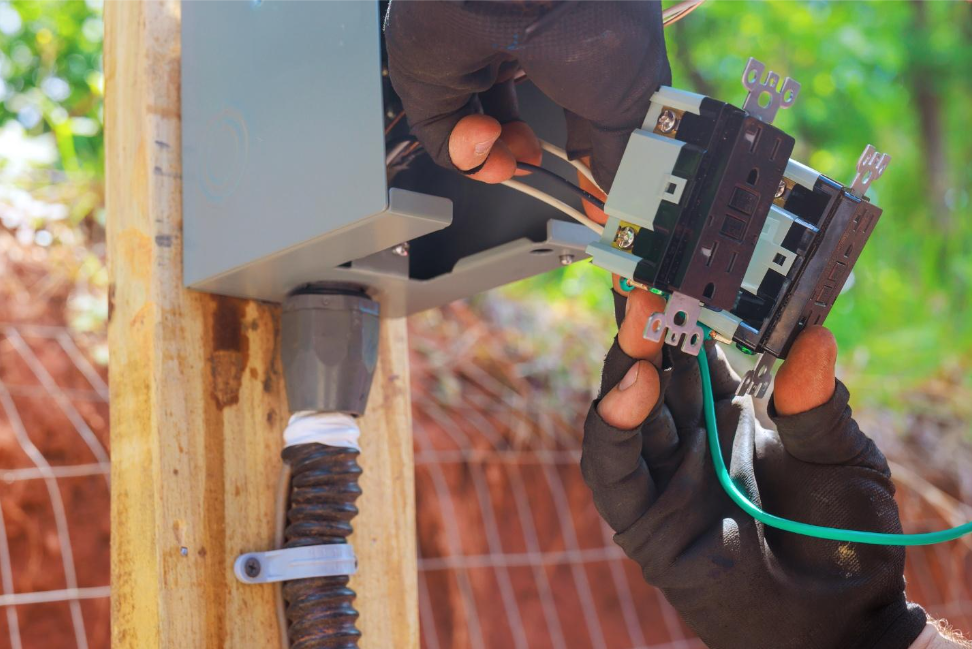
Photo from iStock - Credit: photovs
GFCI Outlets in Kitchens, Bathrooms, and Outdoor Spaces
GFCI outlets are commonly installed in areas where water and electricity may come into close contact. These locations present a greater risk of electrical shock, making reliable protection especially important. By monitoring electrical current and responding to imbalances, these devices help enhance safety throughout the home.
Kitchens are among the most active spaces in a house and contain numerous appliances that rely on electricity. Because sinks, dishwashers, and countertop appliances are often located near one another, the potential for moisture-related electrical issues increases. A properly functioning protective outlet helps reduce risks in this frequently used environment.
Bathrooms also require additional electrical safeguards due to regular exposure to water. Daily activities involving sinks, showers, and personal care devices can create conditions where electrical protection is essential. These safety devices are designed to respond quickly when an abnormal current flow is detected, helping protect occupants from potential shock hazards.
Outdoor spaces present unique challenges because electrical components are exposed to weather conditions year-round. Rain, humidity, and coastal air in parts of North Carolina can affect exterior electrical equipment over time. While environmental exposure can contribute to interruptions, connected appliances can also play a role. Next, we'll examine how appliances may trigger electrical trips and what those events can reveal about the condition of a home's electrical system.
When Appliances Trigger Electrical Safety Devices
Household appliances can sometimes be the reason an outlet trips unexpectedly. While the outlet itself may appear to be the problem, the actual cause may originate from equipment connected to the circuit. Understanding this relationship can help families recognize when an appliance may be affecting electrical performance.
Over time, appliances can develop internal wear that is not immediately visible. Defective wiring, deteriorating components, or electrical leakage within an appliance may create an imbalance in current flow. When that occurs, the safety device responds by disconnecting power to help reduce the risk of shock or other electrical hazards.
Large appliances are not the only potential source of concern. Smaller countertop devices, personal care products, and outdoor equipment can also contribute to recurring interruptions if an internal fault is present. In some cases, the issue may only occur when a specific appliance is in use, making professional diagnosis especially valuable.
Determining whether the problem originates from an appliance or the home's electrical system often requires specialized testing. Electrical specialists can identify the source of the issue and recommend appropriate solutions. Next, we'll explore how professional electricians diagnose repeated tripping and uncover the underlying causes of recurring electrical problems.
How Professional Electricians Diagnose Repeated Tripping
When electrical interruptions occur repeatedly, finding the exact cause is often more complex than it appears. Multiple factors can produce similar symptoms, making accurate diagnosis essential. Professional electricians use a systematic approach to identify the source of the problem and determine the most effective solution.
A thorough evaluation typically begins with an inspection of the affected outlet, circuit, and connected electrical components. Electrical contractors look for signs of moisture intrusion, damaged wiring, loose connections, and other conditions that may contribute to recurring interruptions. This process helps narrow down potential causes and uncover issues that are not immediately visible.
Advanced testing equipment allows trusted electricians to analyze circuit performance and detect electrical faults with greater accuracy. These tools can identify current imbalances, grounding issues, and hidden wiring problems that may not be apparent during a visual inspection. By gathering detailed information, professionals can diagnose concerns without relying on assumptions.
Accurate troubleshooting helps improve electrical safety while reducing the likelihood of recurring issues. Once the source of the problem is identified, appropriate repairs or upgrades can be recommended. Next, we'll examine the broader role that GFCI outlets play in protecting homes and supporting long-term electrical safety.
GFCI Outlets and Home Electrical Safety
Electrical safety is one of the most important aspects of maintaining a home. While many electrical components operate behind the scenes, protective devices play a critical role in reducing risks associated with everyday electricity use. GFCI outlets are designed to enhance safety by responding quickly when abnormal electrical conditions occur.
These outlets continuously monitor the flow of electricity through a circuit. If they detect an imbalance that could indicate a ground fault, they automatically disconnect power within a fraction of a second. This rapid response helps reduce the risk of electrical shock in areas where people may be exposed to moisture or conductive surfaces.
Modern electrical codes require this type of protection in specific locations because of its proven safety benefits. Kitchens, bathrooms, garages, laundry rooms, and outdoor areas commonly rely on these devices to help protect occupants and property. Their presence adds an important layer of protection that supports a safer living environment.
Although these outlets are highly effective safety features, their performance depends on proper installation and maintenance. When recurring interruptions occur, professional evaluation can help ensure the electrical system continues operating safely and reliably. Next, we'll look at electrical safety considerations that are particularly relevant for homeowners in Wilmington, NC.
Electrical Safety Considerations in Wilmington, NC
Homeowners in Wilmington, NC face unique electrical challenges due to the area's coastal environment. High humidity, frequent rain, and exposure to salt air can affect electrical components over time. While modern electrical systems are designed to withstand these conditions, environmental factors may still contribute to wear and performance issues.
Moisture is often one of the biggest concerns for residential electrical systems in coastal communities. Outdoor outlets, garage circuits, and other exposed electrical components may be more vulnerable to water intrusion and corrosion. These conditions can increase the likelihood of electrical faults that trigger protective devices and affect overall system reliability.
Seasonal storms can also place additional stress on home electrical systems. Heavy rainfall, strong winds, and lightning activity may impact exterior electrical equipment and create conditions that warrant closer inspection. Regular professional evaluations can help identify concerns before they develop into larger safety hazards.
Understanding how local environmental factors affect electrical systems can help families make informed decisions about maintenance and safety. Nearby communities may experience similar concerns while also facing their own unique electrical demands. Next, we'll explore electrical protection considerations for homeowners in Leland, NC.
Electrical Protection Solutions for Homes in Leland, NC
As Leland, NC continues to grow, many local homeowners are relying on increasingly complex electrical systems to support modern lifestyles. From kitchen appliances and entertainment systems to home offices and smart technology, electrical demand has expanded significantly in recent years. Ensuring that these systems operate safely and efficiently is an important part of protecting both people and property.
Homes of different ages may face different electrical challenges. Older properties can experience issues related to aging wiring and outdated components, while newer homes may require careful management of growing electrical loads. Regular inspections help identify potential concerns before they affect system performance or safety.
Preventive maintenance plays an important role in supporting reliable electrical operation. Professional evaluations can uncover hidden issues, verify that safety devices are functioning correctly, and help ensure electrical systems continue meeting household needs. Addressing concerns early often reduces the likelihood of unexpected interruptions and costly repairs.
Whether a home is newly constructed or decades old, maintaining electrical safety should remain a priority. When recurring outlet trips or other electrical concerns arise, professional assessment can help determine the cause and recommend effective solutions. Next, we'll discuss when it's time to call a licensed electrician for recurring GFCI outlet problems.
When to Call a Licensed Electrician for GFCI Outlet Problems
Occasional outlet trips can be a normal part of electrical safety. However, when interruptions become frequent or occur without an obvious cause, professional evaluation is often the safest course of action. Identifying the source of the problem early can help prevent more serious electrical issues from developing.
If an outlet continues to trip after being reset, there may be an underlying fault within the circuit, connected equipment, or the electrical system itself. Property owners should also pay attention to related warning signs, such as flickering lights, power fluctuations, unusual odors, or outlets that stop working unexpectedly. These symptoms can indicate conditions that require expert diagnosis.
Licensed electricians have the training and specialized equipment needed to evaluate electrical systems safely and accurately. Through comprehensive inspections and advanced testing, they can identify hidden faults, determine the root cause of recurring interruptions, and recommend solutions that support long-term reliability and safety.
Protecting your home from electrical hazards starts with addressing problems before they become larger concerns. For residents in Wilmington, NC, Leland, NC, and throughout North Carolina, professional electrical service can provide peace of mind and help ensure safety devices continue performing as intended.
Schedule Professional GFCI Outlet Repair in Wilmington & Leland, NC
If your GFCI outlets keep tripping, don't wait for a minor electrical issue to become a larger safety concern. The electrical specialists at Mister Sparky of Wilmington, NC can diagnose the cause, restore reliable performance, and help protect your home from potential shock hazards. Contact our team today for trusted electrical service in Wilmington, NC, Leland, NC, and surrounding North Carolina communities.
Frequently Asked Questions
Why do GFCI outlets keep tripping?
GFCI outlets can trip because of moisture exposure, faulty appliances, damaged wiring, ground faults, or other electrical issues. While occasional tripping may indicate the device is working properly, frequent interruptions often warrant professional inspection.
Is it normal for a GFCI outlet to trip occasionally?
Yes, occasional tripping can be normal. These safety devices are designed to disconnect power when they detect an electrical imbalance. However, repeated trips without an obvious cause may signal an underlying electrical problem.
Can a bad appliance cause a GFCI outlet to trip?
Yes. Appliances with damaged wiring or internal electrical faults can create current imbalances that trigger a GFCI outlet. Professional testing can help determine whether the appliance or the electrical system is responsible.
Does humidity affect GFCI outlets in North Carolina?
High humidity can contribute to moisture-related electrical issues, especially in coastal areas like Wilmington, NC. Moisture exposure may increase the likelihood of electrical imbalances that cause protective devices to activate.
When should I call an electrician for a tripping GFCI outlet?
You should contact a trusted electrician if the outlet trips repeatedly, will not reset, loses power frequently, or is accompanied by flickering lights, burning odors, or other unusual electrical symptoms.