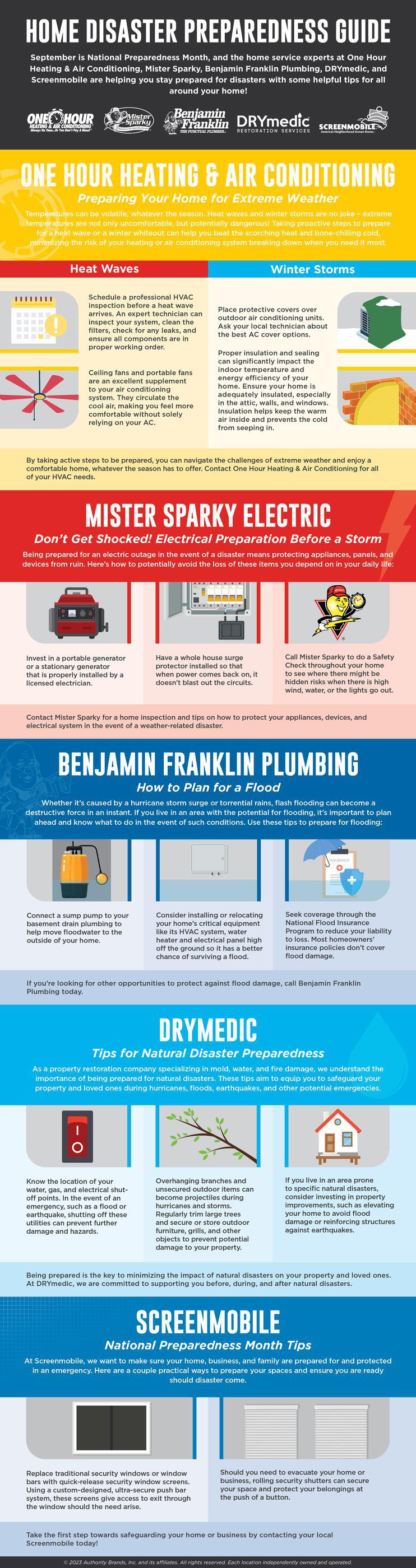

Your home is likely your most valuable asset, and natural disasters do not give much warning before putting it at risk. Flooding, high winds, wildfires, and winter storms can all compromise your electrical system in ways that range from inconvenient to life-threatening. The common thread across nearly every disaster scenario is electricity: knowing how to protect it, when to shut it off, and how to restore it safely after the event are skills that can prevent injury, reduce damage, and speed up recovery.
The threat you face depends heavily on where you live. Coastal and low-lying areas face storm surge and flooding. The Gulf Coast and Atlantic Seaboard face hurricanes. Tornado Alley faces high winds and sudden power loss. The West faces wildfires that can down power lines across entire regions. Mountain and northern states face ice storms that collapse distribution infrastructure for days or weeks. Whatever your local risk profile, the electrical preparation steps are largely the same, and starting before the season rather than the night before a storm is what separates prepared households from overwhelmed ones.
Step 1: Assess Your Risk and Know Your Shutoffs
Before any preparation purchases or improvements, take two foundational steps: understand what specific hazards are realistic for your location, and learn where every utility shutoff in your home is located.
Know your utility shutoffs:
- Main electrical panel: Locate your breaker box and identify the main breaker at the top. This single switch cuts all electrical power to the home. Know where it is, confirm it is accessible, and confirm every adult in the household knows how to operate it
- Individual circuit breakers: Familiarize yourself with the circuit map. Labeled breakers let you shut off specific areas without killing power to the entire home
- Gas shutoff: If your home uses natural gas, locate the shutoff valve at the meter. A gas leak combined with electrical sparking is one of the most dangerous post-storm conditions
- Water main: Locate the main water shutoff in case storm damage breaks pipes
In the event of flooding that threatens your home, you may need to turn off the main electrical breaker quickly. Practice locating it before you need to. One important caveat: only reach the panel if you can do so without standing in water. Never touch the electrical panel while standing in floodwater.
Step 2: Protect Your Electrical System Before Disaster Strikes
Preparation done weeks or months before a storm is what makes the difference. The day before a major storm is too late for many of the most important steps.
Schedule a Pre-Season Electrical Inspection
A professional electrical inspection before hurricane, tornado, or wildfire season identifies vulnerabilities in your electrical system that could worsen under disaster conditions: loose connections that could arc under surge conditions, deteriorating wiring in older homes, undersized panels that could fail under generator load, and missing GFCI or AFCI protection in required locations.
If the panel is undersized or outdated, a panel upgrade before the season is far preferable to discovering the limitation when a storm is already underway. An inspection also confirms that your panel can handle the load a backup generator will place on it, and that any existing surge protection devices are functional. The older home electrical guide covers additional vulnerabilities specific to pre-1970s homes that make them particularly susceptible to storm-related damage.
Install Whole-Home Surge Protection
Power surges are one of the most consistent electrical hazards associated with storms and power restoration. When the utility grid is disrupted by wind, lightning, or equipment failure and then power is restored, voltage spikes can travel through the service entrance into your home and damage or destroy electronics, appliances, and motors. A single significant surge can eliminate thousands of dollars of equipment in milliseconds.
Whole-home surge protection installed at the electrical panel works automatically to divert excess voltage to the grounding system before it reaches your circuits. This is your primary defense against surge damage. Point-of-use surge protectors at individual outlets provide a secondary layer but cannot replace panel-level protection for a serious event. Before a storm, unplug sensitive electronics and appliances as an additional precaution. When power is restored after an outage, wait several minutes before plugging high-value devices back in, as the initial restoration period can carry unstable voltage.
Add or Upgrade GFCI Protection
Ground fault circuit interrupters are particularly important when water intrusion is a risk. If flooding reaches your home, any outlet that is or has been submerged presents electrocution risk if the circuit remains energized. GFCI outlets cut power within milliseconds when they detect current leaking to ground, providing critical protection in damp and wet conditions. All kitchens, bathrooms, garages, basements, and outdoor outlets should have GFCI protection as baseline, and this should be in place before any storm event.
Elevate Electrical Components in Flood-Prone Areas
If you live in a flood zone or know that your basement or ground floor is susceptible to water intrusion, consider having a licensed electrician raise outlets, switches, and circuit breakers above the expected flood level. Many electrical standards recommend at least 12 inches above the base flood elevation. Relocating critical components to higher positions provides a meaningful margin before flood water reaches them.
Trim Trees and Secure Exterior Components
Falling trees and branches are responsible for a significant portion of power outages and service entrance damage during storms:
- Have any dead, weak, or overhanging branches removed by a qualified tree service before storm season begins
- Never attempt to trim branches near power lines yourself; contact your utility company to handle lines or hire a contractor licensed for work near energized equipment
- Check that your electrical meter base and service entrance are securely mounted to the exterior of your home. A service mast that pulls away from the house during a storm requires a licensed electrician to repair before the utility can restore power
- Secure any outdoor electrical equipment with weatherproof covers
Step 3: Generator Safety, the Most Critical Pre-Storm Decision
A generator is one of the most useful tools a homeowner can have during an extended outage, and one of the most dangerous if used incorrectly. Generator-related carbon monoxide poisoning kills dozens of people every year in the United States, almost entirely from generators operated in attached garages, near windows, or inside the home.
Portable vs. Standby Generators
Portable generators provide flexibility and lower upfront cost. They must be set up manually, require a fuel supply, and need to be run outside. They typically provide enough power for a refrigerator, lights, a few fans, and device charging, though higher-wattage models can power more. Portable generators need to be started and managed while the power is out, which means being outside in potentially ongoing storm conditions.
Standby generators are permanently installed and wired to your home through a transfer switch. When utility power fails, the transfer switch detects the loss within seconds and automatically starts the generator. No manual intervention is needed. Standby generators run on natural gas or propane from a dedicated supply, eliminating the fuel storage and refueling problem. A properly sized standby generator can power the entire home, including HVAC systems and major appliances. The generator installation service covers what professional installation involves and how to size a generator for your home's actual load requirements.
The most important point about standby generators: install one before the season, not when a storm is approaching. Licensed electricians are typically booked out for weeks before a major hurricane threat, and installation during a storm warning is impossible.
Carbon Monoxide: The Generator's Invisible Danger
Carbon monoxide (CO) is the exhaust byproduct of any fuel-burning generator. It is odorless, colorless, and lethal in enclosed spaces. At high concentrations, it can be fatal within minutes. At lower concentrations, it causes symptoms that resemble flu or exhaustion, which means victims may not realize what is happening until they are incapacitated.
Non-negotiable generator rules:
- Never operate a generator indoors, including in an attached garage, even with the garage door open. CO can migrate through walls, under doors, and through HVAC systems
- Position generators at least 20 feet from any window, door, vent, or soffit with the exhaust directed away from the structure
- Never operate a generator in the rain or on a wet surface without protection. Use a generator tent or canopy if you need to operate during precipitation
- Install CO detectors with battery backup on every level of the home and outside each sleeping area. The detector placement guide covers placement requirements and sensor types. Test these detectors monthly regardless of season
- If a CO detector sounds, get everyone outside immediately and call 911 before re-entering the home
Connecting the Generator: Transfer Switches and Backfeeding
Never connect a portable generator directly to a wall outlet. This practice, called backfeeding, energizes the utility lines outside your home and creates lethal hazards for utility workers who may be repairing lines in the area, for your neighbors, and for anyone on your property. It is also illegal and can void your homeowner's insurance.
The safe connection methods are:
- Transfer switch: A device installed by a licensed electrician between the utility service and your panel. When you connect the generator to the transfer switch, it automatically disconnects your home from the utility grid before powering selected circuits. This is required for permanently installed standby generators and strongly recommended for portable generators that will be used regularly
- Direct appliance connection: Plug individual appliances directly into the generator's outlets using heavy-duty, outdoor-rated extension cords rated for the wattage of the connected devices. This works for temporary use but requires carrying cords to each device
Watching for overloaded circuits on the transfer switch is as important during generator use as in normal operation. Do not exceed the generator's rated wattage. Add up the wattage of everything you intend to run and stay within the generator's capacity. Running a generator past its rating can damage both the generator and connected equipment. Allow the generator to cool completely before refueling, as spilled fuel on a hot engine can ignite immediately.
Step 4: Building Your Emergency Kit
An emergency kit is not just supplies in a bag. It is a pre-decision made in advance so that when a disaster occurs, you are not making those decisions under stress with depleted resources. Build your kit before storm season and maintain it throughout the year.
Electrical and power supplies:
- Flashlights with extra batteries (one per household member), or headlamps
- Battery-powered or hand-crank NOAA weather radio for alerts after cell service fails
- Portable power bank for phone charging, charged before the storm
- Glow-in-the-dark tape applied to flashlight locations so you can find them in total darkness
- Spare batteries in common sizes (AA, AAA, D)
Water and food:
- One gallon of water per person per day for a minimum of three days, preferably seven
- Non-perishable food for three to seven days (canned goods, dried food, protein bars)
- Manual can opener
- Cash in small bills (ATMs and card readers may not function)
Safety and medical:
- First aid kit
- At least a two-week supply of prescription medications, rotated regularly
- Copies of critical documents: ID, insurance policies, medical records, prescriptions, stored in a waterproof container or accessible digitally from a secondary location
- Fire extinguisher rated for Class ABC fires
- Battery-backup CO detector
- Backup power plan for any electricity-dependent medical equipment (CPAP, oxygen, dialysis)
If you rely on electrically powered medical equipment, contact your utility company before storm season and ask about their medical priority programs. Many utilities maintain lists of customers with medical dependency and prioritize those addresses during restoration. Also develop a plan with your medical provider for extended outages lasting more than 24 hours.
Step 5: Immediate Actions When a Disaster Is Imminent
When a storm is confirmed to be approaching and emergency managers are issuing preparation warnings:
- Charge all devices: phones, tablets, laptops, and portable power banks, before the storm arrives
- Unplug non-essential electronics and appliances to protect them from surge damage when power fluctuates before and after the event
- Move electronics and important documents to higher ground within the home: ideally center of the home on upper floors, away from windows and exterior walls
- Fill your generator with fresh fuel and test-run it briefly to confirm it starts before you need it in an emergency
- If you have a portable generator, stage it outside in a location you have already identified, with extension cords accessible
- Stock coolers with ice so that when the power goes out, perishable food can be transferred without relying on the refrigerator
- Document your home's condition with photos and video before the storm makes landfall, creating a clear pre-storm baseline for insurance purposes
If emergency management officials order an evacuation, follow it. No home asset is worth the risk of a life. Before evacuating, turn off the main electrical panel breaker if you can do so safely and dry.
Step 6: Electrical Safety During a Disaster
If Flooding Begins
Turn off the main electrical breaker if water is rising into your home, but only if you can reach the panel without standing in water. If you cannot reach the panel without wading through water, do not attempt it. Standing water and an energized electrical panel is a fatal combination.
Once the main breaker is off, do not use any wired electronics or appliances. Do not use landline phones if wires may have been compromised by water or lightning. Avoid touching the electrical system in any way until the water has receded and a licensed electrician has assessed it.
Downed Power Lines
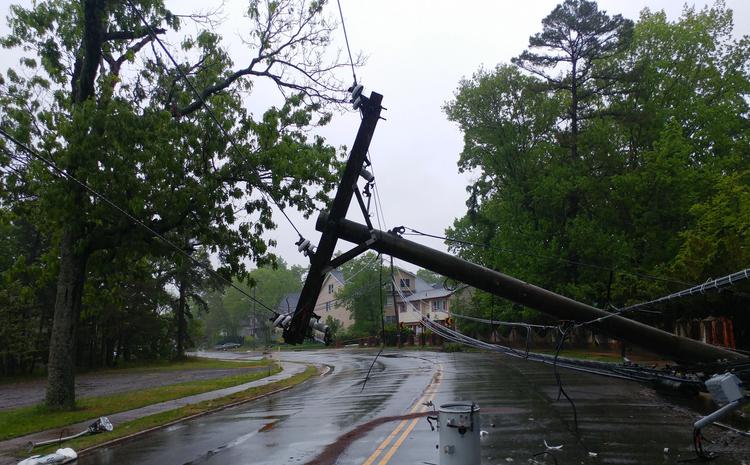
Treat every downed power line as fully energized, regardless of whether the power in your immediate area is out. You cannot determine by appearance whether a line is carrying current. The ground around a downed line may also be energized through a phenomenon called ground gradient, which means simply standing near a downed line can be dangerous even without touching it.
- Stay at least 35 feet from any downed line and from anything the line is touching, including fences, vehicles, tree branches, and water
- Call 911 immediately and then your utility company
- Do not drive over or around downed lines
- If a power line falls on your vehicle, remain inside unless the vehicle catches fire. If you must exit, jump clear and do not touch the car and the ground simultaneously. Shuffle away in small steps until you are at a safe distance
Electrical hazards from downed lines are responsible for a significant share of disaster-related deaths and injuries every year. The rule is simple: if you did not see the line fall and confirm the utility has de-energized it, treat it as live.
Step 7: After the Disaster, Restoring Power Safely
Do Not Enter Flooded Areas
Floodwater may contain energized electrical hazards that are completely invisible. Water that has entered a home's electrical system, reached a submerged extension cord, or contacted a partially submerged appliance can be electrically charged with no visible indication. Do not wade into a flooded basement or first floor until power has been confirmed off and the area has been inspected.
Before Restoring Power After Flooding
Any electrical equipment that has been flooded or submerged, including outlets, switches, circuit breakers, wiring, appliances, and extension cords, must be professionally inspected before it is used again. Water damages insulation, causes corrosion at connections, and can create conditions that produce arcing or shock when energized. A circuit breaker tripping immediately after power is restored to a flood-affected area is a warning that the circuit has been compromised, not a signal to reset and continue.
Steps before restoring power after flood damage:
- Have a licensed electrician inspect all affected circuits, outlets, and the panel before turning the main breaker back on
- Have appliances and electronics that were submerged inspected before plugging them back in
- Check for flickering lights throughout the home after power is restored, as sudden flicker can signal surge damage to wiring or breakers. Check for sparking outlets or burning smells after power is restored and shut off the affected circuit immediately if either is present
- Document all damage with photos and video before beginning any cleanup or repairs, as this is essential for insurance claims
When Power Returns After an Outage
The moment power is restored, a brief surge is common. Appliances and electronics left plugged in absorb this surge without protection:
- Before power is expected to return, unplug major appliances and electronics
- When power returns, wait two to three minutes for the system to stabilize, then plug appliances back in gradually rather than all at once
- Reset clocks, check the refrigerator temperature, and confirm CO detectors are powered and functioning
Food safety after an outage: An unopened refrigerator maintains safe temperatures for approximately four hours. A fully stocked, unopened freezer maintains safe temperatures for 48 hours, a half-full freezer for about 24 hours. If the power was out long enough to raise refrigerator temperature above 40 degrees Fahrenheit for more than two hours, discard perishables. When in doubt, throw it out.
Medications: Discard any medication that requires refrigeration if it has been above safe temperature for an extended period, unless the medication's label or your pharmacist specifies otherwise.
Seasonal Maintenance: Staying Prepared Year-Round
Disaster preparedness is not a one-time task. It degrades as batteries die, food in emergency kits expires, and generator fuel goes stale. Maintaining readiness requires a seasonal schedule.
Before each storm season:
- Test and replace emergency kit batteries and rotate food supplies
- Test-start your generator and service it according to manufacturer guidelines (typically annually or every 200 hours of use)
- Inspect generator fuel supply and use a fuel stabilizer if storing gasoline long-term
- Schedule a professional electrical inspection if it has been more than three years
- Confirm CO detectors and smoke detectors are functional and not past their replacement date
The electrical safety checklist provides a room-by-room audit you can perform yourself between professional visits. The seasonal home maintenance guide includes the electrical review items that should be part of every fall and spring walkthrough.
For homes in storm-prone regions, the home fire safety guide addresses the fire risks that often accompany storm damage, including electrical arc faults, downed line contact, and generator misuse. Understanding the dangers of DIY electrical work is especially relevant in the post-storm period, when homeowners are tempted to make quick repairs to restore power without professional involvement.
Ready to Prepare Your Home Before the Next Storm?
Mister Sparky's licensed electricians install whole-home surge protection, standby generators with transfer switches, GFCI upgrades, panel assessments, and post-storm electrical inspections.
Book an appointment or find your local electrician to get started before the next storm season. Our team is available 24/7.