Older homes were built for a different era of electricity use. A house wired decades ago might have been designed around a handful of appliances, minimal lighting circuits, and no concept of EV chargers, smart home systems, or whole-home HVAC. The result is a gap: the panel your home was built with may no longer match the electrical load your household actually puts on it.
Upgrading your home's amp capacity means increasing the amount of electricity your electrical service can deliver at any given time. For many homeowners in older homes, it is not just a comfort upgrade, it is a safety and code compliance issue. Here is what you need to know about how the system works, the signs that point to an upgrade, and what the process actually involves.
Amps, Volts, and Watts: Understanding the Basics
Before evaluating your home's capacity, it helps to understand what these terms actually measure.
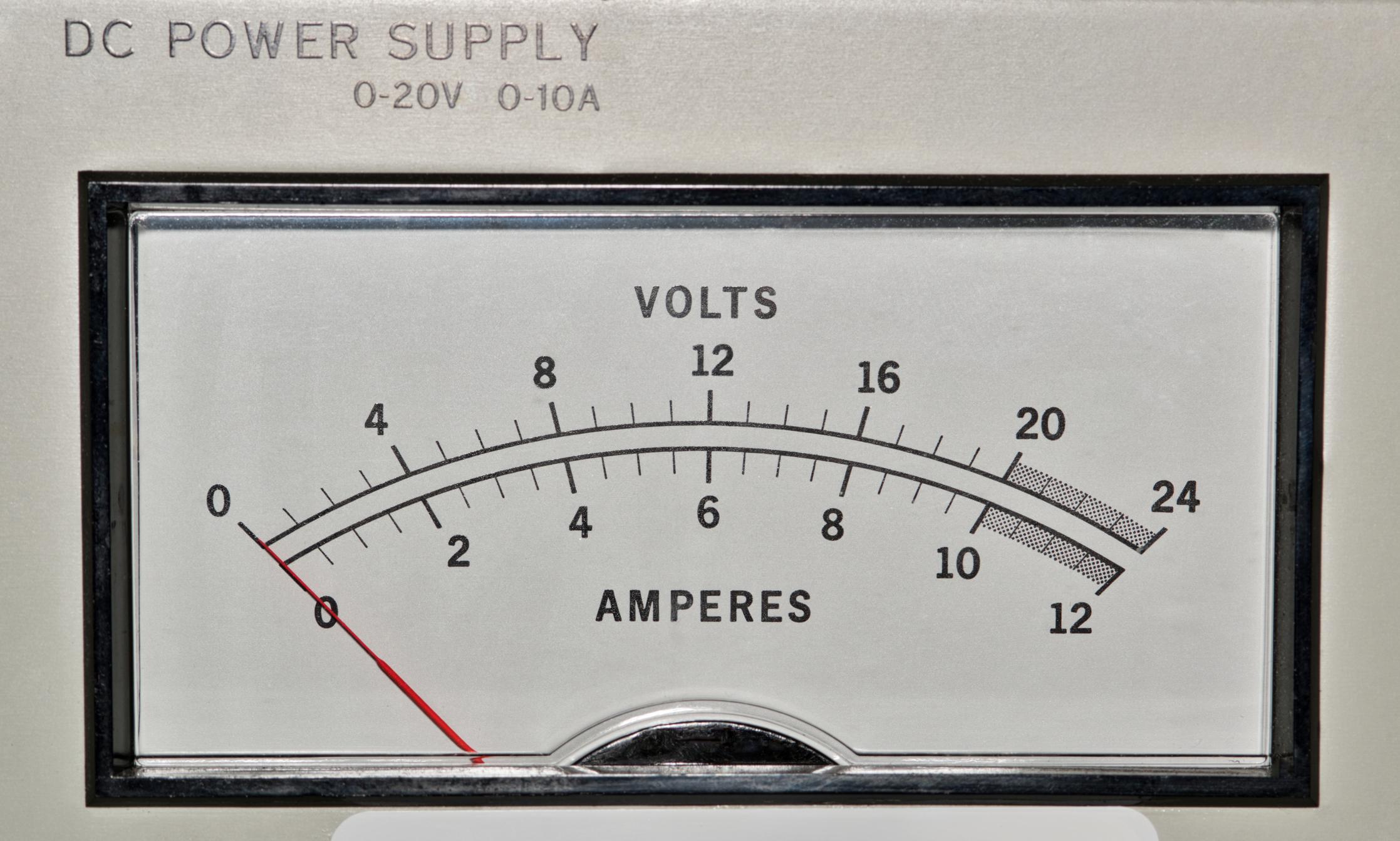
A useful analogy is a garden hose. Voltage is the equivalent of water pressure, the force pushing electricity through your wires. Amperage is like the diameter of the hose, the measure of how much electrical current can flow at one time. Multiply the two together and you get wattage, which is how the power consumption of appliances and devices is typically measured.
When your panel's amperage rating is too low for the load being placed on it, the system cannot deliver enough current to meet demand. The result is overloaded circuits, tripped breakers, and in older systems, genuine fire risk. Understanding this relationship is the foundation for making sense of why panel upgrades matter.
What Amperage Does Your Home Currently Have?
Residential electrical service comes in several standard sizes. Knowing where your home currently stands helps clarify what, if any, upgrade is needed.
- 60-amp service is found in older homes, typically those built before the 1960s. It was adequate at a time when most households had far fewer electrical devices and relied heavily on gas for cooking, heating, and water heating. Today, 60-amp service is generally insufficient for modern electrical loads. It often coexists with outdated wiring such as knob-and-tube or ungrounded two-prong outlets, and it cannot support a central air conditioner, electric stove, or EV charger without significant strain. Homes with 60-amp service also commonly lack 240-volt capacity, which limits the range of appliances they can support.
- 100-amp service became the standard in many homes built from the 1960s through the 1980s. It handles a refrigerator, dishwasher, washer, dryer, and standard lighting circuits reasonably well. However, 100-amp service increasingly struggles as households add high-demand equipment. It may technically function, but it leaves very little headroom for additions.
- 150-amp service is an intermediate size less commonly seen in new installations, but present in some homes built or upgraded in past decades.
- 200-amp service is the current standard for modern residential construction and the most common upgrade target for older homes. It provides sufficient capacity for central air conditioning, electric appliances, an EV charger, and most home additions without running into limits.
- 400-amp service is reserved for large homes with exceptional electrical demands, homes with multiple EV charging stations, workshop equipment, or commercial-grade HVAC systems.
Warning Signs Your Panel Is Undersized
Your home's electrical system will usually signal when its capacity is being pushed too hard. These symptoms should not be dismissed as normal or inconvenient quirks.
- Breakers that trip frequently. A breaker tripping occasionally is normal protection. A breaker keeps tripping under routine household loads is a sign the circuit is consistently being asked for more than it can safely deliver.
- Lights that dim or flicker when large appliances turn on. When your air conditioner cycles on and the lights throughout the house dim, that voltage drop indicates the system is struggling to share available capacity. Flickering lights under load are a clear sign of inadequate service capacity.
- A burning smell or warm panel. Any burning odor near the panel, or a panel box that feels warm to the touch, is a serious warning. Heat at the panel points to overloaded or failing components and warrants immediate attention.
- Running out of breaker slots. If your panel is full and every request for a new circuit means doubling up with a tandem breaker, you are approaching the limits of what the current panel can manage.
- Reliance on extension cords. A shortage of outlets driving heavy use of extension cords is a visible sign that your home's original electrical layout cannot keep up. Extension cords as a permanent solution are a recognized electrical fire hazard, and outlets pushed beyond their capacity can begin showing sparking outlet behavior that warrants immediate professional attention.
- Inability to run multiple appliances simultaneously. If running the microwave, dishwasher, and washing machine at the same time routinely causes problems, your home's service capacity is undersized for your actual usage.
What Drives the Need for an Upgrade
Some households reach the limits of their service gradually, through the addition of devices and appliances over time. Others hit a specific trigger point that makes an upgrade unavoidable. Common triggers include:
- Electric vehicle chargers. A Level 2 EV charger can draw 40 amps or more on its own, nearly half of a 100-amp service, dedicated to a single device. For homeowners considering home EV charging, a panel upgrade is often a prerequisite rather than an option.
- New HVAC systems. Central air conditioning, heat pumps, and mini-split systems all place substantial loads on the electrical service. Adding or replacing a whole-home HVAC system often pushes a 100-amp service to its limit.
- Major appliance electrification. Switching from gas to electric for cooking, water heating, or laundry increases the electrical load significantly. Older panels designed around gas appliance use may not be adequate once those loads move to electricity.
- Home additions. Adding a room, garage, or accessory dwelling unit means new circuits, which means the panel needs available capacity to support them.
- High-demand additions. Hot tubs, pools, home theaters, workshop equipment, and large kitchen renovations all require dedicated high-amperage circuits that smaller panels simply cannot accommodate.
Panels That Are Safety Issues, Not Just Capacity Issues
Some older panels are not just undersized, they are hazardous regardless of amperage. Two are worth knowing by name.
- Federal Pacific Electric (FPE) Stab-Lok panels were common from the 1950s through the 1980s and are documented to have breakers that fail to trip under overload conditions. A breaker that does not trip when it should allows heat to build in wiring and potentially ignite surrounding materials.
- Zinsco panels have the same fundamental problem. The breakers can fuse to the bus bar, making them appear to trip while actually remaining energized.
If your home has either of these panels, the urgency is not the amperage, it is the safety risk. An electrical safety checklist review for older homes should always include confirming the panel brand. Additionally, older 60-amp homes frequently have wiring systems that are problematic independent of the panel. A home maintenance checklist for any pre-1970s home should include an electrical inspection that covers wiring type and condition.
What an Electrical Service Upgrade Actually Involves
A panel upgrade is not simply swapping the box on the wall for a larger one. The service that enters your home from the utility includes several interconnected components, and a true service upgrade typically addresses all of them.
The service entrance conductors are the wires running from the utility's connection point to your meter. These must be sized to match the new service amperage. Upgrading from 100 to 200 amps requires conductors capable of carrying 200-amp service.
The meter base is the housing where your utility meter connects. It also must be rated for the service size you are installing.
The main panel itself is the component most homeowners think of. The new panel must have sufficient breaker slots and an amperage rating matching the upgraded service.
Wiring condition. In some older homes, especially those with aluminum wiring or knob-and-tube, the existing branch circuit wiring may also need attention before or during a service upgrade.
Permits and inspection. A panel upgrade requires a permit in virtually all jurisdictions, and the work must be inspected after completion. This is not optional. Unpermitted panel work can complicate home sales, insurance claims, and create ongoing liability. The permit process also coordinates with your utility company, which must disconnect and reconnect service during the upgrade.
The wiring upgrade also has grounding implications. A proper service upgrade includes verifying that the ground wire system meets current code, since older panels may not have an adequate grounding electrode system in place.
After a service upgrade, whole-home surge protection is worth adding at the same time if it is not already in place. A larger panel provides more capacity for power to enter your home, which also means more exposure to incoming surges from the utility line or lightning. Pairing the two improvements at once is efficient. Understanding budgeting for upgrades ahead of time helps you plan for what a comprehensive service upgrade involves financially.
Why This Is Always a Professional Job
A panel upgrade is not a project with a DIY path. The service entrance conductors entering your meter base remain energized regardless of the position of your main breaker. The utility-side conductors carry live current that only the utility company can disconnect, and that disconnection must be coordinated and permitted.
Beyond the live conductors, the complexity of a proper service upgrade, including conductor sizing, grounding, bonding, coordination with the utility company, and permit compliance, requires a licensed electrician. The dangers of DIY electrical work are particularly acute at the service entrance, where the consequences of an error are most severe.
If your home shows any of the warning signs covered above, scheduling a professional panel upgrade evaluation is the right starting point. An electrical inspection that covers your current service size, panel condition, wiring type, and grounding gives you a complete picture of what your system needs before committing to a scope of work.
Ready to Upgrade Your Home's Electrical Service?
Mister Sparky's licensed electricians handle the full scope of service upgrades, from panel replacement and service entrance work to permit coordination with your local utility. Whether you are in a 60-amp home that needs a complete overhaul or a 100-amp home preparing for an EV charger or HVAC upgrade, the team is available 24/7.
Book an appointment or find your local electrician to get started.