As many Evansville drivers switch to electric vehicles, EV charging stations are an increasingly popular home improvement. An at-home EV charger makes daily life more convenient and can often lower charging costs compared to relying only on public charging. Yet, it’s a big decision with many important factors that first-timers may overlook. Let’s explore everything you should know before making choices for your vehicle and home.
Selecting Your EV Charging Station’s Capacity
Professional support is important because load calculations determine your home’s available electrical capacity and your charger’s power needs. There are a couple of critical considerations. At a minimum, your charger should be able to replenish the range you use during a normal day, whether that happens in a few hours or overnight. The other consideration is future-proofing your installation. With proper installation and care, an EV charger can last for many years. To get the most value from your investment, choose a charger capacity that supports your current needs and the EVs you plan to buy or lease in the future.
Three common options are 40-amp, 48-amp, and 80-amp EV chargers. A 40-amp system can meet the needs of many modern EV owners, especially for overnight charging. A 48-amp charger will require more initial overhead but can add more range per charging hour, depending on the vehicle, battery size, and onboard charger. That can be a worthwhile investment for the driver who will upgrade vehicles twice or more over the next decade. An 80-amp charger is a much bigger investment and generally not worthwhile for the average driver. The main exceptions are drivers with EVs that have very large batteries and onboard chargers capable of using the full 80-amp output.
What’s the Difference Between a Level 1 and Level 2 EV Charger?
Level 1 refers to chargers that connect to a 120-volt circuit, a standard household circuit in the U.S. Level 2 chargers, on the other hand, connect to a 240-volt circuit. A Level 1 charger cannot handle 40 amps and charges much more slowly than a Level 2 charger. For some plug-in hybrids or low-mileage drivers, Level 1 charging may be enough. However, most all-electric vehicle owners prefer Level 2 charging because it can restore far more range overnight and offers better long-term convenience.
Do You Need a Panel Upgrade or Other Electrical Improvements?
Many modern homes have enough electrical capacity to add an EV charger, but this is not something to assume. Your electrician will need to evaluate your panel size, existing loads, available breaker space, wiring, and the charging amperage you want. You may need an electrician to install a dedicated circuit. Homes with older 100-amp panels, crowded panels, or high existing electrical demand may require a panel upgrade or load-management solution. Depending on the scope of work and local code requirements, you may also need whole-home surge protection or other electrical improvements.
Opting for a Hardwired or Plugged-In EV Charging Configuration
A hardwired EV charger has wiring that runs directly into the home’s electrical system. The alternative is a charger that plugs into a 120-volt or 240-volt outlet. Electricians often recommend a hardwired connection because it can be more secure, weather-resistant, and reliable for a permanent installation. You may want to opt for a plug-in or “mobile” installation if you’ll relocate soon or want to take the charger with you. Some drivers also use a mobile setup because they travel with their charger often. Still, many homeowners prefer a hardwired home charger and keep a separate mobile charging cord for travel.
Where Should You Install Your EV Charger?
The most common EV charger installation in Evansville is in the garage. It provides a convenient charging space and is often near the electrical panel, which can lower installation costs. You can opt for an outdoor installation, even in Indiana’s colder climate. That said, there will be additional considerations and costs, such as weather-rated equipment, proper mounting, and protection from moisture and physical damage.
Permitting Requirements
In Evansville, a Level 2 EV charger installation will typically require an electrical permit because it involves new electrical work. If you hire an electrician, the company can usually pull the necessary permit on your behalf. Your electrician can also help coordinate any required inspection through the Evansville-Vanderburgh County Building Commission.
A code-compliance inspector may review:
- Electrical capacity and load
- Wiring and circuit breakers
- GFCI protection where required
- Surge protection where required
- Safety and environmental compliance
- Mounting and accessibility
- Electrical labeling
HOA Regulations
Indiana does not currently have a broad “right to charge” law that limits homeowner association restrictions on residential EV charger installations. That means an HOA may have rules that affect your installation, especially if the charger or wiring is visible from the exterior. If applicable, it’s crucial to review your HOA documents and select a local electrical contractor with experience navigating HOA rules.
Safety and Insurance Considerations
Your homeowners insurance may cover an EV charger as part of the dwelling or as electrical equipment, but coverage depends on your specific policy. You should alert your provider to the upgrade to ensure you have the necessary coverage. Consider a charger with access control, app-based controls, or a locking feature if you have children, pets, or an outdoor installation. Your electrician can also help you choose equipment that is listed, code-compliant, and appropriate for the installation location.
Rebates and Other Energy Incentives
Rebates, tax credits, and other incentives can significantly lower your initial costs when available. Consider these options early in the process, as they can shape your buying decisions. A great place to start exploring is CenterPoint Energy, your local co-op, or current federal and state incentive resources.
Compatibility and Connectors for EV Chargers
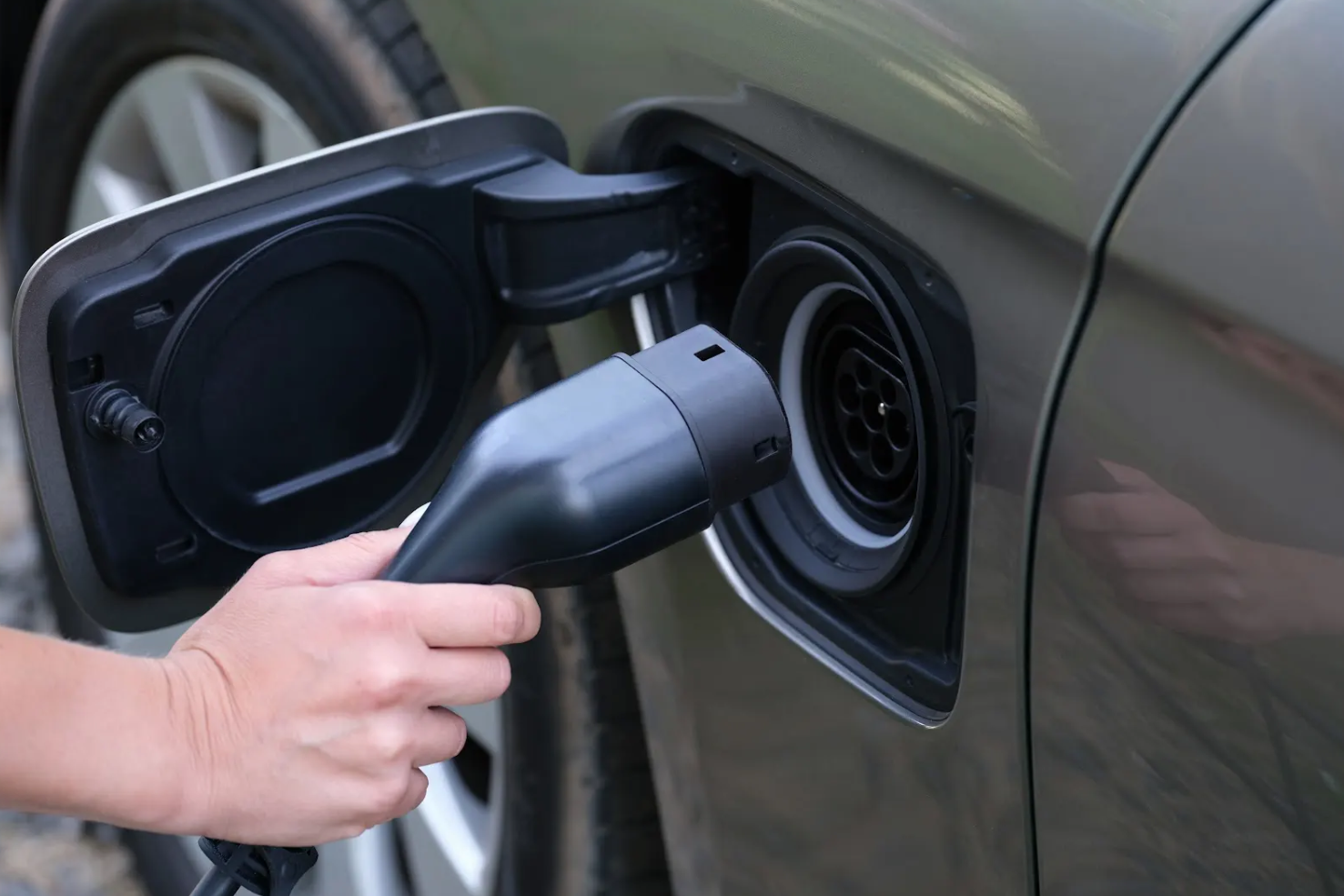
The North American Charging System (NACS), also known as the Tesla-style connector, is becoming increasingly common in the U.S. Many current and older non-Tesla EVs still use the J1772 connector for Level 2 charging, while CHAdeMO and CCS are associated with DC fast charging rather than typical home Level 2 charging. The right connector depends on your current vehicle and the vehicles you expect to own in the future. Choosing a charger with the correct connector or a manufacturer-approved adapter can help you get more long-term value from your installation.
The Dual-Charging Station Option
Dual-charging stations require an additional investment that can be worth it long-term. They’re particularly useful for multi-vehicle households that want to charge two EVs. Your electrician can help determine whether your electrical panel can support simultaneous charging or whether a load-sharing charger is a better fit.
Think About Cable Management Ahead of the Purchase
While easy to overlook early on, cable management can have a dramatic effect on your day-to-day experience. Don’t purchase more cable length than you need, as it adds cost and can create inconvenience for little benefit. Consider the cable management system that your EV charger comes with or that you’ll add. EV charger cable retractors are an added cost but can save you time and help keep the charging area cleaner and safer.
The Advantages of Smart vs. Basic EV Chargers
While basic chargers are less expensive, the price differences continue to shrink. Smart chargers add convenience because they allow remote access and control through your phone. They provide convenience and peace of mind during charging when you’re not around.
Other EV charger smart features to consider include:
- Scheduling
- Dynamic load balancing
- Time-of-use optimization
- Automatic over-the-air updates
Custom EV Charger Installation Throughout Evansville and the Surrounding Areas
If you’d like to upgrade your home with an EV charger, trust the experts at Mister Sparky® in Evansville, IN. We deliver the local experience you need from a national brand. Our electricians can evaluate your home’s electrical system, explain your charger options, and complete a code-compliant installation. We back our electrical services with a 100% satisfaction guarantee and focus on clear, straightforward pricing. To schedule an appointment, call Mister Sparky® in Evansville today or book online through our website.