
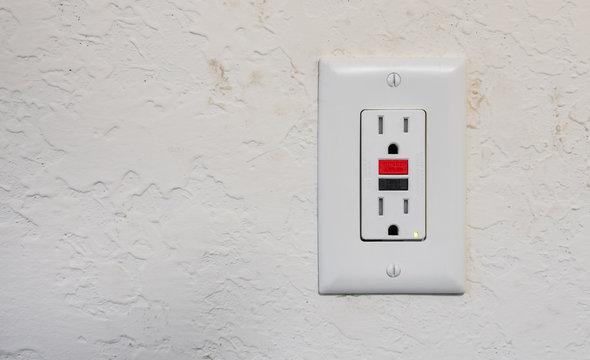
Homes rely heavily on electricity for everything from lighting to appliances. While electricity powers daily life, it also carries risks such as shock and fire. GFCI and AFCI technologies provide important layers of protection that help improve electrical safety for New Jersey homeowners.
What Are These Electrical Safety Technologies?
GFCI stands for ground fault circuit interrupter. AFCI stands for arc fault circuit interrupter. Both are specialized safety devices designed to reduce electrical hazards. GFCIs work by detecting small imbalances in electrical current between the hot and neutral conductors. If the device senses a difference, typically around 4 to 6 milliamps, it quickly interrupts power to help reduce the risk of electric shock.
AFCI protection is designed to help prevent electrical fires. These devices detect dangerous arc faults, which occur when electricity jumps across loose or damaged wiring connections. Arc faults can result from aging wires, damaged insulation, or loose terminals. When unsafe arcing is detected, the AFCI trips the circuit to reduce the risk of ignition.
Outlets vs. Circuit Breaker Protection
Both AFCI and GFCI protection are available as receptacles (outlets) or as circuit breakers. Many homeowners are familiar with GFCI outlets that include test and reset buttons. These protect that individual outlet and, when wired properly, downstream outlets on the same circuit.
Protection can also be installed at the electrical panel using circuit breakers. Breaker-based protection covers the entire branch circuit. Some breakers provide only AFCI or only GFCI protection, while dual-function breakers combine both technologies in one device.
Why Do Codes Require This Protection?
The National Electrical Code (NEC) is the widely adopted electrical safety standard used throughout the United States. New Jersey follows the NEC as part of its Uniform Construction Code. These requirements are enforced during new construction, renovations, and certain electrical upgrades.
The NEC requires GFCI protection in areas where moisture increases the risk of shock. This includes bathrooms, kitchens (countertop receptacles), laundry areas, unfinished basements, crawl spaces, garages, and outdoor outlets. GFCI protection can be provided at either the receptacle or breaker level.
AFCI protection is required for most 120-volt, 15- and 20-amp branch circuits supplying habitable rooms such as bedrooms, living rooms, dining rooms, hallways, and similar spaces. In many modern installations, kitchens and laundry areas also require AFCI protection. Garages are typically not required to have AFCI protection, though local interpretations may vary.
Why Homeowners Should Care
Having proper GFCI protection significantly reduces the risk of serious electrical shock, especially in moisture-prone areas. AFCI protection reduces the risk of electrical fires that can start inside walls due to damaged wiring or loose connections.
In addition to improving safety, ensuring your home meets current code standards can help protect property value and avoid inspection issues during renovations or resale.
Retrofitting Existing Homes
Newer homes are typically built to current code standards. However, older homes may not include AFCI protection and may have limited GFCI coverage. While existing homes are not always required to be fully updated unless renovations are performed, upgrading protection is often recommended for improved safety.
Our team can retrofit homes with GFCI and AFCI protection at either the outlet or breaker level, depending on your panel type and budget. Keep in mind that when certain electrical upgrades are performed, current code requirements may apply to the modified circuits.
Common Homeowner Misunderstandings
A common misconception is that every outlet in the home must have both GFCI and AFCI protection. In reality, code requirements depend on the location and type of circuit. Not every room requires GFCI protection, and not every space requires AFCI protection.
Another misunderstanding is that AFCI and GFCI devices interfere with each other. Modern dual-function breakers are designed to provide both protections simultaneously and are commonly used in new construction.
Perform Regular Testing
GFCI receptacles and breakers should be tested periodically using the built-in test button. Many manufacturers recommend monthly testing. Pressing the test button should interrupt power to the protected circuit or outlet. After verifying that power has been interrupted, pressing the reset button should restore it.
If the device does not trip when tested or fails to reset, it may be malfunctioning and should be evaluated by a licensed electrician.
Expert Electrical Installation Services
Mister Sparky® offers professional electrical installation services throughout Ocean County, NJ, and surrounding areas. Our licensed electricians can assist with GFCI and AFCI upgrades, panel improvements, repairs, and inspections. Contact us today to schedule an appointment.