
New Jersey summers can bring high heat, heavy humidity, and increased demand on home cooling equipment. As that happens, it can put significant strain on the local electrical grid. It can also put added strain on your home's electrical system, especially if your panel, wiring, or circuits are older or already near capacity. As a result, it isn't unusual for homes here to run into a few common electrical problems in the summer. Here are a few of the most frequent summertime electrical issues and what to do about them.
Overloaded Circuits During Peak AC Demand
On the hottest summer days, your home's AC may run for long periods to keep your home cool. When that happens, it creates a steady power draw. Depending on your home's total electrical service and the other devices demanding power, circuits can become overloaded. That's especially common if you use window ACs, which can share circuits with other high-draw devices.
You may notice symptoms such as dimming or flickering lights, warm outlets, tripped breakers, or appliance motors running slowly. These issues can indicate that your home needs electrical upgrades to accommodate modern demand. It could need a dedicated circuit, a service upgrade, a new electrical panel, or targeted rewiring. Our electricians can inspect your home's electrical system and advise you on what's needed.
Electrical Panel Issues and Frequent Breaker Trips
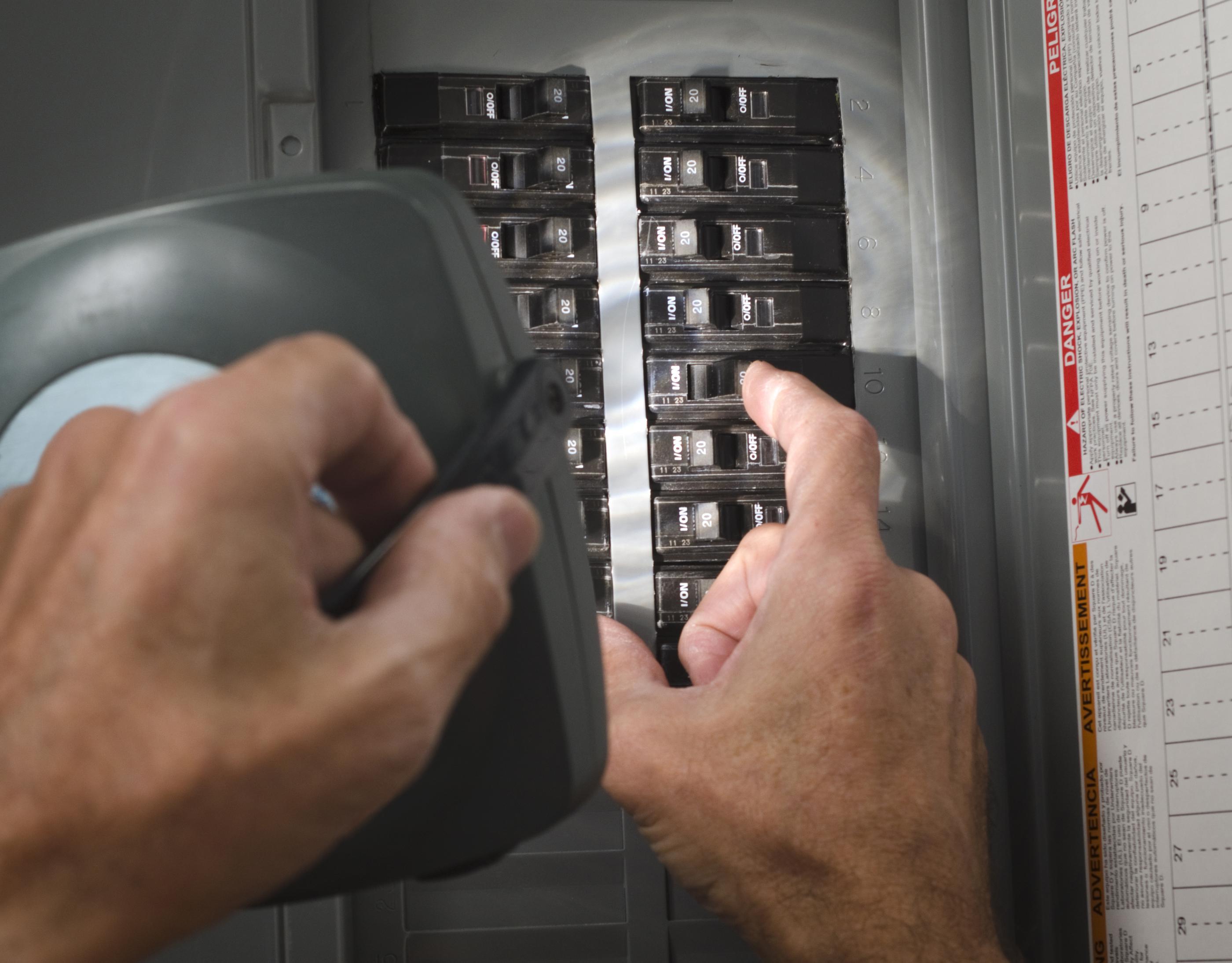
Another side effect of heavy electrical demand is that it can reveal problems with an older or heavily worn electrical panel. High electrical loads, loose connections, aging components, and summer heat can all contribute to excess heat in an electrical system. If your electrical panel is outdated or overloaded, it may struggle to keep up safely. If you experience frequent breaker trips, multiple breakers tripping, buzzing sounds, burning odors, or visible heat damage, your panel needs professional attention.
Be especially alert if your home has a Federal Pacific or Zinsco electrical panel. Both have a history of safety concerns, including overheating and circuit breakers that may fail to trip properly. If your home has either type of panel, you should have it evaluated by a licensed electrician and replaced if recommended.
Blackouts and Brownouts
In extreme heat, the electrical grid can experience major demand surges that create challenges for operators. Heavy air conditioning use, storm damage, and equipment strain can all contribute to outages or voltage fluctuations. The result can be a blackout lasting anywhere from a few moments to several hours.
High heat can also contribute to brownout conditions, which occur when the voltage coming into your home drops. When that happens, your lights may dim, and your AC or other motor-driven equipment may struggle to start. Low-voltage conditions can also be hard on sensitive electronics and appliances. If you notice repeated dimming, unusual equipment behavior, or power quality problems, turn off sensitive devices when safe to do so and call an electrician for guidance.
Damaged Outlets
Heavy electrical demand can reveal weak points in your home's electrical system. In some cases, worn outlets, loose wiring, overloaded circuits, or poor connections can generate heat and create a safety concern. You may notice scorch marks on your outlets or hear buzzing, alerting you to the problem. You may even feel heat coming from an outlet when you plug something in.
If you ever suspect a problem with an outlet in your home, stop using it right away. If it's safe to do so, unplug anything connected to the outlet. Otherwise, turn off the circuit breaker powering the outlet. Then, schedule a visit from an electrician to have the outlet inspected, repaired, or replaced.
Outdoor and GFCI Outlet Failures
If you're like many New Jersey homeowners, you likely host plenty of outdoor gatherings in the summer. It's at those times when you'll use your home's outdoor outlets. That usage can highlight malfunctions in those outlets stemming from moisture, corrosion, aging parts, poor sealing, or wiring issues.
Excess humidity paired with summer storms can cause GFCI outlets to trip if moisture creates a ground-fault condition. If you live along the coast, salty sea air can also contribute to corrosion inside outdoor electrical components, leading to failure under load. And if you have older or poorly sealed outdoor outlets, they may short-circuit due to water infiltration.
If you're experiencing problems with outdoor outlets, it may be time for repairs and upgrades. Outdoor outlets should be GFCI-protected and weather-rated where required. You may also want in-use covers installed to help keep moisture away from your outlets while you're using them. And if the wiring supplying your outdoor outlets is outdated or damaged, replacing it can improve safety and reliability.
Summer Storms and Lightning Strikes
Often, heat waves here in New Jersey come with severe thunderstorms. Those storms can increase the odds of nearby lightning strikes. Direct or indirect lightning strikes can send high-voltage power spikes into your home.
Summer storms can also lead to grid fluctuations and power outages, and power restoration may bring additional voltage spikes. These surges can damage appliances, computers, smart home devices, and sensitive electronics.
The installation of a whole-home surge protector can help defend your home from many common power surges. These devices install at your home's electrical panel, where they help redirect excess voltage away from your wiring, appliances, and devices. While no surge protector can guarantee protection from every lightning event, whole-home surge protection can reduce the risk of damage from many voltage spikes.
Overloaded or Outdated Wiring
If your home dates to the 1970s or earlier, its wiring may struggle under heavy summertime power loads. That's especially important if your home still has older wiring types, such as knob-and-tube wiring in much older homes or aluminum branch-circuit wiring in some homes from the mid-20th century. If your home has ungrounded outlets, that's a clear sign that your electrical system may be outdated.
Older wiring, on its own, isn't always an immediate safety issue. However, heavy electrical demand, aging insulation, loose connections, and outdated circuit protection can create hazards. If your electrical system was not designed for today's cooling equipment, electronics, and appliances, it may be time to consider upgrades. Having your wiring inspected can help determine whether targeted repairs, new circuits, panel upgrades, or rewiring are needed to bring your home closer to modern safety and performance standards.
Preventing Summertime Electrical Issues in Your New Jersey Home
If you're concerned about whether your home's electrical system can handle the summer heat, don't wait to act. Schedule an electrical inspection by one of our licensed electricians. They'll let you know if any parts of your home's electrical system require repairs or upgrades. They'll give you an honest opinion and explain the pros and cons of leaving upgrades undone.
If your home needs electrical alterations or upgrades, Mister Sparky® can help. We'll create a plan to perform your necessary upgrades while minimizing disruption to you and your home. From service and electrical panel upgrades to whole-home rewiring, we can handle it all. If you need financing to afford the work, special financing may be available on approved credit.
We have a team of licensed local electricians who understand the common electrical challenges New Jersey homeowners face. We also offer straightforward pricing and a 100% satisfaction guarantee. So, if you need help preparing your New Jersey home's electrical system for the summer heat, contact Mister Sparky® of Ocean County, NJ today!