
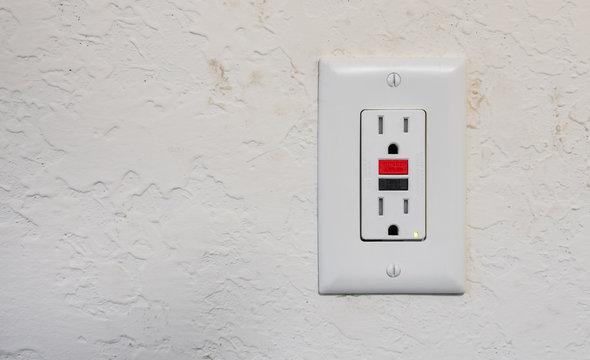
New Haven experiences cold temperatures and stormy weather throughout the winter months. With shorter days and increased indoor activity, your electrical system often works harder to power lighting, heating equipment, and electronics. With this increased demand comes a greater risk of electrical shocks and fire hazards. Having proper GFCI and AFCI protection plays a critical role in enhancing your home’s safety throughout the winter months.
During winter, homeowners also rely more heavily on space heaters, electric blankets, and other supplemental heating devices. These items can place additional strain on your electrical system, especially in homes with older wiring. Proper electrical protection helps ensure these devices operate more safely.
GFCI Protection
GFCI stands for ground fault circuit interrupter. It’s a safety device designed to protect against electrical shock. These devices monitor the electrical current flowing between the hot and neutral conductors. If the GFCI detects an imbalance as small as 4 to 6 milliamps, it shuts off power within a fraction of a second.
This fast response is key to preventing serious electrical shock. GFCI protection is available in both receptacle (outlet) form and circuit breakers. A GFCI outlet can protect that individual receptacle as well as downstream outlets wired to it. A GFCI circuit breaker protects the entire branch circuit.
The National Electrical Code (NEC) requires GFCI protection in areas where electricity and water are likely to come into contact. This includes bathrooms, kitchens (for countertop outlets), laundry areas, garages, unfinished basements, crawl spaces, and outdoor outlets. Bedrooms and living areas typically do not require GFCI protection unless specific conditions apply.
AFCI Protection
AFCI stands for arc fault circuit interrupter. It is designed to reduce the risk of electrical fires caused by dangerous arcing. Electrical arcing occurs when electricity jumps across damaged, loose, or deteriorated wiring connections. This can happen due to aging wiring, loose terminals, damaged insulation, or punctured cables.
Standard circuit breakers are designed to respond to overloads and short circuits, but they may not detect lower-level arcing conditions that can generate heat and ignite nearby materials. AFCI devices are specifically engineered to detect these arcing patterns and shut off the circuit before a fire can start.
Under current NEC requirements, AFCI protection is required for most 120-volt, single-phase branch circuits supplying living areas in new construction and major renovations. However, many older homes in New Haven may not have AFCI protection installed.
Why Homes Need Both Safety Technologies
Homes benefit from having both AFCI and GFCI protection because they guard against different hazards. GFCIs protect people from electrical shock, while AFCIs help protect property from electrical fires. Combination AFCI breakers (often called dual-function breakers) provide both types of protection in one device.
Using both technologies together provides broader protection against risks related to moisture, aging wiring, and increased electrical demand — all of which can be more noticeable during winter.
Why Winter Brings More Severe Conditions
While GFCI and AFCI protection are important year-round, winter can place added stress on your electrical system. Cold New Haven winters mean more time indoors and greater reliance on lighting, heating equipment, and appliances.
Increased electrical usage can stress wiring and connections, especially in older homes. As temperatures drop, metal wiring can contract slightly, which may contribute to loosening already weak or aging connections. Loose connections are one of the common causes of electrical arcing.
Additional seasonal electrical loads, such as holiday lighting and portable heaters, can further strain circuits that may already be near capacity. AFCI protection helps reduce the fire risk associated with damaged cords, loose connections, or deteriorating wiring.
Winter weather also brings snow, sleet, and ice, which can introduce excess moisture around garages, basements, entryways, and outdoor outlets. Moisture increases the likelihood of ground faults, which occur when electricity unintentionally travels outside its intended path. GFCI protection is especially important in these locations to reduce shock hazards.
Getting Adequate Protection at Your Home
Winter conditions can increase the risk of electrical fire or shock, particularly in homes with older panels or outdated wiring. Installing AFCI and GFCI protection can significantly reduce that risk. Many homeowners choose dual-function breakers to add both protections at the panel.
Like all safety devices, AFCI and GFCI breakers and outlets should be tested regularly. Most devices include clearly marked test and reset buttons. Pressing the test button should interrupt power to the protected circuit. After confirming power has been shut off, pressing reset should restore it.
If the device does not trip when tested or fails to reset properly, it may be malfunctioning and should be evaluated by a licensed electrician. Prompt replacement ensures your protection remains intact.
Pre-Winter Electrical Inspection
Scheduling an annual electrical inspection is another proactive way to protect your home and family. During an inspection, a licensed electrician can evaluate your panel, breakers, wiring, and outlets for signs of wear, loose connections, improper installations, or outdated components. Identifying concerns early can help prevent winter-related electrical issues.
Exceptional Electrical Installation Services
Mister Sparky® provides professional electrical installation, repair, and inspection services throughout the New Haven, CT community. Whether you need to upgrade your panel, add GFCI or AFCI protection, or schedule a comprehensive inspection, our licensed electricians are ready to help. Call today to book your next service appointment.