
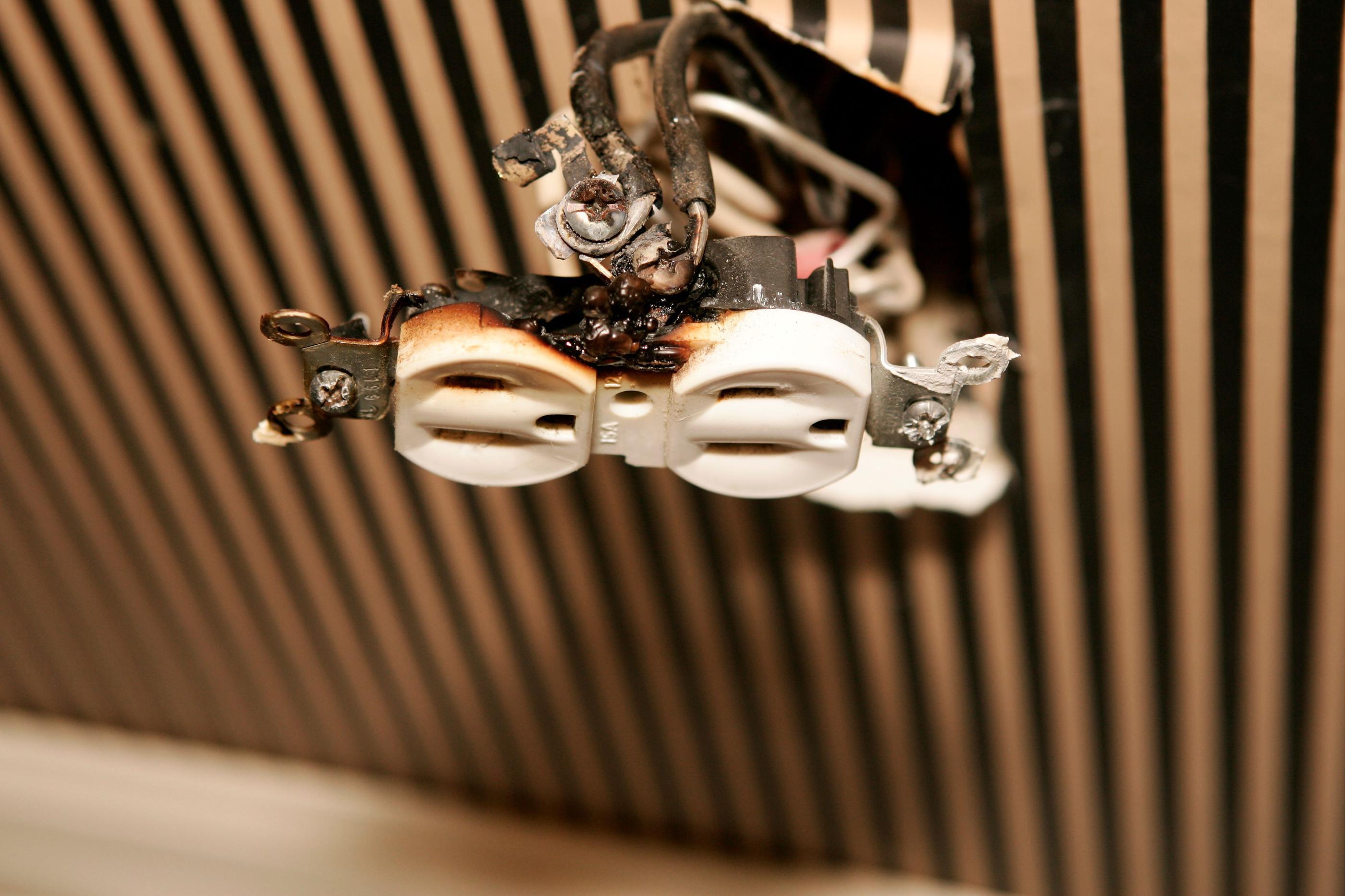
There are plenty of household repairs that can be safely tackled with a few tools and some online research, such as replacing a faucet or fixing a running toilet. But electrical work? That’s one area where “do-it-yourself” can lead to serious risks. While it may seem tempting to save a few dollars by swapping out an outlet or light fixture yourself, the dangers of DIY electrical projects often outweigh any short-term savings. Improper wiring, loose connections, or overlooked safety steps can result in shock, fire, or long-term damage to your home’s electrical system.
Safety Hazards
The biggest concern with DIY electrical work is the potential for safety hazards. Even something that seems simple, like replacing a light switch or an outlet, can be risky. Turning off the correct breaker, or even the main breaker, reduces danger, but it doesn’t eliminate it. Circuits can be mislabeled, share neutrals, or retain charge in capacitors. Without the right tools to verify that the power is truly off, there’s still a chance of electrical shock or injury. Wiring mistakes are another serious concern. Incorrect or loose connections can cause resistance heating and voltage arcing, a combination that can melt insulation, damage switches and outlets, and even start fires. Arcing produces extreme heat that can ignite nearby materials or melt the surrounding plastic components. These hidden problems may not show up right away, but can quietly increase your risk of electrical fires over time.
Insurance Complications
Homeowners insurance companies are cautious about DIY electrical work. While most policies cover electrical fires, insurers can deny claims if they determine the damage was caused by unlicensed or improper work. That means if you perform electrical repairs yourself and something goes wrong, your claim could be denied, leaving you to pay out of pocket for costly repairs. Policies vary by provider, but many include language that limits coverage for work performed by someone without the proper license or permits. Even if a fire or electrical failure was accidental, an insurance adjuster could classify it as negligence if it resulted from unqualified electrical work. Worse yet, a denied claim could cause your insurer to label you as “high risk,” leading to higher premiums or policy cancellation. Licensed electricians, on the other hand, carry liability insurance to cover any damage resulting from their work. If a licensed contractor’s mistake causes a problem, your insurer can work directly with their insurance provider to resolve the issue, saving you the financial stress of footing the bill.
Liability Issues
If DIY electrical work causes a fire that spreads to neighboring properties or results in injury, you could face major liability. Property damage, medical expenses, and lost wages are just a few of the costs that might come out of your pocket. In cases involving injury or death, homeowners could even face civil lawsuits or criminal charges such as negligent endangerment. It’s not worth the risk when a professional electrician can handle the job safely and by the book.
Permit Requirements and Code Violations
Permit rules vary by city and county, but in most areas, any electrical work that goes beyond simple, like-for-like fixture replacement requires a permit and inspection. This includes adding circuits, extending wiring, or altering existing connections. Even small upgrades — like running an extra outlet or piggybacking on an existing wire- can require official approval to ensure the work complies with code. Performing unpermitted or noncompliant electrical work can lead to fines and reinspection requirements, and in severe or repeat cases, legal penalties. If the local building department discovers unlicensed work, they can require you to hire a licensed electrician to redo the job and bring it up to code. Major violations could even make your home temporarily uninhabitable until repairs are made. Unpermitted work can also cause trouble when it’s time to sell your home. While the National Electrical Code (NEC) only applies to new or substantially renovated systems, improper or unsafe wiring discovered during an inspection can delay a sale or reduce your home’s value. A buyer may request that you pay for the repairs before closing or put funds into escrow to address the problem after purchase.
Experienced Electricians Can Make a Difference
When it comes to your home’s electrical system, it’s always better to play it safe. Licensed electricians have the training, experience, and equipment to perform electrical work safely, efficiently, and up to code. They’ll also ensure that all necessary permits and inspections are handled correctly, protecting your home, your family, and your insurance coverage. If you’re looking for a reliable, licensed electrical contractor in the New Haven area, look no further than Mister Sparky®. From electrical repairs and installations to panel upgrades, rewiring, and safety inspections, we handle it all. Plus, our 24/7 emergency service means we’re here when you need us most. Contact Mister Sparky® of New Haven today, and we’ll keep your lights on and your home safe.