
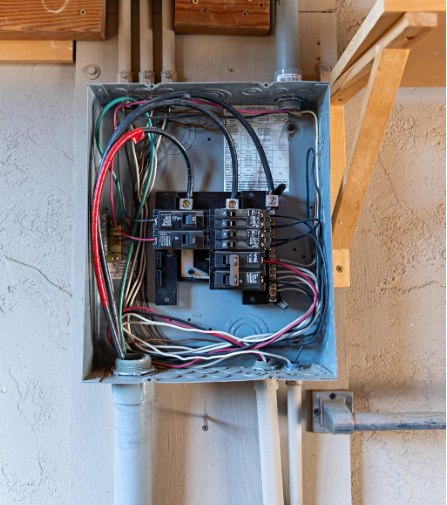
Key Takeaways About Electrical Panel Replacement
An electrical panel replacement is the process of updating the home's main distribution equipment to restore safety and capacity. This summary is for homeowners and property managers who notice warning signs or plan higher electrical demand and need clear next steps.
- Identify visible damage such as burn marks melting or corrosion.
- Prevent fire risk by scheduling a professional inspection promptly.
- Avoid DIY fixes when live parts or arcing are suspected.
- Spot capacity limits by tracking frequent breaker trips and flickering.
- Reduce hidden failures with thermal imaging and load measurements.
- Plan upgrades based on load calculations future appliance needs.
Introduction
Older electrical panels can cause frequent breaker trips, dimming lights, and unsafe wiring conditions that homeowners should not ignore. In many houses the problem starts as insufficient capacity for modern loads like HVAC, electric stoves, and charging stations. Overheating, corrosion, and recalled panels create real fire and equipment risks if left unattended. For homeowners in Conway, SC spotting these signs early can prevent costly damage and safety hazards.
Outdated panels often show physical clues such as burn marks, melted insulation, and a persistent burning smell near the service panel. You might also notice breakers that feel hot to the touch or that fail to reset after a trip. These symptoms usually point to aging components, loose connections, or circuits that exceed design limits. In Myrtle Beach, SC properties with high humidity, corrosion can speed deterioration of panel parts.
Capacity issues can appear as frequent use of extension cords, overloaded power strips, and multiple appliances on one circuit. Appliances that cycle more often or lights that flicker when motors start also hint at insufficient service capacity. These operational signs often precede more serious electrical failures and should prompt a professional inspection. Addressing capacity limits can improve safety and restore reliable power to daily appliances.
A professional will confirm problems through visual inspection, voltage and load measurements, and checking for known recall issues on panel brands. They will look at grounding conductors, AFCI and GFCI protection, and breaker condition to form a diagnosis. If evidence of overheating or recalled components exists, replacement often provides the safest outcome. Acting on early signs helps protect people, property, and sensitive electronics from avoidable harm.
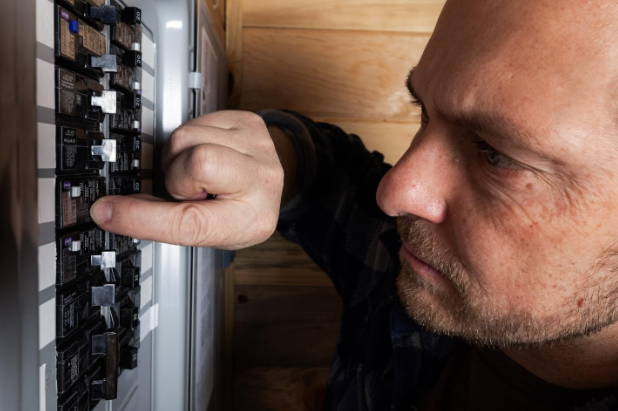
Photo from iStock - Credit: Charles Wollertz
How Electrical Panels Work and Why It Happens
Understanding home electrical system, an electrical panel is the home's central hub that distributes electricity and protects circuits from overloads.
- The main breaker controls overall power to the house.
- Individual breakers protect single circuits from overloads.
- Grounding conductors carry fault current safely away.
- AFCI and GFCI devices add specialized protection.
Current flows from the service meter into the main breaker and then into branch circuits through circuit breakers rated for specific loads.
Overloads happen when connected devices draw more current than a breaker or conductor is rated to carry, which can cause heat and damage over time.
Professionals diagnose issues by visually inspecting connections, measuring voltage and load with a meter, and testing breaker trip behavior under controlled conditions.
Signs Your Panel Is Overheating or Arcing
You may notice a buzzing, crackling, or popping sound coming from the panel when circuits switch on or off. These noises often indicate arcing that wears contacts and creates heat where metal parts meet. A qualified electrician will open the panel and look for pitted breaker contacts, loose screws, or charred bus bars during a diagnosis. If arcing is present, the inspector can record voltage readings and take photos to document the damage.
Another sign is recurring warm spots on the panel cover or breakers that feel hot to the touch shortly after use. Heat often results from loose connections, undersized conductors, or breakers nearing end of life rather than correct operation. During an inspection a technician uses a thermal camera or temperature probe to map overheated areas and to pinpoint failing components. Those temperature readings help decide if targeted repairs or full electrical panel replacement is safer.
Visible rust, corrosion, or moisture inside the enclosure can accelerate overheating and lead to arcing when metal parts degrade. High humidity in coastal areas can cause corrosion that hides under breaker housings and at terminal points. Professionals will remove breakers and inspect for white powdery corrosion, measure insulation resistance, and verify grounding conductor integrity. For homeowners in Conway, SC addressing corrosion quickly prevents escalated damage and reduced protection.
Burn marks, melted insulation, or a persistent burning smell should prompt immediate action and an expert evaluation. Technicians will check for loose neutral or ground connections and perform a load test to see if circuits draw excessive current. In Myrtle Beach, SC properties with salt air exposure, these inspections can reveal hidden weaknesses that increase arcing risk. If inspections confirm hazardous conditions, electrical panel replacement or a certified repair protects the home and occupants.
Capacity Problems and Frequent Breaker Trips
Frequent breaker trips often signal that branch circuits regularly draw more current than their breaker ratings allow, not just a single faulty device. A technician will perform a load calculation using measured amperage on each circuit and compare results to breaker and conductor ratings. They may also inspect wiring for shared neutrals or multi-wire branch circuit errors that cause unexpected trips.
Capacity problems can stem from an undersized main service or too few dedicated circuits for high-demand appliances like electric ranges or HVAC compressors. During diagnosis a professional measures service amperage at the main and records voltage under load to spot voltage drop and imbalance. They will check for sequential tripping patterns and test electrical devices to rule out nuisance trips. This process determines if simple redistribution of loads or panel expansion will solve the issue.
Older panels sometimes lack space for new breakers, forcing installers to use tandem or substandard breakers that trip more often under modern load patterns. An electrician inspects breaker labels, verifies bus bar compatibility, and checks for double-tapped neutrals that create overload conditions. If breakers are at capacity, the inspector will create a written report showing circuit loads and recommended upgrades to meet current demand. This diagnosis guides whether electrical panel replacement or adding a subpanel makes the most sense.
Frequent trips can also indicate failing breakers that no longer hold rated current, even if wiring is correct and loads are within limits. A professional uses a clamp meter to compare measured current against breaker trip behavior and may swap suspected breakers to test repeatability. They will also examine grounding conductors and neutral connections because loose neutrals cause intermittent trips and appliance damage. Clear test results help homeowners choose targeted repairs or a full replacement.
When multiple circuits trip together, the issue may be at the main lug, neutral bus, or shared panel component rather than individual breakers. Inspectors will check the main breaker operation, torque on service lugs, and bus bar condition, documenting findings with photos and voltage readings. These diagnostics inform a safe recommendation for electrical panel replacement when capacity or component failure threatens reliable service. For further planning homeowners can ask about adding dedicated circuits or upgrading service capacity.
Obsolete Panels and Manufacturer Recall Risks
Certain legacy panel models carry documented safety risks because of design flaws or poor contact materials that age poorly. Manufacturers sometimes issue recalls for specific panel and breaker models after fire reports or failure investigations. A technician checks panel labels, breaker part numbers, and visible serial markings to confirm if a unit matches a recalled model. If a match exists, the professional documents findings with photos and written notes for the homeowner.
- Look for manufacturer name on the interior label.
- Record breaker model numbers for comparison.
- Note any burn marks or melted plastic near breakers.
- Take clear photos of labels and terminal areas.
- Keep inspection notes with date and inspector name.
Homes with recalled panels often show intermittent failures that mimic normal overloads but lack a clear cause. An electrician performs continuity tests and measures voltage under load to rule out transient wiring faults. They will also inspect the neutral and grounding conductor connections and verify torque at lug points. Those diagnostic steps help determine whether a targeted part replacement or full electrical panel replacement is required.
Some recalled components become unsafe when paired with modern high-demand appliances and EV chargers. Professionals evaluate the panel's compatibility with planned future loads during inspection and advise on upgrade necessity. For properties in Myrtle Beach, SC technicians pay attention to corrosion that can hide recall-related damage inside breaker housings. Clear documentation of recalled parts speeds replacement and ensures safer service decisions.
When recalls apply, homeowners should prioritize corrections to reduce fire risk and equipment damage. A licensed electrician can source compatible replacement breakers or recommend a new panel when fixes are insufficient. For Conway, SC residents, keeping inspection records may help with insurance or resale disclosures. Acting on recall findings protects occupants and avoids unpredictable failures in daily electrical use.
Electrical Panel Replacement Options and Costs
When considering electrical panel replacement homeowners typically choose between a like-for-like swap, a panel with more breaker spaces, or a service upgrade to higher amperage. An electrician will review the home’s load needs and present options that match expected future additions like HVAC or whole home surge protection. The installer evaluates the existing service conductor size and meter compatibility before recommending a specific upgrade path. For Conway, SC residents this step clarifies whether minor panel work or a larger service change is required.
A common option is replacing the old enclosure with a modern 40- or 60-circuit panel while keeping the same service amperage if the service conductors and meter allow it. This solution adds breaker capacity and room for AFCI and GFCI devices without changing utility connections. The professional will check bus-bar compatibility and whether tandem breakers are acceptable for the new panel during the inspection. Written estimates typically list parts, labor, and permit needs when a replacement of this type is proposed.
When a full service upgrade to 200 amps or higher is necessary, electricians replace the meter, service mast or conduit, and the main breaker assembly as part of the project. This option supports electric ranges, large heat pumps, or planned EV charging and reduces use of extension circuits. During diagnosis the technician measures peak load and documents voltage stability to justify the upgrade. Myrtle Beach, SC homeowners often consider capacity upgrades when planning long-term appliance additions or remodels.
Costs vary with complexity, panel brand, permit fees, and whether new grounding or conductor work is required, so homeowners should expect a detailed breakdown from their electrician. Professionals often include inspection photos, load calculations, and written recommendations to support the chosen option and any permit application. A clear proposal helps homeowners compare replacement choices, timelines, and which circuits will be temporarily shut down during work. Always ask the electrician how they test the new installation, including voltage readings and breaker operation checks after completion.
When Homeowners Should Call a Professional Service
If you notice persistent odd sounds or you cannot safely reset breakers, call a licensed electrician in Myrtle Beach, SC to inspect promptly. A technician will perform hands-on checks like voltage measurements, torque testing at lugs, and continuity tests to confirm a diagnosis. They will also examine grounding conductors and AFCI/GFCI protection devices for correct operation and take photos for documentation. Avoid DIY fixes when diagnostics point to internal panel faults because live work carries shock and fire risks.
When breakers trip during predictable high-demand events, schedule a professional load evaluation rather than guessing at causes yourself. The electrician uses a clamp meter to record circuit currents over time and compares results to breaker ratings to determine overloads. They may also test individual branch circuits for shared neutrals or improper wiring that creates hidden overloads. These findings help decide whether a simple breaker swap or a full electrical panel replacement is necessary.
If the panel shows signs of corrosion, moisture, or interior damage, have a technician assess enclosure integrity and conductor condition without delay. Professionals remove breakers for close inspection, measure insulation resistance, and use thermal imaging to spot hot connections that are otherwise invisible. They will advise on repair versus replacement based on measurable deterioration and documented readings. For homeowners in Conway, SC, quick action reduces the chance of accelerated failure from coastal humidity.
Ask the electrician to check for recalled components and to provide a written report with labeled photos when they find suspect breakers or panels. This record supports decisions about replacement and can help with insurance or disclosure during sale processes. If you plan upgrades, discuss future loads like EV charging so the technician can size the service correctly during the replacement planning.
Preparing Your Home for Panel Upgrade
Clear communication with your electrician speeds work and reduces surprises on the day of the upgrade. Share a list of planned high-demand appliances and any recent electrical test reports you received. Ask which circuits will be shut off and for how long so you can plan appliance use and medical device needs. Confirm whether the technician needs attic or basement access to reach feeders before arrival.
- Clear path to the panel is required.
- Label critical circuits beforehand if possible.
- Remove valuables near the panel area.
- Arrange a shaded spot for technician tools if outside.
Expect short power interruptions while the crew disconnects and replaces equipment during an electrical panel replacement. Backup clocks and smart devices may need manual resetting after power returns to the panel. If you have surge protectors or whole-home surge equipment ask how they will be handled during the swap. Technicians typically verify voltage and test each breaker after restoration to ensure circuits function correctly.
Protect floors and belongings in the work area by moving rugs and covering furniture before work starts. The installer may need space to stage new components and tools near the service point. Keep children and pets away from the panel area while work proceeds to avoid accidental contact with tools or parts. Ask the electrician if they will provide a written checklist of circuits tested and any new breaker labeling they add.
After installation, request copies of test readings, photos, and the final inspection documentation for your records in Conway, SC. These documents help with insurance, resale, and future troubleshooting by showing measured voltages and load confirmation. Schedule a follow-up if you notice unusual noises, burning smells, or persistent trips after the upgrade. If you prefer, ask the technician about routine maintenance tasks to keep the new panel functioning safely in Myrtle Beach, SC.
Preventive Maintenance to Extend Panel Lifespan
Regular visual checks help extend panel life by catching small issues before they grow into failures. Inspect the enclosure for loose covers, bent mounting screws, or debris that could trap moisture. Look for discoloration or flaky metal at terminals that signals early corrosion forming inside the box. If you spot anything unusual, schedule a professional inspection rather than attempting live repairs yourself.
Keep breaker labels accurate and update them after any circuit changes to avoid accidental overloads during use. A labeled panel speeds troubleshooting and helps electricians isolate circuits quickly during diagnostics. Periodically test GFCI and AFCI devices according to manufacturer guidance to confirm protective behavior without opening the panel. If a device fails a manual test, set an appointment for a qualified technician to evaluate the protective device and surrounding wiring.
Maintain panel cleanliness and clearances so airflow and access remain unobstructed for safety and thermal performance. Wiping dust from the cover and keeping flammable materials away reduces fire risk and lets thermal checks work properly. During seasonal maintenance, have professional perform torque checks on terminal connections to prevent loose connections that cause heat.
Track circuit performance by noting when breakers trip and what devices run at those times to help professionals diagnose underlying load issues. An electrician will use a clamp meter and perform a load calculation to confirm whether circuits operate within safe limits. Schedule periodic thermal imaging inspections to reveal hidden hot spots before they cause damage or arcing.













