
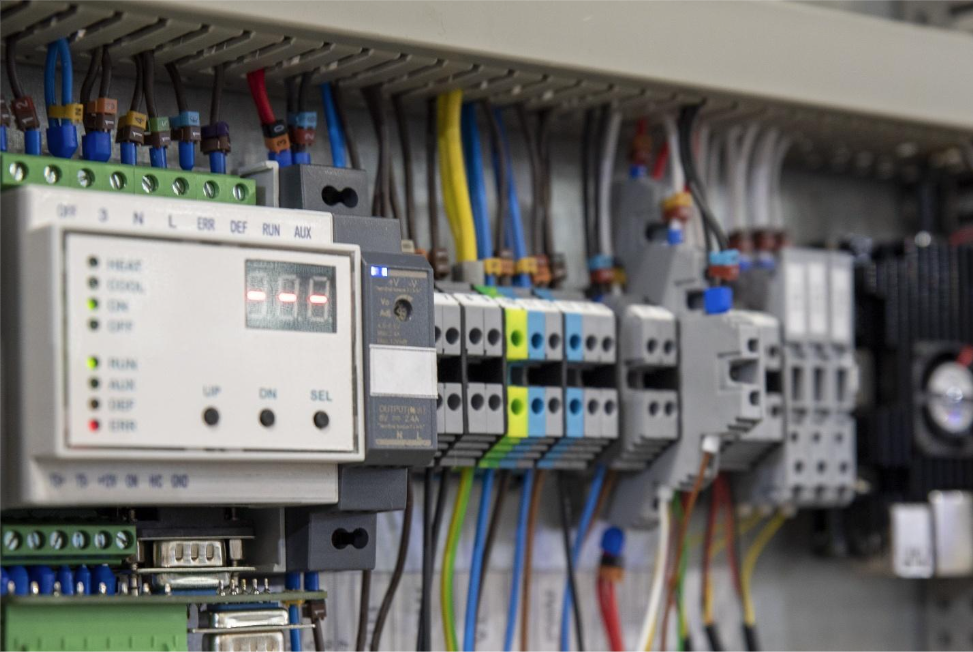
Key Takeaways About Whole Home Surge Protection
Whole home surge protection uses panel-mounted SPDs, good grounding, and point-of-use devices to limit damaging voltage spikes. This guide is for homeowners and property managers who want to protect electronics after storms or repeated utility events.
- Identify visible scorch marks or burning smells near panels and outlets.
- Prevent large incoming surges with a properly installed panel-mounted SPD.
- Avoid long ungrounded conductor runs that increase transient voltages.
- Spot intermittent device resets or erratic appliance behavior after storms.
- Reduce residual energy at sensitive loads with point-of-use protectors.
Introduction
Voltage spikes quietly damage electronics and appliances over time, and whole home surge protection stops those slow failures. Many homeowners notice flickering lights or devices that fail after storms or wiring work. Panel-mounted surge protective devices, along with good grounding, form the main defense for a home's electrical system. Ignoring surge protection can mean surprise replacements for expensive items like refrigerators and TVs.
Panel-mounted SPDs sit at the service panel to block large incoming surges before they reach branch circuits. These devices work best when paired with shorter, localized protection at sensitive equipment. Grounding quality affects how quickly and safely surge energy leaves the system, so poor grounding reduces SPD effectiveness. Homeowners often overlook grounding until an inspection reveals corrosion or loose connections.
Sensitive appliances such as HVAC controls, smart thermostats, and high-end entertainment gear respond poorly to even brief overvoltage events. Signs of past surge damage include burning smells near outlets, frequent circuit trips, or electronics that lose settings. A technician will check the service panel, grounding conductor, and SPD condition to confirm root causes. Quick detection limits repair costs and reduces the chance of repeated failures.
Properties in Conway, SC and Myrtle Beach, SC face the same electrical risk from lightning strikes and utility switching as anywhere else, so awareness matters. Professional diagnosis focuses on observable symptoms, voltage readings at the panel, and a visual inspection of grounding connections. If inspections show problems, a trained electrician can recommend layered protection tailored to the home and devices. Acting on those findings protects appliances and keeps systems operating reliably.
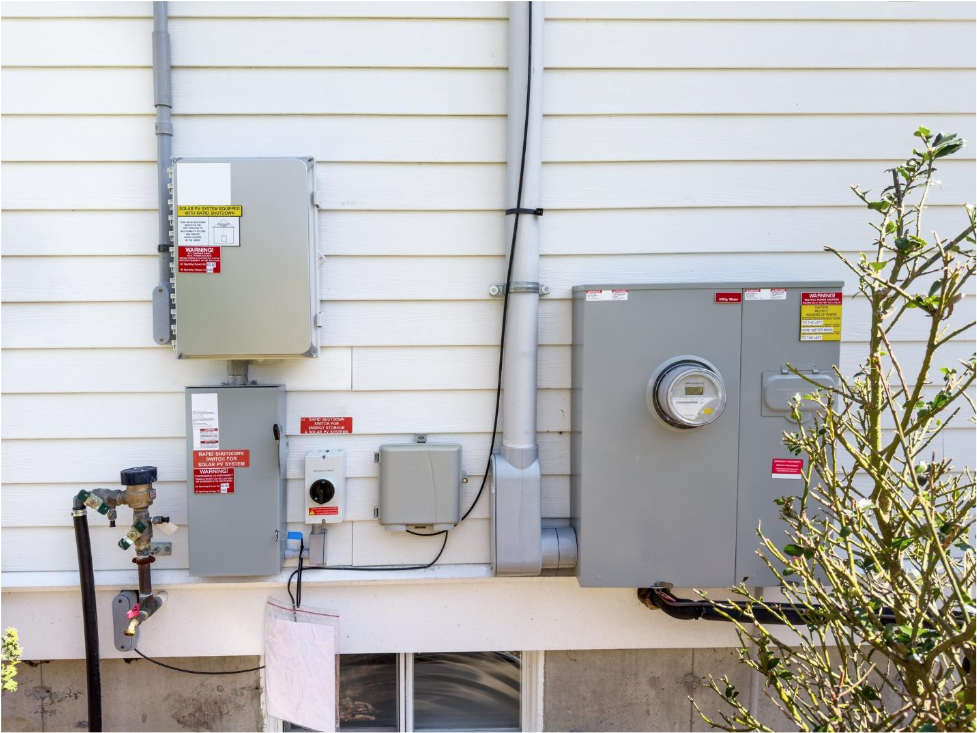
Photo from iStock - Credit: jsnover
How Whole Home Surge Protection Works and Why It Happens
Whole home surge protection is a system that reduces damaging voltage spikes across a house electrical system. A panel-mounted surge protective device, or SPDs, senses when incoming voltage climbs above safe limits and diverts excess energy away from branch circuits. Homeowners often ask, "Will this stop lightning?" A clear answer is that panel SPDs reduce many large surges but cannot guarantee total protection from a direct lightning strike.
- SPDs clamp voltage to a safe level.
- They divert surge current to grounding conductors.
- They protect downstream circuit breakers and wiring.
- They work faster than many older protection methods.
An SPD sits at the service panel to intercept surges at the point of entry before they split into branch circuits. Professionals test SPDs with voltage readings and visual inspection for burn marks and end-of-life indicators. A common homeowner question is how pros confirm effectiveness, electricians will record transient voltage readings and inspect the SPD status lights or labels. That diagnostic process helps decide if localized point-of-use protection is also needed.
Grounding quality directly affects how fast and safely surge energy leaves the system by providing a low-impedance path. Poor grounding or corroded connections slow surge dissipation and leave sensitive equipment exposed to higher transient voltages. During an inspection, a technician measures grounding conductor continuity and checks the service grounding electrode for tight, corrosion-free connections. In Conway, SC and Myrtle Beach, SC properties, visible corrosion or loose clamps are common triggers for corrective grounding work.
Surge protection works best as a layered strategy that includes a panel SPD plus shorter, device-level protection for sensitive appliances. A licensed electrician will confirm load side routing, test for correct SPD installation torque, and verify that the SPD rating matches the service voltage and fault current. If tests show poor grounding or incorrectly sized SPD components, the pro will recommend targeted repairs and additional protective devices. Scheduling a professional inspection helps homeowners reduce repair costs and extend appliance life.
Common Causes of Power Surges in Homes
Many surges start at the utility. Switching on or off large equipment at a substation or transformer can create brief overvoltages that travel down lines into homes. These events often occur without stormy weather and can repeat when the grid balances heavy loads. Homeowners may notice lights blink or clocks reset during these utility operations.
Internal household devices also cause surges when motors start or stop. Air conditioner compressors, well pumps, and refrigerator motors produce short voltage spikes on the same circuit that can stress nearby electronics. Repeated motor-generated transients shorten the life of sensitive control boards and power supplies in smart devices. A technician will look for correlations between appliance cycles and recorded voltage excursions during an inspection.
Wiring faults and loose connections create localized high-voltage events that mimic external surges. A poor connection at a junction box or a loose breaker screw can heat, arc, and send damaging transients through branch circuits. Visible signs include scorched outlet faces, warm cover plates, or a faint burning odor near panels or receptacles. During diagnosis, an electrician performs continuity checks and inspects terminations to find high-resistance points.
Lightning and switching from nearby structures remain unpredictable surge sources that can overwhelm simple protections. A direct strike creates enormous energy that can bypass many defenses, while nearby strikes induce surges on service conductors. For properties in Conway, SC and Myrtle Beach, SC, nearby lightning remains a real concern for electronics during storms. A professional will use transient voltage readings and visual evidence to judge whether the service entrance needs upgraded panel SPDs or supplemental point-of-use protection.
Warning Signs of Damaged Electronics and Appliances
Unusual behavior from appliances often signals surge-related damage before complete failure occurs. You might notice a refrigerator running louder than usual or an HVAC blower cycling irregularly after a voltage event. Electronics that restart, lose saved settings, or show corrupted displays suggest power-supply stress inside the device. If you smell ozone or faint burning near an appliance, stop using it and call a professional immediately.
Intermittent problems can point to failing control boards rather than total component destruction. For example, a smart thermostat that reboots during compressor start cycles may have a weakened power module. A technician will check voltage at the appliance receptacle and perform a continuity test on the circuit to confirm transient damage. They may also inspect circuit breaker tightness and look for discoloration at terminals as visual evidence.
Some signs show up first in small electronics before larger appliances fail, giving homeowners an early warning. Devices that lose network connections, flash error codes, or fail to charge reliably often have stressed internal power supplies. During diagnosis, an electrician records transient voltage readings at the panel and compares those with device failure timing to find correlations. Homeowners in Conway, SC should note repeated clock resets or device glitches after utility work or storms.
Pay attention to nuisance trips and AFCI or GFCI trips that become frequent without clear cause, since those can follow surge damage. A pro will perform insulation resistance checks and test grounding conductor continuity to evaluate if surges had a path to ground. Lost warranties or recurring replacements of the same device suggest an ongoing transient problem that layered whole home surge protection can address. For properties in Myrtle Beach, SC, documenting symptoms and getting a written inspection report helps prioritize repairs and protection upgrades.
Panel Mounted Surge Protectors and Layered Defense
A panel-mounted SPD reduces incoming surge energy at the service entrance so branch circuits see lower transient voltages. Technicians install the SPD as close to the main breaker as possible to shorten conductor runs and improve response time. Properly mounted units have clear status indicators and visible torque on connection points that a pro will verify. For homeowners in Conway, SC, checking those indicator lights after a storm gives a quick initial clue about SPD condition.
- Place the SPD at the main service panel.
- Short conductor runs improve surge diversion.
- Check status indicators regularly.
- Replace SPDs that show end-of-life indicators.
Layered defense means combining the panel SPD with targeted point-of-use protectors at vulnerable loads like entertainment centers and HVAC controls. A professional explains which circuits need device-level protection based on appliance sensitivity and wiring layout. They may recommend plug-in surge strips for single devices and hardwired protectors for equipment like boilers or EV chargers. This approach limits the energy that reaches control boards and power supplies inside sensitive appliances.
During diagnosis, an electrician records voltage transients at the panel and at sample branch circuits to confirm how well the layered system performs. They use a voltage logger or oscilloscope to capture short-duration spikes that simple meters miss. Visual checks include looking for burnt lugs, loose neutrals, and corrosion on grounding electrodes to ensure surge energy has a clear path away. If readings show persistent high transients, the pro will suggest relocating SPDs or adding additional stage protection.
Installation quality matters as much as SPD type when protecting expensive electronics and appliances in Myrtle Beach, SC homes. Technicians follow manufacturer torque specs, verify breaker compatibility, and confirm the SPD's nominal voltage matches the service. They also document test results and recommend repair actions in a written report you can use for decisions. If you suspect surge damage or need layered protection, schedule a professional inspection to get tailored recommendations without delay.
Grounding Quality Importance and What Pros Check
A solid grounding system gives surge energy a low-resistance route away from appliances and electronics, reducing stress on internal parts. Pros start by measuring grounding conductor continuity and resistance with a clamp-on tester or multimeter to confirm a continuous path. They visually inspect the grounding electrode, clamps, and bonding jumper for corrosion, loose fittings, or paint-covered connections that raise resistance. If any part shows high resistance, the electrician documents findings and recommends corrective grounding work to restore a low-impedance path.
Technicians also check bonding between the neutral and grounding system at the service point to ensure proper reference and fault clearing. They look for multiple grounding points tied correctly and verify that bonding jumpers are present where meters, panels, or subpanels require them. A professional may record voltage between neutral and ground under load to spot stray voltage that indicates poor bonding or shared neutrals. Written test results provide a clear basis for repair decisions and for prioritizing upgrades.
Pros confirm that the SPD can actually divert surge current to the grounding system by measuring short conductor lengths and verifying low loop impedance. They inspect SPD connections for tight torque and minimal wire length from SPD to the grounding bar to reduce inductance during a surge event. An electrician may use a voltage logger to capture transient behavior at the panel and compare readings before and after grounding repairs. These measurements show whether grounding improvements lower peak transient voltages seen downstream.
In older homes, visible corrosion on the grounding electrode or a missing bonding jumper often explains persistent surge damage, so corrective work focuses there first. For example, a homeowner in Conway, SC might find a buried electrode clamp corroded after visual inspection and need replacement to restore performance. After repairs, the pro repeats continuity and transient checks to confirm improvement and documents the results for the homeowner. If additional protection is needed, the electrician will recommend targeted point-of-use devices for vulnerable circuits in Myrtle Beach, SC.
Protecting Sensitive Appliances and Smart Devices
Sensitive appliances often need dedicated circuit protection beyond a panel SPD to limit residual transient energy near the device. A technician may recommend hardwired point-of-use protectors for HVAC control boards, refrigerators with electronic controls, or whole-home Wi-Fi routers to stop small spikes that degrade power supplies. During an inspection, the electrician checks outlet wiring, measures voltage stability under load, and confirms the protector rating matches the appliance's nominal voltage. If point-of-use devices are added, professionals place them close to the protected equipment to minimize wiring length and inductance.
Smart devices react poorly to repeated small transients that never trip breakers but slowly damage internal components and memory. An electrician will monitor device power lines with a voltage logger or oscilloscope to capture transient shapes, durations, and amplitudes that ordinary meters miss. Based on those measurements, the pro decides whether additional protection, such as a surge suppressor on the circuit feeding the smart thermostat, will meaningfully reduce failures. Homeowners in Conway, SC should collect examples of device resets or erratic behavior before a visit to help target inspections.
Some appliances require both surge suppression and stable neutral-ground relationships to operate reliably, especially electronics in washers, furnaces, and entertainment systems. The technician inspects neutral connections at the appliance receptacle and verifies there is no shared neutral on multi-wire branch circuits that can create voltage imbalance during transients. If testing shows neutral-to-ground voltage excursions, the electrician recommends corrective wiring or dedicated circuits to protect sensitive control boards. After repairs, professionals retest under typical load cycles to confirm lower transient exposure.
Deciding which devices to protect depends on replacement cost, frequency of use, and sensitivity to voltage excursions, so homeowners should prioritize expensive or critical equipment first. For example, protecting a smart HVAC control and media center often reduces service calls and replacement costs more than protecting low-cost lamps. A professional will provide a written plan that lists recommended point-of-use protectors, circuit routing changes, and test results to justify each choice. For properties in Myrtle Beach, SC, keeping that documentation helps with planning phased upgrades and tracking equipment condition over time.
When to Call a Professional for Whole Home Surge Protection
If you notice repeated device resets or new equipment failures after storms, schedule a professional evaluation promptly. A qualified electrician will perform voltage logging and visual inspection to find transient sources and damage. They will also test SPD status indicators and measure continuity of grounding connections under load. Leaving suspected surge damage uninspected risks further appliance failures and higher repair costs later.
- Record when and where devices fail.
- Note smells, sounds, or visible scorch marks.
- Keep a list of affected appliances.
- Share recent utility outage timing with the electrician.
If an electrician recommends upgrades, expect clear diagnostic steps before any work begins to confirm cause and scope. Professionals will take voltage readings at the service panel, at branch outlets, and on device receptacles for comparison. They inspect bonding, grounding electrodes, and SPD wiring length to determine needed repairs or additional protectors. A written report with measured results helps homeowners make informed decisions.
Call a pro immediately when you smell burning near panels, see melted outlet covers, or find tripped breakers that won't reset. These signs suggest unsafe conditions requiring prompt correction by a licensed electrician to avoid fire risk. For homeowners in Conway, SC, documenting these symptoms speeds troubleshooting and repair prioritization. After repairs, a follow-up verification test confirms that whole home surge protection functions as intended.
When planning upgrades, ask the electrician for options that match appliance sensitivity and budget, including point-of-use devices for critical loads. Technicians typically prioritize circuits feeding HVAC controls, refrigeration, and entertainment centers based on measured transient exposure. In Myrtle Beach, SC properties, professionals can schedule phased work and provide written recommendations for future improvements if needed. Schedule a professional inspection when you want documented diagnostics and tailored protection plans.
Routine Maintenance and Prevention Best Practices
Set a regular inspection schedule for surge equipment and grounding connections, ideally once a year or after major storms. During each visit, a professional checks SPD status indicators and measures continuity at grounding points. Homeowners can note smells or warm panel surfaces and report those observations to the electrician for prioritized checks. Keep a dated record of inspections and any test readings to compare performance over time.
Clean accessible panel areas and remove dust buildup to reduce heat and allow clear view of SPD indicator lights and terminal conditions. Do not open the panel unless you are a licensed electrician, since live parts present a shock and arc flash risk. If you see corrosion or loose clamps at the grounding electrode, photograph and share those images with the technician to speed diagnosis. A professional will use a multimeter and clamp-on tester to confirm continuity and record readings.
Replace SPDs according to manufacturer end-of-life signs or after they carry a large surge event, since effectiveness declines over time. A technician confirms end-of-life by checking indicator lights and comparing transient recording data against pre-event baselines. For sensitive appliances, schedule point-of-use protector inspection when you replace major equipment to maintain layered defense. In Conway, SC homeowners should include documentation of utility outages to help correlate failures with surge events.
Limit nuisance risks by avoiding long daisy-chained surge strips and by keeping high-current devices on dedicated circuits to reduce motor-start transients near sensitive electronics. When professionals rewire circuits, they may recommend shorter runs to critical devices and hardwired point-of-use protectors to lower inductance during spikes. Keep appliance manuals and warranty information handy when scheduling protection upgrades so the electrician can match protector ratings. For properties in Myrtle Beach, SC, consider staggered maintenance visits to inspect both panel SPDs and device-level protectors.
Ask the electrician to include a simple verification checklist after work, listing voltage readings, grounding continuity, and SPD status, so you have a clear maintenance baseline. Periodic voltage logging during typical load cycles helps detect slow-developing problems before devices fail completely. If you notice repeated small anomalies, contact a licensed professional for targeted testing rather than guessing at causes yourself. Regular, documented maintenance keeps whole home surge protection functioning and extends appliance life.
Protect Your Home From Unexpected Power Surges
Power surges can damage sensitive electronics and major appliances before the problem becomes obvious. If you’ve noticed unexplained device resets, electrical issues after storms, or signs of surge damage, a professional inspection can help identify vulnerabilities in your electrical system.
Contact Mister Sparky of Myrtle Beach, SC to schedule an electrical assessment and learn whether whole home surge protection can provide an added layer of protection for your home and electronics.