
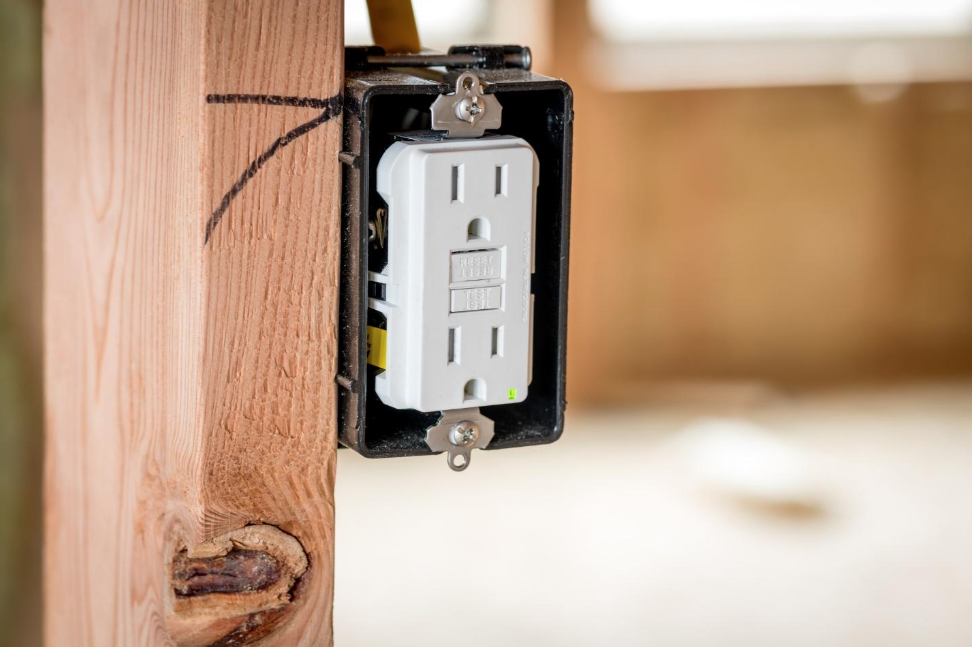
Key Takeaways About AFCI and GFCI Protection
This article explains how arc fault and ground fault devices work to prevent fires and shocks. It is for homeowners and property managers who need guidance when trips, damage, or older panels raise safety concerns.
- Identify circuits that lack modern protective devices and labeling.
- Prevent fires by addressing loose connections and damaged insulation.
- Avoid shocks by checking outlets near water and damp locations.
- Spot wiring faults using visual clues such as scorch marks.
- Reduce nuisance trips by isolating loads and testing appliances.
- Plan retrofits with a professional to confirm panel compatibility.
Introduction
Electrical outlets and breakers save lives when they work correctly, but older panels and outlets can hide real risks. AFCI and GFCI protection reduce the chance of fires and electric shocks by detecting dangerous faults. Homeowners often notice tripped breakers, flickering lights, or outlets that spark under load. Those signs matter because they can point to wiring faults or failing protection devices.
Arc-fault circuit interrupters look for wiring arcs that can ignite insulation and start a fire. Ground-fault circuit interrupters stop current leaking to ground that could cause a severe shock. Knowing where each device belongs helps prevent both electrical fire and personal injury. Many modern homes have these devices, but older houses often do not.
Retrofitting older wiring requires careful inspection of the service panel, branch circuits, and individual outlets. A professional will check grounding conductors, neutral connections, and the panel labeling to decide if AFCI and GFCI protection is needed. Visible symptoms such as burning smells, scorched outlet covers, or frequent nuisance trips give useful clues. Those clues guide the diagnostic steps and safety priorities for remediation.
Homeowners in Conway, SC and Myrtle Beach, SC face the same risks when living in homes built before current electrical standards. If you see warning signs or have an older panel, an electrician can test devices and confirm protection is installed correctly. Proper testing and troubleshooting reveal whether a breaker, outlet, or wiring problem is at fault. Acting on those findings reduces fire risk and protects people in the home.
How Arc Fault Protection Works and Why It Happens
Arc-fault protection detects dangerous electrical arcs in wiring and interrupts power before heat ignites nearby material. Professionals look for series and parallel arcs that generate high temperatures and erratic current patterns. A common homeowner question is whether an AFCI trip always means a fire risk, the answer is no, but repeated trips indicate a real wiring fault that needs attention. Diagnosing arcs requires checking outlets, junction boxes, and branch circuits for loose connections and damaged insulation.
- Series arcs occur at a single conductive path with intermittent contact.
- Parallel arcs happen between hot and neutral or hot and ground conductors.
- AFCIs monitor waveform signatures for erratic, high-frequency energy.
- An AFCI breaker trips when the waveform matches known dangerous arc patterns.
To confirm an arc problem, an electrician will reproduce the fault under controlled load conditions while watching the AFCI response. They use a clamp meter and voltage readings to compare current and detect imbalance or spikes. Visual inspection of outlets and junction boxes can reveal melted insulation, loose screws, or burn marks that point to series arcs. In some cases, isolating a circuit and swapping loads helps locate the specific device or segment causing the arc.
Homeowners in Conway, SC often report flickering lights or outlets that spark under load as early signs of arc activity. If you notice burning smells or scorch marks, stop using the affected circuit and call a licensed electrician. An electrician will test the breaker, check neutral connections, and inspect the panel labeling before recommending repair or replacement. For properties in Myrtle Beach, SC with older wiring, upgrading to AFCI protection can significantly lower fire risk by stopping dangerous arcs early.
Where Code Requires AFCI And GFCI Protection
Most modern electrical codes require AFCI and GFCI protection in specific areas of the home to reduce fire and shock hazards. Bedrooms, living rooms, and many general-purpose circuits commonly need AFCI protection because those circuits feed combustible areas and long branch runs that can develop dangerous arcs. Kitchens, bathrooms, outdoor outlets, garages, and any location near water must have GFCI protection to stop current leaking through a person to ground. Knowing which locations typically need each device helps homeowners plan upgrades and prioritize inspections.
Code changes over time, so requirements differ by home age and by which code edition was adopted when the home was built. Bedrooms added after recent code updates generally need AFCI breakers or combination devices at the panel. Older homes without AFCI protection may still be compliant with earlier codes, but adding AFCIs increases safety by addressing modern appliance loads and lighting types. An electrician can check the panel for available spaces and advise whether replacing breakers or installing outlet-level devices makes sense.
GFCI rules usually focus on proximity to water and portable tool use, which makes kitchens, bathrooms, outdoor receptacles, and garage outlets common targets for retrofit. In kitchens, countertop receptacles often require GFCI protection even if food prep is the only use. Laundry areas and unfinished basements also commonly require GFCI protection where appliances or metal surfaces create shock paths. For homeowners in Conway, SC, confirming which outlets are protected reduces risk after renovations or appliance changes.
Professionals diagnose missing or faulty protection using a combination of inspection and simple tests at the device and panel. An electrician will visually inspect the service panel, breaker labeling, and grounding conductor connections, then use a GFCI tester at outlets and a voltage or clamp meter at breakers to confirm proper operation. They may press the breaker or outlet test buttons and record the response, then isolate circuits to trace nuisance trips or shared neutrals that defeat AFCI function. For homeowners in Myrtle Beach, SC, getting a written report of which circuits have AFCI and GFCI protection helps plan targeted upgrades and budgeting.
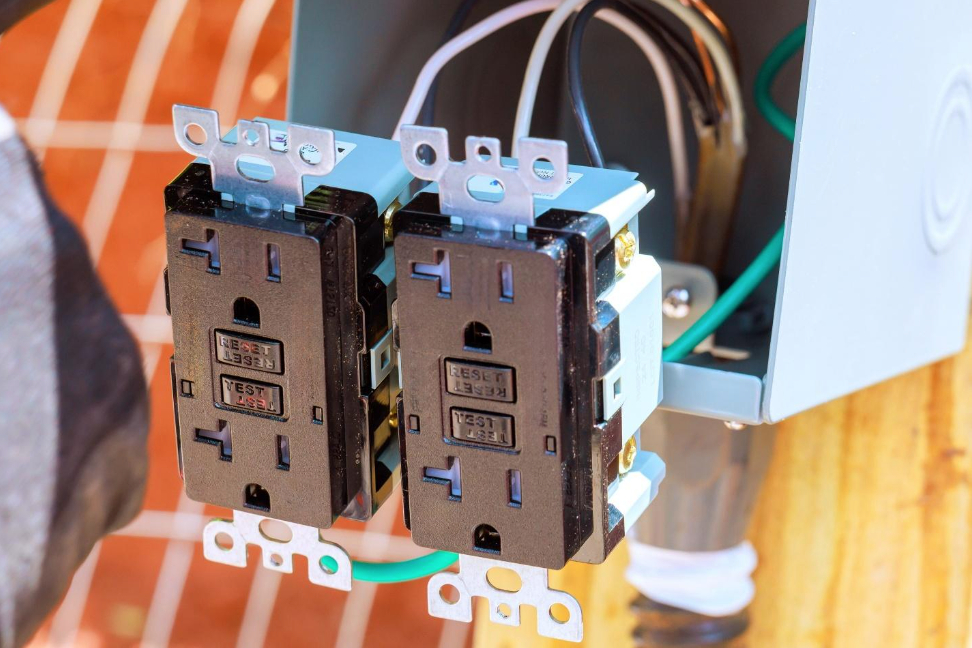
Photo from iStock - Credit: photovs
How Ground Fault Protection Works and When to Act
Ground-fault devices monitor differences between the hot and neutral conductors and trip when current leaks to ground. In practice, a GFCI measures milliamps of imbalance and disconnects power within milliseconds to reduce shock risk. This reaction protects people touching a device that has a path to ground through their body. Homeowners often notice a sudden loss of power at an outlet when a GFCI has done its job.
Professionals diagnose ground-fault issues by isolating the affected circuit and using a clamp meter or voltage reading across conductors. They inspect the grounding conductor, neutral connections in the panel, and any shared-neutral setups that can confuse GFCI devices. A technician will press the device test button, record the response, and simulate load conditions to confirm consistent tripping. Written test results and photos help document intermittent faults for follow-up repairs.
If a GFCI outlet trips repeatedly, visible clues help decide when to act immediately: damp locations, corroded receptacles, or heat and burning smells. Stop using the circuit if you detect moisture, scorched covers, or tingling sensations when touching appliances. For properties in Myrtle Beach, SC with outdoor equipment, salt and humidity can accelerate corrosion that causes leakage paths. In Conway, SC homes, water intrusion or old appliance cords can create the same risk and warrant prompt evaluation.
Some nuisance trips come from true leakage, appliances with internal faults, or wiring degradation that only shows under load. Troubleshooting often requires disconnecting loads, testing each appliance, and checking outlet wiring for loose screws or damaged insulation. If isolation points to wiring or panel issues rather than an appliance, a licensed electrician should repair or replace wiring, breakers, or GFCI devices. After repairs, request a full functionality test and a simple report showing which circuits now have AFCI and GFCI protection.
Common Causes of Faults and Warning Signs
Loose connections, degraded insulation, and overloaded circuits commonly produce faults that trip AFCI and GFCI protection. Homeowners may notice intermittent power loss, buzzing sounds at outlets, or warm faceplates near affected receptacles. Small rodents or nails driven into walls can damage wiring insulation and create arcs or leakage paths. A professional inspects junction boxes and outlet backs for loose screws, damaged conductors, and signs of rodent chewing.
- Loose terminal screws can cause arcing at outlets.
- Damaged insulation allows parallel arcs to form.
- Moisture intrusion creates leakage currents to ground.
- Shared neutrals can confuse AFCI or GFCI devices.
Faulty appliances or cords often cause repeat trips but may hide the true issue. Technicians isolate the circuit and test each appliance under load to see if a device reproduces the trip. They also use voltage readings and continuity checks at the outlet to confirm neutral and ground integrity. If appliance testing clears, the electrician focuses on branch wiring and connections inside the panel.
Signs of a wiring fault include scorch marks, a persistent burning smell, and outlets that feel hot to touch during use. Professionals check for loose neutrals, incorrect wire landings in breakers, and multi-wire branch circuits that share neutrals. They document findings with photos and basic meter readings before recommending repairs or replacements. For homeowners in Conway, SC callouts that show repeated trips or physical damage should prompt immediate evaluation to reduce fire risk.
Corrosion and outdoor exposure can lead to ground faults and nuisance trips in damp locations around the house. An electrician inspects outdoor boxes, garage outlets, and equipment connections for rust and compromised seals. They will press test buttons, measure leakage currents with a clamp meter, and inspect grounding conductors. Homeowners in Myrtle Beach, SC should note any persistent moisture or rusting hardware when scheduling an inspection to address deterioration early.
Testing And Troubleshooting AFCI And GFCI Devices
Start testing at the device by using the built-in test and reset buttons on GFCI and AFCI receptacles or breakers, recording the response time and whether power cut completely. If a device fails to trip or reset, isolate the circuit by turning off the breaker and visually inspect the outlet and junction box for loose terminations or melted insulation. A technician uses a basic voltage meter to confirm hot-to-neutral and hot-to-ground voltages before more invasive work, looking for inconsistent readings that suggest a loose neutral or damaged conductor. For homeowners in Conway, SC, noting when trips happen during specific activities helps narrow whether an appliance or wiring causes the problem.
When troubleshooting nuisance trips, start by unplugging every load on the circuit and try resetting the protective device, then add back appliances one at a time under normal operating conditions. If the breaker trips immediately with no loads connected, the issue often lies in wiring or a shared neutral, which requires tracing back through outlets and junction boxes. An electrician may perform a continuity test on the neutral conductor and inspect panel wiring for improper landings or double-tapped breakers, documenting readings and photos for later steps. For circuits that trip only under heavy load, a load test with a clamp meter helps identify overloads or intermittent arcs.
If a GFCI or AFCI device trips intermittently, check for environmental causes like moisture, dust, or corrosion around outdoor or garage receptacles that create leakage paths to ground. Inspect device mounting, box covers, and cord connections for signs of water intrusion or rust that could cause leakage current during humid conditions near Myrtle Beach, SC properties. Professionals also remove the outlet and examine wire insulation at the back of the device and in adjacent junctions, because damaged insulation often shows where arcs or leaks occur. Always de-energize the circuit and use a voltage tester before touching wires to stay safe.
To confirm a fault source, a licensed electrician follows a diagnostic sequence: visual inspection, meter voltage and continuity checks, isolation of loads, and controlled load testing while observing trip behavior and meter readings. They may swap the suspect breaker with a known-good breaker of the same type to see if the trip follows the breaker or stays with the circuit, which helps separate device failure from wiring issues. Written test results, photos of damaged components, and recorded meter values provide objective evidence for repairs or replacement recommendations. If you feel uncomfortable performing these checks, contact a licensed electrician to complete diagnostics and repairs safely.
Retrofitting Older Homes with Safety Upgrades
Begin by mapping circuits to understand which outlets share neutrals or serve multiple rooms, because older homes often use multi-wire branch circuits that complicate retrofits. A professional will open the panel, label each breaker, and trace wiring through accessible junctions to document circuit paths. This mapping step helps determine whether AFCI and GFCI protection should be provided at the breaker or at individual receptacles. Clear circuit maps reduce surprises during installation and help homeowners prioritize high-risk areas for upgrades.
When adding protection without rewiring, electricians sometimes use combination breakers or install GFCI/AFCI receptacles where panels cannot accept new breakers. They will verify the panel bus capacity, breaker type compatibility, and grounding conductor condition before recommending devices. If neutrals are shared, the contractor may propose separating conductors or using two-pole breakers that maintain neutral integrity. These choices minimize nuisance tripping and preserve proper device function across the circuit.
Upgrades in damp or outdoor zones require checking outlet boxes, weatherproof covers, and existing grounding to ensure GFCI devices operate reliably in wet conditions. Technicians test for corrosion and moisture paths that could trigger false trips and replace compromised boxes or covers as needed. For homes in Conway, SC, inspection for water intrusion in garages or basements can change the retrofit scope and timing. Proper enclosure and material selection improve long-term performance of AFCI and GFCI protection in exposed areas.
To confirm successful retrofit work, a contractor performs sequential tests that include pressing test/reset buttons, applying controlled loads, and measuring current with a clamp meter to observe leakage. They also document voltage readings and record which circuits now have AFCI and GFCI protection for homeowner reference. If a device still trips after installation, the electrician will trace wiring with continuity checks and inspect junction boxes for damaged insulation or loose terminations. Requesting a short written report with test readings and photos helps homeowners track future maintenance needs.
When To Call a Professional for Electrical Protection
If you notice repeated trips that start after basic checks, schedule a professional inspection to avoid guesswork and hidden hazards. An electrician will follow a diagnostic sequence to confirm whether the trip signals wiring, device failure, or shared-neutral issues. They perform safe live testing with a clamp meter and voltage checks, and they inspect junction boxes and panel terminations. Request a written record of findings and test readings so you can track repairs and future maintenance.
- They verify proper grounding and neutral connections.
- They test breakers and receptacles under controlled loads.
- They inspect junction boxes for damaged insulation.
- They check for multi-wire branch circuit issues.
Call immediately if you smell burning or see scorch marks near outlets since those indicate an urgent fire risk requiring shutoff and inspection. An electrician will de-energize the circuit and use visual inspection plus meter readings to locate hot spots and loose terminations. They may temporarily isolate the circuit and perform continuity and load tests to confirm the exact fault location. For less urgent but persistent nuisance trips, plan an appointment to prevent escalation and appliance damage.
When adding protection in older panels, a professional confirms breaker compatibility and panel bus capacity before installing AFCI and GFCI protection to avoid mismatches. They will also identify multi-wire circuits that need two-pole breakers or reconfiguration to maintain neutral integrity during upgrades. If corrosion or moisture appears around outdoor equipment in Myrtle Beach, SC properties, bring that to the technician’s attention for focused inspection. Homeowners in Conway, SC should mention any recent renovations or new appliances that coincide with trips so the electrician can reproduce the fault reliably.
Preventive Maintenance Tips for Long Term Safety
Schedule routine checks of GFCI and AFCI devices every six months to catch gradual degradation before failures occur. A homeowner can press each device's test button and confirm reset operation, then note any devices that fail or feel warm during use. Keep a simple log with dates, device locations, and observed behavior to track trends and recurring trips over time. If a device shows intermittent response, contact a licensed electrician for a hands-on inspection and meter measurements.
Inspect visible outlet and panel hardware for physical wear, discoloration, or loose covers that allow moisture or dust to enter enclosures. Replace cracked receptacle faces and tighten loose screws to reduce chances of arcing and leakage paths forming at connections. For outdoor or damp locations near Myrtle Beach, SC, check seal integrity and replace weatherproof covers showing corrosion or gaps. Small fixes like tightened screws and new gaskets often prevent larger electrical faults from developing.
Limit shared loads on circuits that are already sensitive to nuisance trips by spreading heavy appliances across multiple dedicated circuits when possible. An electrician can perform a simple load survey and advise whether circuits are overloaded during peak use times, using a clamp meter and timed measurements. Consider labeling circuits at the panel to remind household members which outlets belong to critical circuits and which should avoid simultaneous heavy loads. Clear labeling and small usage changes reduce stress on protection devices and lower trip frequency.
Keep cords and plugs in good condition by replacing frayed or damaged cords and avoiding pinched or tightly bent cables that stress insulation and terminals. Store extension cords properly to avoid moisture accumulation and inspect appliance plugs for discoloration or heat damage before use. In Conway, SC homes with older appliances, prioritize replacing damaged cords rather than repeatedly resetting protective devices. When in doubt, have a professional perform continuity and insulation resistance checks to confirm safe operation.
Protect Your Home with AFCI and GFCI Upgrades
Repeated breaker trips, outdated electrical protection, or signs of damaged wiring shouldn’t be ignored. A professional inspection can identify where AFCI and GFCI protection may be needed and confirm that your electrical system is operating safely. Contact Mister Sparky of Myrtle Beach to schedule an electrical safety inspection and discuss AFCI and GFCI upgrade options for your home.