
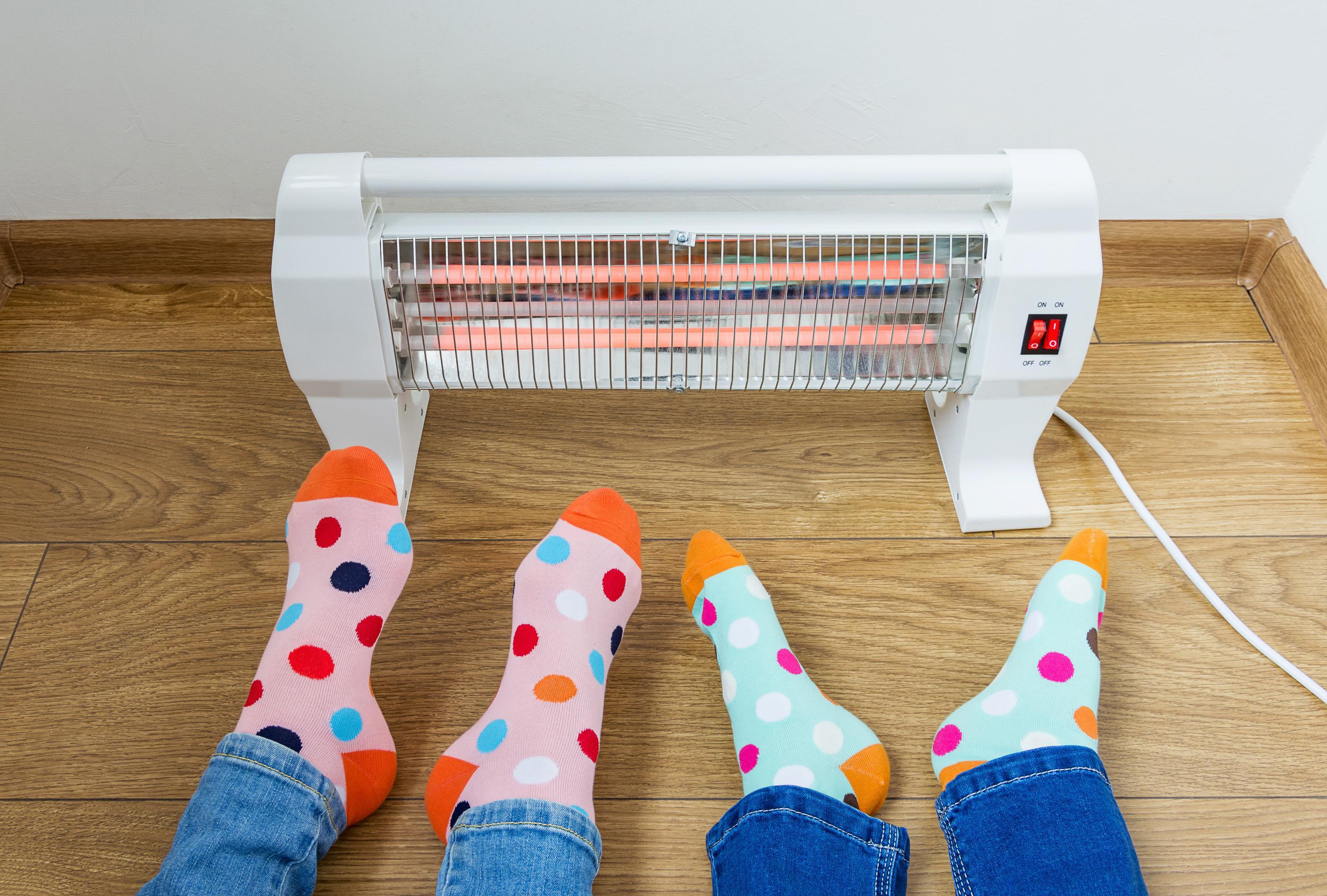
Winter in Evansville brings more than cold air and gray skies. As temperatures drop, families spend longer hours indoors, plug in space heaters, run more lighting, and place extra demand on outlets and circuits that already work hard all year. At Mister Sparky® in Evansville, IN, we help homeowners prepare their electrical systems for cold weather so they can stay safe and comfortable.
How Cold Weather Changes the Way Your Electrical System Works
Winter shifts how electricity is used throughout the home. Windows stay closed, heating systems run longer, lamps stay on later, and more devices are plugged in at once. Circuits that felt fine in summer can operate much closer to their limit in January. Space heaters, electric blankets, and heated throws add noticeable load to outlets that already serve televisions, gaming systems, and phone chargers.
Cold weather can also introduce moisture concerns. Condensation tends to form near exterior walls, windows, and uninsulated spaces, increasing risk around outlets and cords in those locations. When higher electrical demand meets moisture and aging wiring, small weaknesses can turn into tripped breakers, overheated outlets, or damaged insulation. Winter is a good time to notice which rooms rely heavily on multiple plugs and whether any outlets feel unusually warm.
Space Heaters, Power Strips, and Overloaded Outlets
Space heaters are helpful for drafty rooms, yet they draw significant power. Many models consume a large portion of what a standard household circuit can safely supply. Plugging a heater into a power strip or sharing the outlet with electronics increases strain on the wiring behind the wall.
Warning signs such as warm outlet covers, buzzing sounds, or a faint plastic odor suggest the circuit may be under stress. Space heaters should plug directly into a wall outlet without extension cords or adapters. If a heater repeatedly trips a breaker, stop using it on that circuit and consult an electrician. Repeated tripping means the system is protecting itself, not malfunctioning.
Extension Cords, Holiday Lighting, and Outdoor Decor
Winter often introduces extra cords through holiday lighting and seasonal decorations. It can be tempting to link multiple power strips or extension cords together to reach distant displays. Each added connection increases wear, heat buildup, and potential failure points.
Indoor-rated extension cords are not designed for damp grass, frozen ground, or exposure to melting snow. Cracked insulation or loose plug blades allow moisture to reach energized conductors, raising shock and fire risk. Outdoor lighting and cords should always be rated for exterior use and matched to the electrical load they support. Flickering lights, warm cords, or loose plugs are signals to unplug the setup and have the outlet or circuit evaluated.
Condensation, Cold Rooms, and Aging Wiring
Cold air changes how moisture behaves inside the home. Warm indoor air condenses on chilled surfaces such as exterior walls, window frames, and corners blocked by furniture. Outlets in these areas may sit near damp materials for extended periods. In homes with older wiring, moisture can accelerate corrosion at connections or inside electrical boxes.
Discoloration around an outlet, drafts near switches, or faint crackling sounds are not normal. These signs suggest moisture or connection issues that deserve attention. A licensed electrician can inspect affected areas, test connections, and recommend repairs that help keep electricity isolated from moisture during cold weather.
Smoke and Carbon Monoxide Detectors During Heating Season
Winter is when smoke and carbon monoxide detectors are most critical. Furnaces, fireplaces, and fuel-burning heaters depend on clear venting. Snow buildup, debris, or nesting animals can block exhaust paths and allow combustion gases to enter living spaces.
Test all detectors at the start of the season to confirm strong alarms. Replace batteries where required and check the manufacturer dates. Many detectors are designed for about ten years of service. Units that chirp repeatedly or show fault indicators should be replaced. If a carbon monoxide alarm sounds, move outdoors immediately and contact emergency services or a professional before restarting any fuel-burning equipment.
Panels, Breakers, and When to Call an Electrician
Winter is a good time to familiarize yourself with your electrical panel without opening it. Knowing which breakers control major systems and where the main shutoff is located can save time during an emergency. The space in front of the panel should always remain clear and accessible.
Missing or inaccurate breaker labels should be corrected safely, and any signs of heat, burning odors, or humming sounds from the panel should prompt a call to a licensed electrician. These symptoms may indicate loose connections or failing components that require professional inspection.
Schedule Your Winter Electrical Checkup
Cold weather often exposes weak points in wiring, outlets, and panels, especially when seasonal lighting and heaters are added. While basic visual awareness helps, a licensed electrician can test loads, inspect breakers, and identify hidden concerns before they become hazards. At Mister Sparky®, we offer winter electrical safety inspections, outlet and switch repairs, dedicated circuits for high-demand appliances, panel upgrades, and surge protection. Schedule your winter electrical safety visit today and stay protected through the season.