
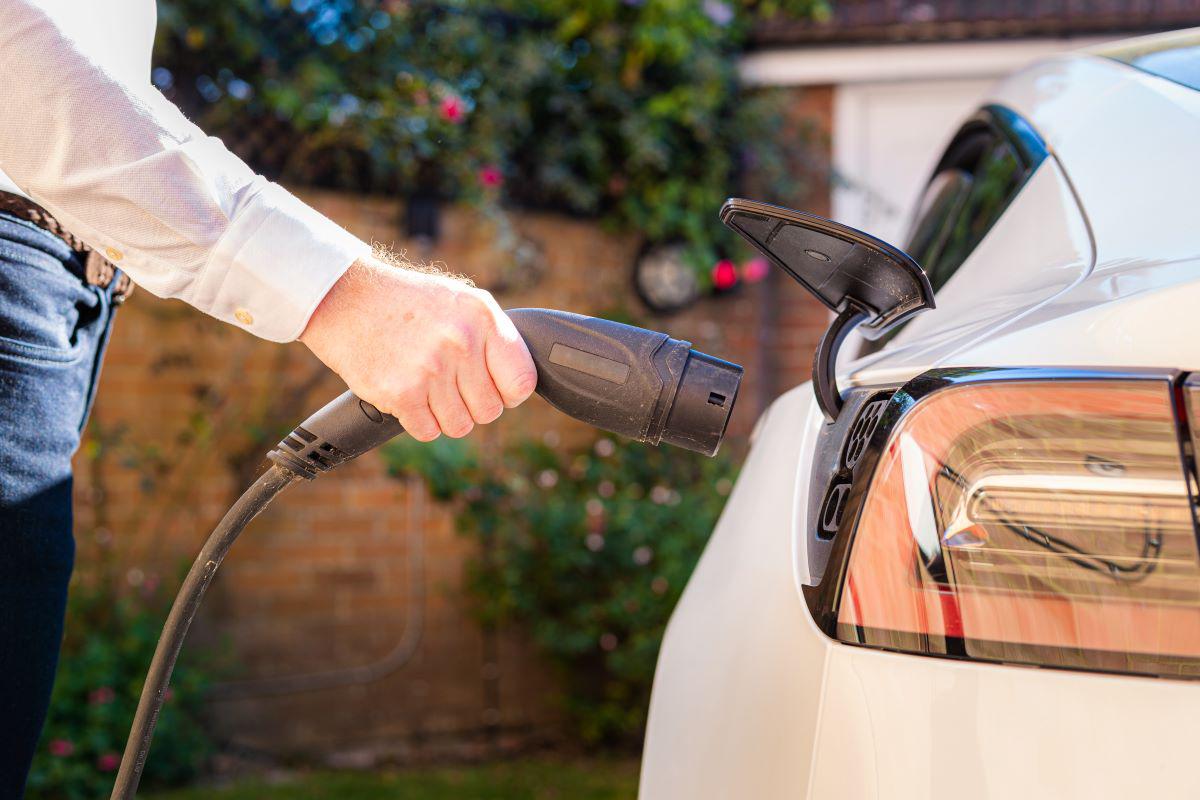
Electric vehicles are no longer a future trend. They are quickly becoming a practical, everyday choice for drivers in Evansville and surrounding communities. With more EV models available and charging infrastructure expanding, many homeowners are realizing that installing a home EV charger is one of the smartest upgrades they can make.
While plugging into a standard outlet may seem convenient at first, it is rarely the safest or most efficient long-term solution. Proper EV charger installation requires careful planning, electrical expertise, and strict adherence to safety standards. This guide explains what Evansville homeowners need to know before installing an EV charger and why working with a certified electrician matters.
Why Home EV Charging Is Becoming the Preferred Option
Public charging stations are helpful, but they are not always convenient or available when you need them. Home EV charging gives you control, consistency, and peace of mind. Instead of planning trips around charging locations, you can start each day with a fully charged vehicle.
Charging at home is also more cost-effective over time. Residential electricity rates are typically lower than public charging fees, and many EV owners take advantage of off-peak charging hours to reduce costs even further. For households with more than one electric vehicle, a dedicated home charging setup becomes even more valuable.
Understanding EV Charger Levels
Before installing a charger, it helps to understand the different charging levels available for residential use.
Level 1 Charging
Level 1 charging uses a standard 120-volt outlet. While this option requires no special installation, it provides very slow charging speeds. Most vehicles gain only a few miles of range per hour, making this option impractical for daily driving or long commutes.
Level 2 Charging
Level 2 chargers operate on a 240-volt circuit, similar to what powers large appliances like dryers or ovens. These chargers can add significantly more range per hour and are the most popular choice for homeowners. Level 2 charging allows most EVs to fully recharge overnight.
Installing a Level 2 charger requires electrical panel evaluation, circuit upgrades in some homes, and professional installation to ensure safety and compliance.
Is Your Home Ready for an EV Charger?
Not every home is immediately prepared for EV charger installation. One of the first steps is determining whether your electrical system can support the added load.
Older homes in the Evansville area may have panels that lack sufficient capacity for a dedicated charging circuit. In these cases, an electrical panel upgrade may be necessary. A certified electrician will evaluate your existing service, breaker availability, and wiring condition before recommending a solution.
Other factors include:
- The location of your electrical panel
- Distance from the panel to the charging location
- Garage or outdoor mounting requirements
- Local electrical codes and permitting rules
These details affect installation complexity, cost, and long-term reliability. A professional assessment ensures there are no surprises later.
Why Professional EV Charger Installation Matters
EV chargers draw a significant amount of power for extended periods. Improper installation can lead to overheating, tripped breakers, damaged wiring, or even fire hazards. This is not a DIY project.
Professional installation ensures that:
- The charger is properly sized for your vehicle and usage
- Wiring and breakers are rated for continuous load
- Grounding and bonding meet safety standards
- The installation complies with local and national electrical codes
Certified electricians also handle permits and inspections, which protect you during future home sales and help make sure insurance coverage remains valid.
Choosing the Right EV Charger for Your Home
Not all EV chargers are the same. Homeowners should consider more than just brand or price when selecting a unit.
Important factors include:
- Vehicle compatibility
- Charging speed and amperage
- Smart charging features and mobile apps
- Indoor or outdoor rating
- Future vehicle upgrades
Many modern chargers offer scheduling, energy monitoring, and Wi-Fi connectivity. These features allow you to manage charging during off-peak hours and track usage.
A professional electrician can help you choose a charger that fits both your current needs and future plans.
Safety Considerations for Evansville Homeowners
Electrical safety is the most important aspect of EV charger installation. Continuous high electrical loads require precise installation and ongoing reliability.
Key safety considerations include:
- Dedicated circuits to prevent overload
- Proper breaker sizing
- Correct wire gauge
- Weather-resistant equipment for outdoor installations
- Surge protection where recommended
Attempting to use extension cords or existing outlets not designed for EV charging significantly increases risk. A professionally installed charger eliminates these concerns and ensures safe daily operation.
Permits, Codes, and Inspections
EV charger installations must comply with local building and electrical codes. In most cases, permits and inspections are required.
A licensed electrician handles this process from start to finish. This protects homeowners from code violations, fines, and future complications. Inspections also verify that the system is installed correctly and safely.
Skipping permits or inspections can lead to serious issues down the line, especially when selling your home or filing an insurance claim.
How EV Chargers Impact Home Value
As electric vehicles become more common, home charging capability is increasingly viewed as a desirable feature. A professionally installed EV charger can improve property appeal and future resale value.
Buyers with EVs often prioritize homes that already support charging, especially when the installation is code-compliant and well-documented. This makes EV charger installation both a lifestyle upgrade and a long-term investment.
Planning for Future Electrical Needs
Many households start with one EV and eventually add another. Others combine EV charging with additional electrical upgrades such as solar panels, battery storage, or smart home systems.
When installing a charger, it is wise to consider future capacity needs. A professional electrician can design an installation that allows for expansion without major rework later.
Why Homeowners Trust Mister Sparky®
Mister Sparky® is locally owned and operated, providing Evansville homeowners with reliable electrical services backed by a 100% satisfaction guarantee. Our certified electricians follow a strict code of ethics centered on safety, professionalism, reliability, and integrity.
We believe homeowners deserve clear communication and honest pricing. That is why we use StraightForward Pricing®, so you know what to expect before work begins. With 24/7 emergency services available, help is always within reach when electrical issues cannot wait.
As America’s On-Time Electrician, we respect your schedule and deliver dependable workmanship without shortcuts. You do not have to put up with any malarky when safety is on the line.
Schedule EV Charger Installation with Confidence
Installing an EV charger is a smart move for convenience, efficiency, and long-term value, but only when done correctly. Professional installation ensures your system is safe, reliable, and built to last.
If you are considering EV charger installation in Evansville or have questions about your home’s electrical readiness, Mister Sparky® is here to help. Our team delivers expert guidance, certified workmanship, and service you can trust.
Get it done right. Get it done safely. Contact Mister Sparky® today to schedule your EV charger installation.