
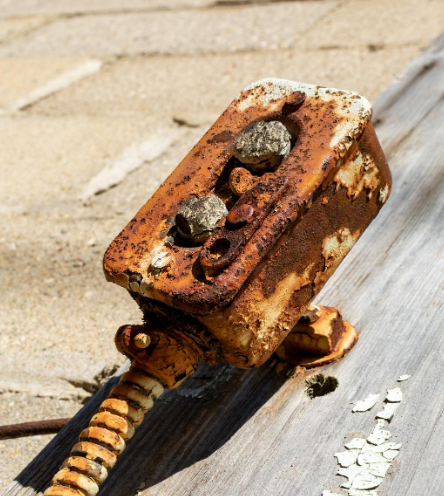
Key Takeaways About Electrical Dangers
Coastal corrosion creates hidden electrical dangers by degrading metal connections and creating heat or arcing. This summary helps coastal homeowners and property managers know when to act and when to call a professional.
- Identify warm outlets, switches, or faceplates during normal use.
- Prevent salt buildup on exterior covers with regular cleaning.
- Avoid touching corroded parts and shut off affected circuits.
- Spot intermittent trips, smells, or popping sounds near devices.
- Reduce moisture with ventilation, dehumidifiers, and sealed enclosures.
- Plan professional inspections with documented photos and measurements.
Introduction
Coastal homes in Wilmington, NC face a quiet but serious problem: electrical dangers hidden by salty air and moisture. Metal parts in panels, outlets, and junction boxes corrode over time. Corrosion weakens connections and raises the chance of arcing or overheating. Homeowners often miss these issues until a device fails or a smell appears.
Salt and humidity do more than rust visible surfaces. They create conductive films on contacts and promote pitting inside circuit breakers. These changes can cause intermittent faults that mimic appliance failures. That makes diagnosing the root cause harder for a homeowner.
Warning signs often start small and easy to dismiss. Flickering lights, outlets that feel warm, or a persistent metallic smell near the panel all deserve attention. Ignoring these clues increases the risk of electrical fires and costly repairs later.
Properties near Kure Beach, NC, and other coastal areas show the same patterns of corrosion-related wear. A trained electrician will inspect grounding conductors, GFCI devices, the service panel, and visible junction boxes. Professional testing gives factual voltage and continuity readings to confirm the problem and guide safe repairs.
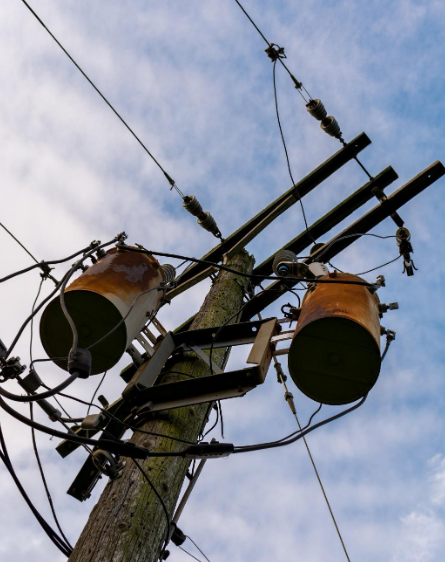
Photo from iStock - Credit: Nicola Patterson
How Salt Air Causes Metal Corrosion in Wiring
Salt air causes metal corrosion in wiring by depositing chloride particles that attract moisture and start electrochemical reactions.
Chloride from sea spray forms a thin film on metal surfaces and lowers resistance to oxidation. This film can bridge insulated gaps and let current flow where it shouldn't. Homeowners often ask whether visible rust means active danger, yes, rusted contacts can create intermittent faults and overheating. For practical prevention strategies, homeowners can also read our guide on how to prevent salt air electrical damage. An electrician would use voltage readings and a continuity test to help identify compromised connections.
- Salt crystals settle on outlets and inside junction boxes.
- Moisture promotes pitting on screws and terminal lugs.
- Protective coatings break down faster near the coast.
- Corrosion increases resistance and heat at connections.
- Pitted contacts can cause arcing and tripping.
Corrosion often starts at exposed connection points such as terminal screws, grounding conductor clamps, and breaker bus bars. You may notice a metallic or ozone-like smell near the service panel when corrosion causes arcing. In Wilmington, NC properties, salt-driven corrosion can reach interior components through tiny openings and window seams. A technician will inspect terminals, test GFCI and AFCI devices, and record infrared images or voltage readings to locate hot spots.
Early-stage corrosion usually shows as white powder, greenish deposits, or surface rust on metal parts. If outlets or switches feel loose or warm, that points toward a degraded contact inside. Homeowners in Kure Beach, NC should watch for these visible signs and schedule an inspection if they appear. A written report with measurements and photos helps plan targeted repairs and safe replacement of affected components.
Why Coastal Moisture Accelerates Electrical Damage
Moisture in coastal homes raises the risk of hidden electrical dangers by creating a consistently damp atmosphere around electrical components. Damp air allows ionic films to form on metal surfaces, which speed up chemical reactions that eat away at metal. Water vapor also carries salt deeper into enclosures through tiny openings around conduits and cable entries. This steady moisture exposure shortens the service life of protective coatings and insulating materials.
Condensation cycles amplify damage when warm, humid air cools on metal parts and releases water droplets repeatedly. Those droplets sit on terminals, breaker bus bars, and grounding conductor clamps until they corrode the metal underneath. Repeated wetting and drying can cause micro-pitting that weakens mechanical connections and raises local resistance. Higher resistance at a joint produces heat that accelerates insulation breakdown and promotes arcing over time.
Moisture also undermines electrical seals and allows contamination to move inside outlets, junction boxes, and switches. Contaminants plus moisture can form conductive paths that bypass intended insulation, causing nuisance tripping or hidden leakage currents. For a closer look at how coastal conditions affect electrical systems, read our guide on whether coastal air harms electrical wiring. Technicians often use a moisture meter and infrared camera to find damp pockets and thermal anomalies behind panels. They may also open suspect junction boxes to inspect for corrosion and take voltage and continuity readings to confirm compromised connections.
Property owners should watch for repeated failures in coastal environments that point toward moisture-driven damage. For example, a breaker that trips only on humid days suggests a moisture-related fault, a professional would visually inspect the panel, test GFCI and AFCI devices, and record voltage and thermal readings to diagnose the issue. If inspection confirms corrosion or moisture intrusion, repairs or replacements should follow documented measurements and photos. Prompt diagnostic testing reduces the chance that hidden electrical dangers become a safety emergency.
Common Warning Signs of Hidden Electrical Dangers
Look for sudden changes in appliance behavior that happen during high humidity or after storms, such as motors hesitating or lights dimming briefly. These intermittent faults often point to weakened contacts or hidden conductive paths that act only under certain moisture conditions. A homeowner might hear small popping sounds from an outlet or notice a persistent ozone or metallic smell near a switch. If these cues appear, document when they occur and how long they last before calling for testing.
Warm outlets, switches, or faceplates are a clear sign of excess resistance at a connection and require prompt attention. Feeling warmth can indicate a loose terminal, corroded screw, or a failing breaker connection that heats under load. An electrician will use a voltage reading, continuity test, and infrared camera to find hotspots and measure temperature differences across terminals. These diagnostic steps confirm whether the warmth comes from normal load or a dangerous degraded connection.
Why your GFCI outlets keep tripping, especially in bathrooms, kitchens, or exterior circuits, signals potential leakage or arcing caused by corrosion and moisture. GFCI resets that only work briefly suggest a persistent leakage path a visual inspection might miss. During an inspection, the technician will press test and reset buttons, measure leakage current, and open suspect junction boxes to look for white powdery deposits or pitted screws. Recording the test results provides a clear basis for required repairs or replacements.
Visible discoloration or staining around outlets, light fixtures, and the service panel often accompanies hidden electrical dangers and should never be ignored. Brown or black marks, bubbling paint, or crusty deposits indicate past overheating or moisture-related electrochemical activity. A professional will check grounding conductors, inspect breaker bus connections, and take photos and readings for a written report documenting the condition. Homeowners in Kure Beach, NC, and Wilmington, NC, who spot these signs should schedule electrical safety inspections without delay.
Rusted Panels and Outlets: What to Inspect
Start by inspecting visible screws, outlet plates, and panel covers for rust that indicates deeper metal damage. Look closely at grounding conductor clamps and terminal lugs for pitting or greenish deposits that signal corrosion. Check that breakers seat fully in the service panel and that bus connections show no flaking metal or discoloration. If you find loose or missing cover screws, avoid touching energized parts and arrange a professional inspection quickly.
- Turn off power before removing covers whenever possible.
- Look for white powder or green deposits on terminals.
- Note any loose switches or outlets that wobble.
- Listen for unusual sounds near the panel under load.
Inspect outdoor receptacles and weatherproof covers for trapped moisture or salt buildup that erodes contacts over time. Unsealed conduit entries and cable glands can channel humid air and salt straight into junction boxes and breaker enclosures. Photograph any suspect areas and record which circuits they serve to help an electrician target the problem. A written checklist speeds diagnosis and avoids missed locations during a follow-up visit.
Check GFCI outlets and breakers for corrosion around test and reset buttons that can prevent proper operation. Test devices monthly and write down when they fail to trip or reset reliably, as intermittent failure suggests internal damage. For circuits serving wet areas, look for discoloration around the device and softened plastic that indicates heat or chemical exposure. If corrosion reaches the device mounting strap or internal terminals, replacement by a professional is the safe option.
When visible corrosion appears on a service panel, note any warm sensations at the cover or nearby faceplates during normal use. An electrician will use infrared imaging, voltage readings, and continuity tests to confirm hotspots and high-resistance connections. In some cases, the technician will remove the panel cover, inspect breaker bus bars, and test grounding continuity to the main grounding electrode.
How Corrosion Affects Electrical Safety and Performance
Corrosion raises electrical resistance at connection points, which produces heat under normal loads and stresses insulation over time. That extra heat shortens component life and can cause plastic parts to deform or crack near terminals. As insulation degrades, small leakage currents or tracking paths form that produce intermittent faults and increased shock risk. A professional measures voltage drop and terminal temperature to quantify the degraded connection before recommending repairs.
Metal loss from pitting changes the mechanical fit of screws, lugs, and breaker clamps so parts loosen under vibration and load cycling. Loose connections create arcing that can char surrounding materials and leave telltale black or brown marks behind faceplates. An electrician confirms arcing by inspecting contacts, taking continuity readings, and using an infrared camera to find hotspots during a controlled load test. Photographs and recorded readings become part of a diagnostic report that guides targeted replacement of affected components.
Corrosion can also disrupt grounding and bonding, which reduces fault-clearing effectiveness and raises the chance of dangerous voltages on metal parts. A technician checks grounding conductor continuity and measures resistance to the grounding electrode to ensure safe fault paths. Poor grounding makes protective devices slower or ineffective, so replacement of corroded clamps or connectors is often necessary. Residential homeowners should note any repeated odd readings and share them with the inspector for faster diagnosis. For more information on repair and prevention options, see our guide on how to address electrical corrosion in Kure Beach.
Electrical performance suffers when contacts develop conductive films from salt and moisture, causing nuisance trips and motor stress that shorten appliance life. Professionals isolate suspect circuits, perform load and continuity tests, and check GFCI and AFCI operation under controlled conditions to verify problems. Repair choices depend on measured damage and may include replacing breakers, rewiring sections, or improving enclosure sealing to limit future corrosion.
When to Call a Professional for Electrical Dangers
If you notice unusual burning odors, persistent panel discoloration, or frequent unexplained breaker trips, arrange a professional electrical inspection promptly. A licensed electrician may perform targeted tests, including voltage readings, continuity checks, and infrared scans, to identify potential problems. The electrician can document findings with photos and measurements to support appropriate repair decisions. These results help homeowners prioritize necessary work and avoid replacing components without sufficient evidence.
Corrosion affecting grounding connections, bonding components, or feeder wiring may require urgent professional attention. An electrician can inspect accessible connections, evaluate grounding and bonding integrity, and perform appropriate electrical tests. The inspection may also include checking junction boxes, terminal connections, and GFCI or AFCI devices. Documented findings help determine which repairs are necessary and support compliance with applicable electrical codes.
Seek immediate professional assistance in Wilmington, NC, if you notice unusually warm outlets, burning odors, visible sparking, or arcing sounds. Avoid using affected equipment or repeatedly resetting breakers until an electrician evaluates the problem. A qualified technician may isolate affected circuits, conduct appropriate testing, and use thermal imaging to identify unusual temperature patterns. Depending on the findings, repairs may involve replacing damaged breakers, connectors, or wiring. Prompt attention can help reduce the risk of electrical fires and further equipment damage.
Homeowners in Kure Beach and surrounding areas can document electrical problems before scheduling an inspection. Note when issues occur, which appliances are running, and any unusual sounds or smells. Burning odors, smoke, or sparking require immediate attention rather than waiting for a routine appointment. Share your observations with a licensed electrician to help identify possible causes. After the inspection, review the electrician's findings and recommendations to plan appropriate repairs and address potential corrosion.
Preventive Steps Homeowners Can Take Today
Homeowners can help identify potential electrical corrosion by visually checking outdoor outlets, weatherproof covers, and electrical enclosures. Look for rust, cracks, loose covers, or signs of moisture without opening or touching electrical components. Avoid using water or cleaning solutions near outlets and electrical connections. If you notice damaged seals or visible corrosion, ask a licensed electrician to inspect the affected equipment.
Simple preventive habits include:
- Check outdoor electrical covers for visible damage.
- Keep surrounding areas free of leaves and debris.
- Look for blocked drainage openings without inserting objects.
- Record signs of rust, moisture, or discoloration.
- Schedule professional inspections when problems appear.
Inside the home, watch for discolored outlet covers, unusual buzzing sounds, or GFCI outlets that trip repeatedly. These symptoms may indicate electrical problems that require professional evaluation. Avoid tightening, removing, or replacing electrical components yourself. If you notice burning smells, smoke, or sparking, stop using the affected equipment and seek immediate professional assistance.
Managing indoor humidity can also help reduce conditions that contribute to corrosion. Use ventilation and dehumidifiers where appropriate, and address moisture problems promptly. Keep damp belongings and stored chemicals away from electrical equipment. Homeowners in Wilmington, NC, and Kure Beach, NC, can share observations about moisture and corrosion with a trusted electrician during an inspection.
Long-Term Solutions for Corrosion-Resistant Systems
Consider upgrading to corrosion-resistant hardware such as stainless steel grounding clamps, sealed breaker handles, and marine-grade fasteners where exposed to salty air. These components resist pitting and maintain mechanical tightness longer than standard parts, reducing the chance of high-resistance joints. A professional will select compatible materials to avoid galvanic corrosion between dissimilar metals. Installations should follow manufacturer guidance and use correct torque on terminal lugs to prevent loosening over time.
Improve enclosure protection by specifying NEMA-rated or sealed panels with gasketing and drip edges to keep humidity and salt spray out. Proper sealing reduces the need for repeated interior repairs and lowers moisture-driven failures inside junction boxes. Technicians may add desiccant packs or small ventilated covers designed to prevent condensation while allowing safe airflow. When done professionally, these measures extend component life and simplify future inspections.
Upgrade sensitive circuits to protective devices that monitor abnormal conditions, such as replacing older breakers with modern AFCI or GFCI units where code and application allow. These devices detect arcing and ground faults faster, which helps prevent small corrosion-related faults from becoming fires. An electrician will test device operation under load and record trip thresholds as part of the diagnostic report. Recorded results guide whether circuit reconfiguration or targeted rewiring is necessary.
Plan a scheduled maintenance program that includes annual thermal imaging, torque checks on main lugs, and recorded voltage drop tests to catch slow-developing issues. A maintenance log with photos and measured readings documents trends and supports replacement decisions before failures occur. In a common situation, an inspector finds rising terminal temperature and then tightens or replaces the affected lug after confirming increased resistance with a clamp meter.













