
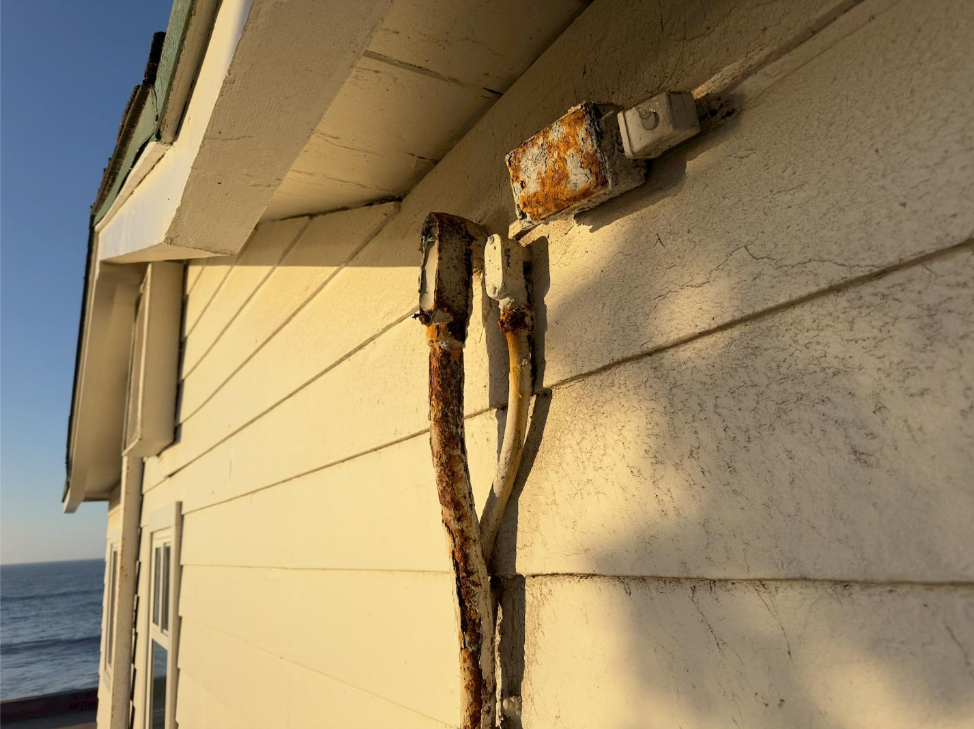
Key Takeaways About Electrical Corrosion
Electrical corrosion means metal parts on electrical systems break down from salt moisture and pollutants. This matters for homeowners and property managers near the shore when exposed components show wear or performance changes.
- Identify early signs like discoloration loose fittings and crusty deposits.
- Prevent damage with corrosion resistant materials and sealed enclosures.
- Avoid moisture entry by replacing gaskets and sealing conduit entries.
- Spot performance changes such as flicker trips or unusual smells promptly.
- Reduce risk through routine inspections testing and documented maintenance checks.
- Plan professional assessments and repairs for safety critical service equipment.
Introduction
Electrical corrosion is a common risk where salt air reaches exposed wiring and metal components near the shore. In Kure Beach, NC, coastal humidity and salt spray speed up rust and pitting on outdoor electrical parts. Left unchecked, corroded connections can cause intermittent power, nuisance tripping, or increased fire risk. Homeowners often notice visible green or brown buildup and loose fittings before failures occur.
Corrosion affects more than outdoor lights and receptacles. Service panels, meter bases, and junction boxes can suffer internal degradation that is not obvious from the outside. Corroded circuit breakers and grounding conductors can produce heat, arcing, or false trips during routine use. These issues reduce the reliability of critical circuits for refrigeration, HVAC, and safety equipment.
Regular inspections catch early signs of corrosion that homeowners might miss during visual checks. A technician will look for colored deposits, pitted screws, brittle insulation, and high-resistance connections. They often use voltage and continuity checks to confirm that components still meet performance expectations. Clear diagnostic findings help prioritize repairs and replacements based on risk.
For properties in Wilmington, NC, managing electrical corrosion means choosing the right materials and enclosures and scheduling periodic maintenance. Corrosion-resistant hardware, sealed boxes, and proper coatings slow damage in coastal conditions. Professional electrical service can document conditions and recommend targeted fixes to protect systems and occupants. Acting early reduces the chance of emergency failures and costly replacements later.
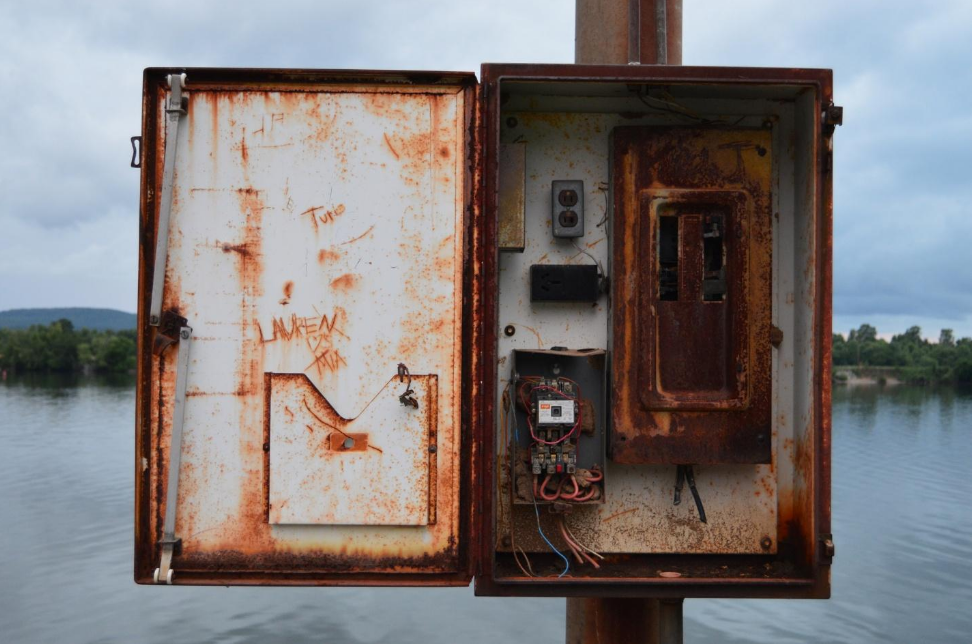
Photo from iStock - Credit: Joanna Nalley
Why Electrical Corrosion Happens in Coastal Areas
Electrical corrosion happens when metal parts on electrical systems chemically react with salt, moisture, or pollutants in the air.
- Salt particles speed up metal oxidation.
- High humidity prolongs wet conditions.
- Wind drives salt into enclosures.
- Poor ventilation traps corrosive fumes.
Coastal salt spray carries chloride ions that break down protective metal coatings and accelerate pitting on exposed components.
Homes near the shore in Kure Beach, NC face more frequent wetting and drying cycles that worsen corrosion over time.
Corrosion often begins at exposed screws, junction boxes, and meter connections where protective seals fail, and metal is exposed.
Technicians diagnose electrical corrosion by inspecting terminals, testing continuity, measuring voltage under load, and photographing visible damage for a written report.
Common Causes of Corrosion on Home Electricals
Outdoor fixtures and fasteners gear often corrode first when protective finishes wear away and metal meets salt and moisture. Exposed screw heads, mounting brackets, and conduit threads develop pitting that loosens mechanical connections and raises electrical resistance. Once resistance rises, components heat during normal operation and insulation near the hot spot can harden or crack. Inspecting these small parts helps prevent a localized issue from spreading into a larger circuit problem.
Junction boxes and outdoor receptacles commonly show corrosion where seals fail and water pools inside cavities after North Carolina storms. Water intrusion leaves mineral deposits and green or brown films on terminals and bus bars that interfere with contact. Corroded contacts can create intermittent power, arcing, and nuisance tripping even when wiring appears intact. Regularly checking seals and replacing degraded gaskets reduces the likelihood of these failures.
Service equipment like the meter base, grounding conductor connections, and circuit breakers suffer when chlorides reach threaded connections and clamp surfaces. Corrosion on grounding points raises system impedance and reduces the effectiveness of fault clearing during a short. Technicians use continuity tests and load measurements to confirm whether corrosion has compromised a connection.
Fixtures near salt spray also experience accelerated corrosion when dissimilar metals contact each other and form galvanic cells. Aluminum-to-steel or copper-to-aluminum junctions can corrode faster without the right isolation materials. Using corrosion-resistant fasteners and sacrificial anodes in critical spots limits galvanic reactions and extends component life.
Recognizing Early Warning Signs of Corrosion
Watch for discoloration or crusty deposits on exposed terminals and screws, these are often early signs of electrical corrosion and should not be ignored. You might see greenish or reddish films around metal parts or notice a faint metallic smell near junction boxes. Pay attention if switches or outlets become stiff or feel warm to the touch during normal use. These cues suggest surface chemistry has changed and a closer inspection is warranted.
Another early sign is a change in circuit behavior such as flickering lights, intermittent outlets, or breakers that trip without obvious overloads. These symptoms can indicate high-resistance connections from pitting or weakened contacts inside a device. A professional will use a voltage reading and continuity test to see if resistance is higher than expected. Documenting readings and photos helps track deterioration over time.
Physical deterioration of insulation is also a red flag, brittle, cracking, or discolored insulation near outdoor terminations often follows metal corrosion. Moisture-related staining inside enclosures points to seal failures that let corrosive air reach components. A technician inspects for trapped water, degraded gaskets, and compromised conduit entries during a detailed check. Repairing seals and replacing damaged insulation reduces the chance of arcing or shorts.
Corrosion can begin at fasteners or at mixed-metal junctions where small galvanic reactions occur and then spread to conductors and devices. You may hear faint buzzing or notice unusual heat near a corroded connection when circuits are loaded. A professional would measure temperature under load and compare it with baseline values to confirm a problem. For North Carolina homeowners, scheduling an inspection sooner prevents escalation and protects critical circuits in properties near the shore.
How Inspections Detect Electrical Corrosion Problems
Technicians begin with a systematic visual inspection that focuses on enclosure seams, conductor terminations, and circuit breaker faces for subtle surface changes. They remove covers safely and look for pitting, white salts, or layered deposits that indicate longer exposure. Photographs document findings and provide a baseline for future comparisons during maintenance visits. This evidence helps determine whether immediate repairs or monitored replacements are necessary.
- Inspect enclosure gaskets for compression or tears.
- Check terminal torque on service and branch circuits.
- Measure voltage under load for voltage drop signs.
- Perform a continuity test on grounding conductors.
After visual checks, a technician uses targeted electrical tests to confirm suspected corrosion and quantify risk to circuits. Voltage readings under load reveal high-resistance connections that cause heat or flicker during normal use. Continuity tests and insulation resistance checks show whether a conductor or grounding path has degraded. Recording these numeric results supports repair prioritization and safety decisions.
Technicians also inspect related components such as GFCI devices, outdoor receptacles, and conduit seals to find hidden deterioration near terminations. Thermal scanning can locate hot spots at corroded clamps during a loaded circuit evaluation without invasive disassembly. Moisture meters or simple moisture checks inside boxes reveal trapped water that accelerates metal breakdown. Those combined checks produce a clear picture of system health for homeowners.
For properties in Kure Beach, NC, inspectors produce a written report that lists defects, recommended actions, and estimated urgency for repairs or replacements. This documentation often includes photos, test readings, and suggested corrosion-resistant upgrade options for affected items. Homeowners can use the report to plan maintenance or discuss targeted repairs with a licensed electrician. If inspections reveal immediate safety risks, contact a professional right away for corrective action.
Corrosion Resistant Materials and Proper Enclosures
Selecting corrosion-resistant materials for outdoor electrical work significantly reduces long-term degradation risk in salty air. Use marine-grade stainless steel for exposed fasteners and 316-series alloys where possible to limit pitting. Insulated terminals with tin-plated copper resist chloride attack better than bare connections in harsh environments. Choosing compatible metals avoids galvanic reactions that accelerate corrosion at contact points.
Proper enclosures block salt spray and let trapped moisture escape through controlled means. Specify NEMA-rated boxes with gasketing designed for outdoor use and UV-stable finishes for longer life. Conduit bodies and threaded entries should include corrosion-resistant sealing compounds and bushings to protect conductor insulation. Venting solutions with insect screens and rain shields prevent water entry while reducing internal humidity buildup.
Coatings and surface treatments add another layer of protection on vulnerable components and junction faces. Zinc-rich primers, epoxy powders, or specialty marine paints slow oxidation on metal housings and brackets. For terminal connections, dielectric grease at terminations reduces contact with moisture without impeding electrical continuity. Regularly inspect coatings for chips or wear and touch up damaged areas promptly.
Design choices also matter, place sensitive devices away from direct salt spray paths and use extended leads with protected routing. Install GFCI and outdoor receptacles inside sealed enclosures with serviceable gaskets to keep moisture out. A professional can recommend material upgrades and enclosure types that match the property's conditions in Kure Beach, NC. For specific retrofit options and installation scheduling, contact Mister Sparky® of Wilmington, NC to arrange an assessment.
Routine Maintenance Steps to Reduce Corrosion Risk
Start a seasonal checklist that focuses on specific corrosion-prone items such as outdoor receptacles, meter enclosures, and visible grounding clamps. Inspectors recommend gently cleaning deposits with a soft brush and neutral cleaner to avoid pushing salts deeper into crevices. After cleaning, apply a thin layer of dielectric grease on exposed terminals to limit moisture contact without affecting conductivity. Record each action and condition in a simple log to track changes between visits.
Confirm gasket integrity on all outdoor enclosures and replace any that show compression set, cracks, or permanent deformation immediately. Tighten accessible terminal screws to manufacturer torque specs during maintenance to reduce micro-arcing from loose connections. Check conduit seals and cable entry points for gaps where salt air could enter and reseal with appropriate marine-grade sealant. A maintenance visit should include a quick insulation check near entries for signs of embrittlement or staining.
Schedule load tests on critical circuits during routine maintenance to reveal hidden high-resistance connections that only appear under normal operation. Use a clamp or voltage measurement to compare under-load readings with baseline values recorded previously for the same circuit. Swap or isolate suspect devices such as GFCI or breakers to see whether performance improves, which helps pinpoint the failing component. Photographs and numeric readings from these checks make repair decisions clearer.
Rotate protective measures seasonally by inspecting coatings and reapplying touch-up paint or corrosion inhibitors where finishes have worn or chipped. Replace sacrificial fasteners and anodes when they show significant material loss rather than waiting for the primary metal to fail.
When to Call a Professional for Corrosion Issues
If you notice repeated breaker trips, burning smells, or visible arcing, call a licensed electrician promptly to assess the risk. These symptoms suggest active failure that can escalate quickly without professional intervention. A technician will disable power to affected circuits to prevent shocks while preparing diagnostic tests. Never attempt to repair service-panel connections or grounding clamps yourself due to shock and fire hazards.
- Schedule an inspection when breakers trip often.
- Call if you smell electrical burning.
- Contact a pro for visible arcing or sparking.
- Arrange service if outdoor devices corrode rapidly.
During a professional visit, expect targeted tests such as voltage readings under load and continuity checks on grounding conductors. The electrician may remove covers to inspect bus bars and terminal torque without energizing live parts unnecessarily. They often take photos and record measurements to compare with safe baseline values and track deterioration. Written findings help prioritize repairs and support follow-up maintenance decisions.
For persistent or hard-to-find issues, professionals perform thermal scans and isolate circuits to pinpoint high-resistance connections causing heat or flicker. They can also recommend specific material upgrades and enclosure changes suited to coastal exposure. Homeowners should consider scheduling service when corrosion appears near critical circuits that protect safety equipment.
Mister Sparky Solutions for Coastal Electrical Corrosion
Mister Sparky technicians begin targeted repairs by isolating affected circuits and replacing corroded connectors with corrosion-resistant parts chosen for longevity. They document torque values, voltage readings, and before-and-after photos to verify improved performance. Technicians follow safe shutdown procedures to reduce shock and fire risk when working on service panels or grounding points. Homeowners receive a clear written scope of work that lists the replaced components and diagnostic results.
When enclosure upgrades are needed, Mister Sparky can install NEMA-rated cabinets or custom-sealed housings to limit future salt intrusion and permit easier service. They route conductors to minimize exposure and use proper bushings at entry points to protect insulation from chafing. Installations include rechecking grounding conductor continuity and measuring impedance to ensure fault paths remain effective. Work is performed to industry inspection standards and recorded in a service report for homeowner records.
For recurring corrosion concerns, the team offers scheduled follow-up inspections that focus on trend monitoring and preventive replacements before failures occur. These visits include repeating voltage-under-load checks and photographing any new deposit formation to compare with prior reports. Technicians advise on sacrificial fastener replacement intervals and repaint touch-up timing based on observed wear rates. Written maintenance recommendations help homeowners plan budgets and avoid emergency repairs.
In situations requiring broader system changes, Mister Sparky provides cost factors and options so homeowners can choose phased work or full replacements depending on urgency. Technicians explain the trade-offs between retrofit components, enclosure types, and labor to support informed decisions.