
Protect your coastal NC home from hidden salt air electrical damage. Learn the warning signs of corrosion, why inspections matter, and the solutions that can prevent costly electrical failures and safety risks.
Introduction:
Salt air electrical damage is a common concern for properties located near the North Carolina coastline. Coastal environments contain airborne salt particles that travel inland with ocean breezes. These particles can settle on electrical components and gradually cause corrosion. Over time, this exposure may affect safety, performance, and reliability.
Moisture often works together with salt to create challenging conditions for electrical supply systems. High humidity levels can increase the speed of corrosion on metal parts. Summer storm activity may also expose equipment to additional moisture and salt spray. As a result, electrical components may experience greater wear throughout the year.
Properties in Kure Beach, NC frequently encounter coastal conditions that can affect electrical infrastructure. Oceanfront and near-shore locations often receive higher levels of airborne salt exposure. Similar concerns can occur in Oak Island, NC due to its proximity to the Atlantic Ocean. Understanding these environmental factors helps property owners make informed decisions about electrical care.
Professional electrical safety inspections play an important role in identifying corrosion before it becomes a larger issue. Licensed electricians can evaluate equipment, connections, and electrical panels for signs of deterioration. Early detection often helps improve safety and supports long-term system reliability. Salt air electrical damage can be managed more effectively when potential issues are addressed promptly.
Salt Air Electrical Damage and Why It Happens
Salt air electrical damage develops when airborne salt particles come into contact with electrical equipment. These tiny particles often travel through the air and settle on exposed surfaces. Once moisture is present, the salt can create conditions that encourage corrosion. Consequently, metal components may begin to deteriorate over time.
Power distribution systems contain many conductive materials that are vulnerable to corrosion. Connections, terminals, and wiring components can experience gradual wear when exposed to salt and humidity. Even small amounts of corrosion may interfere with proper electrical performance. Therefore, routine evaluations are important in coastal environments.
The corrosion process does not always produce immediate symptoms. In many cases, damage progresses slowly and remains hidden from view. As corrosion spreads, electrical resistance may increase within affected components. This added strain can reduce efficiency and contribute to equipment failures.
North Carolina's coastal climate creates ongoing exposure to salt-laden air throughout the year. Seasonal humidity and summer storm conditions can further accelerate the corrosion process. For this reason, coastal properties often require greater attention to electrical system health. Understanding the causes of salt air electrical damage helps property owners recognize the importance of preventative care.
Coastal Conditions That Increase Electrical Risks
Coastal environments expose electrical systems to conditions that are not common inland. Sea breezes can carry salt particles over long distances. These particles often settle on outdoor and indoor electrical components. As a result, corrosion may develop even when equipment is not directly exposed to seawater.
High humidity levels can create additional challenges for electrical infrastructure. Moist air allows salt residue to remain active on metal surfaces for longer periods. Consequently, corrosion can progress more quickly than it would in drier climates. This ongoing exposure may affect both older and newer electrical power systems.
Seasonal thunderstorm activity in North Carolina can increase the risk of electrical deterioration. Strong winds may carry larger amounts of salt spray toward homes and businesses. Heavy rainfall can also introduce moisture into vulnerable areas around electrical equipment. Together, these conditions create an environment that can accelerate wear and corrosion.
Properties located near the coast often experience these environmental factors throughout the year. Areas such as Kure Beach, NC and Oak Island, NC regularly encounter humid conditions and ocean-driven weather patterns. Therefore, power distribution systems in these communities may benefit from routine professional attention. Understanding these risks is an important step toward maintaining safe and reliable electrical performance.
How Summer Storm Conditions Affect Electrical Systems
Summer thunderstorm seasons are a common part of coastal life in North Carolina. Strong winds, heavy rainfall, and elevated humidity levels can place additional stress on electrical systems. When these conditions combine with coastal salt exposure, corrosion can progress more quickly and affect long-term electrical reliability.
- Strong winds can carry salt-laden moisture farther inland, allowing salt particles to settle on electrical equipment and connections.
- Heavy rainfall may expose vulnerable electrical components to excess moisture, creating conditions that encourage corrosion and deterioration.
- Increased humidity during summer storm season can keep salt residue active on metal surfaces, accelerating the corrosion process over time.
- Lightning strikes and storm-related power fluctuations can place additional strain on electrical systems, especially when components are already affected by corrosion.
Understanding how summer storms impact electrical systems helps property owners recognize potential risks before they become larger concerns. Regular professional inspections can identify corrosion, moisture-related issues, and other developing problems, helping maintain electrical safety and long-term system reliability in coastal environments.
Common Warning Signs of Salt Air Electrical Damage
Salt air electrical damage often develops gradually, making early warning signs easy to overlook. Coastal conditions can affect electrical components long before visible failures occur. Recognizing these indicators can help prevent more serious electrical problems. Early attention also supports safer and more reliable system performance.
- Visible corrosion, rust, or discoloration on electrical panels, outlets, switches, or exterior fixtures may indicate ongoing exposure to salt-laden air.
- Flickering lights, inconsistent power delivery, or frequently tripped circuit breakers can signal that corrosion is affecting electrical connections.
- Unusual buzzing sounds, burning odors, or excessive heat near electrical equipment may point to deteriorating components that require professional evaluation.
- Outdoor electrical equipment that shows signs of wear, moisture intrusion, or damaged protective coverings may be more vulnerable to coastal corrosion.
Identifying these warning signs early can help reduce the long-term effects of coastal exposure. Professional electrical inspections can uncover hidden corrosion and other concerns before they affect safety, efficiency, or system reliability.
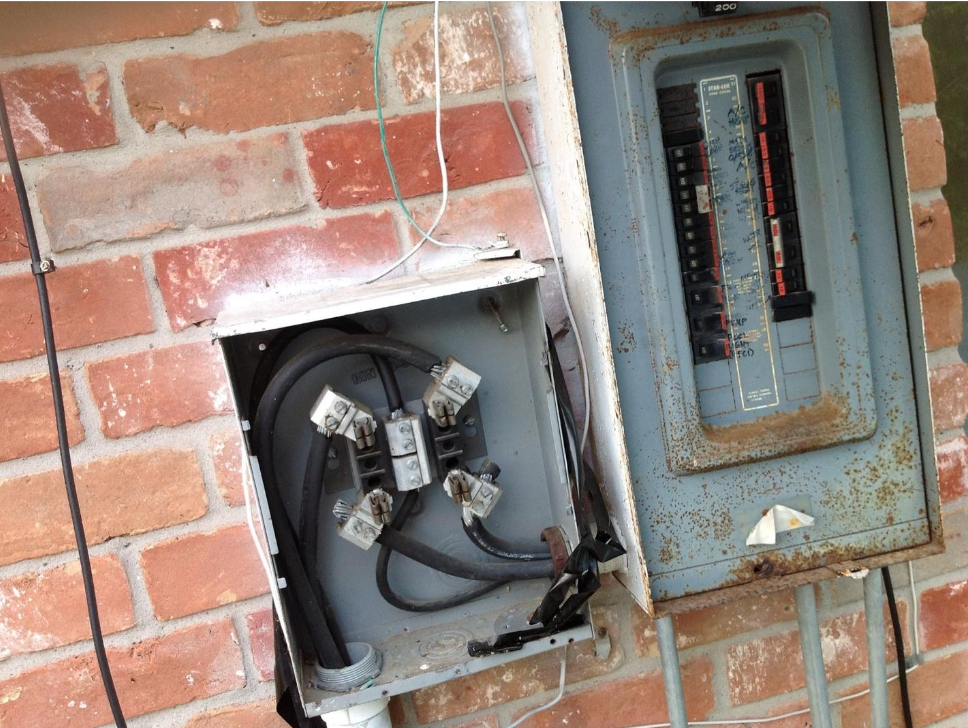
Photo from iStock - Credit: skyboxmedia
Areas of the Home Most Vulnerable to Corrosion
Coastal conditions can expose certain electrical components to higher levels of moisture, humidity, and airborne salt. While corrosion can occur throughout an electrical system, some areas are more susceptible due to their location and level of environmental exposure. Understanding these high-risk locations can help property owners better protect their electrical infrastructure.
Electrical Panels
Electrical panels contain numerous metal components and connections that can corrode over time. Even minor deterioration within a panel may impact electrical performance and safety.
Outdoor Outlets and Switches
Outdoor electrical outlets and switches are continuously exposed to changing weather conditions. Salt-laden air, moisture, and summer weather disturbances can accelerate wear and corrosion in these components.
Exterior Lighting Fixtures
Exterior lighting systems face direct exposure to coastal elements throughout the year. Corrosion can affect fixture components, electrical connections, and overall performance if not properly monitored.
Garages and Utility Areas
Garages, utility rooms, and similar spaces may experience elevated moisture levels that contribute to corrosion. When combined with airborne salt particles, these conditions can affect nearby electrical connections and equipment.
Exterior-Facing Walls and Connections
Electrical wiring and connections located near exterior-facing walls may be exposed to moisture intrusion and coastal air. Over time, this exposure can contribute to deterioration and reduced system reliability.
Recognizing vulnerable areas is an important step in preventing salt air electrical damage. Regular professional inspections can help identify early signs of corrosion and support the long-term safety and reliability of energy distribution systems in coastal North Carolina properties.
Protecting Outdoor Electrical Components
Outdoor electrical components face constant exposure to the elements in coastal areas. Salt-laden air, humidity, rainfall, and seasonal weather can all contribute to corrosion over time. Because these components serve important functions throughout a property, protecting them is essential for maintaining safety and reliability. Proactive measures can help reduce the effects of harsh environmental conditions.
Weather-resistant electrical equipment is designed to withstand greater exposure to moisture and changing weather conditions. Properly rated outlets, covers, and enclosures provide an added layer of protection against environmental factors. These protective features help limit direct contact between sensitive electrical components and corrosive elements. As a result, equipment may remain in better condition for longer periods.
Professional installation also plays an important role in protecting outdoor electrical systems. Correct placement, secure connections, and appropriate protective materials can help reduce the risk of moisture intrusion. When equipment is installed according to current electrical standards, it is often better prepared to handle coastal conditions. This attention to detail supports long-term performance and safety.
Routine inspections can help identify signs of wear before they lead to larger concerns. Trusted electrical technicians can evaluate outdoor components for corrosion, damage, and other environmental impacts. Early detection allows potential issues to be addressed before they affect system reliability. Consistent monitoring is an effective strategy for minimizing salt air electrical damage in coastal environments.
Why Properties in Kure Beach, NC Face Unique Challenges
Kure Beach, NC is located along the Atlantic coastline, where electrical systems are exposed to a combination of salt air, humidity, and changing weather conditions. These environmental factors can create ongoing challenges for residential electrical infrastructure. Even properties located farther from the shoreline may experience the effects of airborne salt particles. Over time, this exposure can contribute to corrosion and reduced electrical reliability.
Ocean breezes frequently carry fine salt particles through the surrounding area. Once these particles settle on electrical components, they can begin to affect metal surfaces when moisture is present. The corrosion process often develops gradually and may not be immediately visible. As a result, energy distribution systems can experience hidden deterioration before obvious symptoms appear.
Summer storm activity can further increase electrical risks in coastal communities. Strong winds, heavy rainfall, and elevated humidity levels may accelerate corrosion and place additional stress on electrical equipment. Outdoor components are especially vulnerable during periods of severe weather. These conditions make ongoing monitoring an important part of maintaining system performance.
Professional electrical inspections can help identify signs of corrosion and environmental wear before they become larger concerns. Regular evaluations allow certified technicians to assess the condition of critical electrical components and connections. Early detection supports both safety and long-term reliability. For properties in Kure Beach, NC, proactive electrical care can help reduce the impact of coastal conditions throughout the year.
Electrical Concerns for Properties in Oak Island, NC
Oak Island, NC experiences many of the same coastal conditions that affect electrical systems throughout the North Carolina shoreline. Constant exposure to salt-laden air, humidity, and seasonal weather can gradually impact electrical components. While these environmental factors are part of coastal living, they can also increase the likelihood of corrosion. Understanding these risks is important for maintaining a dependable electrical system.
Airborne salt particles can settle on electrical equipment both indoors and outdoors. When combined with moisture, these particles may contribute to corrosion on metal surfaces and electrical connections. The process often occurs slowly, making it difficult to detect without a professional evaluation. Over time, corrosion can affect the performance and longevity of electrical components.
Outdoor outlets, lighting fixtures, electrical panels, and service equipment are often among the most exposed parts of a property's electrical system. These components regularly encounter changing weather conditions, including periods of high humidity and seasonal thunderstorm activity. Continued exposure can accelerate wear and increase the potential for electrical issues. Regular monitoring helps identify developing concerns before they lead to larger problems.
Professional inspections provide valuable insight into the condition of electrical systems in coastal environments. Qualified electricians can identify signs of corrosion, moisture-related damage, and other factors that may affect safety and reliability. Addressing concerns early often helps support long-term performance and reduce unexpected electrical disruptions. For properties in Oak Island, NC, routine electrical evaluations are an effective part of protecting against salt air electrical damage.
The Role of Professional Electrical Inspections
Professional electrical inspections are one of the most effective ways to identify issues related to coastal corrosion. Because many electrical problems develop behind panels, inside connections, or within equipment, they are not always visible during routine observations. Regular evaluations help uncover concerns before they affect system performance or safety. This proactive approach supports the long-term health of an electrical system.
Licensed electricians are trained to assess electrical components for signs of corrosion, wear, and environmental damage. During an inspection, they can evaluate electrical panels, wiring connections, outlets, switches, and outdoor equipment. These assessments provide a clearer understanding of how coastal conditions may be affecting the system. Early detection often allows smaller concerns to be addressed before they become more significant.
Inspections can also help improve overall electrical reliability. Corroded connections and deteriorating components may contribute to inconsistent performance, unexpected outages, or equipment failures. Identifying these issues early helps reduce the risk of future disruptions. As a result, energy distribution systems can continue operating more efficiently and dependably.
In coastal areas of North Carolina, routine inspections are especially valuable due to ongoing exposure to salt, humidity, and summer storm conditions. Regular evaluations help ensure that the electrical distribution system design remains in good condition despite these environmental challenges. They also provide peace of mind by confirming that critical components are functioning as intended. Consistent professional oversight is an important part of preventing salt air electrical damage and maintaining electrical safety.
Long-Term Benefits of Preventing Salt Air Electrical Damage
Preventing salt air electrical damage offers advantages that extend far beyond avoiding corrosion. Coastal electrical power systems face continuous exposure to environmental conditions that can affect performance over time. Taking steps to protect these systems helps support safety, reliability, and overall functionality. It also helps reduce the impact of long-term coastal exposure on critical electrical components.
Well-maintained power systems are generally better equipped to operate safely and efficiently. Corrosion can weaken connections and interfere with the normal flow of electricity. By minimizing corrosion-related issues, electrical components can continue performing as intended. This contributes to a more dependable electrical system throughout the property.
Preventative care can also help extend the lifespan of electrical equipment. Panels, outlets, switches, lighting fixtures, and other components often experience less wear when corrosion is properly managed. Reducing exposure-related deterioration helps preserve the condition of these systems over time. As a result, electrical infrastructure may remain reliable for longer periods.
Regular inspections and ongoing monitoring play an important role in protecting modern electrical systems in North Carolina's coastal communities. Early identification of developing concerns helps prevent small issues from becoming larger problems. This proactive approach supports long-term reliability and electrical safety. Preventing salt air electrical damage is an investment in the continued performance and durability of a property's electrical system.
Choosing a Trusted Electrical Professional in North Carolina
Selecting the right electrical professional is an important part of protecting coastal electricity systems. Properties located near the coast face environmental conditions that can accelerate corrosion and affect electrical reliability. Working with a qualified electrician helps ensure that potential issues are identified and addressed properly. Professional expertise is especially valuable when evaluating the effects of salt exposure on electrical equipment.
Experience with coastal electricity systems can make a significant difference when assessing corrosion-related concerns. Electricians who regularly work in coastal areas understand how salt, humidity, and seasonal weather affect electrical components. This knowledge allows them to recognize warning signs that might otherwise go unnoticed. Their familiarity with local conditions supports more accurate evaluations and recommendations.
Professional credentials are another important factor to consider. Licensed electricians follow current electrical codes and industry standards designed to promote safety and reliability. They also have the training needed to inspect, diagnose, and evaluate electrical power systems thoroughly. Choosing a qualified professional helps provide confidence that electrical concerns are being addressed appropriately.
For property owners in North Carolina, ongoing electrical maintenance and inspections can help support long-term system performance. Routine evaluations allow potential issues to be identified before they affect safety or reliability. This proactive approach is particularly beneficial in coastal environments where corrosion risks remain constant. Partnering with a trusted electrical professional helps protect modern electrical systems from the ongoing effects of salt air electrical damage.
Protecting Your Property from Salt Air Electrical Damage
Salt air electrical damage is a persistent concern for properties located along the North Carolina coast. Airborne salt particles, humidity, and warm-season weather events can gradually affect electrical components and contribute to corrosion. While these environmental factors cannot be avoided, understanding their impact can help property owners make informed decisions about electrical system care. Awareness is often the first step toward long-term protection.
Throughout coastal communities such as Kure Beach, NC and Oak Island, NC, electrical systems are regularly exposed to conditions that can accelerate wear. Corrosion may develop slowly, making it difficult to recognize without a professional evaluation. Over time, deteriorating components can affect both safety and reliability. Routine monitoring helps identify concerns before they become more significant.
Professional electrical safety inspections provide valuable insight into the condition of electrical equipment and connections. Licensed electricians can detect early signs of corrosion, evaluate system performance, and recommend appropriate solutions when needed. These evaluations help support dependable operation and reduce the likelihood of unexpected electrical issues. Consistent attention is especially important in coastal environments where exposure is ongoing.
Protecting electrical supply systems from coastal corrosion requires a proactive approach. Regular inspections, professional maintenance, and timely attention to developing concerns can help improve long-term reliability and safety. By addressing potential issues early, property owners can better safeguard their electrical infrastructure against the effects of salt air electrical damage. For expert assistance, contact Mister Sparky of Wilmington, NC to schedule a professional electrical inspection and keep your system performing at its best.
Trust Mister Sparky of Wilmington, NC for Coastal Electrical Safety
Concerned about salt air electrical damage in your North Carolina property? Contact Mister Sparky of Wilmington, NC for a professional electrical inspection. Our experienced electricians can identify signs of corrosion, improve electrical safety, and help protect your system from the long-term effects of coastal conditions and thunderstorms.
Frequently Asked Questions
What is salt air electrical damage?
Salt air electrical damage occurs when airborne salt particles settle on electrical components and contribute to corrosion. When combined with moisture and humidity, salt can accelerate the deterioration of metal parts, connections, and electrical equipment. Over time, this corrosion may affect electrical safety, performance, and reliability.
Why are coastal properties more vulnerable to electrical corrosion?
Coastal properties are exposed to salt-laden air, higher humidity levels, and frequent weather changes. These environmental conditions can increase the likelihood of corrosion on electrical components. Areas near the ocean often experience greater exposure, making preventative maintenance especially important.
Can summer storms increase the risk of electrical damage?
Yes. Warm-season weather events in North Carolina often bring strong winds, heavy rainfall, and elevated humidity. These conditions can increase moisture exposure and accelerate corrosion on electrical equipment. Storm-related power fluctuations may also place additional stress on affected components.
What are the warning signs of salt air electrical damage?
Common signs include visible corrosion, rust, discoloration on electrical equipment, flickering lights, frequently tripped breakers, unusual buzzing sounds, and burning odors. Because some corrosion develops out of sight, professional inspections are often the best way to identify hidden concerns.
Which electrical components are most affected by coastal conditions?
Electrical panels, outdoor outlets, switches, lighting fixtures, service equipment, and exposed electrical connections are often the most vulnerable. These components regularly encounter moisture, humidity, and airborne salt particles that can contribute to corrosion over time.