
In today’s rapidly evolving smart home landscape, understanding the essentials of low voltage wiring is more crucial than ever. Whether you’re in Wilmington, NC, or the surrounding areas like Leland, NC, upgrading your home with the latest smart thermostats, sensors, and networking systems requires a solid grasp of low voltage cabling. This type of wiring is the backbone of most modern smart home technologies, ensuring that your devices communicate efficiently and your home stays connected.
Navigating the world of low voltage wiring doesn’t have to be daunting. With the right information and guidance, homeowners can make informed decisions about their smart home upgrades. From selecting the appropriate cables to understanding the best routing practices, knowledge of low voltage wiring is key. It’s not just about making your home smarter; it’s about enhancing its efficiency and functionality.
Moreover, proper installation and maintenance of low voltage wiring are vital for safety and compliance with local codes. Whether you’re in Wilmington or Leland, adhering to these standards is essential. This ensures that your smart home upgrades not only improve your quality of life but also meet all regulatory requirements. It’s about combining innovation with responsibility, ensuring that your smart home is both advanced and safe.
Understanding the basics of low voltage wiring also involves learning about labeling and best practices. This foundational knowledge not only helps in the efficient management of your smart home systems but also simplifies troubleshooting and future upgrades. By embracing these practices, homeowners can enjoy the full benefits of their smart home technologies, ensuring a seamless integration into their daily lives.

Understanding Low Voltage Wiring in Smart Homes
Understanding low voltage wiring in smart homes begins with recognizing the types of cables used. Cat5e, Cat6, and fiber optic cables are common choices for their reliability and speed in transmitting data. These cables connect smart thermostats, sensors, and networking devices, creating a cohesive system. Homeowners in Wilmington, NC, should consider their specific needs when selecting cables, as each type offers different benefits.
Routing cables efficiently is another crucial aspect of low voltage wiring. It’s important to plan the path from the source to the device, avoiding electrical interference and physical obstructions. This ensures a clear signal and reduces the risk of damage. Proper routing also makes future troubleshooting and upgrades easier, saving time and effort.
Labeling each cable and connection point is a simple yet effective practice. It helps homeowners and technicians identify and manage the network of wires behind smart home technologies. In Leland, NC, for example, well-labeled wiring can streamline maintenance and adjustments, enhancing the overall functionality of the smart home system.
Lastly, adhering to local codes and best practices ensures that low voltage wiring installations are safe and compliant. This includes using the correct type of conduit, if necessary, and securing cables away from potential hazards. By following these guidelines, homeowners can enjoy the benefits of their smart home upgrades without compromising on safety or efficiency.
Planning Your Smart Home Low Voltage Wiring Project
When planning your smart home low voltage wiring project, the first step is to create a detailed plan. This involves mapping out where each device will be located in your Wilmington, NC, home and determining the most efficient paths for the wiring. A well-thought-out plan not only ensures optimal performance of your smart devices but also minimizes disruptions during installation.
Choosing the right materials is equally important. High-quality cables and connectors can significantly impact the reliability and longevity of your smart home system. Homeowners in Leland, NC, should invest in the best materials they can afford to avoid future issues. This approach safeguards your investment and ensures your smart home operates smoothly for years to come.
Collaborating with a professional can also make a big difference. An expert in low voltage wiring can offer valuable insights and identify potential challenges before they become problems. They bring experience and knowledge to your project, ensuring that the installation meets all local codes and standards. This partnership can save you time and money, making it a wise choice for any homeowner.
Finally, consider the future of your smart home when planning your low voltage wiring. Technology evolves rapidly, and your needs may change. Designing your system with flexibility in mind allows for easy updates and expansions. This foresight ensures that your smart home in Wilmington, NC, remains cutting-edge, providing convenience and efficiency for years to come.
Tools and Materials for Low Voltage Wiring Installation
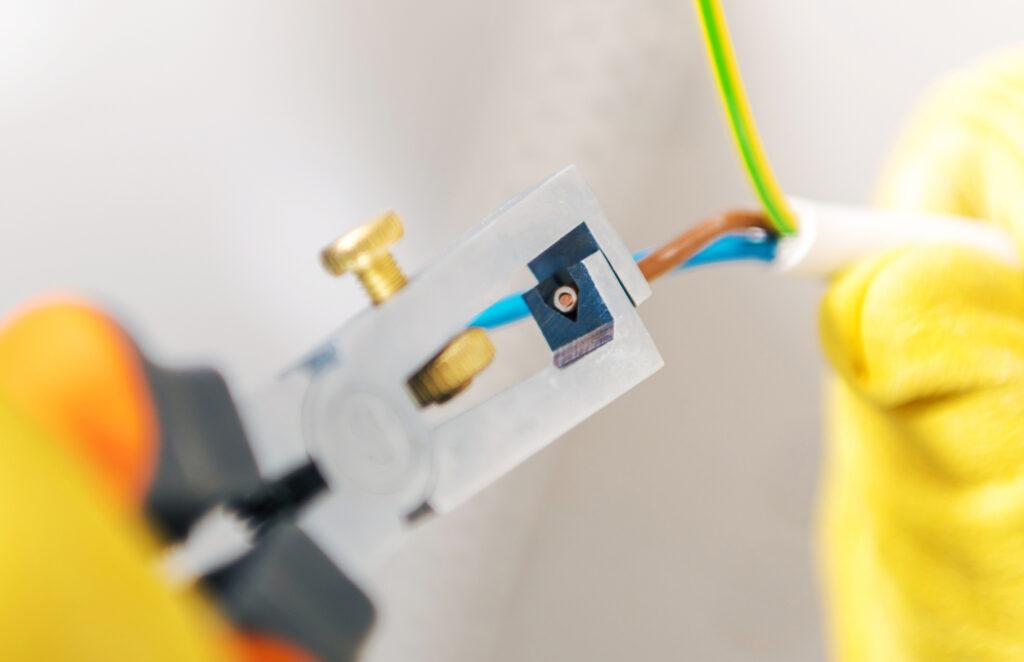
Having the right tools and materials is essential for any low voltage wiring project in your home. A wire stripper, crimping tools, and a punch-down tool are must-haves for preparing and connecting wires accurately. Additionally, investing in a quality multimeter helps in verifying connections and ensuring the system’s functionality. These tools not only make the installation process smoother but also safeguard the integrity of your Wilmington, NC, smart home system.
For materials, selecting the appropriate low voltage cables, such as Cat6 or fiber optic, is crucial based on your specific needs. High-quality connectors and a reliable patch panel are also important for organizing and managing connections effectively. Using cable management accessories, like conduits and raceways, protects the wiring and keeps it neat, enhancing the overall aesthetics and safety of your home in Leland, NC.
Understanding the importance of using the right tools and materials can significantly impact the success of your low voltage wiring project. It ensures not only the reliability and efficiency of your smart home devices but also complies with local safety standards. This approach minimizes potential issues, making maintenance easier and extending the lifespan of your smart home system.
Finally, while DIY projects can be rewarding, considering professional assistance for complex installations ensures that everything is done right the first time. Experts in low voltage wiring can navigate the intricacies of smart home technology, from planning to execution. Their experience guarantees that your smart home upgrades meet all requirements and are future-proof, keeping your Wilmington, NC, home connected and efficient.
Routing and Labeling Best Practices for Low Voltage Wiring
Routing and labeling low voltage wiring correctly is crucial for maintaining an organized and efficient smart home system. In Wilmington, NC, homeowners should prioritize routing cables away from high-voltage power lines to avoid interference. This practice ensures that smart devices operate without disruptions, providing seamless connectivity throughout the home. Additionally, using conduits or raceways can protect cables from damage, extending their lifespan and reliability.
Labeling each cable and junction point simplifies future troubleshooting and upgrades. For residents in Leland, NC, a well-documented wiring system allows for easy identification of connections, saving time and reducing frustration during maintenance. It’s a straightforward step that greatly enhances the manageability of your smart home infrastructure. By adopting a meticulous labeling system, homeowners can ensure a well-organized setup that facilitates quick adjustments and additions.
Best practices in routing and labeling not only support system efficiency but also comply with safety standards. Properly secured and labeled low voltage wiring minimizes risks, ensuring a safe environment for all occupants. Homeowners should also adhere to local building codes, which often specify requirements for cable routing and labeling. These guidelines are designed to protect your home and its inhabitants, making compliance both a legal and practical necessity.
Finally, incorporating flexibility into your low voltage wiring plan allows for easy updates as technology evolves. Planning for future expansions or modifications can save significant time and resources down the line. Whether you’re in Wilmington or Leland, NC, considering the potential for new devices or system upgrades ensures that your smart home remains current and functional. By following these best practices, homeowners can enjoy a dynamic, efficient, and safe smart home experience.
Navigating Building Codes and Standards for Low Voltage Wiring
Navigating building codes and standards for low voltage wiring is a crucial step in ensuring your smart home upgrades are both safe and compliant. In Wilmington, NC, homeowners must familiarize themselves with local regulations that dictate how and where low voltage wiring can be installed. These codes are designed to prevent hazards and ensure that all electrical systems coexist without interference. By adhering to these standards, residents not only safeguard their homes but also enhance the overall efficiency of their smart home systems.
Understanding these codes can sometimes be challenging, but it’s an essential part of the planning process. For those in Leland, NC, consulting with a professional who has expertise in low voltage wiring can provide clarity and direction. These experts are well-versed in navigating local codes, helping homeowners avoid potential pitfalls during installation. Their guidance ensures that every aspect of your smart home upgrade meets the required safety and performance standards.
Another important consideration is the potential for code updates. Building codes can evolve, reflecting new safety standards and technological advancements. Homeowners should stay informed about these changes to ensure their low voltage wiring remains compliant over time. This proactive approach not only keeps your system up to date but also prepares your home for future smart technology integrations.
Finally, compliance with building codes and standards is not just a legal requirement; it’s a commitment to safety and quality. Whether you’re in Wilmington or Leland, NC, taking the time to understand and apply these regulations demonstrates a responsible approach to smart home upgrades. It ensures that your low voltage wiring supports a secure, efficient, and forward-thinking home environment.
Troubleshooting Common Low Voltage Wiring Issues
Even the best-planned low voltage wiring systems in Wilmington, NC, can encounter issues, but knowing how to troubleshoot common problems ensures your smart home remains functional. One frequent issue is signal interference, which can disrupt the performance of your devices. To resolve this, check if cables are routed too close to high-voltage lines and adjust their path if necessary. This simple step can significantly improve system reliability and device communication.
In Leland, NC, another common challenge is loose connections, which can cause devices to malfunction or stop working altogether. Inspecting all connections and ensuring they are secure is a quick fix. If a connection is found to be loose, tightening it or recrimping the connector often solves the problem. Regular maintenance checks help prevent this issue from recurring, keeping your smart home system running smoothly.
Voltage drops across long cable runs can also impact the performance of low voltage wiring systems. If devices seem underpowered or intermittently fail, measuring the voltage at the device end can confirm if a drop is occurring. To remedy this, installing a repeater or using a cable with a larger gauge to reduce resistance can ensure adequate power reaches each device.
Lastly, damaged cables are a reality many homeowners face, leading to signal loss or erratic device behavior. Visual inspection can reveal cuts or breaks in the cable, necessitating replacement of the affected section. For homes in Wilmington and Leland, NC, protecting cables with conduits or raceways during installation can prevent damage, saving time and resources in the long run. By addressing these common issues, homeowners can maintain an efficient and reliable low voltage wiring system.

Enhancing Your Smart Home with Advanced Low Voltage Wiring Tips
To elevate your smart home with advanced low voltage wiring, consider integrating enhanced control systems. In Wilmington, NC, homeowners can benefit from centralized control panels that manage various devices. These systems simplify the operation of smart homes by consolidating control into a single interface. They also improve efficiency, allowing for the easy management of lighting, temperature, and security systems.
In Leland, NC, incorporating voice-controlled assistants into your low voltage wiring setup adds another layer of convenience. Voice commands can control smart devices, making it easier to adjust settings without physical interaction. This feature is particularly useful for individuals with mobility issues or those who prefer hands-free control. It represents a significant step towards creating more accessible and user-friendly smart homes.
Another advanced tip is to use low voltage wiring for outdoor lighting and security cameras. This not only enhances the safety and security of your home but also extends the functionality of your smart home system outside. By carefully planning the layout and installation of these outdoor systems, homeowners can enjoy increased property value and peace of mind, knowing their home is well-protected.
Lastly, to ensure your low voltage wiring system remains up to date, regularly review and upgrade your infrastructure. Technology evolves rapidly, and keeping your system current can prevent compatibility issues. This might involve replacing outdated cables or expanding your network to accommodate new devices. Staying ahead of technology trends ensures your smart home in Wilmington and Leland, NC, continues to offer convenience, efficiency, and security.