

Understanding lighting load calculations is crucial for every homeowner, especially in areas like Wilmington, NC, where the blend of historic homes and modern living demands a keen eye on electrical safety and efficiency. These calculations not only help in preventing overloads that can lead to flickering lights but also ensure that your home’s electrical system can handle your lighting needs. Whether you’re renovating an old charmer in Leland, NC, or installing new fixtures in your Wilmington residence, getting the math right on your lighting load is key. It’s about more than just comfort; it’s about safety and energy efficiency.
Lighting load calculations involve a bit more than just counting bulbs. They require an understanding of how much electricity your fixtures need and ensuring your breaker can handle the load. This process helps in selecting the right fixtures and bulbs that will brighten your home without the risk of overloading your system. For homeowners in Wilmington and Leland, mastering these calculations means a smoother, safer electrical setup.
But why are these calculations so important? In essence, they prevent the all-too-common issues of flickering lights and overloaded circuits. By accurately assessing the electrical demand of your lighting, you can avoid unnecessary interruptions and the potential hazards of an overloaded circuit. This peace of mind is invaluable, particularly in areas with older electrical infrastructures.
Lastly, learning about lighting load calculations empowers you to make informed decisions about your home’s electrical needs. Whether you’re selecting fixtures for a new build in Leland, NC, or upgrading your lighting in Wilmington, NC, understanding these calculations ensures that your home is both beautifully lit and electrically sound. It’s a fundamental step in maintaining the safety, functionality, and aesthetics of your living space.
Understanding the Basics of Lighting Load Calculations
Understanding the basics of lighting load calculations begins with knowing the total wattage of all lighting fixtures you plan to use in your home. This initial step is crucial. For instance, if you’re looking to illuminate your Wilmington, NC, home, adding the wattage of each light bulb will give you a starting point. Remember, every light fixture contributes to the overall electrical demand on your system.
Next, it’s essential to consider the capacity of your home’s electrical circuit. Typically, a standard home circuit can safely handle up to 80% of its maximum capacity. So, if you’re in Leland, NC, and your circuit is rated for 20 amps, you’d want to ensure that your total lighting load doesn’t exceed 16 amps. This precaution helps prevent overloads and the associated flickering lights.
Furthermore, when selecting fixtures and bulbs, opting for energy-efficient options can significantly reduce your lighting load. LED bulbs, for example, offer bright illumination while consuming less power than traditional incandescent bulbs. This choice not only lowers your electrical demand but also contributes to a more sustainable home in Wilmington. Plus, with a variety of designs available, you can achieve the aesthetic you desire without compromising on efficiency.
Lastly, conducting lighting load calculations before making any changes to your home’s lighting ensures you’re prepared. It informs your decisions on breaker sizing and fixture selection, crucial steps to avoid overloads. By following these guidelines, homeowners in Wilmington and Leland can enjoy well-lit spaces that are both safe and energy-efficient. This approach to lighting enhances your home’s functionality and beauty, making it a comfortable place for all who live there.

How to Determine Your Home’s Total Lighting Load
Determining your home’s total lighting load starts with gathering data on all the lighting fixtures you plan to use. This includes every lamp, overhead light, and any outdoor lighting that’s part of your electrical system. For residents in Wilmington, NC, compiling this information is the first step toward ensuring your electrical system can handle your lighting needs. It’s a straightforward process but crucial for maintaining electrical safety and efficiency.
After you’ve listed all your lighting fixtures, the next step is to calculate the total wattage. This is done by adding the wattage of each bulb or fixture. If you’re in Leland, NC, and you’re using a mix of LED and incandescent bulbs, pay close attention to each type’s wattage. This calculation gives you a clear picture of your home’s lighting demand, allowing you to make informed decisions about energy usage and fixture selection.
With your total wattage in hand, you can now perform the actual lighting load calculations. This involves converting the total wattage into amps, which is necessary for understanding how much of your home’s electrical capacity is being used by lighting. In Wilmington, this step is essential for ensuring that your lighting doesn’t exceed the safe operating capacity of your circuits, typically 80% of the circuit’s maximum load.
Finally, evaluating your home’s lighting load allows you to identify opportunities for efficiency improvements. For instance, if your calculations in Leland, NC, reveal a high demand on your circuits, consider switching to LED bulbs or installing dimmer switches to reduce the load. This not only prevents overloads but also enhances the overall energy efficiency of your home, ensuring a well-lit, safe, and sustainable living environment.
The Importance of Accurate Breaker Sizing
Understanding the importance of accurate breaker sizing is a critical next step after completing your lighting load calculations. In Wilmington, NC, where both modern and historic homes abound, ensuring your breaker is correctly sized can prevent electrical issues. This involves comparing your calculated lighting load in amps to the capacity of your circuit breaker. Doing so ensures that your home’s lighting system functions efficiently without risking overload.
When it comes to breaker sizing, one common mistake is underestimating the importance of precision. A breaker that’s too small for your home’s lighting load will trip frequently, causing inconvenience and potential safety hazards. Conversely, a breaker that’s too large might not protect your home as effectively from overloads. Therefore, selecting the right breaker size based on your lighting load calculations is essential for the safety and efficiency of your electrical system.
In Leland, NC, homeowners should also consider future lighting needs when sizing their breakers. If you plan to add more lighting fixtures or upgrade existing ones, anticipate the increased load and choose a breaker that can accommodate these changes. This foresight can save you from future electrical modifications and ensure that your system remains robust and capable of handling additional lighting demands.
Lastly, consulting with a professional electrician can provide peace of mind and ensure that your breaker is properly sized for your home’s lighting load. They have the expertise to accurately assess your needs and recommend the best solutions. This step is crucial in maintaining an efficient, safe, and well-lit home, free from the risks of overloads and flickering lights.
Selecting the Right Fixtures to Match Your Load
After understanding the importance of accurate breaker sizing, selecting the right fixtures to match your home’s lighting load is the next crucial step. In Wilmington, NC, homeowners can choose fixtures that not only complement their decor but also align with their calculated lighting load. This ensures that the aesthetic appeal of their home does not compromise electrical safety and efficiency. By prioritizing fixtures that are both stylish and suitable for your home’s electrical capacity, you can enhance the ambiance while maintaining a safe environment.
When considering new lighting fixtures, it’s essential to refer back to your lighting load calculations. This practice helps in making informed decisions that prevent overloading your system. For instance, if your calculations show that your home in Leland, NC, is near its capacity, opting for fixtures with LED bulbs can provide the desired brightness without increasing the load significantly. Making such strategic choices allows for a well-lit home without the risk of tripping breakers.
Furthermore, incorporating dimmer switches with your fixtures offers another layer of control over your lighting load. Dimmers allow you to adjust the brightness of your lights according to your needs, thereby reducing the electrical load when full brightness is not necessary. This not only contributes to energy efficiency but also extends the life of your bulbs, making it a smart choice for homeowners looking to optimize their lighting setup.
Lastly, consulting with a professional electrician before finalizing your fixture selection can provide valuable insights. They can offer advice on the best types of fixtures that match your home’s lighting load calculations, ensuring that your choices are both safe and suitable. This expert guidance is especially beneficial in maximizing the functionality and safety of your home’s lighting system, ensuring it meets the needs of your living space without exceeding its electrical limits.
Tips for Avoiding Overloads and Flicker
To avoid overloads and flicker in your home’s lighting system, it’s essential to stay vigilant about the total electrical demand. Regularly revisiting your lighting load calculations can help catch any potential issues before they escalate. For instance, adding new appliances or fixtures in your Wilmington, NC, home can unexpectedly increase your electrical load. Keeping an updated tally ensures your system remains within safe operational limits, preventing flickering lights and overloads.
Another effective strategy involves evenly distributing your lighting load across multiple circuits. This approach can significantly reduce the risk of overloading a single circuit. If you’re planning a remodel or adding new lighting in Leland, NC, consider spreading out the fixtures. This not only enhances the lighting efficiency across your space but also minimizes the chance of tripping breakers.
Incorporating smart home technology offers a modern solution to managing your lighting load efficiently. Smart bulbs and automated systems allow for real-time adjustments based on actual usage, which can drastically lower the risk of overloads. These technologies provide the convenience of adjusting lighting levels from your phone, ensuring you never use more electricity than necessary. It’s a savvy way to keep your home well-lit and flicker-free.
Lastly, annual inspections by a professional electrician can catch and rectify potential overload issues before they become problematic. These experts can perform a thorough review of your electrical system, identifying any discrepancies with your lighting load calculations. Such preventative measures are invaluable in maintaining a safe, efficient, and flicker-free lighting system in your home, safeguarding against unexpected electrical issues.
Incorporating LED Lighting into Your Calculations
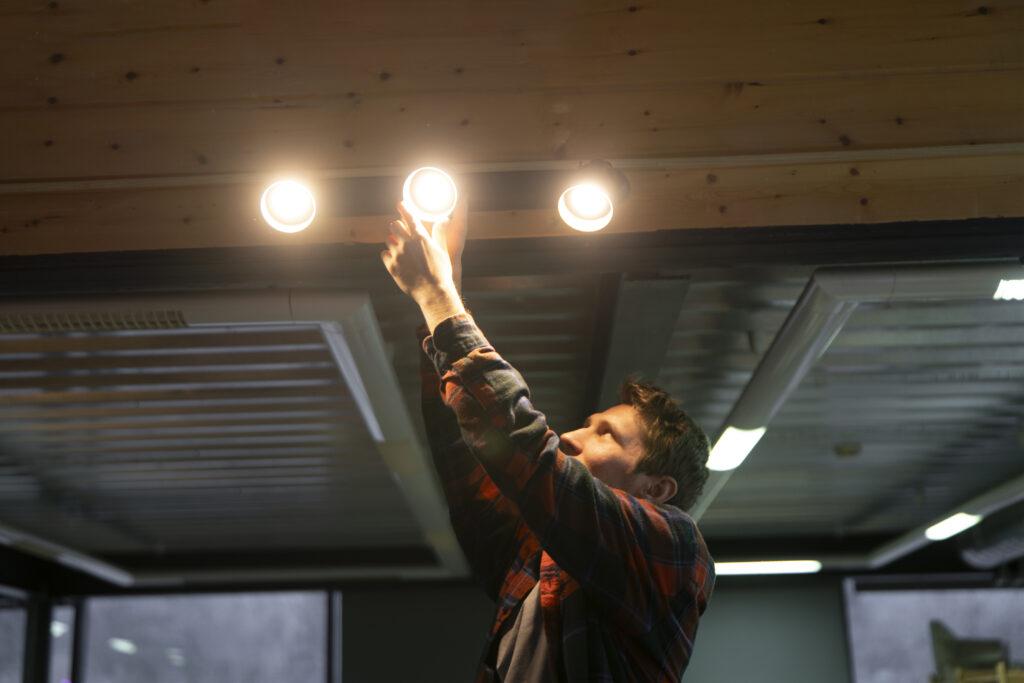
Incorporating LED lighting into your calculations significantly enhances the accuracy of your lighting load calculations. LED bulbs consume less power, allowing for more lighting options without exceeding your electrical system’s capacity. For homeowners in Wilmington, NC, this means achieving desired brightness levels while maintaining energy efficiency. This transition to LED lighting not only reduces your home’s electrical load but also contributes to a greener living environment.
When updating your lighting load calculations, including LED bulbs makes a noticeable difference. These bulbs offer a lower wattage alternative to traditional incandescent bulbs, directly impacting your total lighting load. Residents in Leland, NC, can benefit from this by upgrading to LED options, thus optimizing their home’s electrical usage. This simple switch ensures that your lighting system remains within safe operational limits, avoiding overloads.
Understanding the long-term benefits of LED lighting aids in making informed decisions about your home’s electrical needs. LEDs have a longer lifespan, which means fewer replacements and less waste over time. This aspect is particularly appealing for those looking to enhance their home’s lighting system while being mindful of environmental impacts. By including LEDs in your lighting load calculations, you’re choosing an efficient and sustainable option for your household.
Finally, consulting with a professional electrician can help tailor your lighting load calculations to include LED lighting effectively. They can provide insights into how best to integrate these energy-efficient bulbs into your home’s lighting design. Whether you’re in Wilmington or Leland, NC, an electrician’s expertise ensures that your lighting upgrades enhance your home’s efficiency without compromising on style or brightness. This professional guidance is invaluable in achieving a balanced, well-lit, and energy-efficient home.
Common Mistakes in Lighting Load Calculations
When homeowners in Wilmington, NC, embark on lighting load calculations, a common oversight is neglecting the diversity factor of their lighting systems. This factor accounts for the likelihood that not all lights will be on simultaneously, offering a more accurate estimate of the actual load. By incorporating this consideration, residents can avoid overestimating their electrical needs, leading to more cost-effective and efficient lighting solutions. Understanding this aspect ensures that your calculations reflect a realistic usage scenario, preventing unnecessary upgrades to your electrical system.
Another frequent mistake is overlooking the impact of voltage variations on lighting load calculations. In Leland, NC, fluctuations in voltage can affect the actual power usage of lighting fixtures, leading to inaccuracies in your calculations. It’s crucial to factor in these variations to ensure your lighting system operates within the safe limits of your home’s electrical capacity. Addressing this issue helps in maintaining the longevity of your lighting fixtures and the overall stability of your home’s electrical system.
Failing to update lighting load calculations after making changes to your home’s lighting setup is another common pitfall. Whether it’s adding new fixtures or switching to different types of bulbs, each alteration affects the total lighting load. Homeowners should revisit their calculations after any change to prevent potential overloads. This proactive approach keeps your electrical system safe and efficient, avoiding the inconvenience of tripped breakers or flickering lights.
Lastly, many underestimate the importance of professional guidance in conducting accurate lighting load calculations. Consulting with a professional electrician can uncover nuances that homeowners might miss, such as the specific requirements of advanced lighting technologies or local regulations in Wilmington and Leland, NC. An expert’s input ensures that your lighting plan is both safe and optimized for your home’s needs, providing peace of mind and enhancing the overall quality of your lighting system.
Planning for Future Lighting Needs
As homeowners in Wilmington, NC, consider enhancing or expanding their lighting systems, planning for future needs becomes essential. By incorporating lighting load calculations early on, you can ensure your electrical system will accommodate future additions seamlessly. This foresight prevents the need for costly upgrades or modifications down the line. It’s about being proactive, ensuring your home’s lighting and electrical system can evolve with your changing needs.
In Leland, NC, where homeowners might be eyeing future renovations or additions, understanding the potential impact on their lighting load is crucial. When you anticipate these changes, you can adjust your current lighting load calculations to include these future plans. This strategy not only saves time but also ensures that your lighting system remains efficient and capable of handling increased demand. It’s a smart approach to future-proofing your home’s lighting and electrical infrastructure.
Another aspect to consider is the evolving technology in lighting fixtures and bulbs. As innovations continue to emerge, they often bring more energy-efficient solutions that can affect your lighting load calculations. Homeowners should stay informed about these advancements, as they can offer opportunities to enhance lighting quality while maintaining or even reducing the electrical load. Keeping an eye on technological trends ensures your home remains at the forefront of energy efficiency and lighting design.
Lastly, consulting with a professional electrician about future lighting plans can provide invaluable insights. They can help adjust your lighting load calculations to account for future expansions or upgrades, ensuring your home in Wilmington or Leland, NC, remains safe and well-lit. This partnership not only helps in planning for the future but also in making informed decisions that align with your vision for your home’s lighting. It’s a collaborative effort that guarantees your lighting system is prepared for whatever the future holds.