
Understanding the essentials of a generator transfer switch is crucial for anyone considering a reliable backup power solution. These switches are pivotal in providing a seamless transition from utility to generator power during outages. Whether in Wilmington, NC, or Leland, NC, having a dependable standby power system is not just a luxury but a necessity for many. Knowing the differences between manual and automatic transfer switches, along with proper sizing and safety considerations, is the first step in integrating standby power smoothly.
Choosing the right generator transfer switch can be a daunting task without the correct information. Manual switches require someone to physically switch the power source from utility to generator, offering a straightforward, cost-effective solution. On the other hand, automatic transfer switches provide convenience by automatically detecting power loss and switching to generator power, ensuring continuous operation of essential appliances and systems. Each type has its place, depending on the needs and preferences of the homeowner in areas like Wilmington, NC.
Sizing a generator transfer switch correctly is as important as selecting the type. It must match the generator’s capacity to ensure safe and efficient operation. This involves understanding the power requirements of your home or business in Leland, NC, and ensuring the switch can handle the load. Safety considerations, such as proper installation and adherence to local electrical codes, cannot be overlooked to protect your property and loved ones.
In conclusion, whether you’re in Wilmington, NC, or the surrounding areas, integrating a generator transfer switch into your standby power system is a smart move for reliability and peace of mind. With the right knowledge on manual versus automatic switches, sizing, and safety, you can ensure a seamless and safe transition to backup power whenever it’s needed. This foundational understanding sets the stage for exploring deeper into how to make the best choice for your standby power needs.
Understanding Generator Transfer Switches
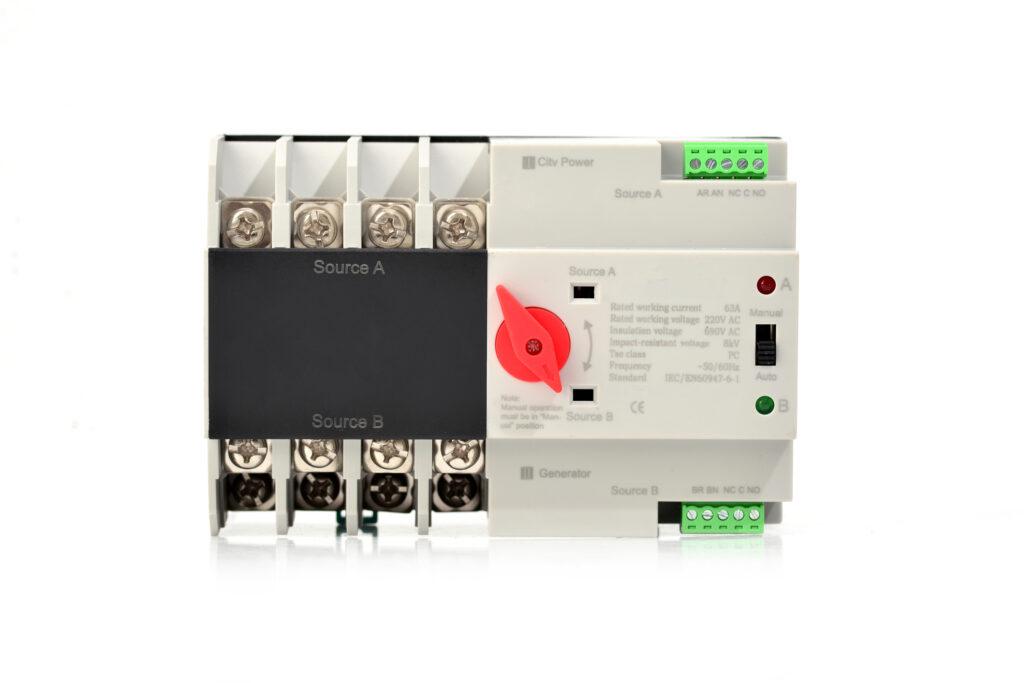
Understanding the nuances between manual and automatic generator transfer switches is vital for homeowners in Wilmington, NC, aiming for an efficient standby power system. Manual switches are budget-friendly and simple, requiring manual operation to switch from utility to generator power during outages. Automatic switches, however, offer a hands-off approach by automatically detecting power loss and initiating the switch to generator power, which is ideal for maintaining uninterrupted power supply. This distinction is crucial for making an informed decision that aligns with individual needs and preferences for backup power solutions.
Sizing a generator transfer switch accurately is paramount to ensure the safety and efficiency of your standby power system. It involves calculating the total power needs of your home or business in Leland, NC, and selecting a switch that can handle this load without overloading. An incorrectly sized transfer switch can lead to potential safety hazards or damage to the electrical system, emphasizing the importance of getting it right. Consulting with a professional can help in determining the precise requirements, ensuring your standby power system operates smoothly.
Safety considerations are at the forefront when integrating a generator transfer switch into your power system. Proper installation by a qualified electrician is essential to comply with local electrical codes and standards, safeguarding your property and loved ones. Additionally, regular maintenance checks are necessary to ensure the system’s reliability during unexpected power outages. These safety measures cannot be overlooked, as they are instrumental in providing a secure and efficient backup power solution.
In conclusion, whether opting for a manual or automatic generator transfer switch, understanding the correct sizing and adhering to safety protocols are critical steps for homeowners in Wilmington, NC, and surrounding areas. This knowledge ensures a seamless and safe transition to backup power, offering peace of mind during power outages. Making an informed choice about your generator transfer switch will contribute significantly to the reliability and efficiency of your standby power system.
Manual vs. Automatic Transfer Switches: A Comparison
When comparing manual and automatic generator transfer switches, it’s important to consider the level of convenience you desire. Manual switches, while more affordable, require physical interaction to change the power source from utility to generator. This might be suitable for those in Wilmington, NC, who prefer a hands-on approach and are present to manage the switch during outages. On the other hand, automatic switches offer a hassle-free operation by detecting power loss and activating the generator without human intervention.
Automatic generator transfer switches stand out for their ability to ensure a continuous power supply, making them ideal for critical systems that cannot tolerate interruption. For instance, homes in Leland, NC, with medical equipment or sensitive electronics benefit significantly from the instant switch to backup power. This automatic operation removes the risk of delay or human error, providing an immediate response to power outages. The convenience and reliability of automatic switches make them a preferred choice for many homeowners prioritizing ease and safety.
However, the choice between manual and automatic generator transfer switches isn’t solely about convenience. It also involves considering the installation and maintenance costs associated with each option. Automatic switches, while offering seamless operation, typically come with higher initial costs and may require more complex installation and regular maintenance. Homeowners must balance these factors against the benefits to determine the best fit for their standby power needs.
Ultimately, the decision between manual and automatic generator transfer switches hinges on personal preferences, budget, and the specific requirements of your standby power system. Both types have their advantages, whether it’s the cost-effectiveness and simplicity of manual switches or the convenience and reliability of automatic ones. By carefully assessing your needs and consulting with professionals, you can select the most suitable generator transfer switch for your home in Wilmington, NC, ensuring a reliable backup power solution.
How to Choose the Right Size Generator Transfer Switch
Choosing the right size generator transfer switch is crucial for a seamless and safe transition to backup power. It ensures that your standby power system in Wilmington, NC, operates efficiently without overloading. To select the appropriate size, you must first calculate the total wattage of the appliances and systems you wish to power during an outage. This step is essential for the safety and functionality of your backup power system.
Understanding your power needs helps in making an informed decision about the size of the generator transfer switch. If the switch is too small, it might not handle the load, leading to potential safety hazards. Conversely, a switch that’s too large could mean unnecessary expenses. Consulting with a professional can provide clarity and ensure you choose a switch that matches your generator’s capacity and your home’s power requirements.
Safety is a top priority when integrating a generator transfer switch into your standby power system. Proper sizing plays a significant role in preventing overloads and ensuring the system’s reliability. Homeowners in Leland, NC, should also ensure their chosen switch meets local electrical codes and standards. This adherence to safety protocols protects your property and loved ones during power outages.
In conclusion, selecting the right size generator transfer switch is a critical step for homeowners seeking a reliable backup power solution. It requires understanding your power needs, consulting with professionals, and prioritizing safety through compliance with local codes. By carefully considering these factors, you can ensure a smooth and safe transition to backup power, offering peace of mind during unexpected outages.
Safety First: Installing Your Generator Transfer Switch
Ensuring the safety of your home and loved ones starts with the proper installation of your generator transfer switch. A professional electrician should always perform the installation to comply with the electrical codes in Wilmington, NC. This not only guarantees a secure connection to your backup power system but also prevents potential hazards. Adhering to these standards is crucial for the safety and efficiency of your standby power solution.
Regular maintenance of your generator transfer switch is equally important to ensure its reliability during power outages. Inspections can identify any issues before they become serious problems, especially in areas like Leland, NC, where storms might cause frequent power disruptions. Scheduled checks by a qualified technician can keep your system in top condition, ready to switch to backup power smoothly and safely. This proactive approach minimizes the risk of failure when you most need your backup power.
Understanding local electrical codes and standards is vital for anyone planning to integrate a generator transfer switch into their power system. These regulations are designed to protect properties and individuals from electrical mishaps. By ensuring your installation meets these requirements, you safeguard your home against electrical fires and other dangers. It’s a step that underscores the importance of safety in the seamless operation of your standby power system.
In conclusion, the installation and maintenance of your generator transfer switch are foundational to the safety and effectiveness of your backup power system. Professional installation and adherence to local codes in Wilmington, NC, ensure your setup is both safe and compliant. Regular maintenance checks further contribute to the system’s reliability, offering peace of mind during unexpected power outages. By prioritizing these safety measures, you ensure a seamless and secure transition to backup power whenever it’s needed.
The Benefits of an Automatic Generator Transfer Switch
The benefits of choosing an automatic generator transfer switch extend far beyond the convenience of not having to manually initiate your backup power. Homeowners in Wilmington, NC, appreciate the peace of mind that comes from knowing their essential appliances and systems will continue running without interruption during a power outage. This type of switch automatically detects a loss of power and switches to the generator, ensuring a seamless transition. It’s an invaluable asset for maintaining comfort and safety in times of uncertainty.
In addition to providing an uninterrupted power supply, automatic generator transfer switches are designed for efficiency and reliability. They minimize the risk of human error, which can occur with manual switches under the stress of an emergency situation. For residents in Leland, NC, where weather can be unpredictable, this reliability is crucial. It ensures that critical systems like heating, cooling, and refrigeration are consistently powered, protecting your home and belongings.
Safety is another significant advantage of automatic generator transfer switches. By automatically managing the transition between power sources, they reduce the risk of electrical surges that could harm your home’s electrical system and connected devices. This automatic operation adheres to local electrical codes, offering an added layer of protection for your property. It’s a smart choice for homeowners who prioritize the safety of their electrical systems and the well-being of their families.
Ultimately, the decision to invest in an automatic generator transfer switch is a decision to invest in the security and efficiency of your home’s standby power system. These switches not only offer convenience but also ensure that your power supply is reliable, safe, and compliant with local regulations. For those in Wilmington, NC, and surrounding areas, it’s a worthwhile addition to any home’s emergency preparedness plan, providing a seamless solution to power outages.
Generator Transfer Switch Installation Process
Installing a generator transfer switch is a critical step in ensuring your home in Wilmington, NC, has a reliable backup power system. The process begins with selecting the right type of switch, manual or automatic, based on your specific needs and preferences. A professional electrician should always carry out the installation to ensure it meets all local electrical codes and standards. This step is essential for the safety and efficiency of your standby power solution, safeguarding your property and loved ones.
The electrician will first assess your home’s electrical system and the generator’s capacity to determine the best installation approach. They will then install the generator transfer switch in a location that allows for easy access and operation. This careful planning ensures that the switch can effectively manage the transition from utility to generator power without any issues. Residents in Leland, NC, will find that a properly installed transfer switch makes power outages less disruptive.
Maintenance is another crucial aspect of the generator transfer switch installation process. Regular checks and servicing by a qualified technician can prevent potential problems before they arise. This proactive approach keeps the system ready to switch to backup power smoothly and safely, providing uninterrupted power supply during outages. It’s a vital step for homeowners who value the reliability of their standby power systems.
In conclusion, the installation of a generator transfer switch involves careful planning, professional execution, and ongoing maintenance. By ensuring the process is carried out correctly, homeowners in Wilmington, NC, and Leland, NC, can enjoy a seamless and safe transition to backup power. This preparation brings peace of mind, knowing that their homes are protected against unexpected power disruptions.
Maintenance Tips for Your Generator Transfer Switch
Maintaining your generator transfer switch is crucial for ensuring it operates efficiently, especially in Wilmington, NC, where weather can be unpredictable. Regular inspections can identify potential issues before they escalate into costly repairs. It’s advisable to schedule these checks at least once a year to ensure the switch functions correctly. This proactive approach not only extends the life of your switch but also guarantees a reliable power source during outages.
In Leland, NC, it’s important to keep the area around your generator transfer switch clear of debris and obstructions. This ensures easy access for both maintenance purposes and emergency operations. Additionally, keeping the switch clean from dust and dirt can prevent operational issues. A simple routine of visual checks and cleaning can significantly contribute to the switch’s longevity and reliability.
Another key maintenance tip is to test your generator transfer switch regularly to confirm it’s ready to perform when needed. This testing should simulate actual power outage conditions to ensure the switch properly activates the generator. Such tests can reveal any operational flaws or delays in switching from utility to generator power, allowing for timely adjustments or repairs.
Lastly, always consult with a professional electrician for any maintenance tasks beyond basic checks and cleaning. They possess the expertise to safely and effectively address more complex issues and can provide valuable advice on keeping your generator transfer switch in top condition. Relying on professionals ensures that your backup power system meets all local electrical codes and operates safely during every power outage.
Legal and Code Compliance for Generator Transfer Switches
Ensuring your generator transfer switch meets legal and code compliance is crucial in Wilmington, NC. Local regulations dictate specific requirements for installation and operation to guarantee safety. Homeowners must work with certified electricians who are familiar with these standards. This step not only ensures compliance but also enhances the reliability of your backup power system.
In Leland, NC, adhering to electrical codes extends beyond installation. It includes the type of generator transfer switch used and its placement in relation to the main electrical panel. Regular inspections by local authorities may be required to maintain compliance. These measures protect against electrical hazards, safeguarding both property and residents.
Understanding the legal requirements for a generator transfer switch can seem daunting. However, professionals in this field are equipped to navigate these regulations efficiently. They ensure that your system not only meets local codes but also operates optimally. Relying on their expertise can save homeowners time and prevent potential legal issues.
Finally, maintaining code compliance for your generator transfer switch is an ongoing responsibility. It involves keeping up with changes in local regulations and scheduling periodic reviews of your system. Staying proactive in these tasks ensures your standby power system remains safe, reliable, and legal, providing peace of mind during power outages.