
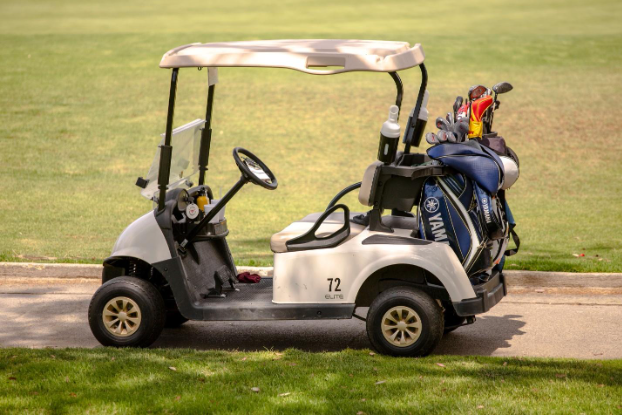
Key Takeaways About Golf Cart Charging Safety
Golf cart charging safety covers risks from batteries chargers and electrical connections. This summary is for homeowners and property managers who charge carts at home and need quick guidance to prevent hazards.
- Identify frayed cords damaged plugs and scorch marks early.
- Prevent overloaded circuits by using a dedicated properly rated circuit.
- Avoid using chargers that emit burning odors or inconsistent indicators.
- Spot overheating batteries bulging leaks or unusual chemical smells promptly.
- Reduce fire risk by keeping chargers ventilated and on noncombustible surfaces.
- Plan professional inspections when breakers trip repeatedly or arcing noises occur.
Introduction
Golf cart charging safety matters because batteries and chargers can create real electrical and fire hazards in the garage. Homeowners often leave carts plugged in overnight and miss early warning signs like heat, strange smells, or buzzing sounds. A forgotten problem can damage property and create a risk to family members or pets. In coastal areas battery issues can worsen if attention is delayed.
Overheating batteries, faulty chargers, and poor electrical connections are common causes of incidents around charged carts. These faults can lead to smoke, melting insulation, or a tripped main breaker during peak charging. Recognizing the difference between a normal charge and a risky condition helps prevent escalation. Local electrical systems that are already stressed increase the chance of trouble.
Properties in Conway, SC may face similar risks if chargers are used on older circuits or in damp spaces. Moisture and corrosion can hide behind outlets and produce higher resistance or arcing. That creates additional heat that batteries and chargers do not tolerate well. Regular checks of outlets, cords, and charging areas reduce the chance of unseen failure.
When a charger or battery smells like chemicals or a circuit repeatedly trips, stop using the equipment and seek professional help. A qualified electrician can inspect the service panel, GFCI protection, and circuit capacity for safe charging. Acting early prevents small faults from becoming fires or costly damage. Keep awareness high around charging routines to protect people and property in Myrtle Beach, SC.
Common Electrical Hazards When Charging Golf Carts
Common electrical hazards when charging golf carts include exposed conductors, overloaded circuits, damaged cords, and poor grounding that raise shock and fire risk.
- Frayed charger cords can expose live wires.
- Overloaded circuits may trip breakers frequently.
- Loose outlet contacts can overheat and melt.
- Lack of grounding increases shock potential.
One frequent homeowner question asks whether a buzzing outlet is dangerous; yes, buzzing usually indicates loose connections or arcing that need inspection. A buzzing sound near the charger or outlet often means high resistance or a failing connection. If you hear that noise stop charging immediately and unplug the equipment. A licensed electrician can diagnose the exact cause safely.
Another common hazard is using an outlet without GFCI protection in damp garages, which allows dangerous current paths during faults. Inspectors check the GFCI, outlet mounting, and wiring for signs of corrosion or water intrusion. They also measure voltage and perform a continuity test to confirm proper grounding and circuit integrity. These simple checks reveal whether the circuit can safely handle the cart charger load.
Faulty or incompatible connections create heat at the plug, outlet, or junction box and can melt insulation or start a fire if left unchecked. Homeowners in Conway, SC should watch for discoloration, burn marks, or warm covers on outlets as early warning signs. An infrared camera scan during an inspection can confirm hotspots without touching energized parts. If the panel shows nuisance trips, an electrician will perform a load calculation and inspect the breaker and wiring.
Regular visual checks of cords, plugs, and outlet faces catch many hazards before they escalate and improve golf cart charging safety overall. For guidance on scheduling a professional check, consider contacting a local electrician to review the service panel and circuit capacity. Properties in Myrtle Beach, SC with older wiring may especially benefit from an electrical inspection to ensure safe charging routines. Document any symptoms and provide them to the electrician for faster diagnosis and repair.
Overheating Batteries Why It Happens and Actions
Batteries overheat when internal cells fail, when charging current exceeds manufacturer limits, or when ventilation is blocked near the battery bank. Heat builds inside lead-acid or lithium batteries and accelerates chemical breakdown, raising internal pressure and surface temperature. Homeowners should notice unusually hot battery cases, warped plastic, or bubbling electrolyte as early clues. If you detect these signs, stop charging and move people and pets away from the area.
Another common cause is poor cell balance or a bad cell that draws more current during charge, causing localized heating inside the battery pack. A simple diagnostic step a technician uses is a voltage and specific gravity check across each cell or module to spot imbalance. Professionals may also use an infrared camera to map surface temperatures and identify hot spots without touching the battery. Those measurements guide whether the battery can be repaired or needs replacement.
Charging at too high a voltage or using the wrong charge profile also causes overheating, especially with modern batteries requiring multi-stage charging. A homeowner can check the charger's label for output voltage and compare it to the battery manufacturer's recommendations before use. If the charger lacks temperature compensation or automatic float control, it may keep pushing current and overheat the battery toward the end of charge. Replace or stop using chargers that do not match battery specifications to reduce risk.
Blocked airflow and dirty terminals raise resistance and concentrate heat at connections during charging, which damages both the battery and wiring. Inspect terminals for corrosion, tighten loose clamps, and keep the charging area clean and ventilated to prevent heat buildup. In Conway, SC properties with enclosed garages, ensure the charger and batteries sit on a noncombustible surface away from combustibles. For help with testing battery cells, charger output, or wiring connections, consider scheduling an electrical inspection with a qualified technician who can produce a written report.
Faulty Chargers How They Fail and When to Replace
Chargers can fail in stages, starting with intermittent output and progressing to complete shutdown under load. A dying charger may show inconsistent LED indicators or cycle on and off while connected. Technicians often measure output voltage and current with a multimeter to confirm whether the charger holds rated values. If readings fall outside manufacturer tolerance, replacement prevents unpredictable charging behavior and battery damage.
Internal component failure can produce heat or a burning odor from the charger housing, indicating insulation breakdown or shorted components. Visible swelling, cracked plastic, or melted strain relief at the cord entry are clear physical signs to stop use immediately. A professional will open the unit only after disconnecting power and inspect the transformer, rectifier diodes, and capacitors for burn marks or leakage. These inspections determine whether repair is practical or whether purchasing a new charger is safer.
Some chargers lose safety features like automatic shutoff or temperature compensation, which raises risk when left unattended during overnight charging. To diagnose this, a technician performs a timed charge while monitoring battery voltage, charger temperature, and current taper behavior. If the charger fails to taper current as the battery nears full charge, it may overcharge and stress internal cells. Replacing chargers without these safeguards reduces long-term battery life and increases fire risk.Faulty cords and connectors account for many charger-related problems and often hide under insulation or tape, so inspect both plug and cord length carefully. An electrician can test continuity, check for high-resistance joints with a clamp meter, and examine the outlet for secure contacts during diagnosis. Property owners should also consider replacing chargers showing repeated faults or physical damage to the cord. For guidance on scheduling a professional inspection or charger replacement, consult an electrician experienced with golf cart charging systems.
Fire Risk Scenarios and When to Evacuate
A small smoldering smell or thin smoke near a charging cart can escalate quickly into visible flames, and you should treat it seriously. If you see smoke, unplug the charger only if you can do so without reaching into flames or risking shock. Move people and pets away from the garage or charging area and close the door behind you to slow oxygen flow. Call emergency services immediately if flames appear or smoke fills the space.
- Turn off the circuit breaker if it is safe to reach.
- Keep a fire extinguisher rated for electrical fires nearby.
- Do not pour water on an electrical or battery fire.
- Evacuate everyone and call 911 for any visible fire.
If the charger overheats and emits a persistent burning odor without open flame, leave the area and ventilate from a safe distance. A qualified electrician will inspect the outlet, breaker, and charger for hidden damage before you use the circuit again. Technicians often look for melted insulation, discolored wiring, and tripped AFCI or GFCI devices during diagnosis. These inspections can reveal faults that simple visual checks miss.
When a battery bulges, leaks electrolyte, or emits a sharp chemical smell, treat it as an urgent hazard and avoid breathing fumes. Professionals use voltage checks, specific gravity tests for lead-acid cells, and infrared scans to confirm internal failure and the risk of thermal runaway. For homeowners in Conway, SC, quick action reduces property exposure and helps first responders assess risk. Schedule a professional evaluation in Myrtle Beach, SC when any of these signs occur to confirm safety and plan repairs.
Warning Signs of Unsafe Charging to Monitor
Watch for persistent tripping of the same breaker while charging, as repeated trips often point to an overloaded circuit or a hidden short. A homeowner may notice slower charging or dimming lights when the cart charges, which signals shared-circuit stress needing diagnosis. An electrician will perform a load calculation and inspect the GFCI or AFCI to confirm if the circuit matches the charger's draw.
Unusual thermal patterns on equipment surfaces can show unsafe conditions before visible damage appears, especially at plugs and terminal connections. Feel outlet plates and charger plugs carefully; a warm-to-hot surface is not normal and deserves immediate attention. Professionals use infrared cameras or surface temperature readings to pinpoint hotspots without disassembly. Those measurements support decisions on replacing connectors, tightening terminals, or upgrading the circuit.
Faint arcing noises or a ticking sound near the charger or panel indicate unstable connections that can worsen into sparks. If you hear such noises during charging, stop the charging session and avoid touching terminals before a qualified electrician inspects the outlet and junction box. During diagnosis, a tech will perform a continuity test and inspect for loose screws, degraded insulation, or signs of arcing. Early intervention reduces the chance of burned conductors and fire-starting conditions.
Watch for physical changes to batteries or wiring that develop gradually, such as crusty corrosion, cracked insulation, or shifted battery mounts that rub wiring. These slow-developing issues often produce intermittent faults that are hard to reproduce but show on a careful visual inspection or in a written report. A technician might record voltage readings and take photos to track degradation over time and recommend corrective steps. Homeowners in Conway, SC should keep charging areas dry and visible to catch these signs early.
If the charger behaves inconsistently with indicator lights flashing or failing to complete a normal charge cycle, it may have internal control faults needing replacement. A professional will inspect charger output with a multimeter, check current taper behavior, and examine the casing for hidden heat damage. Maintain a log of charger behavior and bring it to the appointment to speed up diagnosis and parts ordering. For help scheduling a detailed inspection, consult a licensed electrician in Myrtle Beach, SC experienced with golf cart charging systems.
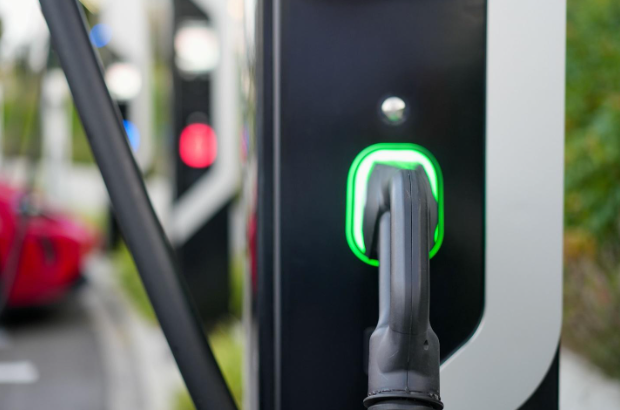
Photo from iStock - Credit: Wirestock
Safe Charging Practices for Everyday Homeowners
Place the charger on a stable, noncombustible surface away from equipment and combustibles to reduce heat transfer risks. Keep cords untangled and off the floor to prevent tripping that can damage connectors or strain reliefs. Position the cart so airflow reaches the battery area during charging to help dissipate normal heat buildup. For homeowners, this small arrangement change can lower the chance of hidden damage in humid garages.
Use a dedicated circuit sized for the charger's continuous current rating to avoid shared-circuit overload and nuisance trips. Label the breaker and outlet for the golf cart so others do not add loads to that circuit accidentally. Test any outlet used for charging by measuring voltage under load if you suspect drops when the cart charges. If voltage falls more than a few volts under charge, stop using that outlet until a professional inspects the wiring.
Follow the charger and battery manufacturer's simple steps for connection sequence and temperature limits to prevent misuse that stresses cells. Keep charger vents clear and avoid covering the unit during operation to prevent internal overheating. Check connector pins for tight contact and clean terminals with a brush rated for electrical use when you see corrosion. If the charger lacks clear status indicators, monitor the session periodically and disconnect if abnormal sounds or smells develop.
Store replacement batteries and spare chargers in a separate ventilated area away from living spaces to limit exposure if a failure starts. Install a working smoke detector near the garage and replace batteries regularly to ensure early warning during charging incidents. Consider scheduling a professional inspection if you notice repeated oddities like slow charging, flickering lights, or outlet warmth. For arranging an electrical check or charger assessment in Conway, SC contact a licensed electrician to confirm circuit capacity and safety.
Preventive Maintenance Steps for Long Term Safety
Develop a simple maintenance schedule that notes dates for visual checks, terminal cleaning, and charger function tests to reduce long-term risk. Keep a small log with observations like odor, charge duration, or outlet warmth after each session to spot trends. Rotate tasks so batteries receive a thorough inspection at least every few months to detect gradual degradation. When you notice a repeated symptom, escalate to a professional for a hands-on diagnostic and documented recommendations.
- Inspect charger cords for stiffness or cracking.
- Clean battery terminals and apply protective grease.
- Verify charger output with a multimeter periodically.
- Check circuit breakers and label the dedicated outlet.
Include checks of mounting and ventilation to prevent vibration damage and blocked airflow around the battery compartment. Tighten terminal clamps and secure loose wiring to avoid resistance heating at connections. A technician will often re-torque connections during an inspection to manufacturer spec when performing a follow-up service. Homes in Conway, SC with garages that host multiple tools should pay attention to vibration and storage placement.
Schedule an annual professional inspection that includes voltage under load testing, continuity checks, and an infrared scan to find hidden hotspots before they fail. A licensed electrician can perform a load calculation and inspect the GFCI or AFCI protection to confirm safe circuit capacity. Keep inspection reports and measurement readings so future technicians can compare trends and recommend replacements when needed. For help arranging a qualified inspection or charger assessment in Myrtle Beach, SC, contact electrical services to schedule a visit.
When to Call a Professional Service for Inspections
If you notice intermittent charging behavior combined with warm outlet covers, schedule professional electrical inspections promptly. A licensed electrician will test voltage under load, check breaker trip history, and inspect the junction box for loose connections. They may also use an infrared camera to find hidden hotspots without touching energized parts. Bring your log of symptoms to help the technician replicate the issue quickly.
Call for an inspection when batteries emit a sharp chemical smell or show physical distortion during charging sessions. The technician will perform cell-specific voltage checks and, for lead-acid banks, specific gravity measurements to confirm internal failure. They will also verify charger output with a multimeter and observe current taper behavior during a timed charge. Written findings help decide between repair and replacement.
Request a professional check if your garage circuit is older, has multiple shared loads, or shows repeated nuisance trips during charging in Conway, SC. During the visit the electrician will perform a load calculation, inspect AFCI and GFCI protection, and assess wiring gauge versus charger draw. They may recommend a dedicated circuit or upgraded breaker if the existing setup cannot safely handle continuous charger current. A clear report will outline corrective actions and estimated timelines.
Schedule an inspection whenever you detect faint arcing sounds, burning odors, or visible melting near plugs and connectors in Myrtle Beach, SC to reduce fire risk. The inspector will perform continuity tests, examine strain reliefs, and test connector resistance under load to locate high-resistance joints. If needed, they will document conditions and provide a repair plan that includes component replacements and safety upgrades. Acting early prevents escalation and preserves battery and home safety.













