
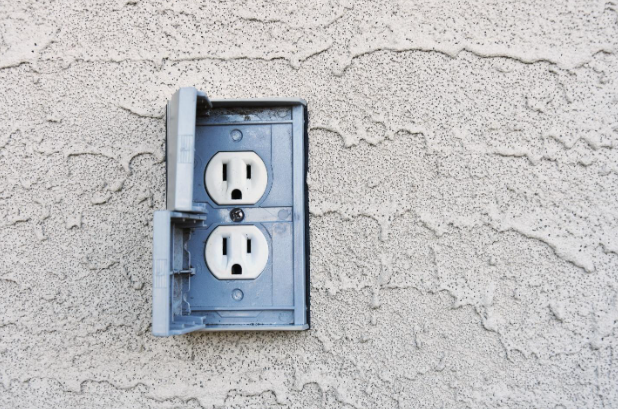
Key Takeaways About Outdoor Electrical Outlets
Outdoor electrical outlets are exterior receptacles designed to provide power while resisting moisture and corrosion. This summary is for homeowners and property managers who need quick safety and maintenance guidance when outlets show wear or fail.
- Identify visible corrosion discoloration or loose connections promptly.
- Prevent moisture intrusion with proper gaskets and weatherproof covers.
- Avoid sprinkler spray and direct irrigation aimed at outlet boxes.
- Spot warming plugs buzzing sounds or burnt smells during use.
- Reduce corrosion risk by using stainless fasteners and sealed fittings.
- Plan regular inspections and professional testing for persistent problems.
Introduction
Outdoor electrical outlets can face constant moisture, salt air, and temperature swings that speed up corrosion and create shock risks. Homeowners in Myrtle Beach, SC often notice discoloration, loose plugs, or outlets that trip without obvious reason. Those visible signs point to underlying damage to the grounding conductor, GFCI, or the outlet housing. Addressing these problems matters to prevent costly repairs and reduce fire and electrocution hazards.
Wet outlets and corroded contacts reduce conductivity and increase resistance, which raises heat at connections. A humming breaker, flickering porch lights, or scorch marks near an outlet are warning signals that should not be ignored. Moisture intrusion can also damage wiring inside junction boxes and the service panel over time. Ignoring early clues allows small faults to grow into dangerous failures.
Properties in Conway, SC with older outdoor boxes or without weatherproof covers are particularly vulnerable during heavy rains and storms. Salt-laden air near the coast accelerates metal breakdown and can make GFCI mechanisms less reliable. Regular checks and proper protective equipment help preserve outlet function and safety. Knowing what to look for helps you decide when to call a licensed electrician.
A professional diagnosis looks for visible corrosion, measures voltage and continuity, and tests GFCI trip response to confirm outlet health. Inspection may include opening the junction box to check wire condition and testing connections with a voltage reading or continuity test. A clear record of findings guides safe repairs or replacements and helps maintain code compliance. Acting on early signs prevents interruptions and keeps outdoor circuits safe for everyday use.
Why Outdoor Electrical Outlets Corrode in Myrtle Beach
Corrosion of outdoor electrical outlets is the chemical and electrochemical breakdown of metal components exposed to moisture and salts. Salt air speeds metal oxidation and weakens contact points faster than freshwater alone. Homeowners often ask whether salt alone can ruin an outlet, and the short answer is yes, salt accelerates corrosion on terminals and screws. Corroded contacts increase resistance and can cause overheating or intermittent power at the outlet.
- Salt deposits form on metal parts.
- Moisture wicks into cracks and crevices.
- Galvanic corrosion can occur between different metals.
- UV exposure makes plastics brittle over time.
Electrochemical action happens when metal parts and damp conditions create a small battery across contacts. That process often shows up as green or white powdery deposits on terminals or screws. A homeowner might see loose plugs or feel heat at a plug as a direct symptom of this corrosion. Professionals confirm the issue by inspecting terminals, measuring voltage, and testing continuity across the outlet.
Metal housings, outlet screws, and even the grounding conductor can suffer breakdown from repeated wetting and drying cycles. In Myrtle Beach, SC the combination of humidity and salt increases the rate of metal loss and connector failure. Older boxes with mixed metal parts are especially vulnerable to galvanic corrosion over time. If corrosion reaches the wiring or GFCI, replacement becomes the safest option.
Corrosion also damages seals and weatherproof gaskets that keep water out of junction boxes and receptacles. In Conway, SC homes, failing seals often allow persistent moisture that hides under covers and accelerates internal damage. A clear diagnostic step is removing the cover to inspect for powdery deposits, then performing a continuity test on the receptacle and grounding conductor. If testing shows high resistance or visible rust on the contacts, plan for repair or replacement by a licensed electrician.
Common Moisture Sources Affecting Outdoor Electrical Outlets
Rain-driven moisture is a common source that soaks outlet covers and finds tiny gaps around gaskets and screws. Water can travel along the cable sheath into junction boxes where it pools on terminals and creates corrosion over time. Heavy downpours often push water into poorly sealed outdoor electrical outlets through the smallest entry points around the cover. A quick homeowner check after a storm is to look for visible dampness or water stains on the box and nearby siding.
Sprinkler overspray and irrigation heads aimed at the house routinely deliver fine water droplets that wick into receptacles and mounting cavities. That constant wetting and drying speeds loss of protective coatings on metal contacts and screws, which raises the chance of arcing or high resistance. Plants and mulch placed against exterior walls can trap moisture against the box face and prevent proper drying. In Conway, SC properties with automatic irrigation, adjusting head position reduces this moisture risk around outdoor outlets.
Condensation forms when humid air cools on metal surfaces of the outlet box or conduit, especially during night-to-morning temperature shifts near the coast. Salt-laden air in Myrtle Beach, SC increases the conductivity of any condensate and accelerates electrochemical attack on terminals. Condensation often shows as fogging inside clear covers or droplets around the gasket edge, and it can persist inside poorly ventilated boxes. A professional diagnosis will include opening the box to look for corrosion patterns and using a moisture meter to confirm internal dampness.
Ground-level flooding or pooling from blocked drains sends water up exterior walls and directly into outlets mounted low on the facade or on deck posts. Flood water carries debris and salts that abrade seals and coat contacts with conductive residue that causes nuisance trips and short circuits. Visible silt or staining on the box exterior is a clue that water reached the internals and requires inspection. An electrician would check continuity of the grounding conductor and perform voltage readings to determine if moisture has compromised the circuit.
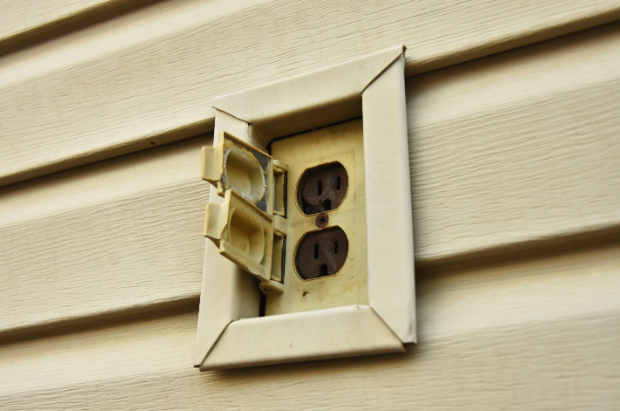
Photo from iStock - Credit: PamWalker68
Warning Signs of Damaged Outdoor Electrical Outlets
Discolored or brittle outlet plates and cracked plastic housings often signal that moisture has repeatedly reached internal parts. A homeowner might smell faint burning near the receptacle or notice a warm plug when devices feel hot. Intermittent power or appliances that only work when the plug is held at a certain angle point to loose or corroded terminals. An electrician would check for high-resistance connections using a voltage reading and continuity test to confirm the fault.
Frequent GFCI trips without an obvious wet load suggest internal leakage or a failing ground-fault device inside the outdoor electrical outlets. Visible green or white deposits on screws and terminals indicate active corrosion that weakens contact area over time. Buzzing or arcing noises when using an outlet are signs of intermittent contact and potential arcing, which creates fire risk. A pro would isolate the circuit and use a voltage meter to track intermittent spikes or drops during operation.
Rust streaks or mineral deposits around the gasket edge often mean seals no longer keep water out of the junction box. If an outlet cover fills with condensation or if puddles form under the box after light rain, internal components likely stayed wet. Loose mounting or a tilted box can allow water to pool against receptacles and accelerate failure of the grounding conductor. During inspection, a technician may remove the cover and photograph corrosion patterns and record continuity on the grounding conductor for a written report.
Scorch marks, melted plastic, or blackened terminals show overheating from poor contact or corrosion and require immediate attention. Burning odors combined with these visual signs point to arcing or high-resistance heating that can damage wiring and breakers. In Conway, SC many homeowners act quickly when they see such damage to reduce risk to siding and nearby materials. For properties in Myrtle Beach, SC a licensed electrician can confirm damage levels and recommend safe replacement of the receptacle or box.
Weatherproof Covers and GFCI Protectors Explained
Weatherproof covers come in two common styles: in-use bubble covers and sealed gasket covers that protect outdoor electrical outlets during use. Bubble covers let you plug in devices while the cover closes around the cord, keeping rain and spray away from the receptacle. Sealed gasket covers offer a tight barrier when devices are not plugged in, preventing moisture and salt from reaching the terminals. Choosing the correct style depends on how often you use the outlet and whether cords will be left connected.
- Choose a cover rated for outdoor use.
- Pick models labeled for “while-in-use” when cords stay connected.
- Inspect gaskets for cracks annually.
- Replace covers with visible UV damage.
GFCI protectors reduce electrocution risk by cutting power when current leaves the intended path to ground. Many outdoor circuits must use GFCI protection to trip quickly on small leakage currents. A homeowner can press the test and reset buttons to confirm basic function, but professional testing yields more reliable results. If a GFCI will not reset or trips repeatedly with no load, further diagnosis is necessary.
During a professional diagnosis, the electrician will check voltage at the receptacle and measure leakage to ground with a clamp meter or similar tool. They inspect the GFCI device and the downstream wiring for corroded terminals or loose connections that cause nuisance trips. Photographs of damage and recorded voltage or continuity readings support a clear repair plan. This documented approach helps homeowners prioritize replacing the cover, the receptacle, or both.
How to Properly Seal and Protect Outlet Boxes
Start by replacing old gaskets and silicone seals around the box face to stop capillary action of moisture. Use a silicone caulk rated for exterior electrical work, applying a thin bead where the box meets siding and around conduit entries. Press the gasket firmly so the seal compresses without folding, and wipe excess sealant before it skins over. Allow the manufacturer-recommended cure time before restoring power or closing the cover to ensure a watertight joint.
For boxes with visible corrosion, remove the receptacle and clean terminals with a soft brush and a contact cleaner designed for electrical parts. If copper conductors show green or white deposits, a continuity test and voltage reading should confirm whether replacement is necessary. A professional would also check the grounding conductor and the integrity of the junction box with an infrared camera when heating or high resistance is suspected. Record readings and photos to document the condition and guide repair decisions.
Where conduit or cable enters the box, install approved cable glands or threaded conduit connectors to keep a secure, sealed mechanical connection that resists water migration. Use foam backer rods in larger gaps before caulking to avoid excessive sealant use that will crack over time. Replace screws and mounting hardware with stainless steel to limit galvanic corrosion between mixed metals in a coastal environment like Myrtle Beach, SC. Tighten fasteners to hold covers flush so water cannot pool at the gasket edge.
Consider upgrading to a fully gasketed, weatherproof box with integrated drainage when repeated moisture appears inside the enclosure. A licensed electrician will test GFCI function, measure leakage to ground, and inspect internal wiring after installing the new box to confirm safety. For properties in Conway, SC, proper sealing reduces the frequency of nuisance trips and extends component life in humid conditions. If you detect burning odors, melted plastic, or persistent trips, contact a professional promptly for a safe repair plan.
Routine Maintenance Checklist for Homeowners Outdoor Outlets
Set a regular inspection schedule and mark it on your calendar to check outdoor electrical outlets every three to six months. During an inspection, look for loose covers, damaged gaskets, and any new discoloration on the receptacle face. Record simple observations and take photos so you can compare changes over time and decide if further action is needed. If you see melted plastic or scorch marks, stop using the outlet and get a professional assessment right away.
Perform basic functional checks each visit by testing the GFCI using the built-in test and reset buttons and noting whether the device trips correctly. Try a known-good device in the receptacle and feel for excessive heat at the plug while it runs for a few minutes. Check that mounting screws and cover hardware remain tight and that the cover sits flush against the wall to prevent water migration. Replace any cracked or UV-brittle covers immediately to maintain protective performance.
Include a moisture check by opening the cover and inspecting the box interior for dampness, rust flakes, or white powdery deposits on terminals and screws. Use a flashlight and magnifier if available to spot early corrosion that might not be obvious from outside the box. If you detect corrosion on terminals, note the location and have an electrician perform continuity and voltage tests to confirm whether the wiring or grounding conductor needs repair.
Plan seasonal maintenance tasks such as replacing gaskets annually and swapping exposed stainless steel fasteners every few years to reduce galvanic issues near the coast. Consider having a licensed electrician perform an annual professional inspection that includes voltage readings, continuity checks, and a recorded GFCI trip test. Homeowners in Conway, SC may choose to time this inspection before hurricane season to address any weakened seals or damaged hardware. For properties in Myrtle Beach, SC, documented inspection results help prioritize repairs and protect outdoor electrical outlets from progressive damage.
When to Call a Professional for Outlet Problems
Call a licensed electrician when outlets show signs you cannot safely test or fix yourself, such as persistent arcing noises or burning smells near the receptacle. A professional can perform detailed voltage readings and continuity tests to confirm hidden risks before repair. They will also remove the receptacle to inspect wire insulation and terminal condition behind the box. Delaying a professional check can allow minor faults to escalate into hazardous failures that affect other circuits.
- Repeated GFCI trips without a clear cause.
- Visible scorch marks or melted plastic.
- Loose or falling-apart outlet housings.
- Evidence of internal corrosion after opening the box.
- Moisture tracked into the junction box after storms.
If you suspect corrosion reached the grounding conductor or neutral, an electrician will isolate the circuit and test grounding continuity. They use a voltage meter, continuity test, and sometimes a clamp meter to measure leakage and confirm safe grounding. The professional may document readings and photos to prioritize repairs and show what parts need replacement. This diagnostic record helps homeowners decide whether to replace the receptacle, the box, or upstream protective devices.
For properties in Conway, SC periodic professional inspections are prudent when outlets sit in high-moisture zones or near irrigation. In Myrtle Beach, SC coastal exposure can hide progressive terminal degradation that a visual check misses. A technician will check connection torque, test GFCI trip time, and inspect for galvanic corrosion between mixed metals. After diagnosis, they provide clear recommendations and a written plan for safe repairs or replacements.
Preventing Storm and Salt Air Damage to Outlets
Start by replacing exposed metal hardware with stainless-steel fasteners and corrosion-resistant conduit fittings to reduce electrochemical attack. Apply a thin conformal coating to exposed terminals when an electrician confirms parts are dry and safe to coat. Use silicone-based lubricant sparingly on threaded entries to keep seals pliable without attracting dirt or salt. A professional can advise whether a coating is appropriate after inspecting for active corrosion or moisture retention. For more information about coastal corrosion, read our guide on how salt air damages electrical components.
During South Carolina storm season, elevate vulnerable outdoor equipment and use splash guards to divert driving rain away from receptacle faces and box seams. Install small drip edges above boxes to prevent water from running across the cover and into the gasket area. Securely fasten covers so wind does not pry them open during heavy gusts and allow water intrusion. If you notice salt spray accumulation, rinse with fresh water and dry thoroughly before reconnecting devices.
Professionals diagnose storm and salt-air damage by documenting visible deposits, measuring resistance, and performing a GFCI trip test under load. They may use a moisture meter and a voltage reading to find hidden dampness or high-resistance connections within the box. Technicians also check grounding conductor continuity and torque on terminal screws to ensure safe contact.
For long-term protection, consider a replacement weatherproof enclosure rated for coastal exposure and fitted with a drainage path to shed water. Regular rinsing of salt film and scheduled gasket replacement extend the life of outdoor electrical outlets in salty environments like Myrtle Beach, SC. Homeowners in Conway, SC should plan inspections after major storms to catch early deterioration before it affects circuits. When corrosion or repeated moisture appear, contact a licensed electrician to perform safe repairs and recommend enclosure upgrades.