
Embracing solar powered lighting is a brilliant step towards sustainable living, and it’s easier than you might think. Whether you’re nestled in the heart of Greenville, SC, or the surrounding areas of Taylors and Simpsonville, the sunny climate is ideal for harnessing solar energy. This guide is designed to illuminate the path for beginners eager to integrate solar powered lighting into their homes. From garden paths to cozy indoor corners, solar lights can brighten spaces without adding to your electric bill.
The journey to installing solar powered lighting starts with understanding the basics. Solar lights capture sunlight during the day, converting it into electricity to power LEDs by night. This process, entirely self-sufficient, requires no complex wiring, making it an appealing project for DIY enthusiasts. It’s a simple, yet effective way to reduce your carbon footprint and enhance your property’s appeal.
Choosing the right solar powered lighting for your space is crucial. Options range from decorative fairy lights for a whimsical garden ambiance to robust floodlights ensuring safety and security. Each type serves a unique purpose, catering to different lighting needs. Whether you’re in Simpsonville, SC, looking to light up a backyard patio, or in Taylors, SC, aiming to highlight your walkway, there’s a solar solution for you.
Finally, the installation process of solar powered lighting is straightforward and gratifying. With no need for professional help, you can set up your solar lights with ease, enjoying the fruits of your labor as the sun sets. Watching your garden or home come to life with these eco-friendly lights not only saves energy but also brings a sense of achievement. Dive into the world of solar powered lighting and join the movement towards a brighter, greener future.
Understanding Solar Powered Lighting Basics
Understanding the basics of solar powered lighting is the first step to embracing this eco-friendly technology. Solar lights work by collecting sunlight through a small panel, often called a solar cell. This sunlight is then converted into electrical energy, stored in a rechargeable battery during the day. When night falls, this stored energy powers the LED bulbs, providing illumination without the need for traditional electricity.
The beauty of solar powered lighting lies in its simplicity and versatility. Installation requires no complicated wiring or electrical work, making it an ideal project for DIY enthusiasts in Greenville, SC, and beyond. From Taylors, SC, where garden parties can shine under solar fairy lights, to Simpsonville, SC, where driveways can be safely lit with solar floodlights, the options are endless. This ease of installation combined with the variety of lighting options available allows homeowners to customize their spaces uniquely.
To ensure your solar lights perform optimally, positioning is key. They need direct sunlight to charge efficiently, so placing them in shady areas might result in dim or non-functional lights. It’s also important to consider the specific needs of your space. For instance, softer lighting might be perfect for creating ambiance in a garden, while brighter lights are better suited for pathways and security purposes.
Finally, maintaining your solar powered lighting system is straightforward. Regularly cleaning the solar panels and replacing batteries when necessary can significantly extend the life of your lights. This minimal upkeep not only ensures your outdoor and indoor spaces remain beautifully lit but also contributes to a sustainable lifestyle. By understanding these basics, you’re well on your way to successfully integrating solar powered lighting into your home, enjoying the benefits of renewable energy while reducing your environmental footprint.

Choosing the Right Solar Lighting for Your Needs
When choosing solar powered lighting, it’s essential to consider the specific needs of your space. Whether you’re looking to illuminate a cozy corner indoors or brighten up a garden path in Taylors, SC, there’s a solar light to suit every purpose. From decorative string lights that add a magical touch to robust pathway lights that ensure safety after dark, the variety is vast. Identifying the primary function of the lighting will guide you in making the right selection.
Next, think about the intensity and color of the light. Solar powered lighting comes in various shades from warm yellow to bright white. A softer glow might enhance the ambiance of a patio in Simpsonville, SC, while a brighter light ensures clear visibility in entrance areas. The choice of color temperature can dramatically affect the mood and usability of a space, making it a crucial factor to consider.
Installation location is another key factor. For optimal performance, solar lights require direct sunlight. This means placing them under dense foliage or in the shadow of buildings could limit their efficiency. Evaluate your property to find spots that receive ample sunlight, ensuring your lights will charge during the day and shine brightly at night. This step is vital for both aesthetic appeal and functional use.
Lastly, consider the design and durability of the solar lights. Outdoor lighting, in particular, needs to withstand various weather conditions. Look for options that promise longevity and complement the style of your home or garden. With the right choice, solar powered lighting not only serves its purpose but also adds to the visual appeal of your space, making it a win-win situation.
Essential Tools and Materials for Installation
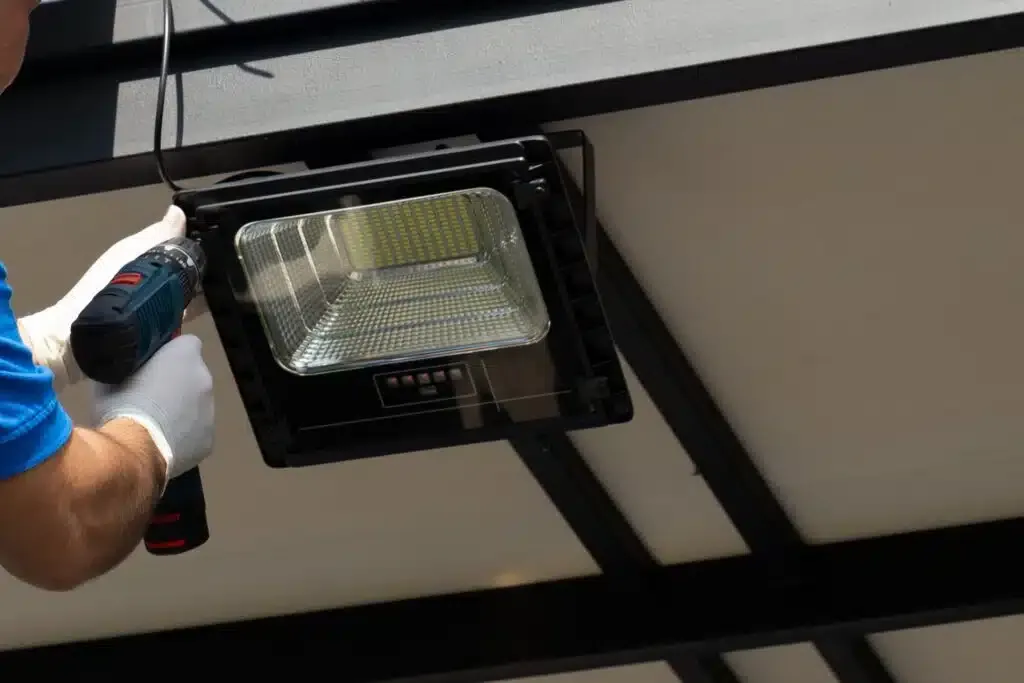
Now that you’ve chosen the perfect solar powered lighting for your space, gathering the essential tools and materials for installation is your next step. A basic toolkit should include a screwdriver, drill, and possibly a hammer, depending on the type of lights and where you plan to install them. In Taylors, SC, homeowners might also consider a tape measure to ensure even spacing between lights for a harmonious look. These simple tools are usually enough to secure your solar lights in place, making installation a breeze.
In addition to tools, having the right materials on hand is crucial for a smooth installation process. This includes screws or mounting stakes that typically come with your solar powered lighting kit. If your chosen lights are designed to be placed in the ground, like those illuminating a path in Simpsonville, SC, ensure the soil is soft enough for the stakes. For lights that attach to hard surfaces, make sure the included screws are the right size for your drill.
Before starting the installation, it’s important to plan where each light will go. This step not only ensures that your solar powered lighting is aesthetically pleasing but also functional. Consider marking the spots with chalk or a temporary marker, especially if you’re working on a larger project. This pre-planning helps avoid mistakes and ensures that each light will receive enough sunlight to operate efficiently.
Finally, carefully read the installation instructions that come with your solar powered lighting. Each model may have specific requirements or steps that are crucial for proper function. Whether you’re setting up a cozy outdoor nook in Greenville, SC, or lighting a walkway, following these guidelines will help you achieve the best results. With the right tools, materials, and a bit of planning, installing solar powered lighting can be a rewarding DIY project that enhances your home’s exterior or interior with beautiful, sustainable light.
Tips for Maximizing Efficiency of Solar Powered Lighting
Maximizing the efficiency of solar powered lighting starts with the optimal placement of each light. To ensure your lights in Taylors, SC, shine brightly, position them where they can receive maximum sunlight throughout the day. This might mean adjusting their location seasonally to account for changes in the sun’s path. Regularly checking and adjusting your lights guarantees they’re always in the best spot for solar charging.
Cleaning the solar panels is another crucial step for maintaining efficiency. Dust, leaves, and other debris can block sunlight, reducing the energy absorbed by your solar powered lighting. A simple wipe with a damp cloth can significantly increase the amount of sunlight captured. This small effort can lead to a noticeable improvement in lighting performance, especially in areas like Simpsonville, SC, where seasonal changes can affect debris accumulation.
Consider the landscape when installing solar lights to prevent potential obstructions. Trees, buildings, and other landscape features can cast shadows, limiting solar exposure. By strategically placing lights away from these potential obstructions, you ensure they receive uninterrupted sunlight. This foresight not only enhances efficiency but also prolongs the lifespan of your solar lights, making them a reliable source of illumination.
Finally, utilizing timers or motion sensors can extend battery life and increase the efficiency of your solar powered lighting. By ensuring the lights are only on when needed, you reduce unnecessary energy consumption. This smart approach to energy management complements the sustainable nature of solar lighting, making your outdoor areas in Greenville, SC, and beyond both beautifully lit and environmentally friendly.
Installing Solar Lighting Indoors: What You Need to Know
While outdoor solar powered lighting has become a popular choice for many, bringing this technology indoors requires a bit of creativity and planning. For residents in Taylors, SC, incorporating solar powered lighting into indoor spaces can brighten rooms without relying on traditional electricity. Positioning the solar panels outside a window or in a sunroom where they can gather ample sunlight is crucial. This setup ensures that even indoor lights benefit from solar energy, keeping your home illuminated in an eco-friendly manner.
Transitioning to solar powered lighting indoors also means considering the type of fixtures that best suit your space. Whether it’s wall-mounted lights for a cozy reading nook or string lights for a playful ambiance, the options are versatile. In Simpsonville, SC, homeowners often opt for decorative solar lamps that can easily be repositioned to capture the most sunlight during the day. This flexibility allows for efficient energy use while enhancing the aesthetic appeal of your indoor areas.
Moreover, understanding the charging and storage capabilities of your solar powered lighting system is essential. Solar lights need sufficient daylight to charge, which might be a challenge during shorter winter days. Investing in lights with a high-capacity battery ensures they can store enough power to last through the night, providing a consistent and reliable source of light. This consideration is particularly important in areas where natural light may be limited at certain times of the year.
Finally, integrating solar powered lighting indoors doesn’t just reduce your energy bills; it also contributes to a sustainable lifestyle. By adapting outdoor solar technologies for indoor use, homeowners in Greenville, SC, and beyond can enjoy the benefits of renewable energy. This not only supports environmental conservation efforts but also promotes a greener, more sustainable approach to home lighting.
Maintenance and Care for Your Solar Lighting System
Maintaining your solar powered lighting system ensures it continues to function efficiently and light up your spaces beautifully. Regular checks are vital, especially after extreme weather conditions. In Taylors, SC, where weather can vary, inspecting your solar lights for damage or debris can prevent malfunctions. This simple step keeps your lights ready to illuminate your outdoor or indoor areas whenever needed.
Cleaning the solar panels on your lights is just as crucial for optimal performance. Dirt and dust can significantly reduce the amount of sunlight absorbed, leading to dimmer lights. A gentle wipe with a soft, damp cloth every few weeks can make a big difference. Residents in Simpsonville, SC, will find this easy maintenance task enhances the brightness and reliability of their solar powered lighting.
Replacing batteries in your solar lights is another key aspect of maintenance. Over time, rechargeable batteries lose their ability to hold a charge, affecting the light’s performance. By swapping out old batteries for new ones, you ensure your solar lights remain a dependable source of illumination. This straightforward action can extend the life of your solar powered lighting, ensuring its effectiveness year-round.
Lastly, it’s important to adjust the placement of your solar lights as needed to capture the maximum amount of sunlight. Trees and buildings grow and change, potentially casting new shadows on your lights. Periodically evaluating the positioning of your solar lights and making adjustments ensures they continue to charge properly. This proactive approach guarantees that your solar powered lighting system remains a sustainable and efficient lighting solution for your home.
Troubleshooting Common Issues with Solar Powered Lighting
Even with careful installation and maintenance, you might encounter some issues with your solar powered lighting. If your lights aren’t illuminating as expected, the first step is to check the solar panels for obstructions. In Taylors, SC, leaves or debris can easily cover the panels, preventing them from charging efficiently. A quick clean can often restore your lights to full functionality, ensuring they brighten up your space as intended.
Another common issue is diminished lighting over time, which typically points to battery problems. Solar powered lighting relies on rechargeable batteries, which can wear out after several charging cycles. Replacing the batteries can rejuvenate your lights, making them shine brightly once again. This simple fix can extend the lifespan of your solar lights, making them a sustainable choice for your home.
Sometimes, the problem may lie in the placement of your solar lights. If they’re positioned in areas that don’t receive enough sunlight throughout the day, they won’t charge properly. Residents in Simpsonville, SC, might need to relocate their lights to sunnier spots to ensure optimal charging. This adjustment can significantly improve the performance of your solar powered lighting, ensuring it works efficiently.
Lastly, if your solar powered lighting still isn’t working correctly after addressing these common issues, it might be time to consult the manufacturer’s warranty or customer service. Many solar light manufacturers offer support for troubleshooting more complex problems. Getting professional advice can help resolve any lingering issues, ensuring your solar powered lighting continues to illuminate your outdoor or indoor spaces effectively.
Frequently Asked Questions
What tools are needed for installation?
To install solar powered lighting, you’ll need a few basic tools. A screwdriver, drill, and measuring tape are essential for most setups. Additionally, a level ensures your lights are perfectly aligned. These tools help make the installation process smooth and efficient, allowing you to enjoy your new lighting in no time.
How to choose the best location?
Choosing the best location for solar powered lighting involves considering sunlight exposure. Ensure the area gets direct sunlight for most of the day. Avoid placing lights under shade from trees or buildings. This maximizes their energy absorption, ensuring your lights shine brightly every night.
Can solar powered lighting work in winter?
Yes, solar powered lighting can work in winter. Shorter days mean less sunlight, but these lights still charge. They store energy during daylight to light up your nights. Just keep them clear of snow for best performance.
How to maintain solar powered lighting?
Maintaining solar powered lighting is simple and easy. First, regularly clean the panels to ensure they efficiently absorb sunlight. Next, check the batteries every few months to see if they need replacing. Finally, make sure the lights are securely fastened and undamaged to keep them shining bright.
What are the costs of solar powered lighting?
The cost of solar powered lighting varies depending on size and quality. Basic outdoor sets can be affordable, offering a cost-effective lighting solution. For more advanced or indoor systems, the price increases due to higher performance needs. Overall, solar powered lighting is an investment in long-term savings on electricity bills.