
When power outages strike, being prepared is key. A generator transfer switch is an essential component of this readiness, especially in areas like Greenville, SC, where storms can suddenly leave residents without electricity. This switch allows your standby generator to safely and efficiently power your home during an outage, ensuring that your lights, appliances, and essential devices remain operational. Understanding how a generator transfer switch works can significantly enhance your home’s resilience to power disruptions.
In Greer, SC, and surrounding areas, homeowners are increasingly recognizing the importance of installing a generator transfer switch. Not only does it provide a seamless transition from utility to generator power, but it also prioritizes the safety of your electrical system. By preventing dangerous backfeed, it ensures that your home and the utility workers repairing the grid are protected. Knowing the basics of how these switches operate can give you peace of mind during unpredictable weather conditions.
However, installing a generator transfer switch isn’t just about buying the equipment and plugging it in. Compliance with local codes and obtaining the necessary permits are crucial steps in the process. In Greenville, SC, for example, homeowners must adhere to specific regulations that govern the installation of standby generators and transfer switches. These rules ensure that your setup is not only safe but also legally compliant, avoiding potential fines and ensuring that your generator system is up to code.
Lastly, managing the load your generator can handle is an integral part of using a generator transfer switch. Not all appliances and devices can be powered simultaneously, and understanding how to prioritize your power needs is essential. This knowledge allows you to make the most out of your generator during an outage, ensuring that your most critical needs are met without overloading your system. With the right preparation and understanding, a generator transfer switch can be a cornerstone of your home’s outage readiness strategy.
Understanding the Role of a Generator Transfer Switch
Understanding the role of a generator transfer switch begins with recognizing its function as the bridge between your standby generator and your home’s electrical system. When an outage occurs, this switch automatically transfers power from the utility to your generator. This ensures a continuous supply of electricity to your home without any manual intervention. It’s a smart solution that makes power outages less disruptive to your daily life.
A generator transfer switch also plays a critical role in load management, which is vital for the efficiency and longevity of your generator. By distributing power only to essential circuits, it prevents your generator from being overloaded. This selective approach means your refrigerator, lights, and heating system can keep running, while less critical systems wait. Managing your power needs effectively ensures that your generator runs smoothly without unnecessary strain.
In Greenville, SC, adhering to local codes and obtaining the right permits before installing a generator transfer switch is not just a formality, it’s a necessity. These regulations are designed to ensure that all installations meet safety standards, protecting you, your property, and the utility workers. Failure to comply can lead to penalties, but more importantly, it could compromise the safety of your electrical system. By following these guidelines, you ensure that your generator transfer switch installation is both safe and compliant.
Lastly, it’s important to understand that a generator transfer switch is not a one-size-fits-all solution. The type of switch you need depends on your generator’s capacity and your home’s specific power requirements. Working with a professional to determine the right switch for your setup is crucial. They can help you navigate the complexities of installation, ensuring that your home is ready to face any power outage with confidence and safety.
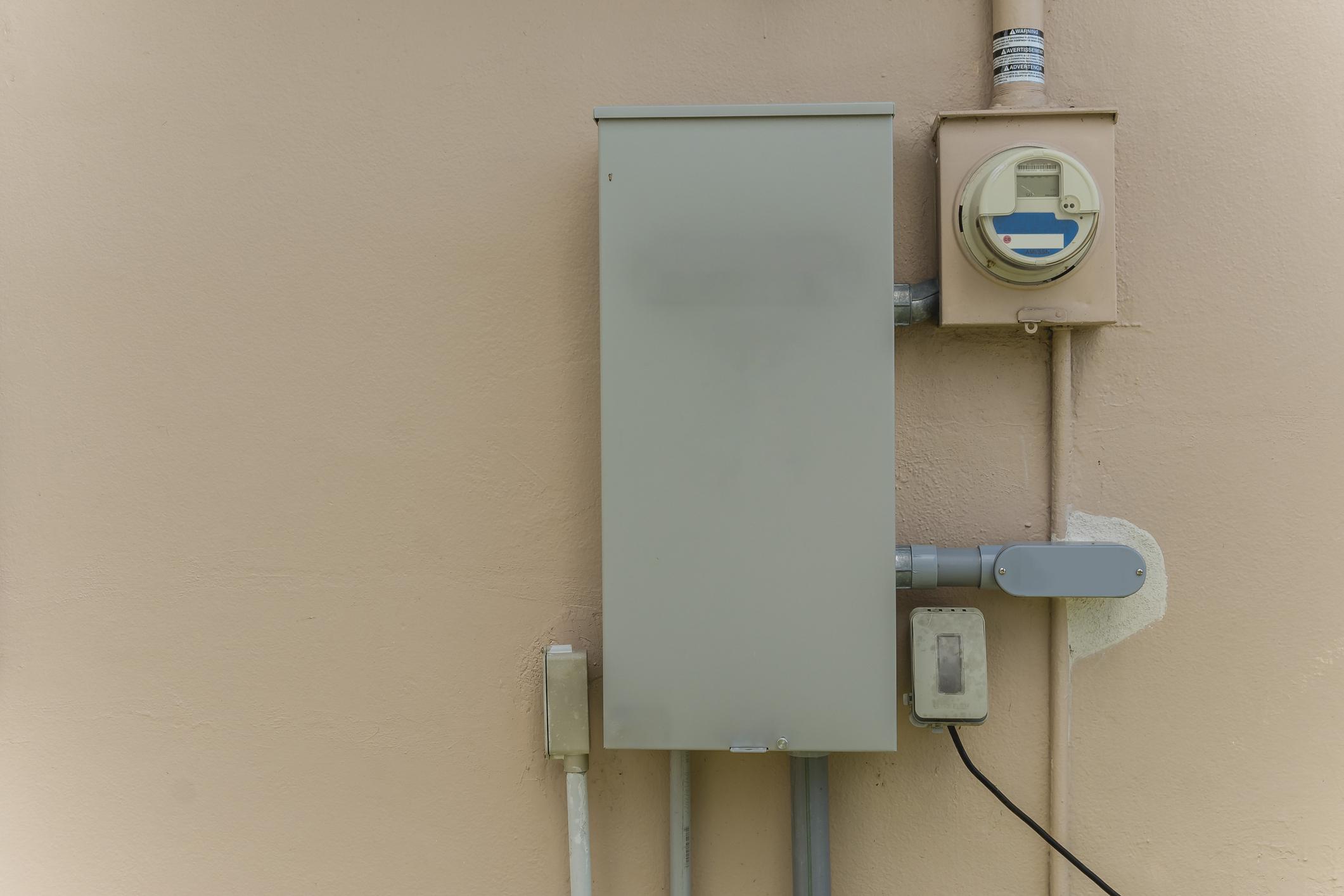
Types of Generator Transfer Switches
Exploring the variety of generator transfer switches reveals options tailored to different needs and setups. Automatic transfer switches, for example, provide a hands-free operation by automatically switching the power source from the utility to the generator during an outage. This type is ideal for homeowners in Greer, SC, who seek convenience and efficiency in their backup power systems. Their seamless operation ensures that critical systems stay online without manual intervention.
Manual transfer switches, on the other hand, offer a more budget-friendly solution and allow for direct control over the power source. Users can manually switch between utility and generator power, giving them the flexibility to manage their energy use during an outage. This option suits those in Greenville, SC, who prefer a more hands-on approach to their emergency power management. It also provides an opportunity to prioritize which circuits are powered, adding a layer of customization.
For those concerned with specific circuits or appliances, circuit breaker transfer switches present a solution that integrates directly into the home’s electrical panel. This design allows for individual circuits to be powered by the generator, enabling critical appliances to run without overloading the system. Such precision is particularly useful for ensuring that essential services, like medical equipment or heating systems, remain operational during a power outage.
Lastly, the emergence of smart transfer switches introduces a modern twist to generator power management. These switches can be monitored and controlled remotely, offering unparalleled convenience and efficiency. By allowing homeowners to manage their power needs via smartphone or computer, these switches cater to the demand for smart home technology. They represent the cutting edge in ensuring homes in areas prone to power outages, like Greenville and Greer, SC, remain powered and protected.
How to Install a Generator Transfer Switch
Installing a generator transfer switch begins with choosing the right location. This spot should be easily accessible and close to both your home’s main electrical panel and where your standby generator will be placed. In Greenville, SC, selecting this location also means considering local building codes to ensure compliance. Proper placement not only simplifies the installation process but also ensures optimal operation and safety.
Next, gather all necessary tools and equipment before starting the installation. This includes the generator transfer switch itself, wire strippers, screwdrivers, and any other items specified in the transfer switch’s installation manual. Homeowners in Greer, SC, should also verify that they have all required permits in place. Preparing in this manner prevents delays, ensuring a smooth and efficient installation process.
Following the installation manual, connect the transfer switch to your home’s electrical panel. This step involves carefully attaching the wires from the transfer switch to the circuits in your panel that you wish to power during an outage. It’s crucial to prioritize circuits for essential appliances and systems, ensuring they remain operational when the generator is in use. Proper connection safeguards your home’s electrical system and prevents overloading the generator.
Finally, test the generator transfer switch to confirm it operates as expected. This involves simulating a power outage to ensure the switch properly activates the generator and supplies power to your home. Testing not only verifies the installation’s success but also familiarizes you with the operation process, ensuring you’re prepared for an actual power outage. With these steps, homeowners can achieve outage readiness, ensuring their homes in Greenville and Greer, SC, remain powered during disruptions.
Load Management with a Generator Transfer Switch
Efficient load management is crucial when using a generator transfer switch, as it ensures that your standby generator runs effectively without being overwhelmed. By prioritizing which appliances and systems receive power during an outage, homeowners can maintain essential services without exceeding their generator’s capacity. This strategy not only extends the life of your generator but also keeps your home in Greenville, SC, running smoothly during unexpected power losses.
Incorporating a generator transfer switch into your home’s emergency preparedness plan allows for a more controlled and efficient use of power. For instance, you can decide to keep your refrigerator, heating system, and lights operational while less critical devices are temporarily disconnected. This selective approach to power distribution helps prevent the generator from overloading, ensuring that your most important needs are met during an outage in Greer, SC.
Understanding the capacity of your standby generator and how it relates to your home’s power requirements is key to effective load management. It’s important to calculate the total wattage of the appliances and systems you plan to power during an outage. This calculation ensures that your generator transfer switch is used within its capabilities, avoiding the risk of overloading the system and potentially causing damage.
Regular testing and maintenance of your generator transfer switch are also essential for reliable load management. By simulating power outages and ensuring that the switch correctly prioritizes and supplies power to designated circuits, homeowners can rest assured that their system will perform as expected during an actual outage. This proactive approach keeps your home prepared and protected, no matter the weather conditions in Greenville and Greer, SC.
Code and Permit Essentials for Transfer Switches
Navigating the complexities of code and permit requirements is a critical step in installing a generator transfer switch in Greenville, SC. Local regulations ensure that installations meet safety and operational standards, protecting homeowners and the broader community. Before beginning the installation process, securing the necessary permits is essential. This proactive approach prevents potential legal issues and ensures that the generator transfer switch complies with local codes.
In Greer, SC, homeowners must also familiarize themselves with specific code requirements that pertain to generator transfer switches. These codes cover a wide range of considerations, from the switch’s location to how it’s wired into the home’s electrical system. Understanding these requirements helps in planning a compliant installation. It also streamlines the process by clarifying what inspectors will look for during their review.
Collaborating with a professional electrician who has experience with generator transfer switches can simplify adherence to these codes and regulations. These experts are well-versed in local requirements and can navigate the permit application process efficiently. Their involvement ensures that the installation is not only up to code but also optimizes the safety and functionality of the generator system. Leveraging their expertise can save time and avoid common pitfalls that might delay or complicate the project.
Regular updates to codes and permit requirements underscore the importance of staying informed about the latest standards in generator transfer switch installations. These changes reflect advancements in technology and shifts in safety protocols. Staying abreast of these updates guarantees that your generator transfer switch system remains compliant and efficient. It also enhances the resilience of your home’s power backup system, ensuring you’re prepared for outages in Greenville and Greer, SC.
The Importance of Professional Installation
Opting for professional installation of a generator transfer switch is a wise decision for homeowners in Greenville, SC. Experts bring a deep understanding of both the technical and safety aspects involved. Their experience ensures that your system is set up correctly from the start, avoiding common mistakes that could lead to costly repairs or safety hazards. This approach not only secures your home’s power supply during outages but also maintains the integrity of your electrical system.
Professionals are also adept at navigating the local codes and permits required for installing a generator transfer switch. In Greer, SC, for instance, regulations can be quite specific, and having a knowledgeable electrician handle the paperwork can streamline the process. They ensure that all installations meet the current standards, providing peace of mind that your setup is fully compliant. This saves homeowners the hassle and potential confusion of dealing with regulatory requirements themselves.
Moreover, a professional installer can offer valuable advice on the best type of generator transfer switch for your home. They consider factors such as your home’s power needs, the generator’s capacity, and your budget. This tailored advice ensures that you get the most efficient and cost-effective solution for your specific situation. It’s an investment in both the functionality and safety of your home’s emergency power system.
Lastly, working with a professional for your generator transfer switch installation offers long-term benefits. They can provide ongoing support, maintenance tips, and advice on how to optimally use your system during power outages. This relationship ensures that your system remains in top condition, ready to serve your home in Greenville and Greer, SC, whenever the need arises. It’s a smart choice for ensuring your home’s preparedness and resilience against power disruptions.
Generator Transfer Switch Maintenance Tips
Maintaining a generator transfer switch is crucial for ensuring it functions properly during an outage. Regular checks can prevent unexpected failures, especially in areas like Greenville, SC, where weather can be unpredictable. Homeowners should visually inspect their switch for signs of wear or damage. This proactive approach helps identify issues before they become major problems, ensuring your home stays powered during critical times.
Testing your generator transfer switch periodically is also key to outage preparedness. By simulating a power outage, you can verify that the switch activates the generator as expected. This test should be part of a routine maintenance schedule, offering peace of mind that your system will perform reliably when needed. Residents of Greer, SC, find this step essential for confirming their home’s readiness for sudden power disruptions.
Cleaning the generator transfer switch is another important maintenance task. Dust and debris can accumulate over time, potentially impacting the switch’s performance. A gentle cleaning with a dry or slightly damp cloth can keep the switch in optimal condition. This simple task, often overlooked, can significantly extend the life of your system and ensure it operates efficiently during an outage.
Lastly, consulting with a professional for an annual inspection of your generator transfer switch can uncover deeper issues. They can perform comprehensive tests and maintenance that might be beyond the average homeowner’s expertise. This annual check-up ensures that every component of your emergency power system, including the transfer switch, is in top condition. It’s a wise investment for homeowners in Greenville and Greer, SC, aiming to maintain a high level of preparedness for power outages.

Choosing the Right Generator Transfer Switch for Your Home
Choosing the right generator transfer switch for your home involves understanding your power needs and the capacity of your standby generator. In Greenville, SC, homeowners must consider the size and type of generator they have, as this determines the appropriate transfer switch. A professional can help assess your home’s electrical load and recommend a switch that matches your generator’s output. This ensures your system works efficiently and safely during an outage.
Automatic transfer switches offer convenience by automatically switching power sources when an outage occurs. This type is ideal for those who want a hassle-free solution to power interruptions. In contrast, manual transfer switches, which require manual operation to switch power sources, might suit those in Greer, SC, looking for a more budget-friendly option. Each type has its benefits, and choosing depends on your personal preferences and specific needs.
Smart transfer switches are becoming increasingly popular due to their advanced features and remote monitoring capabilities. These switches allow homeowners to manage their power needs from a smartphone or computer, offering a modern approach to emergency power management. They represent a significant advancement in generator transfer switch technology, catering to the demand for smart home solutions.
Ultimately, the decision on which generator transfer switch to install should be made with both your current and future power needs in mind. Consulting with a professional ensures that you select a switch that not only meets your needs today but is also capable of accommodating any future upgrades. This forward-thinking approach helps homeowners in Greenville and Greer, SC, maintain a resilient and reliable emergency power system.
Frequently Asked Questions
What is a generator transfer switch?
A generator transfer switch is a crucial component in using a standby generator safely. It automatically shifts the power source from the main grid to the generator during an outage. This switch ensures that your home or business stays powered without manual intervention. It also helps protect utility workers by preventing backfeed, which can be dangerous.
How does a transfer switch work?
A generator transfer switch automatically connects your home to generator power when the main grid fails. It senses the outage and switches over, ensuring continuous electricity flow. This switch also safely disconnects your house from the utility grid, protecting workers from electrical hazards. Once power returns, the switch shifts back, reconnecting to the main grid seamlessly.
Can I install a generator transfer switch myself?
Installing a generator transfer switch is a task that requires technical knowledge and expertise. Most homeowners find that hiring a professional is the safest choice. This ensures the job meets local codes and safety standards. Doing it yourself without the right skills could lead to dangerous mistakes.
What types of generator transfer switches are there?
There are two main types of generator transfer switches: manual and automatic. Manual switches require you to manually switch from utility to generator power during an outage. On the other hand, automatic switches do this process for you, ensuring a seamless transition. Both types play a key role in managing your power supply during blackouts, keeping your home or business running smoothly.
Why is a generator transfer switch important?
A generator transfer switch is vital for ensuring safety and efficiency during power outages. It seamlessly transitions your power source from the utility to your standby generator, preventing dangerous backfeed that could harm utility workers. This switch also maintains a steady supply of electricity to your home or business, eliminating disruptions. By adhering to local codes and permits, it guarantees that your setup is both safe and compliant.