
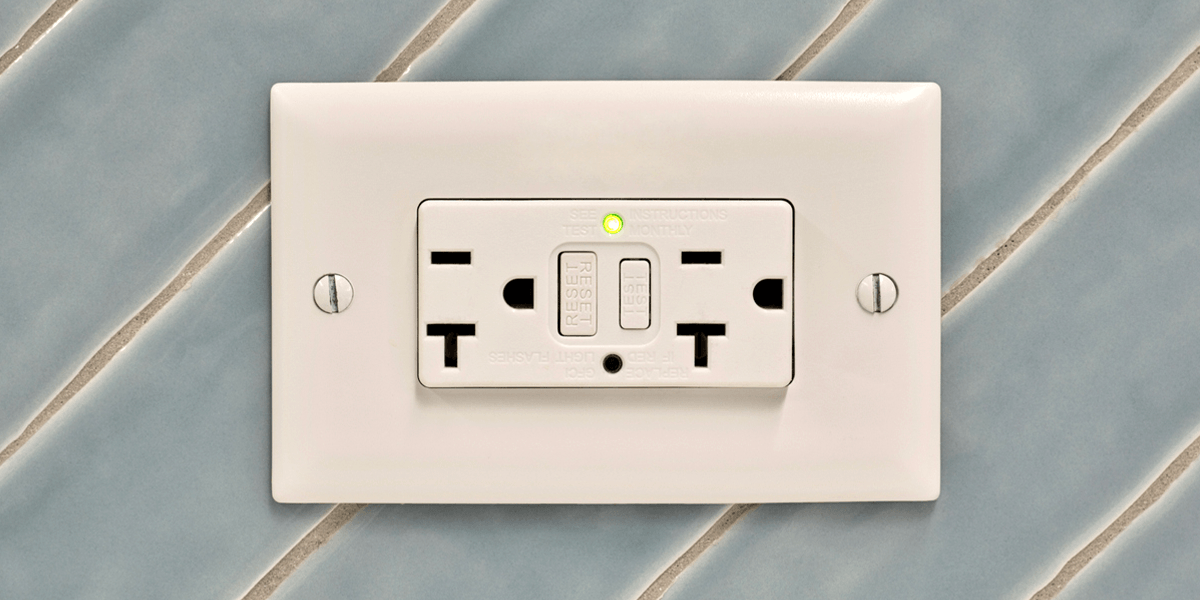
GFCI Outlets: The Safety Feature Every Home Needs
Each year in the U.S., electrical shocks result in around 30,000 nonfatal injuries, with children accounting for 20% of this number. Electrocution often happens in bathrooms, kitchens and anywhere water meets electricity. Ground fault circuit interrupters (GFCIs) offer a simple, powerful solution to lower these frightening statistics. These outlets save thousands of lives by preventing deadly shock.
Are you curious about GFCIs but aren't sure where to start? Learn what GFCIs are, where to install them to meet the National Electrical Code (NEC) and how to maintain them for reliable performance. Greater peace of mind is only an outlet away.
What Are GFCI Outlets?
GFCIs are fast-acting safety devices that shut off electrical power when they detect a current imbalance, which indicates a ground fault. Ground faults occur when electricity takes an unintended path to the ground. A person touching a ground fault becomes the "shortcut" for the current, leading to electrocution.
How Does a GFCI Outlet Work?
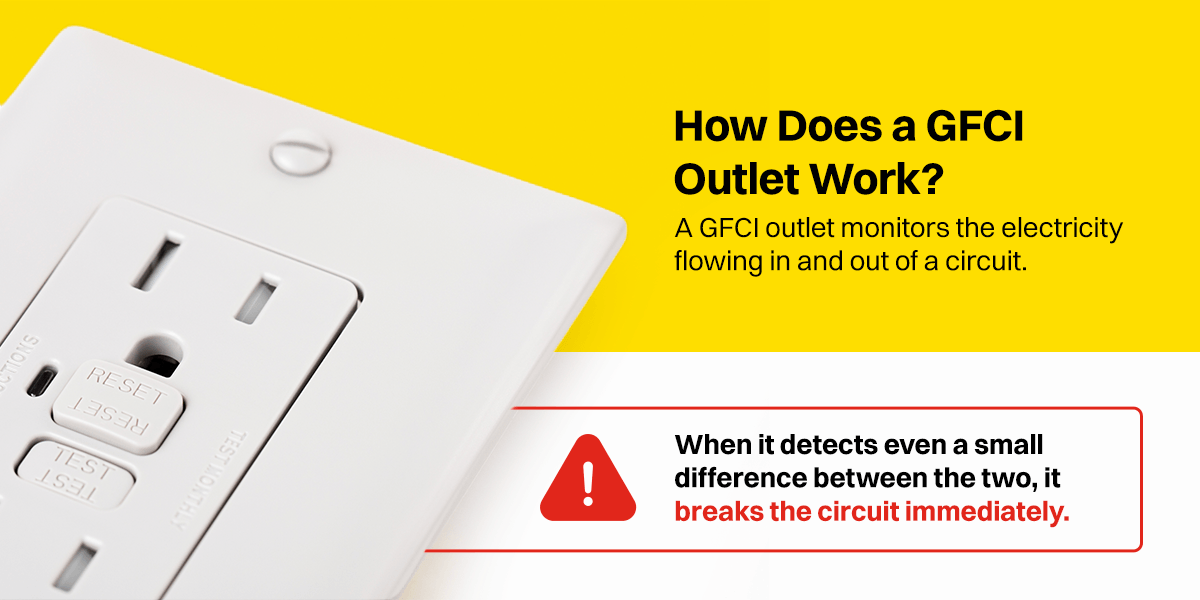
A GFCI outlet monitors the electricity flowing in and out of a circuit. When it detects even a small difference between the two, it breaks the circuit immediately. This reaction happens in as little as 1/40 of a second, which is fast enough to prevent a fatal shock.
Since their introduction in 1971, GFCIs have reduced electrocutions by 81%. The dramatic figure proves how effective these small devices are at preventing electrical accidents.
Types of GFCI Outlets
Homeowners have three main types of GFCIs to choose from, each designed for different applications:
- Receptacle GFCI: This is the most common type you'll see in homes. It looks like a regular wall outlet but includes "Test" and "Reset" buttons. A receptacle GFCI can protect its own outlet or many downstream outlets on the same circuit.
- Circuit-breaker GFCI: Electricians install circuit-breaker GFCIs into your home's electrical panel. A single GFCI breaker protects an entire circuit, including all outlets and lighting connected to it.
- Portable GFCI: These provide temporary security through plug-in adapters, extension cords or portable power strips. Construction workers and outdoor professionals often use these devices for on-site electrical safety
Debunking 3 Common GFCI Myths
Misunderstanding how GFCIs work can leave your family at risk. Here are three truths about common GFCI misconceptions:
1. GFCIs and AFCIs are Interchangeable
While both GFCIs and arc-fault circuit interrupters (AFCIs) are important electrical safety devices, they serve different purposes. GFCIs safeguard people against shock caused by ground faults. AFCIs protect property from fires by detecting an electrical discharge or arc flash leaking from damaged wiring.
Think of it this way — GFCIs prevent electrocution, while AFCIs help prevent electrical fire from starting. You need both devices to keep your family safe.
2. A GFCI Needs a Ground Wire to Work
Since GFCIs detect differences in current between hot and neutral wires, you can install them without a ground wire. However, ungrounded GFCI outlets have significant drawbacks. They offer less protection than grounded versions, and plug-in GFCI testers become less reliable without a ground wire. Ungrounded outlets must have a "no equipment ground" label to meet NEC requirements.
3. GFCIs Prevent All Electrical Shocks
GFCIs only protect against ground faults — they can't prevent:
- Line-to-neutral shock: This type of shock happens if you touch a hot wire and a neutral wire at the same time, such as when repairing a light fixture. A standard GFCI may trip, but injury can still occur when current flows across the chest.
- Line-to-line shock: Touching two hot wires simultaneously creates a current imbalance that GFCIs fail to detect.
- Overloads: Avoid confusing GFCIs with standard circuit breakers or fuses. They offer no shield against circuit overloading or short circuits unless they involve a ground fault.
Where Do You Need GFCI Outlets?
Beyond bathroom and kitchen electrical safety, the NEC requires GFCIs in any area where water and power may come into contact.
Install GFCI outlets in the following spaces:
- Bathrooms: Every receptacle in bathrooms requires GFCI protection, including outlets near sinks, tubs and showers.
- Kitchens: All kitchen receptacles must have these outlets, from countertops to dishwashers.
- Laundry rooms and basements: Laundry rooms must have GFCIs, including outlets serving washing machines. You'll also need them for all receptacles in unfinished basements and crawl spaces.
- Pools: Electrical outlets within 20 feet of a swimming pool must be GFCI-protected.
- Garages: GFCIs are mandatory for wall and ceiling outlets as well as garage door opener receptacles.
- Outdoor areas: Following the 2026 changes to the NEC, outdoor outlets of 60 amperes or less must have GFCIs installed.
NEC regulations continue to evolve. To keep your GFCI outlets up to standard, invest in regular code compliance checks by a trained electrician.
Step-by-Step Guide to Testing a GFCI Outlet
The National Fire Protection Association recommends testing GFCI outlets monthly. Follow these steps:
- Plug in a device: Plug a light, radio or circuit tester into the outlet and turn it on to confirm power is flowing.
- Press the test button: Press the TEST button on the outlet. You'll hear a click, and the RESET button will pop out.
- Verify power is off: The device you plugged in should turn off. If it stays on, the GFCI is faulty.
- Restore power: Press the RESET button back in. Power returns, and your device should turn back on.
A self-testing GFCI offers a convenient alternative to manual testing. It automatically and periodically tests its own electronics to ensure it can detect ground faults.
DIY vs. Professional GFCI Maintenance
While monthly testing and reset button checks are safe to perform yourself, some tasks need expert attention. The hazards of DIY electrical work are serious. Improper work can result in serious injury, death or fire hazards that put your entire family at risk.
When dealing with dangerous electrical currents, it's best to call experienced electricians. They will inspect your GFCIs for proper wiring, check code compliance and identify any electrical faults.
Call Your Local Electrical Experts for GFCI Outlets in Columbia, SC
GFCIs save lives, but only when they're installed and maintained properly. Mister Sparky of Columbia is a trusted electrical expert with expertise in GFCI outlet installation and repairs. Our trained electricians are familiar with NEC codes. They inspect your home to identify where you need GFCIs and install quality outlets that meet the latest standards.
As a hands-on local business, we put your peace of mind first. Enjoy support long after installation through responsive repairs and maintenance. Your family's safety is too important to risk with DIY electrical work.
Trust the team at Mister Sparky of Columbia to keep your home safe, compliant and protected. Contact us at 803-339-0761 or book a service online to get started.