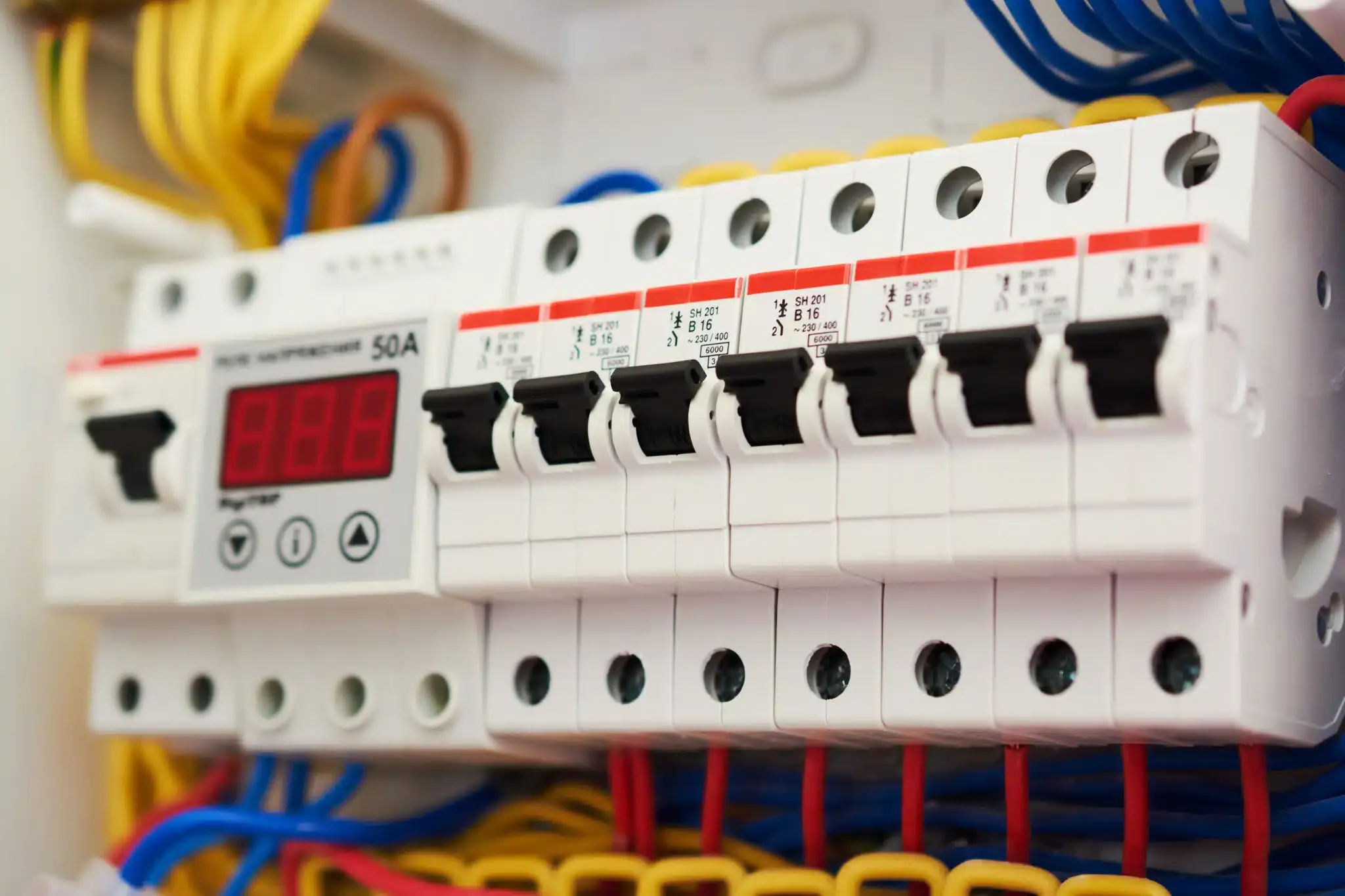
Ensuring your home meets the latest safety standards is crucial for any homeowner. Code compliance checks are an essential part of maintaining a safe and secure living environment. These checks help identify any areas that might not meet current National Electrical Code (NEC) updates, grounding and bonding requirements, or GFCI and AFCI protection standards. Whether you’re in Columbia, SC, Lexington, SC, or Irmo, SC, staying informed about these requirements is key.
When professionals conduct code compliance checks, they meticulously inspect for NEC updates that could affect your home’s electrical system. These updates are vital for preventing electrical hazards and ensuring your home’s wiring is up to par. It’s not just about safety; it’s also about peace of mind. Knowing your home adheres to the latest standards can save you from potential issues down the line.
Grounding and bonding are another critical focus during these inspections. They ensure that your electrical system is properly connected to the earth, reducing the risk of electric shock or fire. Similarly, GFCI and AFCI protection is checked to guard against sudden outbursts of electricity that could lead to dangerous situations. These aspects of your electrical system play a significant role in your overall home safety.
Lastly, proper labeling of your electrical panel and circuits is something professionals look for during code compliance checks. This might seem minor, but it’s crucial for emergency situations or when performing any electrical work in the future. Whether you’re nestled in the heart of Columbia, the bustling streets of Lexington, or the serene landscapes of Irmo, scheduling regular code compliance checks is a step every homeowner should take to ensure their home is safe, secure, and up to standard.
Understanding NEC Updates and Their Impact on Your Home
Understanding the intricacies of NEC updates is a crucial aspect of code compliance checks. These updates often include new safety protocols and technical requirements that can significantly impact your home’s electrical system. Professionals who conduct these checks are well-versed in identifying any discrepancies that may exist between your current setup and the latest standards. This ensures that your home in Lexington, SC, not only meets legal requirements but also upholds the highest safety standards.
The importance of grounding and bonding in your home’s electrical system cannot be overstated. These processes help prevent potential electrical hazards by ensuring a safe path for excess electricity to travel to the ground. During a code compliance check, experts meticulously examine these connections to ensure they are both intact and effective. Residents in Irmo, SC, can rest assured knowing their homes are safeguarded against electrical shocks and fires through these critical evaluations.
GFCI and AFCI protection are also key components of a safe electrical system, designed to protect against electrical faults that could lead to dangerous situations. GFCI devices protect against ground faults, while AFCI devices guard against arc faults, both of which are potential fire hazards. During a code compliance check, professionals ensure these protective devices are correctly installed and functioning as intended. This level of scrutiny is vital for preventing electrical accidents in your home.
Lastly, the proper labeling of your electrical panel and circuits plays a significant role in the safety and efficiency of your home’s electrical system. Accurate labeling makes it easier to identify and address issues quickly, especially during emergencies. Professionals conducting code compliance checks pay close attention to this detail, ensuring that every circuit is clearly and correctly marked. This meticulous approach not only enhances safety but also facilitates any future electrical work that may be needed in your home.
The Importance of Grounding and Bonding in Electrical Safety
Grounding and bonding form the cornerstone of a home’s electrical safety, acting as the first line of defense against electrical hazards. In Lexington, SC, professionals performing code compliance checks pay close attention to these systems. They ensure that electrical currents have a safe path to the ground, significantly reducing the risk of shock or fire. This meticulous examination helps in identifying any weaknesses or failures in the system.
During a code compliance check, the integrity of grounding connections is thoroughly evaluated. Experts look for signs of corrosion, loose fittings, or any damage that could compromise safety. This process is vital as it ensures that in the event of a fault, electricity is directed away from people and into the earth. Residents in Irmo, SC, can feel more secure knowing that their homes undergo such detailed scrutiny.
Bonding is equally important, as it involves connecting all metal parts within an electrical system to create a continuous path back to the ground. This prevents voltage differences between conductive parts, which can lead to electrical shocks. By ensuring that all parts are properly bonded, professionals help homeowners avoid potential hazards. The goal is to create a home environment that is as safe as it is comfortable.
Lastly, code compliance checks also involve verifying that the grounding and bonding meet current National Electrical Code standards. Updates to these standards can often introduce new requirements, making professional inspections crucial. Through these checks, homeowners are assured that their electrical systems are not only compliant but also optimized for safety. It’s an essential step for anyone looking to maintain a secure and hazard-free home.
Code Compliance Checks for GFCI and AFCI Protection
Code compliance checks are crucial for ensuring your home’s electrical system includes proper GFCI and AFCI protection. These devices are essential for preventing electrical fires and shocks, safeguarding your family and property. During these inspections, professionals in Lexington, SC, verify that GFCI outlets are correctly installed in areas prone to moisture, such as kitchens and bathrooms. They also ensure AFCI protection is present in bedrooms and living areas to guard against arc faults.
In addition to installing these protective devices, experts assess their functionality to guarantee they operate as intended. This involves testing GFCI outlets to ensure they trip and reset correctly, offering immediate protection from electrical shock. Similarly, AFCI breakers are checked for their ability to detect and mitigate arc faults, preventing potential fires. This thorough evaluation helps maintain a safe electrical environment in your home in Irmo, SC.
During code compliance checks, professionals also review the placement and quantity of these protective devices. They ensure that GFCI and AFCI protection is not only present but also strategically placed to offer comprehensive safety coverage throughout your home. This step is critical because proper placement maximizes the effectiveness of these devices, significantly enhancing your home’s electrical safety.
Lastly, ensuring your home’s electrical system complies with the latest National Electrical Code (NEC) standards for GFCI and AFCI protection is a key focus of these checks. Updates to the NEC often include changes to where and how these protective devices should be used. By staying informed and compliant, homeowners can ensure their electrical systems are not only safe but also up to date with the latest safety standards. This proactive approach to electrical safety can help prevent accidents before they occur, offering peace of mind to homeowners.
How to Prepare for a Professional Electrical Inspection
Preparing for a professional electrical inspection is a proactive step every homeowner should consider. Before the experts arrive, ensure that all areas of your home are accessible, especially those where electrical systems are prominent. This includes clearing any clutter from around your electrical panel, outlets, and switches. Making these areas easily accessible can significantly streamline the inspection process, allowing professionals to conduct thorough code compliance checks without hindrances.
Another important preparation step involves compiling a list of any electrical issues you’ve noticed. Whether it’s a flickering light in Lexington, SC, or an outlet that doesn’t work in Irmo, SC, mentioning these concerns to the inspector can help focus the inspection on potential problem areas. This proactive communication ensures that the inspection is not only comprehensive but also tailored to your home’s specific needs.
Homeowners should also familiarize themselves with the basics of their home’s electrical system. Understanding the location of your main shut-off switch and knowing how to reset a tripped circuit breaker can be helpful information to share with the inspector. This knowledge not only aids in the inspection process but also enhances your understanding of the electrical system’s functionality and safety features.
Finally, reviewing your home’s electrical history can provide valuable insights during the inspection. If your home has undergone previous electrical upgrades or repairs, having this information on hand can inform the inspector of changes to the system. This historical context can be crucial in ensuring that the code compliance checks accurately reflect the current state of your home’s electrical system, ensuring it meets the latest safety standards.
Identifying Common Electrical Code Violations in Homes
Identifying common electrical code violations during code compliance checks is a crucial step in ensuring a home’s safety and adherence to current standards. In Lexington, SC, professionals often find outdated wiring that fails to meet the current National Electrical Code (NEC) requirements. This includes the use of knob and tube wiring or aluminum wiring, which can pose significant fire risks if not addressed. Upgrading these systems is essential for both safety and compliance.
Another frequent issue uncovered during these inspections is the lack of adequate GFCI protection in areas with a high risk of water exposure, such as bathrooms, kitchens, and outdoor spaces. Homes in Irmo, SC, for example, might have been built before these standards were in place, making updates critical. Ensuring that GFCI outlets are properly installed and functioning can prevent dangerous shocks and is a key focus of code compliance checks.
Overloaded circuits and improper fuse usage are also common violations that professionals encounter. These conditions can lead to overheating and, ultimately, fires. During an inspection, experts assess the electrical panel to ensure that it is not only correctly labeled but also equipped with fuses and breakers that match the circuit’s capacity. This helps in preventing potential overloads and maintaining a safe electrical system.
Lastly, the absence of AFCI protection is a notable violation in many homes. AFCI devices are designed to protect against arc faults, which can occur in damaged or deteriorated wires and lead to electrical fires. Inspectors prioritize checking for the presence and proper installation of AFCI circuit breakers, especially in living areas and bedrooms, to safeguard homes against these hidden dangers. Addressing these common violations during code compliance checks is vital for any homeowner looking to ensure their property is safe, secure, and up to code.
The Role of Proper Labeling in Electrical Safety
The importance of proper labeling in your home’s electrical system cannot be overstated, especially during code compliance checks. Professionals assess each label to ensure it accurately represents the corresponding circuit or device. This clarity is crucial in Lexington, SC, where emergency responders or electricians need to quickly identify and address issues. Accurate labeling can significantly reduce the risk of accidents, making it an essential aspect of electrical safety.
In Irmo, SC, homeowners might not realize the role that clear and correct labeling plays in maintaining their electrical system’s integrity. During code compliance checks, experts verify that all labels are legible, correctly placed, and up to date with current standards. This attention to detail helps prevent confusion and ensures that any maintenance or emergency work is carried out efficiently and safely.
Another key aspect professionals look for is the presence of warning labels where necessary. These cautionary notes are vital for alerting residents and technicians to potential hazards, such as high voltage areas or circuits that should not be switched off. Warning labels act as a frontline defense against accidental injuries, highlighting areas of concern that require special attention.
Finally, code compliance checks also involve ensuring that the electrical panel and any subpanels are properly labeled. This includes not just the circuits, but also the main disconnects and any critical system information. Such comprehensive labeling ensures that anyone working on or near the electrical system in your home has the information they need to do so safely and effectively, protecting your home and family from electrical mishaps.
DIY vs. Professional Code Compliance Checks
Deciding between DIY and professional code compliance checks can significantly impact the safety and security of your home. In Lexington, SC, homeowners might consider tackling electrical inspections themselves to save on costs. However, without the proper training and tools, identifying all compliance issues accurately can be challenging. Professionals bring expertise and up-to-date knowledge of the National Electrical Code, ensuring a thorough and reliable inspection.
In contrast, attempting code compliance checks without a professional’s insight could lead to overlooked violations or misinterpretations of the NEC requirements. Residents in Irmo, SC, should consider the complexity of electrical systems and the potential risks involved. Professional inspectors have the experience to spot even the most subtle discrepancies that might not be apparent to the untrained eye. They ensure that every aspect of your home’s electrical system is scrutinized for safety and compliance.
Moreover, professional code compliance checks often include detailed reports that provide homeowners with a clear understanding of any issues found. These reports can be invaluable, especially when planning upgrades or repairs. They offer a roadmap for bringing your home up to current standards, highlighting areas that require immediate attention. This level of detail and documentation is difficult to achieve through DIY inspections.
Lastly, the peace of mind that comes with professional code compliance checks cannot be understated. Knowing that your home in Lexington or Irmo, SC, meets all electrical safety standards provides comfort and security. It’s not just about compliance; it’s about ensuring your home is a safe haven for your family. Professionals play a crucial role in this process, delivering expertise that goes beyond the capabilities of most homeowners.
Enhancing Home Safety with Regular Electrical Maintenance
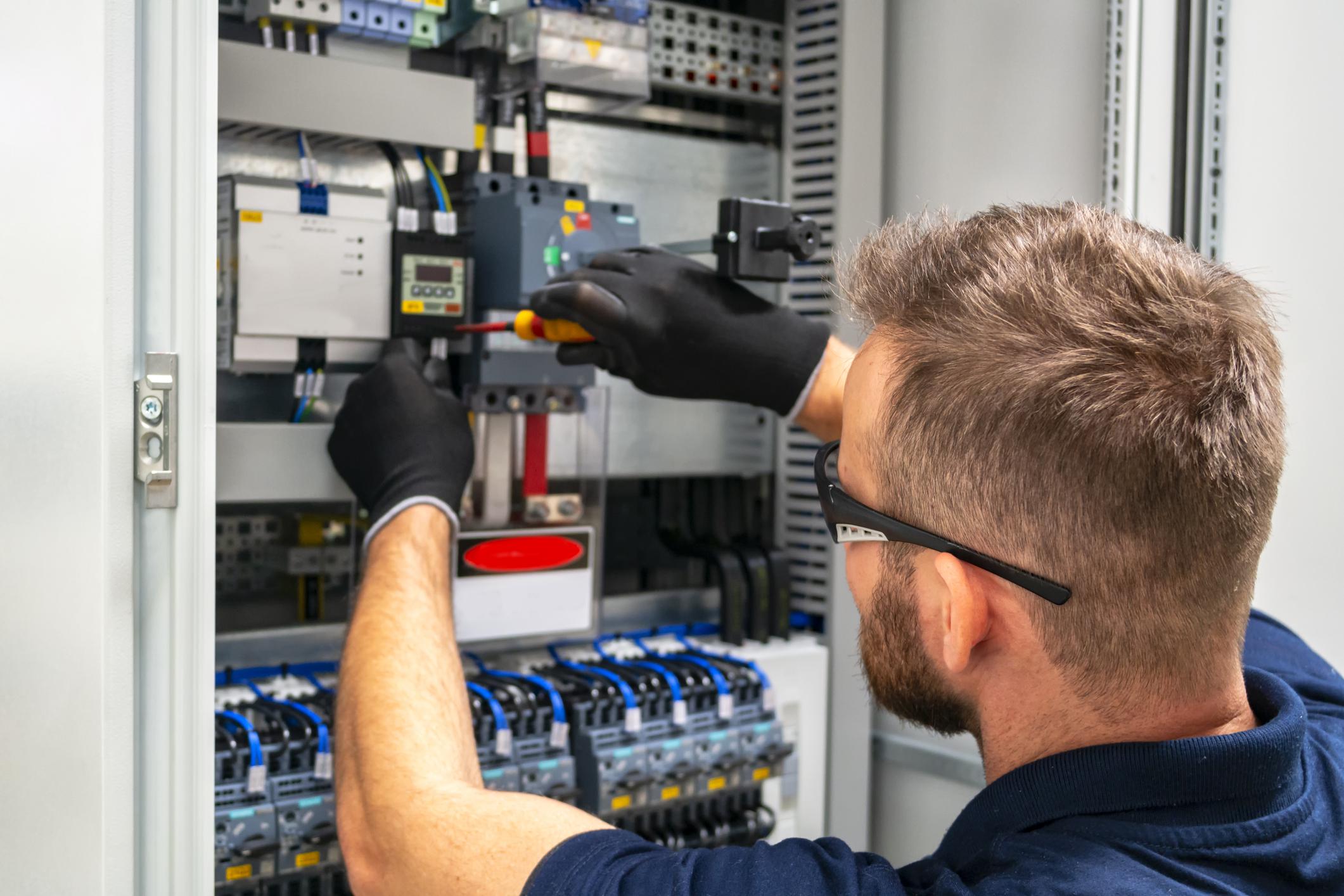
Enhancing home safety extends beyond the initial code compliance checks to include regular electrical maintenance. In Lexington, SC, homeowners recognize that keeping their electrical systems in top condition is crucial for preventing potential hazards. Scheduled maintenance allows for the early detection of issues that could escalate into serious problems. This proactive approach minimizes the risk of electrical fires and ensures the longevity of the home’s electrical infrastructure.
In addition to identifying immediate repair needs, regular maintenance provides an opportunity to update the home’s electrical system. As technology and standards evolve, systems that were once compliant may no longer meet the latest requirements. For residents in Irmo, SC, staying ahead of these changes through scheduled inspections can prevent compliance issues. It also ensures that their homes are equipped with the latest safety features, offering enhanced protection against electrical risks.
Another key aspect of maintaining electrical safety is the professional assessment of system wear and tear. Over time, wiring and components can degrade, leading to a higher risk of faults and failures. By having a professional regularly inspect these elements, homeowners can address wear-related issues before they pose a threat. This level of diligence is vital in safeguarding the home against unexpected electrical problems.
Lastly, the value of peace of mind cannot be overstated for homeowners who prioritize safety through regular electrical maintenance. Knowing that a professional has thoroughly checked the electrical system and confirmed its compliance and condition offers reassurance. It ensures that the home remains a safe environment for its inhabitants, free from the worries of electrical hazards. This commitment to safety underscores the importance of integrating code compliance checks into a comprehensive maintenance routine.
Frequently Asked Questions
What are code compliance checks?
Code compliance checks ensure your home meets electrical safety standards. Professionals inspect for updates based on the National Electrical Code, grounding, and bonding requirements. They also evaluate GFCI and AFCI protection and proper labeling of electrical panels. These checks help prevent electrical hazards, keeping your home safe and up to code.
How often should I schedule inspections?
It’s wise to schedule code compliance checks every three to five years. This frequency ensures your home aligns with the latest safety standards. After major renovations or electrical system updates, consider an additional inspection. Staying proactive with these assessments can safeguard your home against electrical risks.
What happens during a code compliance check?
During a code compliance check, a professional examines your home’s electrical system. They look for updates based on the National Electrical Code. The inspector also checks grounding, bonding, and the presence of GFCI and AFCI protection. Finally, they ensure your electrical panel is correctly labeled, enhancing safety.
Who performs these checks?
Licensed electricians perform code compliance checks to ensure your home’s electrical system meets safety standards. They have the expertise to identify issues with grounding, bonding, and circuit protection. These professionals also verify that your electrical panel is properly labeled. By hiring a skilled electrician, you guarantee a thorough and reliable safety evaluation of your home’s electrical setup.
Can I prepare for a compliance inspection?
Yes, preparing for a compliance inspection is possible and beneficial. Start by reviewing your home’s electrical system for any obvious issues. Make sure all electrical panels are accessible and clearly labeled. Check that GFCI and AFCI outlets function correctly. By taking these steps, you’ll make the inspection smoother and more efficient.