
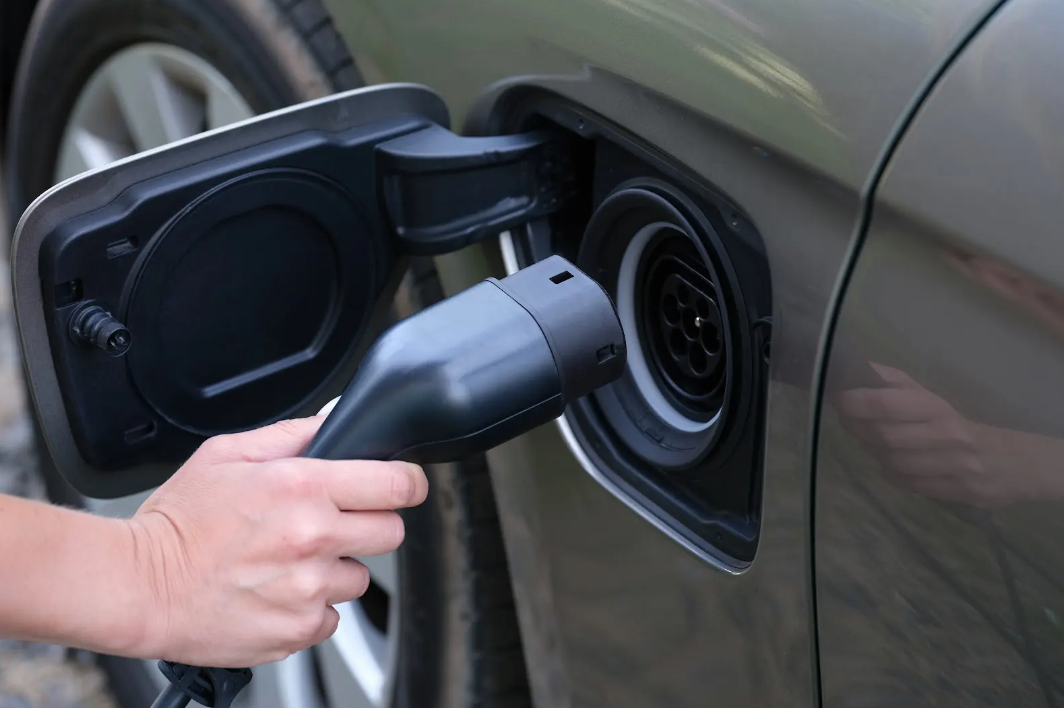
The increasing popularity of electric vehicles means more and more people are looking to install home EV charging stations. A home charging station provides the convenience of being able to charge your vehicle's battery overnight, ensuring you always have a full charge in the morning. Charging your vehicle at home can also often cost less than using public charging stations. While installing a home charging station can be extremely beneficial, there are some things you should know beforehand to ensure the system works properly and meets your needs.
Can You Install an EV Charging Station Yourself?
The first thing to understand is that Level 2 EV charging stations require professional installation. While Level 1 charging only requires plugging into a standard 120-volt outlet, Level 2 systems must be connected to a dedicated 240-volt circuit. This allows for much faster charging but typically requires new wiring and a properly sized breaker.
Installing new circuits or modifying your electrical system should always be handled by a licensed electrician. Attempting to do this yourself can create safety risks and may not meet local code requirements.
Another important consideration is the manufacturer's warranty. Many EV charger warranties require proof of professional installation. If this requirement is not met, the warranty may be voided.
There are also potential insurance concerns. Improper installation can increase the risk of electrical issues, including fire hazards. If damage occurs due to unlicensed work, it may complicate insurance claims. Hiring a qualified electrician helps ensure the installation is safe and properly completed.
How to Know What Size Charging Station You Need
EV charging stations range in size from 16 to 80 amps. Higher-amperage stations allow you to charge your vehicle faster. Smaller plug-in stations typically go up to around 30 amps, while many homeowners choose a 40- or 48-amp station as a balance between charging speed and installation cost.
All EV batteries have a maximum charging rate. Installing a station that exceeds your vehicle’s capacity may not provide additional benefits, unless you're planning for future vehicles or using a dual-port charger. Higher-amperage stations can still be used safely, as most allow you to adjust output settings.
The National Electrical Code (NEC) requires that the circuit supplying an EV charger be rated at least 125% of the charger’s continuous load. The following list outlines common pairings:
- 16-amp charger: 20-amp circuit
- 32-amp charger: 40-amp circuit
- 40-amp charger: 50-amp circuit
- 48-amp charger: 60-amp circuit
- 80-amp charger: 100-amp circuit
Many homes, especially older ones, have a 100-amp electrical panel. While this may support lower-amperage chargers, higher-capacity systems often require upgrading to a 150- or 200-amp panel—particularly if your home already uses significant electrical loads like air conditioning or electric heating.
If you're concerned about capacity, it's best to consult with an electrician before purchasing a charging station. A professional can perform a load calculation to determine how much available capacity your home has.
What Does EV Charging Station Installation Involve?
The process of installing an EV charging station is typically straightforward and can sometimes be completed within a single day. If an electrical panel upgrade is needed, the process may take two to three days. Below is a general overview of what to expect:
- Initial consultation and electrical load calculation
- Obtaining necessary permits
- Upgrading the electrical panel if required
- Running new wiring and installing a dedicated circuit breaker
- Hardwiring the station or installing a 240-volt outlet
- Testing the system and completing final inspections
When planning your installation, it's important to consider the charger’s location. EV charging cables are typically limited in length, so the unit should be installed close to where you normally park your vehicle. This helps avoid unnecessary strain on the cable and improves convenience.
If possible, installing the charger inside a garage is ideal. In Amarillo, where temperatures can vary significantly, protecting the equipment from extreme heat and cold can help maintain performance and extend the lifespan of both the charger and your vehicle’s battery.
Expert Electrical Services in Amarillo
At Mister Sparky® in Amarillo, our experienced team is here to help with all your electrical needs. We provide professional home EV charging station installation and manage the entire process from start to finish. This includes evaluating your electrical system, obtaining permits, upgrading your service if needed, and ensuring the work area is clean once the job is complete.
With our StraightForward Pricing®, you'll know the cost ahead of time with no hidden fees. We also stand behind our work with a 100% satisfaction guarantee. If you're considering installing a home EV charging station, contact Mister Sparky® in Amarillo today to schedule your consultation.