
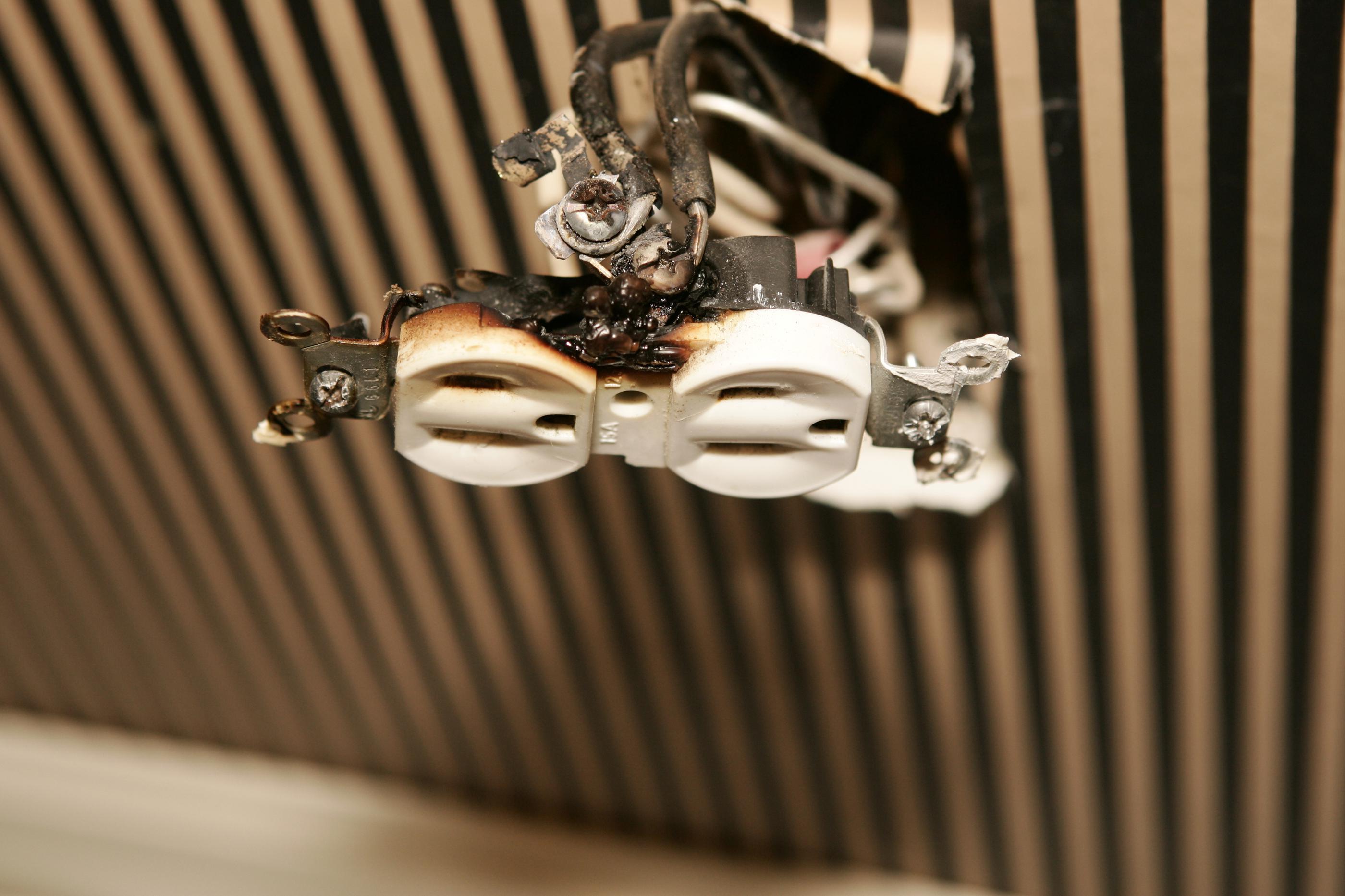
Most people do not give much thought to their home’s electrical wiring. As long as the lights turn on and outlets work, it feels safe to assume everything is fine. But wiring issues rarely show up all at once. Instead, they tend to build quietly over time, dropping small hints along the way. In many Amarillo homes, especially older ones, those hints are easy to miss or brush off. Knowing what to look for can make all the difference. Below are seven common signs that your home may be ready for an electrical rewire, along with some helpful context to guide you.
1. Breakers That Trip More Often Than They Used To
If you find yourself walking to the breaker panel more often than you would like, your electrical system may be under more strain than it can comfortably handle. This is especially common in older Amarillo homes that were not designed for today’s appliances, air conditioning systems, and electronics. A breaker tripping once in a while is normal. When it becomes routine, it is usually a sign that your wiring is working harder than it should. While resetting the breaker restores power, it does not address the reason it tripped in the first place. That is when an inspection becomes important.
2. Lights That Flicker or Dim at Random
Flickering or dimming lights are easy to ignore. Many homeowners chalk it up to an old bulb or a passing power fluctuation. In reality, it often points to loose wiring, aging connections, or overloaded circuits. You might notice it when the air conditioner kicks on or when several appliances are running at once. While it may seem harmless, this kind of inconsistency is worth having checked before it leads to bigger issues.
3. Outlets or Switches That Feel Warm
This one tends to catch people by surprise. Outlets and switches should never feel warm to the touch. Even mild warmth can indicate that electricity is not flowing safely behind the wall. Heat is one of the biggest warning signs in an electrical system. If you notice it, the safest move is to stop using the outlet and schedule a professional evaluation. It is always better to address this early rather than wait and see.
4. Burning Smells or Discolored Outlet Covers
A burning smell is never something to ignore, even if it fades quickly. Sometimes it is accompanied by discoloration around an outlet or switch. Other times, it is the only clue that something is wrong. These signs usually point to damaged wiring or overheating components hidden from view. If you notice them, discontinue use immediately and contact a licensed electrician. Electrical issues involving heat tend to escalate rather than resolve on their own.
5. Buzzing or Crackling Sounds
Your electrical system should be quiet. If you hear buzzing, crackling, or humming from outlets, switches, or the breaker panel, that noise is often coming from loose connections or deteriorating wiring. It may not be loud, and it may not happen all the time. Still, unusual sounds are your system’s way of signaling that something needs attention.
6. Outdated or Aluminum Wiring
Many Amarillo homes built decades ago still have wiring that no longer meets modern safety standards. Aluminum wiring, which was commonly installed in the 1960s and 1970s, is one example. Over time, it can loosen and corrode, increasing the risk of electrical problems. If your home has older wiring, upgrading it can improve safety, reliability, and peace of mind. It also helps ensure your system can support modern electrical needs.
7. Too Few Outlets for Everyday Life
If your home relies heavily on extension cords or power strips, it may be a sign that the electrical system is outdated. Modern households use far more devices than homes were designed for in the past. Rewiring allows for additional outlets and better circuit distribution, making daily life more convenient and reducing unnecessary strain on the system.
Why These Issues Show Up in Amarillo Homes
Between older construction, intense summer heat, and increased energy usage, electrical systems in Amarillo homes work hard. Over time, heat and wear can weaken wiring and connections, making problems more noticeable during periods of heavy use. These issues are common, but they are also manageable with the right professional guidance.
When Is It Time to Schedule an Electrical Inspection?
Many homeowners wait until a problem becomes disruptive before calling an electrician. In reality, inspections are most helpful before things reach that point. If your home is more than 30 years old, has been remodeled, or is showing even small warning signs, an inspection is a smart step. It gives you clarity, helps you plan ahead, and often prevents surprises down the road.
What Happens During an Electrical Rewire?
Rewiring may sound intimidating, but the process is often more straightforward than people expect. An electrician evaluates your current system, identifies outdated or unsafe wiring, and replaces it with modern components that meet today’s safety standards. This can include upgrading the electrical panel, adding circuits, and installing new outlets. In many cases, the work can be done in stages to limit disruption. You will always know what to expect before work begins.
Partial Rewire or Full Rewire?
Not every home needs a full rewire. Sometimes, only certain areas or circuits need attention, especially during a remodel. Other homes benefit from a full rewire when outdated wiring is widespread. A professional evaluation helps determine which option makes the most sense for your home and your budget.
How Rewiring Can Improve Comfort and Peace of Mind
Beyond safety, updated wiring simply makes your home easier to live in. Power is more consistent. Lights perform better. Breakers trip less often. Everything just works the way it should. For many homeowners, that reliability alone makes rewiring worthwhile.
Common Electrical Myths Worth Clearing Up
Electrical problems do not always come with dramatic warning signs. Many develop quietly behind walls. It is also a myth that replacing a single outlet or breaker permanently fixes a larger issue. Another common concern is disruption. With modern techniques and careful planning, rewiring is often less invasive than people expect.
How Electrical Rewiring Can Affect Home Value
Updated electrical systems are a strong selling point. Buyers appreciate knowing a home is safe, reliable, and ready for modern living. In some cases, outdated wiring must be addressed before a sale can move forward. Rewiring can also affect insurance eligibility, as some providers require upgrades for older homes.
Frequently Asked Questions About Electrical Rewiring
How long does rewiring take?
The timeline depends on the size of the home and the scope of work. Some projects take a few days, while others take longer. Your electrician will outline the schedule in advance.
Will I need to leave my home?
In many cases, homeowners can remain in the home while work is completed. Electricians often work in phases to minimize disruption.
Is rewiring only for older homes?
Older homes are more likely to need rewiring, but newer homes may also require upgrades if electrical demands have changed or damage has occurred.
Trust Mister Sparky of Amarillo®
Mister Sparky of Amarillo® provides professional electrical inspections, rewiring, and upgrades designed for local homes. Our licensed electricians focus on clear communication, thoughtful recommendations, and dependable workmanship. If you have noticed any of these signs or simply want reassurance about your electrical system, scheduling a professional evaluation is a smart next step.