
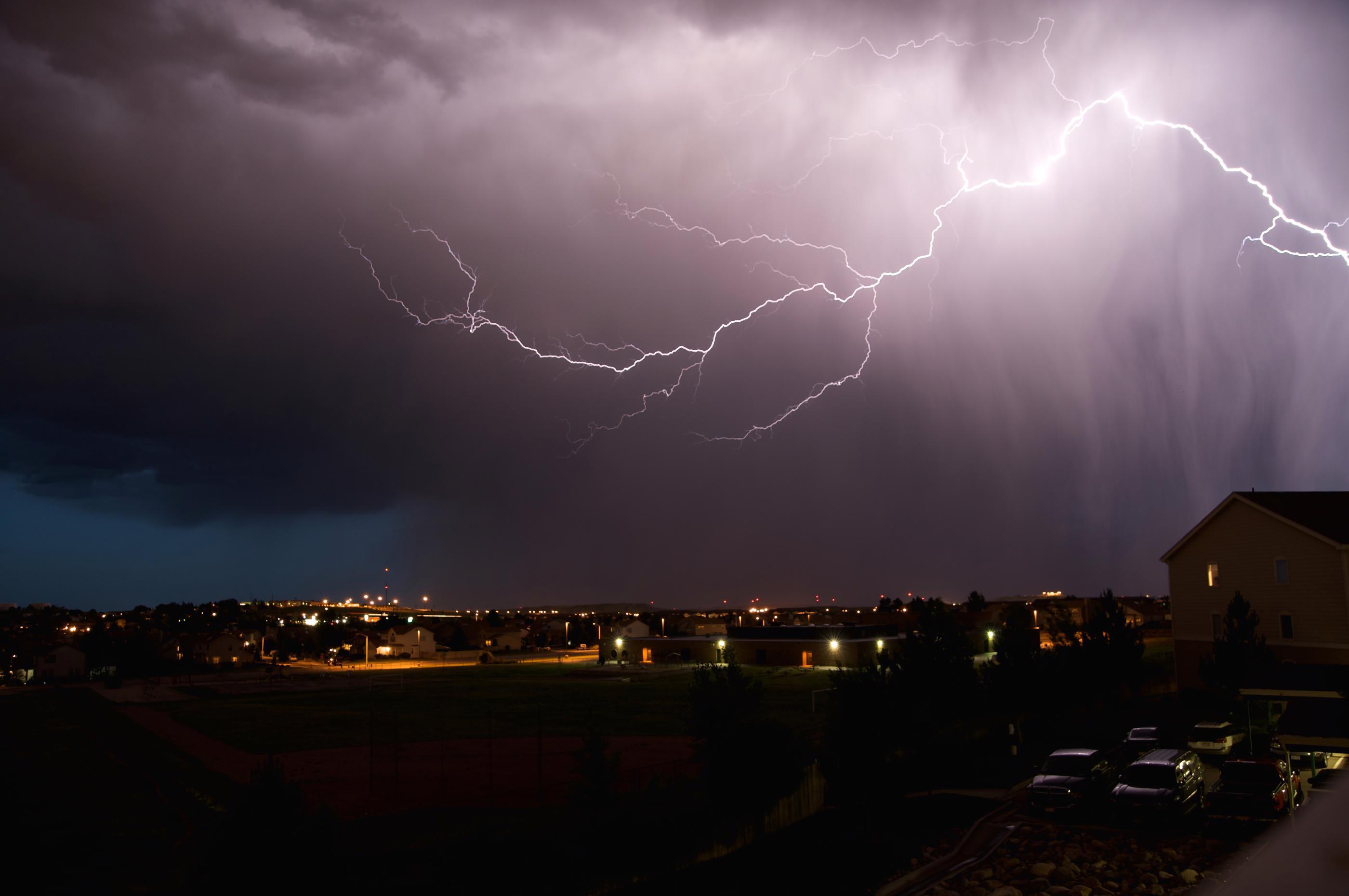
Modern home electrical systems include important safety features such as circuit breakers, grounding systems, and GFCI protection. A whole-home surge protector adds another layer of defense by helping to stop voltage spikes before they travel through your branch circuits and damage connected equipment.
What a Surge Protector Does
A whole-home surge protector (more accurately called a surge protective device or SPD) is typically installed at your home’s electrical panel. Most residential units are Type 2 SPDs, designed to protect against surges originating from the utility or generated within the home. These devices are commonly rated with a Voltage Protection Rating (VPR) in the 400–700 volt range. Lower VPR ratings generally indicate tighter clamping performance, meaning the device limits the voltage to a lower level during a surge event.
Whole-house surge protectors are especially valuable for protecting hardwired equipment that cannot be plugged into point-of-use surge strips. This includes HVAC systems, air handlers, furnaces, water heaters with electronic controls, garage door openers, and smart home systems.
The Threat of Surges
Homes experience both external and internal power surges. External surges can occur from nearby lightning strikes or utility grid switching events, such as when power is restored after an outage. Even indirect lightning strikes can create significant voltage spikes.
It’s important to note that no residential surge protector can fully protect a home from a direct lightning strike. However, whole-home surge protection significantly reduces damage from more common indirect strikes and utility-related surges.
Internal sources can also generate surges. Motors and compressors in HVAC systems, refrigerators, sump pumps, and power tools can create small but repeated voltage spikes when cycling on and off. Over time, these repeated surges can degrade sensitive electronics.
Damage to Sensitive Electronics
Modern electronics rely on delicate microprocessors and circuit boards that operate at very low voltages. Even relatively small voltage spikes can damage these components. While people often think of computers and televisions as vulnerable, today’s refrigerators, dishwashers, ovens, washing machines, and HVAC control boards all contain sensitive electronics.
Surge damage does not always cause immediate failure. In many cases, components degrade gradually, leading to intermittent glitches, reduced performance, or premature equipment failure. Repeated surge exposure can shorten the lifespan of appliances and control systems.
Costs vs. Possible Losses
The good news is that installing a Type 2 whole-home surge protector is typically a cost-effective upgrade. While pricing varies depending on the panel and installation requirements, many residential SPDs fall within a few hundred dollars for the device itself, plus professional installation.
By comparison, replacing a single HVAC control board can cost hundreds to over a thousand dollars. When you consider the number of electronics in a modern home — televisions, appliances, networking equipment, smart home devices, and more — the potential financial loss from a major surge can add up quickly.
Lifespan and Maintenance
Whole-home surge protectors are considered sacrificial devices. They are designed to absorb and divert surge energy, and their internal components, often metal oxide varistors (MOVs), gradually wear down with each event. Areas with frequent storms or grid instability may see shorter device lifespans.
Most modern SPDs include indicator lights that show operational status. A green light typically indicates normal protection. If the indicator light turns off or changes color, the unit may need replacement. Some models also offer audible alerts or remote monitoring capabilities.
Why You Shouldn’t Depend on Point-of-Use Protectors
Many households rely on plug-in surge strips or battery backup systems with built-in protection. While these provide value, they only protect devices plugged directly into them. Hardwired systems such as HVAC equipment and water heaters remain unprotected without a whole-home solution.
The most effective strategy is layered protection, combining a whole-home SPD at the panel with quality point-of-use surge protectors for sensitive electronics.
It’s also important to understand that joule ratings on power strips and whole-home devices are not directly comparable. Whole-home SPDs are rated by surge current capacity (often 40kA–80kA per phase), while plug-in strips are rated in joules. Panel-mounted devices are built to handle larger surge currents entering the electrical system.
Additionally, many inexpensive power strips provide no clear indication when their protection has failed. Whole-home SPDs typically include visible status indicators to signal when service is needed.
Benefits of Point-of-Use Surge Protection
Point-of-use surge protectors still play an important role. They add an extra layer of defense for sensitive electronics and can also protect low-voltage lines such as Ethernet, coaxial cable, or phone lines when properly equipped.
Grounding
A whole-home surge protector requires a properly functioning grounding system to operate effectively. Surge protection works by diverting excess voltage safely to ground. If a home’s grounding or bonding system is inadequate, protection performance may be compromised. A licensed electrician should verify grounding integrity before installing an SPD.
Protecting Your Investment in Your Home
Given the relatively modest investment compared to the cost of replacing major appliances or electronics, whole-home surge protection is often a smart upgrade. While some homeowners’ insurance policies may cover certain surge-related damage, coverage limits, deductibles, and exclusions vary widely.
Whole-home surge protection is especially worth considering in areas prone to lightning storms or power fluctuations. It’s also beneficial for homes with high-value HVAC systems, home automation, or extensive electronics.
Mister Sparky® proudly serves Amarillo, TX, and surrounding communities. Our licensed and insured electricians provide professional surge protection installation backed by a 100% satisfaction guarantee. If you’re considering installing, upgrading, or replacing a whole-home surge protector, contact Mister Sparky® in Amarillo today to learn more.