
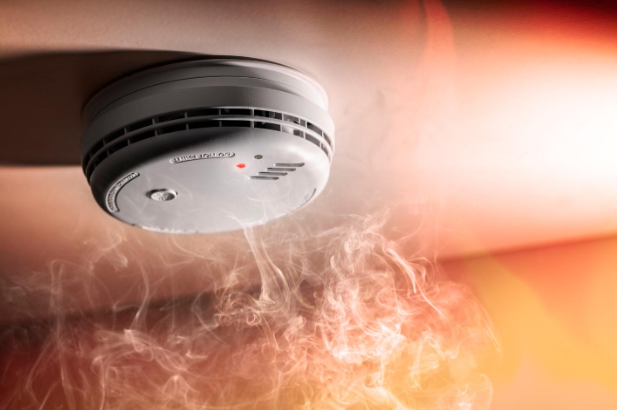
Key Takeaways About Interconnected Smoke Alarms
Interconnected smoke alarms are linked detectors that make every alarm sound when any one unit detects smoke. This guide helps homeowners and property managers confirm placement wiring and reliable alerts when safety matters most.
- Identify missing detectors in sleeping areas and on each level.
- Prevent power loss by using hardwired units with battery backup.
- Avoid mixed generation devices that can break coordinated alerts.
- Spot wiring faults by testing continuity and measuring terminal voltage.
- Reduce nuisance alarms by cleaning sensors and checking placement.
- Plan repairs with documented test results and a qualified electrician.
Introduction
Smoke alarms that are only loud in one room can leave sleeping occupants unaware of danger elsewhere in the house. Interconnected smoke alarms answer that problem by sounding together so everyone hears the alert. Code-compliant placement and hardwired units with battery backup make those combined alerts reliable. For many homes in Myrtle Beach, SC the difference between a single chirp and a full-house alarm matters during nighttime fires.
Improper placement or mixed wiring can create false confidence when alarms fail to alert other rooms. Building codes and safety standards guide where detectors go and how they connect to deliver coordinated warnings. Hardwiring provides a constant power source while the battery backup keeps the system working during outages. Homeowners in Conway, SC often ask whether older homes can be brought up to these expectations without major rewiring.
Interconnection methods include physical wiring and modern wireless signaling that still meet code when installed correctly. Choosing the right method affects reliability, inspection outcomes, and how a professional diagnoses problems. Visible clues like dead batteries, intermittent beeps, or silence during testing point toward power or interconnect faults. A clear inspection of the circuit breaker, junction boxes, and detector wiring helps confirm the cause.
Smoke alarms save lives when they warn every sleeping person promptly and loudly across rooms and floors. Coordinated alerts reduce escape time and help occupants avoid lingering to search for the alarm source. Proper placement, a hardwired feed with battery backup, and correct interconnection give the best chance of full-home warning. If you notice inconsistent alerts or gaps in coverage contacting a qualified electrician is the next safe step.
What Interconnected Smoke Alarms Are and How They Work
Interconnected smoke alarms are a group of detectors linked so every unit sounds when any one detects smoke or fire. These systems use a signal path so alarms trigger together and reduce escape time. Homeowners often ask if a single test can confirm interconnection, pressing the test button should make all linked units sound. A professional will confirm complete operation by testing multiple points and checking wiring or wireless links.
- Hardwired interconnect uses a dedicated signaling conductor.
- Wireless interconnect uses encrypted radio signals between units.
- Battery backup keeps alarms working during power loss.
- Combination units detect smoke and carbon monoxide in one device.
The linked response depends on the interconnect method and the alarm electronics design. A wired system passes a voltage signal over a third conductor between detectors to trigger the group. Wireless systems send a radio message that other certified units recognize and respond to. Both methods must meet safety standards to be accepted at inspection.
To diagnose an interconnection problem, a technician inspects the detector wiring, junction boxes, and the circuit breaker feeding the alarm circuit. They will measure voltage at the alarm terminals and perform a continuity test on the interconnect conductor when accessible. For wireless systems they check signal strength and placement that could block radio messages. If you live in Conway, SC, expect a professional to document test results and recommend corrections based on those findings.
Some setups mix old and new units, which can prevent coordinated alerts or cause nuisance alarms during cooking or humidity changes. Professionals look for incompatible alarm generations or missing ground and neutral connections that affect signaling. In homes with additions, verifying each device type and wiring path helps ensure every bedroom and hallway will sound together in an emergency. When in doubt, contact a qualified electrician Myrtle Beach, SC to confirm compliance and safe operation.
Code Compliant Placement Requirements for Whole Home Safety
Codes require smoke alarms where they protect sleeping areas and paths from bedrooms to exits, so place detectors on every level and inside each bedroom. Mount detectors on ceilings or high on walls where airflow carries smoke to the sensing chamber quickly. Avoid installation too close to cooking appliances and bathrooms to reduce nuisance alarms, but do not leave large gaps that let smoke bypass detection during an actual fire. An electrician or inspector will confirm placement meets local code language and the intended escape paths in your home.
Hallways that serve as the primary exit route need at least one alarm to alert occupants moving toward the door, and open-plan living areas sometimes require additional devices for coverage. Ceiling placement should be at least a few feet away from corners where ceiling and wall join, since dead-air zones can delay sensing. For cathedral or sloped ceilings, place the detector near the highest point but follow manufacturer limitations for maximum slope. Professionals verify spacing using room dimensions and manufacturer sensor coverage maps during inspection.
Multi-family units and homes with sleeping areas on separate floors must have alarms on each floor, including basements, to provide coordinated full-home alerts. When a home has stairways, place alarms near the top and bottom where smoke will travel between levels quickly. Inspectors check the circuit feeding alarms, the presence of a dedicated feed, and whether detectors are hardwired with battery backup to satisfy common code requirements. In practice, technicians open junction boxes to confirm wiring and measure voltage at alarm terminals during acceptance testing.
When existing homes are updated, professionals look for shared interconnect conductors, compatible alarm generations, and proper wiring routing through junction boxes and the service panel. For wireless retrofit systems, installers confirm signal reliability across walls and floors and document test results for inspection records in Conway, SC. Homeowners in Myrtle Beach, SC should expect a written checklist showing each device location and pass/fail outcome after a professional inspects coverage. If placement gaps or incompatible devices appear, a qualified electrician will propose corrective steps to meet inspection expectations and restore whole-home alerting.
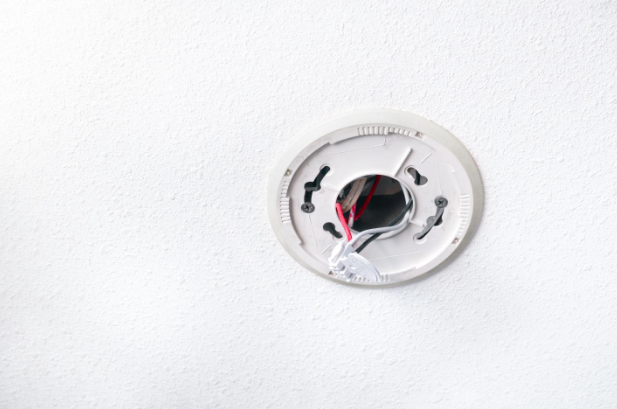 Photo from iStock - Credit: Petra Richli
Hardwired Smoke Alarms with Battery Backup Explained
Hardwired smoke alarms with battery backup tie into your home's electrical system while keeping a secondary power source ready for outages. The primary feed uses the home's branch circuit and connects at the alarm base to provide continuous 120V-derived power. The backup batteries keep the sensing electronics and horn working if the circuit loses power during an emergency or a tripped breaker. A professional checks the feed at the circuit breaker and verifies the neutral and hot conductors at the detector base during inspection.
Units designed for hardwired systems include a third interconnect terminal used to send a trigger signal between devices when smoke is detected. Installers inspect the junction box and use a continuity test across the interconnect conductor when the circuit is off to confirm proper wiring. They also measure voltage at the alarm terminals to ensure the device sees the expected supply and that the battery charging path functions. If wiring is shared improperly with other loads, an electrician will re-route or add a dedicated circuit for reliable alarm power.
Battery backup types vary from replaceable AA or 9V cells to sealed lithium packs rated for ten years, each with different maintenance needs. During an inspection a technician will remove the alarm to view the battery type and test the battery voltage under load when possible. Devices with sealed long-life batteries still require replacement of the entire alarm at end of service life according to manufacturer guidance. Homeowners in Conway, SC often appreciate seeing battery type and replacement intervals documented on the inspection sheet.
Heat, corroded connections, or insect intrusion at the alarm base can interrupt the power path even when wiring appears correct. A pro diagnoses these faults by examining the mounting plate, cleaning contacts, and using a voltage reading at the alarm connector under normal conditions. They will also test the device's built-in hush and test functions to confirm the backup takes over instantly during simulated power loss. For properties in Myrtle Beach, SC, installers typically record test results and recommend corrective wiring or replacement when readings fall outside expected ranges.
When deciding between replacing individual alarms or upgrading the whole set, the technician considers device age, battery type, interconnect compatibility, and circuit condition. They will document observed voltages, continuity checks, and battery test results in a written report to guide homeowner choices. A clear diagnosis helps homeowners prioritize fixes that restore full-home alerts and reduce nuisance alarms caused by marginal power or bad contacts. If you notice intermittent beeps or silence during a test, contact a certified electrician to confirm safe hardwired operation and backup integrity.
Methods of Interconnection and Installation Choices
Wired interconnection remains the most reliable method for whole-home alarms because it provides a direct electrical trigger between devices. Installers route a dedicated interconnect conductor through junction boxes and connect to the alarm base interconnect terminal for consistent signaling. During installation, electricians confirm continuity of the interconnect wire and proper segregation from other branch circuits to avoid accidental triggers. A professional will also verify the alarm circuit is on a GFCI-free branch when required by local practice.
- Use a dedicated interconnect conductor for wired systems.
- Keep interconnect wiring inside rated junction boxes.
- Label alarm circuits at the service panel.
- Match alarm generations for compatibility.
- Test every device after wiring is complete.
Wireless interconnect suits retrofits where running new cable is impractical, since devices exchange encrypted radio signals to trigger alarms. Installers check signal strength and device placement so walls or metal enclosures do not block messages between units. Professionals will still test from each room and document successful group activation during final inspection for acceptance. Homeowners should expect a written test log showing which units responded and any weak points requiring adjustment.
Hybrid approaches let you mix wired power with wireless signaling for difficult layouts, reducing rewiring while keeping hardwired battery backup. Technicians confirm the mains feed and battery status at each device, and they ensure the wireless module complies with certification. A diagnostic check includes voltage readings at the alarm terminals and a network test that records which units received the signal.
When diagnosing interconnection issues, a pro follows a clear sequence starting with simple tests, then moving to circuit and device checks. They press the test button at one alarm while observing which units sound and recording responses for a written report. If wired signaling fails, the technician performs continuity and voltage tests at the junction box and alarm base using a multimeter and visual inspection.
Why False Alarms Happen and When to Act
False alarms often start with environmental triggers such as cooking smoke, steam from showers, or dust stirred during renovation work. These sources create brief particle spikes that photoelectric or ionization chambers can read as smoke and then briefly trigger alarms. A technician diagnosing repeat false trips will inspect the sensing chamber for dust, residues, or insect intrusion and perform a controlled test to compare responses. In Conway, SC homeowners should tell the inspector where alarms sound most often so checks focus on likely culprits.
Electrical causes also produce nuisance alerts when loose connections, corroded contacts, or intermittent voltage reach the alarm base. Professionals use a multimeter to record voltage at the alarm terminals and check for voltage sag or spikes during operation and testing. They will remove the device to examine the mounting plate, wiring pigtails, and the interconnect conductor for corrosion or poor crimps. Documented voltage readings help decide whether a wiring repair or device replacement is the proper fix.
Device age and sensor drift lead to slowly increasing sensitivity and more false activations as units near end of life. A technician inspects date stamps on the alarm housing and advises replacement when units are beyond manufacturer service life or show visible degradation. In many cases, swapping an outdated detector for a current model with better nuisance immunity stops frequent false alarms. Myrtle Beach, SC homes with older detectors often see improved performance after targeted replacements confirmed by a full-system test.
Wireless interconnect issues create the appearance of false alarms when repeated signals come from failing transmitters or interference sources. Troubleshooting includes checking signal logs, moving a suspect unit temporarily to confirm if false trips follow the device, and testing for radio interference from nearby electronics. Professionals also verify firmware compatibility and pairing integrity when hybrid systems combine wired power with wireless signaling. If the cause is not obvious, a qualified electrician documents observations and recommends replacement or rewiring based on test results.
Warning Signs of Wiring or Device Failures
Look for irregular chirps or silence during routine tests, these symptoms often point to wiring faults or failing components needing inspection. A professional will first check the breaker and then remove the device to inspect the wiring connections at the mounting plate. They will perform a continuity check on the interconnect conductor and measure voltage at the alarm terminals with a multimeter.
Warm or discolored alarm bases signal heat or corrosion that can interrupt contacts and create intermittent operation during a fire event. Technicians open junction boxes to look for loose wire nuts, burnt insulation, or backstabbed connections that increase resistance. They also test for proper grounding and confirm neutral and hot conductors are correctly assigned to the alarm circuit. If corrosion appears, a pro cleans or replaces the affected connectors and re-tests the system.
Repeated single-unit activation while others stay silent suggests interconnect failure either in the wiring path or within a device transmitter. A technician isolates the issue by pressing the test button on different units and tracing where the signal stops, using continuity tests and signal-strength checks for wireless links. They will examine compatible device types and firmware status when mixed systems are present to rule out incompatibility. Clear test results guide whether rewiring or targeted unit replacement restores coordinated alerts in Myrtle Beach, SC.
Strange behavior during power outages, like alarms not switching to battery backup, points to battery or charging circuit problems that require professional diagnosis. The inspector will remove a unit, test the battery under load, and check the charging path and transformer feeding the alarm circuit at the junction box. For properties in Conway, SC, technicians often record voltage under both mains and battery conditions to confirm backup reliability. If readings fall outside expected ranges, a reliable electrician will recommend corrective wiring or device replacement.
When Homeowners Should Call a Professional Service
If alarms chirp intermittently, blow a constant fuse, or stay silent during a house test, call a professional right away. A licensed electrician will inspect the alarm circuit, junction boxes, and device mounts for hidden damage. They use a multimeter to record voltage at the alarm terminals and test continuity on interconnect conductors. Prompt diagnosis prevents a dangerous false sense of security when alarms might fail during an actual fire.
- Repeated single-unit activation requires tracing the interconnect path.
- Warm or discolored bases need immediate inspection and possible replacement.
- Alarms that do not switch to battery point to charging or battery faults.
- Frequent nuisance trips may need sensor cleaning or device upgrade.
If your system mixes wired units with wireless modules and behaves unpredictably, hire a technician experienced with hybrid setups. The pro will verify compatibility, check signal strength, and document which devices respond during group testing. They may temporarily relocate or isolate units to confirm which module causes issues. This systematic approach saves time and avoids unnecessary replacements when wiring is actually sound.
Homes with additions or remodeled areas often have unseen junction boxes or circuit splices that disrupt interconnects and require professional access. An electrician will open boxes, measure voltages under load, and photograph findings for a repair plan you can review. For properties in Conway, SC and in Myrtle Beach, SC, expect a written report with measured readings and recommended corrective steps. If safety risks appear, ask the technician to schedule repairs promptly and to explain the expected timeline.
Maintenance Tips to Prevent Failures and Ensure Alerts
Schedule regular monthly manual tests by pressing the test button on at least two different alarms to confirm group activation. During the test, listen for delayed or weak horns that suggest wiring or horn failures needing inspection. Record which units responded and any anomalies so a professional can reproduce problems during a service visit. If a device fails to sound, disconnect power and report the findings to a licensed electrician for safe diagnosis.
Clean detector exteriors and sensing chambers per manufacturer guidance to reduce dust and insect buildup that causes sensitivity drift. Use a soft brush or low-pressure vacuum on the outer vents and avoid spraying cleaners into the sensing chamber. Replace disposable batteries annually and note sealed ten-year batteries' end-of-life dates so full replacements occur before failure. Keep a written log of cleaning dates, battery changes, and observed behaviors for maintenance history.
Inspect accessible junction boxes and alarm mounting plates yearly for loose wire nuts or signs of overheating that can interrupt the interconnect conductor. A professional will tighten connections, measure voltage at the alarm terminals, and perform continuity checks on the interconnect conductor when you report issues. If you see discoloration or melted insulation, stop testing and schedule immediate service to prevent system failure.
Test battery backup switching by cutting circuit power briefly and confirming each alarm stays powered and sounds during a functional test sequence. For wireless-linked units, check signal range by temporarily moving a unit toward the farthest alarm and testing group activation for weak points. Keep records of these simulated outage tests and share them with the technician when scheduling work in Conway, SC or Myrtle Beach, SC. If any test shows inconsistent alerts, arrange professional repair without delay.