
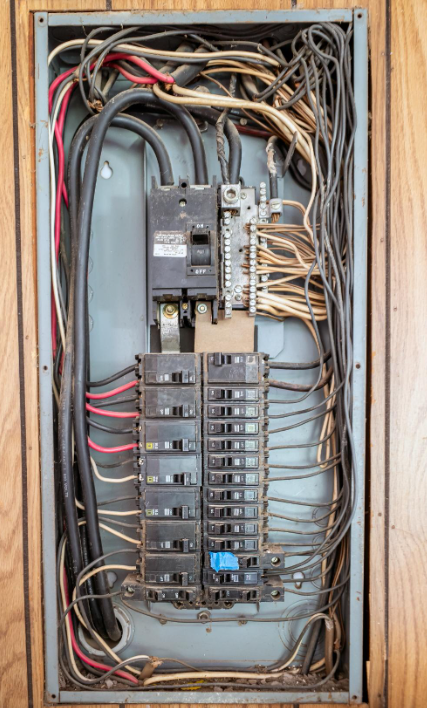
Key Takeaways About Main Breaker Upgrade
A main breaker upgrade is the process of increasing the main disconnect capacity to match a home's electrical demand. This summary is for homeowners and property managers who notice trips, heat, or plan new high‑draw equipment.
- Identify flickering lights warm handles and frequent branch trips.
- Prevent overheating by confirming conductor size and bus condition.
- Avoid unsafe oversizing by having a licensed electrician verify compatibility.
- Spot thermal damage using infrared scans voltage and visual inspection.
- Reduce nuisance trips by rebalancing circuits and adding dedicated feeds.
- Plan upgrades early when adding EV chargers HVAC or other loads.
Introduction
Many homes show subtle signs that their electrical service is reaching its limits long before a breaker fails completely. Flickering lights when the air conditioner kicks on, breakers tripping during heavy appliance use, and warm breaker handles are common red flags. Ignoring these can lead to frequent outages and increased fire risk. Homeowners in Conway, SC often delay fixes until repairs become urgent.
The main breaker controls the total electricity entering your house and sets the maximum safe load for the panel. When that disconnect is undersized, circuits compete for limited capacity and create nuisance trips or constant overloads. Overheating inside the panel can damage wiring and connected devices over time. For properties in Myrtle Beach, SC this risk grows with added modern loads like EV chargers and larger HVAC systems.
A main breaker upgrade raises the service headroom and reduces stress on individual branch breakers and conductors. Upgrading does not magically change older wiring but it does give licensed electricians room to balance loads and add new circuits safely. Properly done, it lowers the chance of repeated trips and reduces overheating at the disconnect and bus. A professional inspection will confirm whether the panel and service conductors can support a larger breaker.
Recognizing the signs early prevents inconvenient and potentially dangerous failures during peak use. Visible heat, frequent short trips, and limitations when adding new appliances are practical clues to act. A qualified electrician will perform load calculations, take voltage readings, and inspect grounding and bonding during diagnosis. Schedule an evaluation if you notice repeated trips or suspect your main breaker no longer meets your home needs.
What A Main Breaker Upgrade Actually Does
A main breaker upgrade increases the panel's maximum allowed amperage and gives the service more usable capacity. Homeowners often ask whether the upgrade will stop nuisance trips, and the short answer is it often reduces them by matching capacity to load. The upgrade changes the size of the main disconnect but does not replace all branch wiring. A licensed electrician must verify the panel and service conductors before any change.
- Allows higher total amperage into the home.
- Lets electricians rebalance circuit loads.
- Reduces stress on individual breakers.
- Makes room for new dedicated circuits.
The upgrade process begins with a load calculation to measure typical and peak usage in the house. A professional will record voltage readings at the main and test individual circuit loads during diagnosis. They will inspect the panel bus, grounding conductor, and connections for corrosion or loose lugs. This step confirms the panel can safely accept a larger main breaker.
After confirming compatibility, the electrician replaces the main breaker and may swap service fuses or tighten conductor terminations. They will test the updated system under load to confirm trips stop and voltages stay within safe ranges.
How Panel Capacity Limits Cause Overloads
When the main breaker rating sits close to or below the home's steady demand, individual circuits experience more frequent overloads. Circuits that share heavy appliances start to draw near the panel's limit and create a cascade of trips. This happens because the panel's bus and main disconnect cannot supply extra current during simultaneous peaks. In this state, even small additional loads push the system past its safe threshold.
Thermal stress concentrates where conductors and lugs carry current near their capacity, increasing resistance and heating. Over time that heat degrades insulation and tightness of connections, raising the chance of arcing or failure. An electrician looks for discoloration, melted insulation, or loose lug hardware as part of a visual inspection. These physical signs point to chronic overloading rather than one-off events.
Professionals diagnose capacity-related overloads using specific tests and measurements during an inspection. They perform load calculations, take voltage and amperage readings at the main, and test individual circuits with a clamp meter. Measured imbalance between phases or significant voltage drop under load confirms the panel is operating at or above its intended capacity. Recording these readings produces a written report to guide safe corrective actions.
Homes adding modern high-draw devices can outgrow an older panel's design, so location matters when planning upgrades in Conway, SC. For properties with rising needs in Myrtle Beach, SC the main breaker upgrade often appears necessary when measured loads exceed safe margins. Deciding on a larger disconnect requires confirming service conductors and the panel bus can handle the change. A licensed electrician will verify those components before recommending a main breaker upgrade.
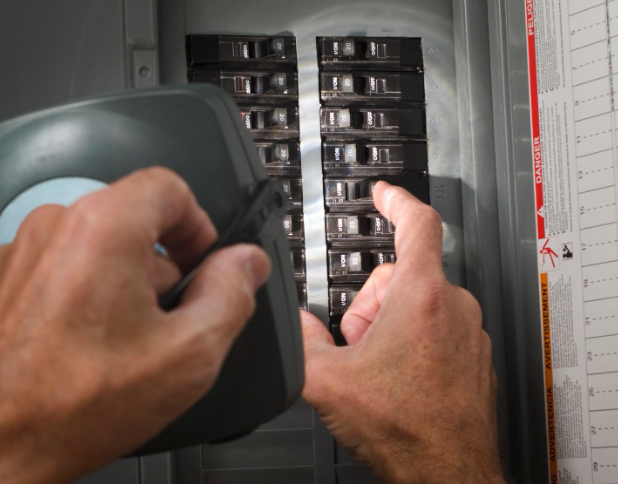
Photo from iStock - Credit: KenTannenbaum
Why Frequent Trips Happen and When to Act
Frequent breaker trips often follow a pattern that helps pinpoint the cause without guessing. You might notice trips at predictable times, like when the dryer and oven run together, which suggests load stacking rather than a defective breaker. A professional will watch for those timing patterns while measuring current on suspect circuits with a clamp meter. Recording when trips occur helps determine whether the issue is intermittent or steadily worsening.
Another common cause of repeated trips is a single circuit drawing more current than its breaker allows, often due to aging appliances or added devices. An electrician will perform circuit tracing and measure amperage under typical use to confirm an overload condition. They will also check for shared neutrals and overloaded multi-wire branch circuits that can create unexpected trips. Findings lead to options like circuit redistribution or adding dedicated circuits where needed.
Loose connections and increased resistance can make breakers trip more often even if measured loads look normal during a quick check. During diagnosis the technician tightens lug connections, inspects bus contacts, and uses an infrared camera to spot hotspots under load. If heat appears at the main or at branch breakers, it indicates trouble that simple reset cycles will not fix. Addressing poor connections reduces nuisance trips and lowers fire risk.
When trips start to include the main breaker rather than only individual branch breakers, it signals the panel may lack safe headroom for current peaks. At that point a main breaker upgrade becomes a practical solution after confirming service conductor and panel bus compatibility. For homeowners in Conway, SC repeated main trips commonly push the decision to upgrade, while properties in Myrtle Beach, SC with added EV charging or new HVAC systems see similar urgency. A clear diagnosis and written report let you choose the safest corrective path.
Signs of Overheating and What to Inspect
Watch for discolored or melted insulation near breaker terminals and on feeder conductors, which signal sustained heat damage needing investigation. A professional will remove the panel cover and inspect bus bars, lug tightness, and insulation condition visually and with torque tools. They may take voltage readings at the main under load to confirm whether the panel shows excessive drop or imbalance. If you smell a persistent burning odor from the panel, stop using high-draw appliances and schedule a diagnostic evaluation.
- Look for dark or brittle wire insulation.
- Check for rust or corrosion on lugs.
- Note any buzzing sounds near the panel.
- Record times when heat or smells appear.
Hot or warm breaker handles are a clear sign of elevated resistance at connections rather than a minor nuisance. An electrician will use an infrared camera to scan the panel under normal load and pinpoint hotspots before touching terminals. They also perform a torque check on conductor lugs and test circuit currents with a clamp meter to find overloaded circuits. These steps separate a loose connection from a true capacity problem that might justify a main breaker upgrade.
Visible arcing marks, pitted contacts, or melted plastic around breakers indicate a safety hazard that requires immediate attention. During diagnosis, the technician documents findings with photos and measurement readings for a written report and repair plan. If insulation damage extends into branch wiring, the electrician will trace affected circuits and recommend localized repairs. Homeowners in Conway, SC should treat any visible panel damage as urgent and avoid resetting breakers repeatedly.
Continuous high ambient heat near the panel or frequent trips during peak use suggest the service lacks headroom for modern loads. A professional assesses if the panel and service conductors can accept a larger main breaker by measuring conductor size and bus condition. If readings show near-limit currents, the electrician explains options including circuit redistribution or a main breaker upgrade to increase headroom. Properties in Myrtle Beach, SC with added appliances often discover these same signs during routine inspections.
When to Call a Professional for Upgrade
If you see escalating issues or feel unsure about causes, call a licensed electrician in Myrtle Beach, SC to evaluate the system. A pro will perform a formal load calculation and inspect conductor sizes for compatibility with a main breaker upgrade. They also take voltage and amperage measurements under typical household demand to confirm if capacity limits cause your symptoms. Arrange the visit sooner rather than later when trips or heat appear during normal use.
During the visit the electrician will check grounding, bonding, and the panel bus condition visually and with instruments. They may use an infrared camera and a clamp meter to record hotspot locations and current on individual circuits. The technician documents readings and photos in a written report showing whether upgrading the main breaker is appropriate. If the panel shows physical damage or severe corrosion, the report will list safer alternatives.
Expect the pro to verify service equipment beyond the breaker, including meter socket and service conductors feeding your panel. If those components cannot safely handle increased amperage, the electrician will explain required upgrades before replacing the main disconnect. This diagnosis prevents unsafe oversizing that could leave wiring or lugs at risk. Homeowners in Conway, SC should request these measurements before agreeing to any changes.
If you plan new high-demand appliances, schedule an inspection early so electricians can plan capacity increases proactively. A professional will map existing circuits and recommend dedicated lines or panel changes to avoid future overloads. They can also provide a timeline for work and written options, making the decision clear and documented. For coastal properties like those in Myrtle Beach, SC this planning avoids last-minute service interruptions during busy seasons.
How Upgrading Improves Safety and Headroom
Upgrading the main breaker reduces thermal stress by allowing the system to carry expected peak currents without pushing connections into their heating range. Electricians confirm this by measuring current with a clamp meter on each phase and checking voltage under load to verify reduced percentage drop. They also inspect the bus and grounding conductor to ensure elevated currents no longer concentrate at a single lug. These checks show whether the upgrade actually lowers operating temperature across the panel.
A larger main breaker gives electricians room to rebalance and add dedicated circuits so heavy loads do not overlap as often during daily use. During diagnosis a pro traces circuits and measures individual circuit amperage to decide which loads need relocation or dedicated feeds. Rebalancing avoids repeated simultaneous peaks that previously forced nuisance trips during high-demand periods. The result is fewer service interruptions and steadier voltage at outlets and appliances.
Upgrading can improve safety by reducing the frequency of breakers operating near trip thresholds, which lessens stress on wiring insulation and terminations. A technician documents pre- and post-upgrade amperage readings and may photograph hotspots found with an infrared camera to show improvement. If service conductors or the meter socket cannot support the new breaker, the electrician will recommend those specific upgrades instead of oversizing unsafely. This diagnostic-first approach protects conductors and prevents hidden hazards from appearing later.
For homeowners planning new equipment, the upgrade creates headroom for future additions while preserving system safety and balance during normal cycles. In a common situation, an owner notices trips when the heat pump and range run together and the electrician measures phase loads to confirm the need. After upgrading, professionals retest circuit currents and voltages to provide a written report showing improved margins. Homeowners in Conway, SC and Myrtle Beach, SC find this proof useful when planning further electrical work.
Main Breaker Upgrade Cost Factors and Timing
Several factors determine the cost and timing for a main breaker upgrade, including material needs and the complexity of the service equipment. Electricians first verify conductor size and meter socket condition before estimating work hours and parts. Weather and scheduling can shift timing, so book an inspection early to avoid delays during busy months. For homeowners in Conway, SC, planning increases the chance upgrades fit the calendar without emergency rush fees.
- Conductor replacement adds material and labor cost.
- Panel or bus repairs increase job scope.
- Permit or inspection fees may apply.
- Adding dedicated circuits lengthens the project.
- Accessibility affects labor time.
During diagnosis a professional creates a written cost estimate based on measured conditions and required corrective steps. They list parts like a new breaker, lugs, and any needed conductors rather than guessing totals. The electrician also outlines whether the meter socket or service drop requires utility coordination, which can affect project duration. Myrtle Beach, SC homeowners should factor in possible coordination time with the utility when scheduling larger upgrades.
Typical scheduling includes an initial inspection appointment, ordered parts, and a return visit for the upgrade itself when all components arrive. Some projects complete in a single visit when panels and conductors already meet requirements, keeping downtime minimal. If replacement of the meter, service mast, or service conductors is necessary, plan for additional days and possible utility involvement. Ask the electrician for a clear timeline and a written scope to minimize surprises.
Preparing Your Home for A Successful Upgrade
Clear the area around the panel so the electrician can work safely and access all connections without obstruction. Remove stored items, boxes, and paint cans from the service wall to allow full access and airflow. Make sure pets and children stay away from the work area during inspection and upgrade to prevent distractions. Have a flashlight or phone light available in case the electrician needs to see circuit labels in dim spaces.
Label major appliances and note typical use times to help the technician plan load sequencing and temporary power needs. Write down when high-draw devices run so the pro can simulate peak demand during testing and balance loads. If circuit labels are missing or unclear, point out the washer, dryer, range, and HVAC disconnects to save diagnostic time. This information speeds the process and reduces the time your power may be turned off.
Expect a short planned outage while the main breaker is swapped or conductors are worked on, and schedule activities accordingly to avoid disruption. Charge phones, backup laptops, and refrigerate perishables beforehand to avoid inconvenience during the planned interruption. Confirm with the electrician whether they will need space for replacement parts and tool staging near the service panel. For homeowners in Conway, SC and broader areas, ask about anticipated outage length before work begins.
Keep inspection records, previous load calculations, and any service reports handy for the electrician to review before starting work. Having written measurements or past photos lets the technician compare pre- and post-upgrade conditions and document improvements. Ask the electrician to record final voltage and amperage readings and provide a simple written report for your files.