

Key Takeaways About Breaker Panel Upgrade
A breaker panel upgrade means replacing or increasing a home's main electrical distribution to improve safety and capacity. This guidance is for homeowners and property managers who notice trips, smells, or plan new high-demand appliances.
- Identify frequent trips warm panels and flickering lights as warning signs.
- Prevent overloads by having a professional perform a load calculation.
- Avoid hazards by testing grounding continuity and breaker operation promptly.
- Spot missing AFCI or GFCI protection especially in bedrooms kitchens and bathrooms.
- Reduce nuisance outages with dedicated circuits for high-draw appliances.
- Plan upgrades early accounting for permits utility coordination and scheduling.
Introduction
Homes with old or crowded electrical panels can show subtle signs before a failure. Tripping breakers, warm covers, and flickering lights point to a service panel that may be undersized or unsafe. Ignoring these signals raises the risk of nuisance outages and fire hazards. Homeowners in Oak Island, NC often notice these issues as they add modern appliances.
Amperage matters because it limits how much load your home can handle safely. Many older homes were wired for 60 or 100 amps while modern needs often require 150 to 200 amps. An undersized panel can cause constant overloads on individual circuits. For properties in Wilmington, NC, upgrades become more common with HVAC and electric range installations.
Arc-fault and ground-fault protection reduce shock and electrical fire risks by detecting dangerous currents. Newer panels accept AFCI and GFCI breakers or have these devices built into the bus. Without proper integration, individual branch circuits may remain unprotected. That gap matters especially in bedrooms, kitchens, and bathrooms where codes now favor added protection.
Deciding on a breaker panel upgrade starts with diagnosis and timeline expectations for the work. A professional will inspect the service panel, perform a load calculation, and test grounding and breaker operation. Expect coordination with the utility and an on-site safety check before replacement work begins. A clear upgrade plan helps minimize downtime and keeps the project predictable.
How Breaker Panels Work and Why Overloads Happen
Electrical panels are home’s central distribution point that routes electricity and protects circuits from overloads. The panel contains a main breaker, branch circuit breakers, and the bus bars that carry current to each breaker. A homeowner might ask whether a buzzing panel or frequent trips means a dangerous overload, and the short answer is yes, those symptoms often indicate the panel is under stress. A professional can confirm the cause with voltage readings and a load calculation during an inspection.
- Main breaker limits total service amperage.
- Branch breakers protect individual circuits.
- Bus bars distribute current to each breaker.
- Neutral and grounding conductors complete the circuit.
Overloads happen when connected devices draw more current than a circuit or the service can handle safely. Common causes include adding high-draw appliances, many devices on the same circuit, or outdated panels with limited breaker space. Loose connections or corrosion raise resistance and create heat that can mimic an overload symptom. A technician will use a clamp meter to measure branch and service currents to diagnose whether circuits exceed rated amperage.
Some panels show subtle signs before failure, such as warm covers, flickering lights, or breakers that trip without a clear cause. Owners should note when these symptoms occur and which circuits are affected to help a technician focus the inspection. During diagnosis, a professional checks breaker trip response, grounding conductor continuity, and visual signs of arcing or burnt insulation. In Oak Island, NC and Wilmington, NC homes, these inspection steps help prioritize if a breaker panel upgrade is needed based on measured loads and observed damage.
Common Signs Your Panel Is Undersized or Unsafe
Look for repeated breaker trips that happen when different appliances run simultaneously, as this suggests circuit overloads rather than a single faulty device. Smells of hot insulation or a faint burning odor near the panel are serious red flags that require immediate professional attention. Inspect the panel face for dark streaks, melted plastic, or rusty terminals which indicate heat damage or moisture intrusion. If breakers feel loose or handles move unusually, note which breakers and avoid touching internal components until a technician arrives.
Unusual sounds such as buzzing, humming, or crackling from the panel often point to loose connections or arcing under load. A technician will confirm this with a visual inspection and an infrared camera to record hot spots on bus bars and breaker lugs. Look for dimming or flicker synced to specific appliances, that symptom can reflect a marginal neutral or undersized service conductor. Keep a simple log of when lights flicker and which devices run at the time to help diagnosis.
Physical constraints like a panel full of tandem breakers, spaces filled with taped wires, or an absence of labeled circuits reduce safety and flexibility. A crowded panel leaves no room for new AFCI or GFCI breakers required by current practice, and that limits safe upgrades. Homeowners in Oak Island, NC sometimes find panels from early construction that lack modern protection and capacity. Note any modern appliances that trip the same circuit repeatedly, as that points to required circuit changes or a panel service increase.
Visible corrosion on grounding conductors, missing bonding straps, or a floating neutral are wiring issues that affect safety and code compliance. A professional will perform continuity tests, measure voltage between neutral and ground, and verify the grounding electrode conductor connection. Homes with older service equipment, grounding problems appear more during inspections when moisture or age degrade components. If you observe any of these signs, contact an electrician in Wilmington to schedule a diagnostic visit and to discuss whether a breaker panel upgrade is warranted.
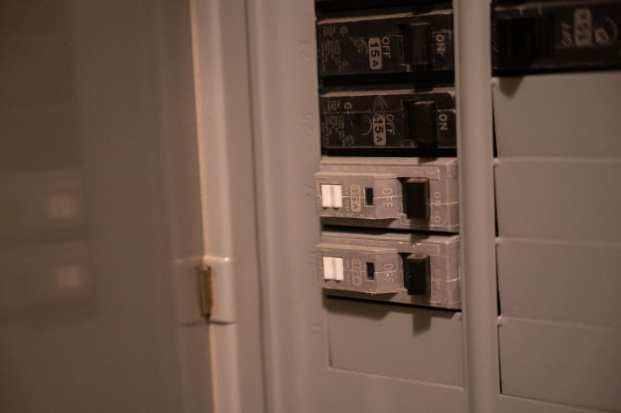
Photo from iStock - Credit: Joshua Hime
When To Consider a Breaker Panel Upgrade
If your home frequently needs more circuits or has limited breaker spaces, a professional may recommend an electrical panel upgrade to accommodate additional electrical demands. An electrician will assess the existing panel's capacity and determine whether adding circuits or upgrading the service is necessary. Dedicated circuits for high-demand appliances may also help prevent overloaded circuits and repeated breaker trips. To explore the advantages of a modern electrical system, read our guide on top 7 benefits of upgrading your home’s electrical panel.
When space is available but safety devices are lacking, the choice may be to replace only the interior with a modern panel that accepts AFCI and GFCI breakers. The electrician will confirm compatibility by inspecting the bus, neutral arrangements, and grounding conductor condition. If the existing enclosure cannot accept required breakers safely, a full breaker panel upgrade becomes the practical option. That decision balances safety gains against the scope of work for the homeowner.
Homeowners sometimes notice rising electrical bills with no other cause, which can prompt evaluation for an upgrade as faulty connections increase losses. During diagnosis a professional measures voltage drop, inspects breaker torque, and records current with a clamp meter to locate inefficiencies. They may also take photos and provide a written report showing observed damage, test readings, and recommended next steps. These records help homeowners understand whether a panel replacement will reduce risk and restore reliable service.
Timing the work often depends on parts availability and utility coordination when the main service size increases, so plan several weeks ahead for scheduling. A certified electrician will obtain necessary permits and schedule any required meter or service disconnect work with the utility to avoid surprises. For property owners in Oak Island, NC and Wilmington, NC, seasonal demand and local contractor availability can affect timelines, so early planning helps. Ask for a clear timeline and scope to keep the project predictable.
Amperage Options and How to Choose Correct Size
When choosing service amperage for a breaker panel upgrade, start with a formal load calculation to size service capacity accurately. A professional measures continuous and noncontinuous loads and applies demand factors to find safe amperage. The calculation includes electric ranges, HVAC compressors, water heaters, and other large appliances on the premises. Expect discussion about future needs if you plan major additions like electric vehicle charging or extra HVAC equipment.
- 60 to 100 amps suits small older homes with few high-draw appliances.
- 100 to 150 amps fits many medium-size homes with moderate electric use.
- 150 to 200 amps covers larger homes or those with multiple heavy appliances.
- 200+ amps is for homes planning high electrical loads or EV charging.
A technician confirms service conductor size, meter base rating, and main breaker compatibility during inspection. They also check panel bus type and grounding conductor condition to ensure safe connections. Voltage readings and clamp meter measurements verify that calculated loads match actual measured currents under typical use. Photographs and a written report usually document findings and support the recommendation for a specific amperage increase.
Choosing higher amperage requires coordination with the utility and possible service conductor upgrades at the pole or meter. Permit requirements and meter socket ratings affect how quickly work proceeds and what equipment fits. North Carolina seasonal contractor availability can influence scheduling for larger upgrades. Ask the electrician for a clear quote and timeline before committing to a breaker panel upgrade.
Integrating Arc Fault and Ground Fault Protection
Arc-fault and ground-fault protection devices address different electrical hazards, so an electrician determines their placement based on circuit use and applicable electrical codes. During an inspection, the technician identifies which circuits require AFCI or GFCI protection and checks existing wiring for compatibility. To better understand how arc-fault protection works, read our guide on arc fault breakers - prevent dangerous electrical arcs. The electrician also examines neutral connections and shared neutral circuits that could cause unwanted breaker trips. Circuit labels and inspection notes help homeowners understand the protection installed in their electrical system.
During diagnosis, the pro uses a multimeter, clamp meter, and visual checks to confirm whether existing wiring supports retrofit breakers. They test continuity on grounding conductors and measure leakage current that could trigger a GFCI. The installer also looks for multi-wire branch circuits and confirms the neutral is properly tied and not shared improperly. If wiring conflicts exist, the solution may require rewiring specific circuits rather than replacing the whole panel.
When integrating protection into a new panel, the technician often installs combination AFCI breakers for bedrooms and GFCI breakers or receptacles for bathrooms and kitchens. They evaluate whether dual-function breakers are appropriate for areas with both shock and arc risks. A written checklist shows which breakers were replaced, torque values used on lugs, and recorded voltage or current readings after the work. Homeowners receive clear labels so they know which circuits now have AFCI or GFCI protection.
For example, a homeowner notices persistent trips in a bedroom when a space heater runs and records the breaker number and time for the electrician. The service visit includes testing with a clamp meter and swapping a breaker for a combination AFCI to confirm nuisance trips stop. In Oak Island, NC properties, this diagnostic approach clarifies whether the trip was load-related or due to arcing. In Wilmington, NC, electricians often provide a short report with photos showing the corrected wiring and protection devices installed.
What A Technician Checks During an Upgrade Visit
A technician starts by confirming service disconnection procedures and verifying power is isolated before touching panel components. They inspect the enclosure for corrosion, water entry points, and secure mounting to the wall. The pro checks the condition of the main breaker and measures voltage at the incoming lugs with a multimeter to confirm stable service. Photos and written notes document initial conditions for the homeowner and permit submission when required.
Next, the electrician evaluates electrical connections for looseness, overheating, or damage. Proper terminal tightening is important because loose connections can increase electrical resistance and create excessive heat. For more information about this process, read our guide on panel torque testing prevents loose connections and hot spots. When appropriate, the technician uses calibrated tools and follows manufacturer torque specifications. They may also check grounding and bonding connections and perform electrical tests to identify potential problems. Findings are recorded to help determine which components require repair or replacement.
During panel change preparation the technician maps each circuit and labels wires to preserve accurate circuit identification after work. They pull clamp meter readings on major loads and compare those measurements to the planned load calculation for the new service size. The installer inspects neutral bar condition and confirms no shared neutrals conflict with AFCI installations planned for bedrooms. Homeowners receive a clear diagram showing where key circuits like ranges, HVAC, and dryer will reconnect.
The installer checks meter base ratings and service conductor entry to confirm compatibility with the selected upgrade equipment and utility requirements. They coordinate any required utility disconnect or temporary power arrangements and note timing constraints on the permit paperwork. At the end of the visit the technician reviews safety measures, lockout status, and provides a written list of recommended parts and next steps.
Typical Breaker Panel Upgrade Timeline and Costs
Most breaker panel upgrades follow predictable steps once parts and permits are ready, and work often completes within one day for a straightforward swap. The technician schedules the service disconnect with the utility and confirms meter compatibility before the physical replacement begins. During the replacement the crew removes old breakers, mounts the new enclosure, and reconnects labeled circuits to their assigned breakers. After connections they run basic startup checks and restore power while monitoring for immediate faults or odd readings.
- Initial on-site inspection and permit review.
- Utility coordination and meter checks.
- Panel removal and new enclosure installation.
- Circuit reconnection and labeling.
- Post-installation testing and homeowner walk-through.
Typical timelines vary by scope: a straight like-for-like interior swap can finish in a day, while a service amperage increase may take multiple days. Work that raises service capacity often needs the utility to change the meter or service drop, which adds scheduling lead time. Expect an electrician to reserve 4 to 8 hours on site for larger upgrades when coordinating temporary power or staggered disconnects. The homeowner should ask for a written timeline that lists utility actions and expected on-site hours.
Costs depend on amperage, panel brand, breaker count, and any needed conductor or meter upgrades, so expect a range rather than a fixed price. Additional expenses arise when replacing degraded grounding conductors or correcting wiring problems discovered during the install. A technician will provide an itemized estimate that separates parts, labor, permit fees, and utility charges before work begins.
How to Prevent Future Panel Problems at Home
Start a simple maintenance routine to reduce the chance of future panel problems and extend component life. Periodically check that the panel door closes fully and there is no visible moisture or pest entry. Note any new smells, sounds, or flicker patterns and record when they occur to share with a professional. If you see corrosion on visible grounding or neutral connections, schedule an inspection promptly to prevent worsening issues.
Keep circuit loads balanced by avoiding concentrated high-draw devices on one breaker for long periods and rotate heavy use when possible. Label any new circuits clearly on the panel directory to speed diagnosis if a problem recurs and to prevent accidental overloads. Maintain clear access around the panel and do not store items that could trap heat or block ventilation. Ensure family members know where the main disconnect and individual breakers are located for quick response to trips.
Schedule periodic electrical safety inspections based on your home's age, panel condition, and electrical demands. During an inspection, a licensed electrician can check for corrosion, overheating, loose connections, and other signs of deterioration. Additional testing may be recommended depending on the findings and manufacturer requirements. Requesting a written report can help track the system's condition and determine when upgrades may be necessary. For homeowners considering improvements, our guide on electrical panel upgrade for safer and smarter power explains how modern panels can support changing household electrical needs.
Consider proactive upgrades for critical circuits like HVAC and electric ranges to dedicated breakers or subpanels to reduce continuous load stress on the main panel. When adding significant equipment, ask your electrician to evaluate whether the existing wiring and bus can handle the change safely before connection. Keep a clear list of major appliances and their typical usage to share during inspections so load calculations reflect real use. For properties in Wilmington, NC, this planning helps avoid surprise trips during peak seasons.













