
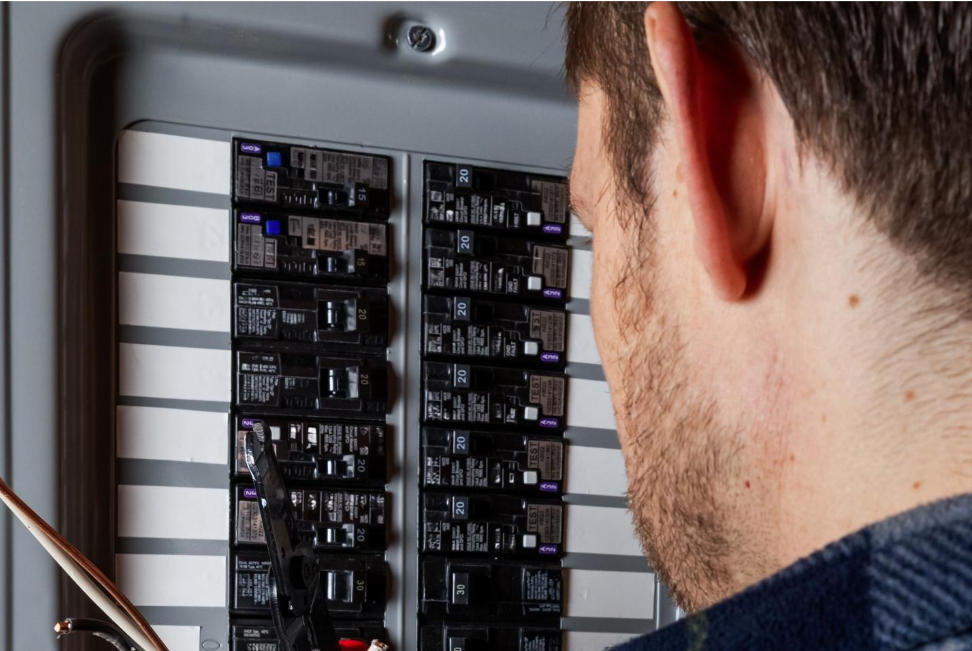
Key Takeaways About Arc Fault Breakers
Arc fault breakers detect dangerous electrical arcs by analyzing current waveforms and interrupting power before fires start. This summary is for homeowners and property managers deciding when to inspect or upgrade home circuits.
- Identify parallel arcs by high current sudden waveform spikes.
- Prevent series arcs with tight terminations and intact insulation.
- Avoid nuisance trips by isolating noisy devices and fixing wiring.
- Spot hidden faults using infrared scans and continuity testing.
- Reduce risk by choosing combination devices for living areas.
- Plan retrofits with panel surveys subpanels and professional inspections.
Introduction
Arc fault breakers protect homes by detecting dangerous electrical arcs that can start fires. These arcs often happen inside wiring, outlets, or cords and can smolder before flames appear. Homeowners may notice burning smells, flickering lights, or outlets that trip without other faults. In coastal areas like Wilmington, NC, older wiring can increase the risk of unnoticed arcing events.
There are two common arc patterns professionals watch for: parallel arcs and series arcs. Parallel arcs occur between hot and neutral or ground conductors and draw high intermittent current. Series arcs occur along a single conductor with a loose connection or damaged insulation and often produce lower current signatures. Both types can lead to overheating and ignition if not interrupted quickly.
Modern AFCI technology analyzes the waveform of current to distinguish normal appliance operation from arc signatures. Combination AFCIs detect both parallel and series arcs while branch/feeder AFCIs mainly target parallel faults. Reducing nuisance trips matters because false trips can lead homeowners to bypass safety devices or ignore real warnings. Proper device selection and troubleshooting help keep circuits protected without frequent interruptions.
Older homes present special challenges when adding arc fault breakers because panels and wiring may not match newer devices. A qualified electrician will inspect the service panel, junction boxes, and grounding to determine compatible retrofit options. For properties near Kure Beach, NC, moisture and corrosion can affect terminations and increase arc risk, so an inspection is important. If you suspect arcing or frequent unexplained trips, contact a licensed electrician to diagnose and recommend upgrades.
How Arc Fault Breakers Detect Dangerous Arcs
How arc fault breakers work: they sense electrical signatures that match dangerous arcing and interrupt power before heat causes ignition. The device monitors the current waveform and looks for rapid, irregular changes that differ from normal appliance patterns. Homeowners often ask, "Will an AFCI trip for a lamp or hair dryer?" and the answer is that modern units are tuned to ignore common appliance signatures while catching arc patterns. Professionals use that behavior to separate true threats from harmless switching events during inspection.
- The breaker measures current and voltage simultaneously.
- It analyzes waveform frequency and amplitude bursts.
- It detects both high-current and low-current arc patterns.
- The device trips only when arc patterns exceed set thresholds.
- Some models log trip events for later review.
Detection relies on pattern recognition electronics and algorithms inside the AFCI module that compare live signals to known arc signatures. For parallel arcs, the device senses high-current, fast-rise pulses between conductors and flags them quickly. For series arcs, it identifies low-current, intermittent spikes on a single conductor that repeat with distinct harmonics. An electrical technician can reproduce symptoms and confirm trips using voltage and continuity checks during diagnostics.
Technicians diagnose arc events by observing symptoms like unexplained trips, burning smells, or flickering lights, then by testing outlets and wiring. They will inspect junction boxes, measure voltage and continuity, and use an infrared camera if overheating is suspected. In coastal homes, corrosion and loose terminations can change arc signatures, so visual and electrical tests are important. If testing shows inconsistent readings, a professional may recommend replacing the breaker or repairing the affected connection.
Difference Between Series and Parallel Arc Behavior
Parallel arcs happen between two conductors and usually produce sudden high-current spikes that an AFCI recognizes quickly. These spikes create sharp changes in the waveform that show up as high-frequency noise and large amplitude pulses. AFCI electronics test for simultaneous current differences between hot and neutral to spot these events faster than thermal devices. During diagnostics a technician may reproduce the condition by switching loads to see matching waveform bursts on an oscilloscope or breaker log.
Series arcs occur along a single conductor where a loose connection or damaged insulation causes intermittent contact and tiny current pulses. These pulses are lower in amplitude and can mimic normal appliance switching, so the device looks for repeating harmonic patterns and irregular timing. Combination-type AFCIs include sensitivity to both series harmonics and parallel pulses, which improves detection for these low-current signatures. A professional will inspect suspected terminations and measure continuity while watching for the characteristic intermittent spikes.
Parallel behavior usually creates heat quickly at the fault path, often making the problem easier to locate by checking outlets and junction boxes for discoloration or melted insulation. Series behavior tends to produce localized heating at a connection that can be hidden inside light fixtures or device terminals. In coastal homes like Wilmington, NC corrosion can worsen contact resistance, increasing the chance of series arcs and complicating visual diagnosis. Technicians often use infrared cameras to find hot spots that point to concealed series faults.
When confirming whether a trip was caused by series or parallel arcing, professionals combine observations with targeted tests like voltage readings, continuity checks, and controlled load switching. They may swap in a known-good breaker or temporarily isolate circuits to see if the waveform signature disappears from the recorded data. For homeowners near Kure Beach, NC, showing recurring trips, these steps give clear evidence before any wiring repair or breaker replacement. If a homeowner detects burning smells or repeated unexplained trips, contact a reliable electrician to perform these diagnostic checks.
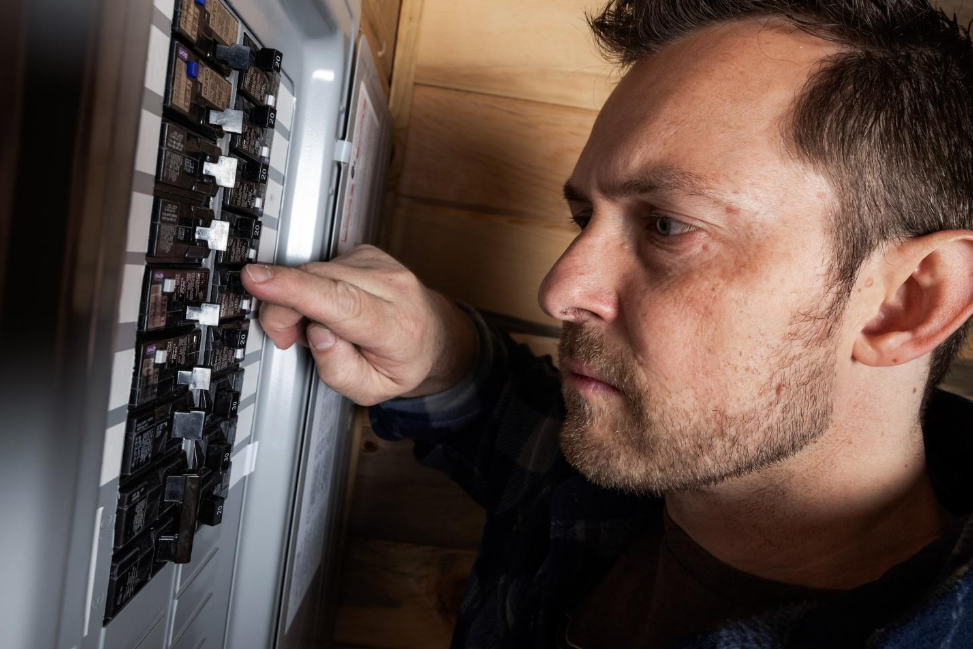
Photo from iStock - Credit: Charles Wollertz
Why Arc Faults Happen and When to Act
Loose terminations, damaged receptacle faces, and insect or rodent chewing commonly create the intermittent contact that leads to arc faults. A homeowner might notice a slight burning odor near an outlet, dimming lights when a device is used, or a receptacle that feels warm to the touch. During inspection, a technician will tighten connections, open junction boxes, and look for melted insulation or discoloration that indicates past arcing. If visible damage exists, a certified electrician will recommend replacing the affected section and re-torquing terminations to manufacturer specs.
Mechanical strain on cords and flex conduits often causes internal conductor breaks that produce series arcs without obvious external signs. Repeated bending at a cord entry point, loose outlet mounting, or a failing light socket can all show up as intermittent arcing under load. A pro will perform continuity tests and gently move conductors while monitoring for waveform spikes to reproduce the fault. These checks help pinpoint hidden issues such as loosened screw terminals or a pinched cable in a wall cavity.
Moisture and corrosion change contact resistance and raise the chance of arcing in coastal environments like Wilmington, NC, which accelerates terminal degradation. In Kure Beach, NC homes with older aluminum wiring, oxidation at connections can produce high-resistance joints that heat and arc. An electrician will use a clamp meter, voltage readings, and an infrared camera to detect abnormal heating or voltage drop under load. If corrosion or aluminum termination is found, the professional may recommend pigtailing with appropriate connectors or replacing the device to stop future arcs.
You should act quickly if you smell burning, experience frequent unexplained breaker trips, or see scorch marks on outlets or switches. These warning signs may point to an electrical problem that requires professional evaluation. The importance of coastal electrical safety inspections comes from their ability to identify signs of damage, deterioration, or unsafe conditions before they become more serious. For safety, avoid using suspect outlets or switches until a qualified electrician evaluates the system. If the inspection identifies damaged wiring, recurring electrical faults, or other safety concerns, schedule the recommended repairs promptly to reduce potential fire risks and support reliable circuit protection.
Where Building Codes Require Arc Fault Breakers
Many modern electrical codes require arc fault breakers on bedroom and living-area circuits to reduce fire risk from wiring and devices. These requirements focus on rooms where people sleep and where small appliance use is common, since unattended arcing can smolder for long periods. Codes also often extend AFCI protection to kitchens and laundry areas in recent updates because those locations combine high-load devices with receptacles. Homeowners should check their local inspector guidance to learn which circuits currently need protection in existing homes.
- Bedrooms commonly require AFCI protection.
- Living rooms and family rooms are typical AFCI locations.
- Kitchens may require AFCIs depending on code updates.
- Laundry and finished basements can fall under AFCI rules.
New construction typically includes combination-type arc fault breakers at branch circuits serving required areas, while older panels might only have space for branch/feeder devices. When a home has mixed wiring, an inspector may accept documented upgrades that show equivalent protection at the point of use. Electricians perform panel surveys to determine whether breakers meet current requirements and to identify circuits that lack mandated AFCI coverage. For homeowners, this helps target upgrades where codes now expect protection.
Local enforcement varies, so properties in Wilmington, NC should verify recent code adoptions and any amendment timelines that affect retrofit deadlines. For coastal or historic properties in Kure Beach, NC the authority having jurisdiction may allow staged compliance plans for older wiring during major renovations. A licensed electrician can interpret local code language, produce a compliance plan, and list which circuits need immediate attention. If you are unsure which circuits are covered, schedule an inspection to get clear, documented guidance.
Combination Versus Branch Type Breaker Comparison
Combination arc fault breakers protect against both parallel and series arcs in the same device, offering broader detection for branch circuits serving living spaces. These units include circuitry that recognizes low-current series harmonics and high-current parallel pulses, which improves overall coverage compared with branch-only designs. Electricians often choose combination types where code requires bedroom protection because they simplify wiring and inspection outcomes. For homeowners with mixed loads, a single combination device reduces the chance of leaving a series fault unprotected.
Branch/feeder AFCIs primarily detect parallel arcs and serve well at the panel for multiple circuits downstream, but they may miss some low-current series signatures inside devices. Installers sometimes use branch devices on feeder runs feeding subpanels or large loads where parallel fault risk is the main concern. A professional will weigh circuit type, expected loads, and panel space before selecting breaker types during an upgrade. In some retrofit cases, limitations in panel configuration influence whether branch or combination devices fit properly.
When comparing nuisance-trip behavior, combination breakers usually require careful troubleshooting when trips persist because they respond to a wider set of signatures. An electrician diagnosing repeated trips will inspect receptacles, lighting fixtures, and appliance cords while monitoring the breaker reset behavior. They may use a clamp meter, continuity checks, and controlled load switching to reproduce the signature and narrow whether the device saw a series or parallel event. Documented test results inform whether the breaker should be replaced or the wiring repaired.
For older homes considering an upgrade, professionals examine panel bus ratings, available spaces, and neutral handling to confirm compatibility with combination or branch-type arc fault breakers. A thorough panel survey includes inspecting neutral bars, verifying shared neutrals, and ensuring proper labeling before installing AFCIs.
Reducing Nuisance Trips and Practical Adjustments
Start by checking devices that commonly cause nuisance trips such as dimmers, LED drivers, and motor controls because they produce harmless electrical noise. An electrician can unplug or isolate those devices while testing the circuit to see if the arc fault breaker still trips. During diagnostics a pro may use a clamp meter and controlled load switching to reproduce signatures without opening junction boxes. If removing a load stops the trips, replacing the problematic device often resolves the issue quickly.
Wiring practices also affect nuisance tripping when shared neutrals or multi-wire branch circuits exist and AFCI sensing misreads currents. An electrical tech will inspect neutrals at the panel and at outlets to verify each circuit has its own properly landed neutral. They may correct switched neutral wiring, reterminate loose connections, or install handle-tied breakers to prevent misleading imbalances. These fixes reduce false trips while preserving protection for real arc events.
Older lighting fixtures and certain appliances can create series-like signatures that trigger sensitive AFCIs even when no hazard exists, so swapping in modern fixtures sometimes stops nuisance trips. Professionals often temporarily replace a suspect fixture or supply cord and monitor the breaker behavior to confirm the source. If replacement removes the trips, the homeowner can upgrade the fixture or repair the original connection permanently. When fixture replacement is not practical, an electrician can reroute or reterminate wiring to lower the chance of intermittent arcs.
Some AFCI models include updated trip algorithms designed to ignore common harmless signatures while still detecting dangerous arcs, so upgrading the breaker itself can help when wiring is sound. Before replacing a breaker, professionals will document symptoms, run continuity and voltage tests, and check for heating with an infrared camera to rule out real faults. For homeowners in Wilmington, NC or near Kure Beach, NC, environmental corrosion can complicate diagnosis and should be inspected before deciding to swap breakers. If uncertainty remains after basic checks, have a licensed electrician perform a targeted diagnostic and provide a repair or replacement plan.
Retrofit Options for Older Homes and Next Steps
If your panel is full or your home still has older two-prong circuits, an electrician may recommend adding a subpanel. This can create space for arc-fault circuit interrupter (AFCI) breakers and properly configured neutral connections. The electrician will inspect the main breaker, bus rating, and neutral bar to determine whether the existing panel can safely support upgrades. If components are damaged or capacity is inadequate, panel replacement may be the safer option. For additional safety context, the guide “electrical hazard prevention protects family safety in NC” explains why addressing electrical hazards matters for North Carolina families.
Depending on the condition of the electrical system, recommended improvements may include:
- Adding a subpanel when the main panel has no available space.
- Replacing a damaged or degraded neutral bar when necessary.
- Updating two-prong outlets with grounded or GFCI-protected devices where appropriate.
- Correcting shared-neutral circuit configurations when needed.
Older wiring may require a different approach. If knob-and-tube or cloth-insulated wiring is present, an electrician should evaluate its condition before recommending AFCI protection or other upgrades. The inspection may include accessible insulation, connections, junctions, and terminations. Depending on the wiring condition, replacing or rerouting sections may be safer than adding modern protection to deteriorated conductors. In some older homes, selective circuit upgrades may also allow higher-priority electrical concerns to be addressed first.
After retrofit work, an electrician may perform diagnostic testing to check the updated system and identify remaining concerns. The exact tests depend on the electrical system and the work performed. If AFCI trips or other problems continue, further evaluation may uncover wiring defects, connection problems, or equipment that needs additional attention.
When to Call a Professional for Arc Faults
If you smell burning near an outlet, see scorch marks, or experience repeated unexplained trips, call a trusted electrician like Mister Sparky® of Wilmington, NC right away. A professional will check connections, test continuity, and use a clamp meter to observe live current patterns. They can also perform an infrared scan to find hidden hot spots without dismantling finishes. Do not keep using suspect circuits until a technician confirms they are safe.
When trips occur only under specific appliance loads, a technician may reproduce the condition using controlled load switching while watching breaker behavior. They will also inspect device wiring, outlet mounting, and accessible junction boxes for loose terminals or damaged insulation. If the breaker records trip events, the electrician will review those logs to correlate signatures with observed conditions. This diagnostic sequence helps decide whether repair or breaker replacement is required.
If a panel shows physical corrosion, loose neutrals, or overcrowded spaces, an on-site inspection will document bus condition, neutral terminations, and available breaker slots. An electrician may recommend corrective actions like reterminating neutrals, adding a subpanel, or replacing degraded components based on measured voltage drop and continuity readings. For coastal homes in Wilmington, NC and locations like Kure Beach, NC, environmental corrosion can change diagnostic priorities and influence repair scope. Professionals provide written reports outlining findings and next steps after testing.
Call a professional immediately if arcing produces a persistent burning smell, visible damage, or repeated breaker trips despite simple fixes. During the service visit, expect the electrician to isolate circuits, swap breakers where appropriate, and perform voltage and continuity tests to confirm the resolution. They will document test results and recommend further wiring repairs when signatures or thermal scans point to concealed faults. If needed, schedule follow-up work to implement the recommended electrical repairs and retest the circuit for safety.