
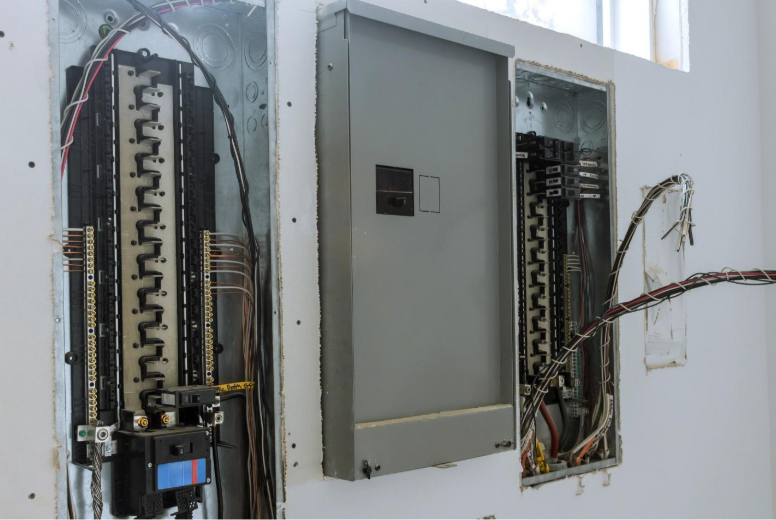
Key Takeaways About Electrical Panel Upgrade
An electrical panel upgrade means replacing or expanding the home's main breaker box to handle current and future loads safely. This summary is for homeowners and property managers who notice warning signs or plan larger electrical additions.
- Identify recurring breaker trips and warm or buzzing panel components
- Prevent overloads by calculating load and sizing main amperage properly
- Avoid inspection delays by preparing documentation and scheduling permits early
- Spot shared neutrals double taps and damaged insulation during inspections
- Reduce nuisance trips by redistributing circuits and adding dedicated breakers
- Plan spare capacity for EV chargers HVAC or future electrical additions
Introduction
Homes with old or undersized service panels can show small problems that become dangerous quickly. Flickering lights, warm breakers, and tripped circuits are common warning signs of overload and aging equipment. An electrical panel upgrade addresses those symptoms by restoring safe capacity and reducing fire risk. For homeowners, recognizing the need matters for safety and for reliable modern appliance use.
Many older homes were built for lower electrical demand than modern households now draw. When kitchens, HVAC systems, and electric vehicles add load, a panel may fail to keep up with current needs. Code changes under the National Electrical Code influence safe capacity and protective devices required during upgrades. Meeting those code expectations prevents hazardous wiring configurations and improves overall system reliability.
Permits and inspections play a central role in a compliant panel replacement and can affect project timing. Typical municipal permit timelines vary, so scheduling an electrical panel upgrade early avoids long waits and incomplete work. Professional installers coordinate permit pull, inspection, and final testing to confirm grounding and breaker function. That coordination ensures the job meets safety standards and passes inspection with proper documentation.
Mister Sparky electrical technicians size amperage using load calculations and circuit redistribution to match actual household demand. They inspect service conductors, grounding conductor, GFCI and AFCI protection, and breaker condition before recommending changes. A careful redistribution of circuits onto new breakers reduces nuisance trips and allows for future additions. Homeowners in Wilmington, NC and Castle Hayne, NC notice fewer interruptions and clearer capacity after a properly executed upgrade.
What an Electrical Panel Upgrade Involves
Electrical panel upgrades replace or expand the home's main distribution equipment to safely handle current and future electrical loads.
- Remove the old panel and main breakers
- Install new panel with correct amperage rating
- Re-label and redistribute existing branch circuits
- Install required AFCI and GFCI protection
Work starts with a visual inspection and basic tests to confirm wiring condition and grounding continuity. A common homeowner question asks how installers confirm need, and professionals run a load calculation and take voltage readings under load. Technicians also test for shared neutrals and inspect junction boxes for overheating or double-tapped breakers. These checks create the basis for an upgrade recommendation.
Panel replacement requires matching the new panel size with the service conductors and meter capacity to avoid overrating the feed. Installers will select a 100, 150, 200 amp or larger panel based on calculated load and service limits. They also plan space for new breakers used by appliances, EV chargers, or HVAC equipment. Planning prevents overcrowded panels and repeated nuisance trips.
During an electrical panel upgrade, licensed electricians disconnect power at the meter, replace the necessary equipment, and reconnect the home’s circuits. The process also includes proper grounding and bonding. Homeowners should expect a temporary power shutoff, and the project may require an inspection based on local requirements. After installation, the electrician checks the new panel and related safety devices to confirm the system is operating as intended. Our guide, “Top 7 benefits of upgrading your home’s electrical panel,” explains how an updated panel can support a safer, more capable electrical system.
How Circuit Overload Happens and When to Act
Circuit overload often begins with small, repeatable behaviors that stress the system over time. A common cause is adding high-demand appliances without changing branch circuit distribution or panel capacity. Shared neutrals and multiple heavy loads on one breaker increase heat and wear on connections. A visible symptom may be scorch marks or discolored insulation at a junction box that homeowners might notice during routine checks.
Professionals diagnose overload by taking targeted measurements and observations during an inspection. They use a clamp meter to record branch circuit amperage under normal use and a multimeter to check voltage at the panel. Technicians also inspect breaker trip history and look for loose connections, corrosion, and double-tapped breakers. These readings and observations create objective evidence that supports an electrical panel upgrade recommendation.
Knowing when to act depends on frequency and pattern of symptoms rather than a single event. Persistent nuisance trips, breakers that feel warm to the touch, and flicker that occurs when specific appliances run indicate growing demand beyond safe limits. In Wilmington, NC homeowners often see overloads when HVAC and kitchen loads coincide during peak hours. In Castle Hayne, NC properties with incremental additions like EV charging or workshop tools may need redistribution before a full panel swap.
A measured response starts with a load calculation and circuit tracing to map out where capacity is strained. After those diagnostics, electricians can recommend circuit redistribution, adding dedicated circuits, or increasing service amperage to reduce continuous load on individual breakers. Installing correct AFCI and GFCI protection further reduces risk where circuits serve bedrooms, kitchens, or outdoor outlets. If you notice warning signs, contact a licensed electrician to perform these tests and advise on an electrical panel upgrade.
Common Warning Signs of Panel Overload at Home
Buzzing or humming coming from the panel or nearby outlets often signals stressed components that deserve prompt attention. A homeowner might also notice a persistent burning scent near the breaker box, which indicates overheated connections or failing insulation. Visible corrosion or frayed conductors inside a junction box suggests moisture intrusion or age-related breakdown needing inspection. If you detect these signs, schedule a licensed electrician to perform targeted tests and document findings for the repair plan.
Repeated breaker trips that follow predictable patterns, such as when the HVAC kicks on, show a load imbalance or undersized branch circuits rather than a single faulty device. Loose or warm breaker handles indicate poor contact or excessive current draw and should be tested with a clamp meter during an inspection. Technicians will also record voltage readings under load to spot significant drops that stress motors and electronics. These measurable outputs help decide whether circuit redistribution or increased main amperage is necessary.
Buzzing outlets, flicker when large appliances run, or lights dimming briefly during startup are electrical signals that warrant circuit tracing and load calculation. An electrician will open the panel, check for double-tapped breakers, and use a multimeter to verify proper neutral connections and grounding conductor continuity. Finding shared neutrals or overloaded multi-wire branch circuits can change the recommended corrective steps.
Scorch marks, melted outlet plates, or GFCI devices that trip and won’t reset can signal overheating or a ground fault that needs prompt professional attention. An electrician can inspect the affected area and identify the source without putting homeowners at risk around energized components. Depending on the findings, recommended repairs may include redistributing electrical loads, installing dedicated circuits, or upgrading the home’s electrical service. For additional storm-related protection tips, read our guide, “How Castle Hayne homeowners keep electronics safe during storms.”
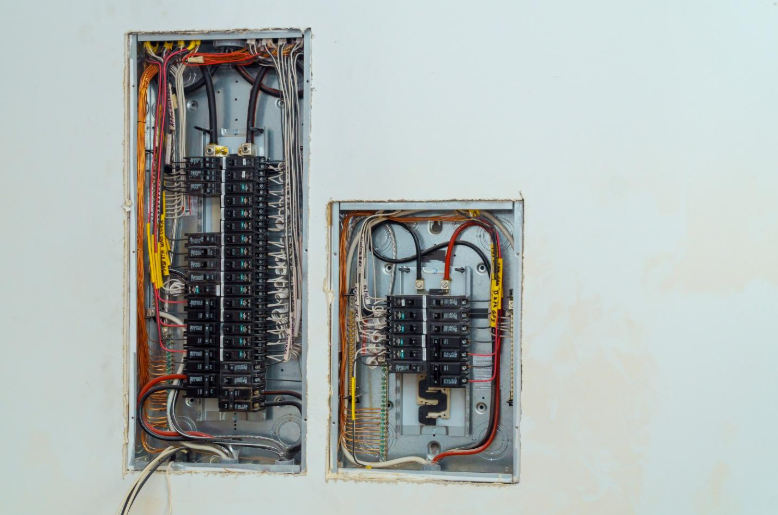
Photo from iStock - Credit: photovs
NEC Code Considerations for Safe Panel Upgrades
The NEC sets requirements that affect panel location, grounding, conductor sizing, and overcurrent protection methods homeowners should expect. Inspectors look for proper grounding conductor connection and verified bonding between the meter, panel, and service equipment. A licensed electrician confirms breaker and conductor ampacity match the calculated load before recommending an electrical panel upgrade. If unsafe conditions exist, professionals document defects and outline corrective steps for compliance.
- Confirm panel clearances around the working space
- Verify grounding and bonding conductor sizes
- Check AFCI and GFCI protection where required
- Ensure breakers are listed and not modified
- Look for double-tapped breakers and improper neutrals
Municipal inspectors often require labeled circuits and a completed load calculation at final inspection. Technicians must show test readings such as voltage and grounding continuity to satisfy code reviewers. The NEC also guides where tamper-resistant receptacles and dedicated circuits are necessary for safety. For many homeowners, meeting those specifics removes common inspection hold points during approval.
During a code-focused evaluation, electricians check for shared neutrals on multi-wire branch circuits and proper handle ties. They also confirm the service disconnect rating aligns with the meter and service conductors to avoid overrating. If wiring methods are outdated, rewiring shorts or adding proper junction boxes may be part of the upgrade plan.
Code compliance reduces fire and shock risk by ensuring protective devices operate correctly under expected loads. A professional documents findings with photos, voltage readings, and a written report for the inspector and homeowner. In a common situation, an electrician finds unprotected kitchen circuits and then installs required GFCI protection before final approval.
Permit Timelines and What Inspectors Will Check
Permit processing times differ by jurisdiction and workload, so homeowners should expect variable waits after application submission. Many municipalities require plan review that can take several business days to a few weeks depending on inspector availability. Contractors often submit electrical drawings, load calculations, and equipment specifications to speed review and reduce rework requests. Preparing accurate documentation ahead of time minimizes back-and-forth with the building department and helps schedule a timely inspection.
Inspectors verify disconnect and service ratings match installed equipment and confirm proper grounding conductor connections and bonding. They will also test AFCI and GFCI devices where required, and observe breaker labeling for clarity during circuit checks. During the site visit, inspectors may require visible voltage and continuity readings from the installer to accept the wiring work. If deficiencies appear, the inspector issues a correction notice that lists specific items needing revision before final approval.
Scheduling final inspection often depends on completing associated trades and clearing the panel workspace for safe access and testing. Inspectors look for safe working clearances, intact enclosure covers, and accessible disconnects so they can perform functional breaker tests. Homeowners should expect a brief power outage while electricians demonstrate breaker operation and measure voltage under load for the inspection record. Planning coordinated access times reduces delays and helps meet municipal timing expectations for permit closure.
When additional work is required, re-inspection windows vary and can add days to the project timeline depending on local caseloads. Documented test results, labeled circuits, and photos of grounding and bonding improve the chance of passing the follow-up inspection quickly. For homeowners near Castle Hayne, NC, early communication with the inspector and contractor helps set realistic completion dates. If safety risks appear at any stage, contact a licensed electrician in Wilmington, NC immediately to address them before reinspection.
How Mister Sparky Sizes Amperage and Redistributes Circuits
Technicians begin by performing a load calculation using measured appliance ratings, HVAC demands, and lighting loads to determine required main amperage. They compare calculated demand to the existing service conductor size and meter rating before recommending an upgrade. A clear result guides whether to move to 100, 150, or 200 amps, or to rebalance circuits within the current service. Homeowners receive a written summary of those readings and the recommended amperage for transparency.
After selecting main amperage, electricians map every branch circuit with circuit tracing and labeling to identify shared neutrals and high-draw loads needing dedicated circuits. Redistribution places high-demand appliances like ranges, dryers, and EV chargers on their own breakers to avoid continuous overload. The team also staggers large loads across different phases when possible to balance current draw and reduce neutral stress. Photos and voltage readings document the new breaker assignments for the homeowner's record.
During redistribution, crews assess grounding conductor continuity and add or relocate GFCI and AFCI protection where the NEC and safety practice require it. They replace degraded breakers and remove double-taps, ensuring each conductor terminates on a properly sized breaker for its ampacity. A clamp meter verifies actual amperage on each circuit after redistribution to confirm trips no longer occur under normal use. This step provides objective proof the changes reduced circuit stress.
For properties with upcoming additions or smart-home plans, technicians plan spare capacity and breaker space to allow future tie-ins without repeated work. In Wilmington, NC, and Castle Hayne, NC, homeowners often appreciate planning for EV charging or new HVAC units when sizing service now. If diagnostics show unsafe wiring or overloaded service conductors, electricians recommend staged upgrades and document necessary permit-ready details. After work, customers receive a report with measurements, photos, and circuit labeling to share with inspectors or future contractors.
When Homeowners Should Call a Professional Service
If you notice persistent electrical smells, frequent trips despite redistribution, or warm service equipment, call a licensed electrician right away. A professional starts with noninvasive checks such as voltage readings and clamp-meter measurements to confirm abnormal load behavior. They also inspect grounding conductor continuity and look for visual signs of damaged insulation or overheating in accessible junctions. If safety risks appear during these checks, the electrician will advise shutting down affected circuits until repairs occur.
- Schedule a diagnostic visit with a licensed electrician
- Request a written load calculation and inspection report
- Ask for photos and voltage readings from the assessment
- Confirm required permits and inspection steps with the contractor
Call a professional before adding high-draw equipment like EV charging or a second HVAC compressor to reduce rework and permit complications. Technicians perform circuit tracing to locate shared neutrals and verify each device sits on a properly sized breaker. They can recommend interim measures, such as dedicated circuits or temporary load shifting, while planning a full electrical panel upgrade. This approach lowers immediate risk and speeds a safe, code-compliant solution.
If you plan renovations that change loads, involve an electrician early so the panel capacity and breaker layout match future needs. Professionals provide documented recommendations and coordinate required permit submissions to help avoid inspection delays. For residential homeowners, early coordination often smooths scheduling with local inspectors. When in doubt about hazard level or timing, contact a licensed professional for an on-site evaluation and next steps.
Planning for Future Capacity and Smart Home Needs
Plan breaker space now to avoid panel crowding when adding smart devices or larger loads in the future. Leave room for dedicated circuits that an electrician can install later without moving major equipment. Consider installing spaces for a separate EV charger circuit and for a future heat pump on its own breaker. Discuss spare capacity with your contractor during the design phase so changes stay orderly and code-compliant.
Think about how you will manage peak demand from simultaneous appliance use and smart-home schedules. A professional can recommend load management strategies such as staggered device schedules or load-shedding devices to prevent nuisance trips. They may also suggest space for a subpanel to serve a new workshop or ADU without overloading the main panel. This planning reduces the chance of rewiring later and keeps circuits clearer for inspections.
Including conductor and conduit routing in early plans so adding circuits later requires minimal disruption to walls and finishes. Planning locations for future outlets, chargers, and networked equipment saves time and money on future openings and drywall repairs. Provide your electrician with appliance specifications and expected charging patterns so they can size feeders and breakers appropriately. Clear documentation of those planned loads helps when submitting permit paperwork for expanded service.
Homeowners in Wilmington, NC should also consider how seasonal HVAC demand affects available capacity when scheduling upgrades. For properties in Castle Hayne, NC, note that workshops or additions often change long-term load profiles and deserve early consideration. Ask for a written plan showing spare breaker locations, calculated spare amperage, and recommended timing for future circuit tie-ins. Keeping that plan with your home records makes any later electrical panel upgrade simpler and faster.