
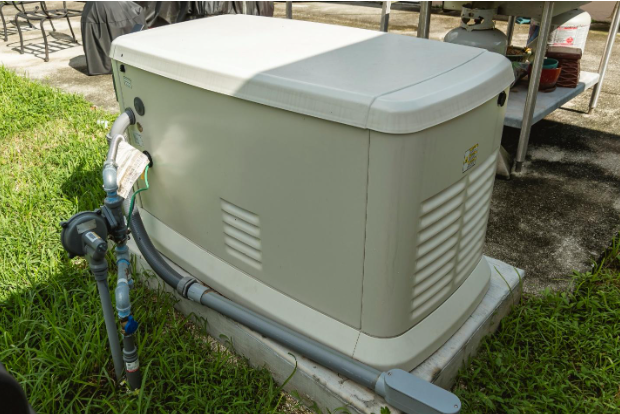
Key Takeaways About Standby Generator Maintenance
Standby generator maintenance means testing, servicing, and load-checking backup power systems to ensure they start and carry a load. This guidance is for homeowners and property managers and matters before storms or long outages.
- Identify slow cranking sounds and low resting battery voltage promptly.
- Prevent fuel contamination by inspecting lines, filters, and storage tanks.
- Avoid failed transfers by testing switch timing and contact resistance.
- Spot corrosion on terminals, enclosures, and grounding connections early.
- Reduce risk by performing controlled load tests and recording readings.
- Plan professional inspections when alarms, smells, or repeated faults occur.
Introduction
Standby generator maintenance matters because failures show up during storms and outages when you need power most. Engines that sit idle develop fuel, oil, and corrosion issues that can stop automatic start. Transfer switches and batteries often fail silently until a switchover is attempted. Mister Sparky technicians focus on finding those hidden problems before they leave you without backup power.
Regular testing verifies the generator will start and carry a load when grid power drops. Technicians look for signs like slow cranking, unusual exhaust smoke, or oil and coolant leaks. They inspect transfer switch contacts for pitting and check control logic for proper sensing and timing. Addressing these issues reduces the chance of a failed switchover during an emergency.
Battery health is a common cause of standby system failure and needs more than a visual check. Pros measure voltage, specific gravity where applicable, and load response to confirm reliable starting current. They also inspect battery terminals for corrosion and secure mounting to prevent vibration damage. Replacing a weak battery before a storm prevents no-start situations and repeated service calls.
For homeowners in Wrightsville Beach, NC, salt air and humidity can accelerate corrosion on electrical components. A professional will also perform a controlled load test to confirm the generator can handle selected circuits and start repeatedly under strain. Observing sounds, runtime temperatures, and output voltages provides clear diagnostic evidence for repair decisions. When safety risks appear, contact a trained electrical technician in Wilmington, NC rather than attempting repairs yourself.
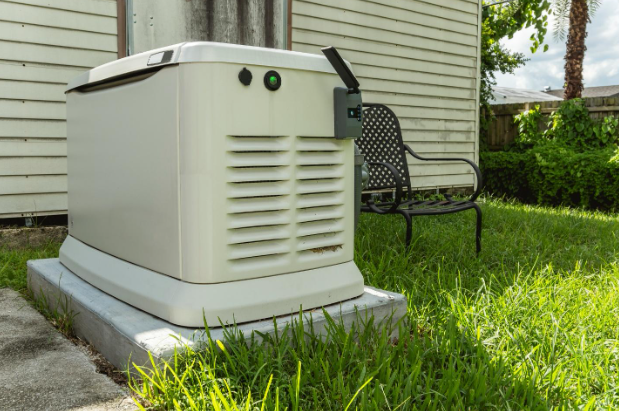
Photo from iStock - Credit: DV Edwards
How Standby Generator Systems Work and Why It Happens
Standby generators convert utility power outages into usable backup electricity through automatic detection, engine startup, and load transfer. This process helps maintain power to designated household circuits when the utility supply fails. To understand the benefits of having a reliable backup power source, read our guide on what makes residential backup power essential.
- The transfer switch senses loss and commands the generator to start.
- The control module monitors voltage and frequency before permitting load transfer.
- The engine runs, and the alternator produces AC power for selected circuits.
- The system syncs and returns load to the grid when utility power is restored.
Controllers use voltage-sensing relays and timers to decide when to crank the engine and when to close the transfer contacts.
Homeowners often ask whether a generator will start automatically during an outage, and technicians confirm this by simulating a power loss test.
In a common situation, a homeowner hears slow cranking, and the technician checks battery voltage, starter current, and corrosion at the terminals next.
Common Causes of Generator Failure and When to Act
Common causes start with fuel problems that develop when systems sit unused for long periods. Old diesel or gasoline can varnish injectors and clog filters, reducing fuel flow and preventing full power output. Technicians check fuel lines, filters, and the presence of water or separation in tanks to diagnose fuel-related failures. If contamination appears, a professional will recommend fuel polishing or filter replacement rather than homeowner tinkering.
Electrical faults also cause failures, notably in the starter, alternator, and control wiring. Symptoms include repeated cranking without start or irregular voltage readings under load, which technicians confirm with voltage and continuity tests at the alternator and starter. Corroded terminals and loose grounding conductors can raise resistance and stop reliable starts, so inspectors clean connections and measure voltages under cranking. In some cases a recorded voltage drop during a simulated start provides the diagnosis.
Transfer switch contact wear and mechanical sticking show as delayed or partial load transfer during testing, and technicians look for pitting or burned contacts. A professional will observe switch operation while applying a controlled load and record output voltages and timing to confirm the issue. Homeowners may notice humming, burning smells, or a delay between engine run and power transfer, which warrant an immediate inspection. For properties in Wilmington, NC, salt air can speed contact corrosion so regular checks are more important.
Battery failure remains one of the most frequent causes of no-start events, with symptoms like slow cranking or low resting voltage on a meter. Technicians perform a load test and measure specific gravity where applicable to confirm capacity loss and to rule out poor charging from the alternator or control charger. When a battery fails under load, they recommend replacement and secure mounting to prevent vibration damage during operation.
Transfer Switch Inspection Steps and What Technicians Check
Technicians begin by verifying the transfer switch senses utility loss correctly and responds within expected time windows. They check control voltage at the sensing terminals and confirm the timing logic using a calibrated meter. A common diagnostic step is inducing a controlled utility disconnect while monitoring the transfer sequence and recording the response. If timing or logic fails, technicians document the control readings for troubleshooting and parts selection.
Next, they inspect the mechanical contacts and enclosure for physical damage, corrosion, and proper clearance. Technicians look for contact pitting, carbon buildup, or deformation that can cause resistance and heat under load. They measure contact resistance with a low-resistance meter to confirm expected values and compare readings against healthy-switch benchmarks. High resistance readings guide decisions about cleaning, reconditioning, or replacing contacts.
Technicians also verify interlocks and grounding conductors to prevent unsafe backfeed and to ensure proper fault clearing. They inspect the grounding conductor connection, strap condition, and tightness of lug terminations using torque checks where applicable. Control interlocks and sequence relays receive functional tests while observing voltages and mechanical movement. Any loose terminals, damaged insulation, or improper torque becomes a repair item before leaving the site.
Diagnostic confirmation includes running the generator through several automatic transfer cycles while applying a controlled load to evaluate performance. Technicians monitor output voltage, frequency, and transfer timing under load and record those readings for the service report. They compare start-crank voltage and running output to identify charging or alternator issues that affect transfer operation. Homeowners in Wrightsville Beach, NC often receive notes about corrosion risk in the report and recommendations for follow-up.
Battery Care Procedures for Reliable Startup and When to Replace
Technicians begin battery care by verifying resting voltage with a digital meter and inspecting terminals for corrosion or loose clamps. They perform a controlled draw test to observe voltage drop during cranking and note recovery time after the starter stops. If the battery uses removable caps, technicians may check specific gravity with a hydrometer to confirm cell balance and state of charge. For homeowners in Wrightsville Beach, NC, salty air often accelerates terminal corrosion, so sealing and preventive cleaning become more important.
- Clean terminals with a baking soda solution when corrosion appears.
- Tighten cable clamps to the manufacturer's torque specification.
- Apply a thin dielectric grease layer after cleaning.
- Inspect hold-downs to prevent vibration damage.
- Record voltage and load test results for future comparison.
Battery chargers and the generator's charging circuit receive a functional check to confirm proper float and bulk settings. Technicians measure charging voltage while the engine runs and under no-load conditions to detect under- or overcharging trends. They also check the alternator output and regulator behavior when the generator is operating to rule out charging faults. If charging falls outside expected ranges, further electrical diagnosis determines whether the alternator, regulator, or wiring needs repair.
Replacement decisions consider age, load-test results, and visible damage like bulging or leaking cases that indicate failure. A professional compares measured cold-cranking amps against the battery rating and service criteria to determine end of life. When a weak battery is identified, technicians recommend replacement with a battery specified for standby generator use and secure mounting hardware.
Routine Service Tasks Mister Sparky Performs During Visits
Technicians start routine service by recording serial numbers, model data, and service history to track component trends over time. They inspect fuel fittings and visible lines for signs of seepage, loose clamps, or brittle hose material. A running-hour meter check helps schedule future oil and filter changes based on actual engine use. After noting observations, the technician documents recommended repairs and next service intervals for homeowner reference.
During inspection visits, the spark or glow plug circuits receive functional checks to confirm consistent ignition under crank conditions. Technicians verify oil pressure and coolant levels while the engine runs, observing gauge behavior and listening for unusual valve or bearing noise. They replace oil and filter when consumption or contamination indicates it is due, using engine manufacturer's specifications for oil weight and filter type. Recorded measurements appear on the service report for future comparison.
Control panel diagnostics include reading fault codes and checking sensor inputs like battery voltage and engine temperature to confirm proper telemetry. Technicians exercise auxiliary load outputs and generator relays to ensure accessories and alarms work when needed. They also inspect exhaust components for cracks, loose hangers, or soot accumulation that can indicate combustion issues needing attention. If safety risks appear, the technician stops testing and recommends immediate repairs by a trained professional.
For properties near Wrightsville Beach, NC, technicians pay special attention to enclosure seals and external corrosion points prone to salt exposure. They clean debris from cooling air intakes and verify ventilation openings remain clear to prevent overheating during extended runs. A simple diagnostic check includes a recorded voltage and frequency reading during a short no-load run to confirm alternator stability.
Load Testing Explained and Decision Points After Tests
Technicians perform a controlled load test by applying a measured electrical demand to the generator while monitoring voltage and frequency under sustained operation. They use clamp meters and AC voltage meters to record output at the alternator and at critical circuit terminations, noting any voltage sag or frequency drift. Observing thermal behavior at connection points helps identify hotspots that indicate high resistance or loose lugs needing repair. The test also verifies the transfer switch closes and shares load as designed without nuisance tripping.
After the test, technicians compare recorded readings to the generator's rated output and manufacturer tolerances to decide if corrective action is required. If output drops under load or frequency wanders, they inspect the alternator rotor, brushes, and voltage regulator for wear or faulty regulation. A professional will also check fuel delivery while under sustained demand to confirm there is no starvation or injector issue affecting output stability. These diagnostic steps provide clear evidence for repair recommendations and parts selection.
Decision points include whether to clean or replace transfer switch contacts based on measured contact resistance and observed heating during the test. Battery capacity and charging behavior under repeated start-load cycles influence whether a battery replacement is necessary to ensure reliable starting. If vibration or mounting issues appear during testing, technicians may recommend reinforcing mounts or changing isolators to prevent future connections loosening. In situations where repeated faults appear, the recorded test data forms a basis for a written repair estimate and priority list.
For homeowners in Wrightsville Beach, NC salt exposure can worsen contact and terminal corrosion, increasing the importance of timely interventions after load tests. Technicians use the test report to advise on short-term fixes and longer-term upgrades like alternator or switch replacement when recorded performance falls outside expected ranges. If a safety concern appears during testing, such as overheating or unusual smells, the professional will stop testing and recommend immediate repairs
Preventative Maintenance Tips Homeowners Can Perform Weekly
Check the generator area weekly for visible debris or standing water near the enclosure to prevent corrosion and airflow restriction. Look for loose fasteners and vibration damage on mounts and connections that can worsen during operation. Verify vents and louvers remain clear so the engine receives fresh air when it starts. If you notice a burning smell or unusual exhaust soot, stop attempts and call a professional immediately.
- Inspect battery terminals for white or green corrosion.
- Ensure battery hold-downs stay tight and secure.
- Clear leaves and nests from intake and exhaust areas.
- Check fuel lines for visible cracks or seepage.
Listen for odd sounds during the weekly auto-test, such as grinding, rattling, or irregular cranking speed that indicate mechanical or starter issues. Record the start time and any delays so a technician can compare trends during a professional inspection. Measure resting battery voltage with a handheld meter if you own one and note readings for the service report. Low or falling voltage over several checks suggests the battery or charging system needs professional attention.
Run a brief manual exercise cycle if your generator permit and manual allow it, following safety instructions and keeping clear of hot surfaces. During that run, glance at control panel LEDs and alarm indicators to catch intermittent faults early. Keep a simple log of weekly observations, readings, and any odors or leaks for reference during service visits. Homeowners in Wrightsville Beach, NC, and properties in Wilmington, NC, should include salt spray checks near outdoor terminals because corrosion can progress quickly in coastal settings.
When To Call a Professional for Standby Generator Maintenance
If you notice repeated failed starts, persistent alarms, or fuel odors after weekly checks, call a professional promptly for diagnosis. A technician will perform controlled tests and document voltage, amperage, and fuel pressure readings to find root causes. These measurements help determine whether repairs require parts like a starter, alternator, or injector components. Do not attempt fuel system repairs yourself because of fire and contamination risks.
When transfer timing drifts or the generator hesitates during automatic transfer attempts, schedule a service visit for sequence verification. The technician will simulate power loss and record transfer timing, contact resistance, and control logic responses to confirm failure modes. They will also inspect grounding conductor terminations and interlock function to prevent unsafe backfeed conditions. If corrosion appears on switch contacts, they will recommend cleaning, reconditioning, or replacement based on measured resistance.
Call for professional battery service when resting voltage falls between checks or a load-draw test shows rapid voltage collapse under cranking. A pro will use a battery load tester and hydrometer when applicable to measure capacity and cell balance, then compare cold-cranking amp readings to specifications. They will also check the onboard charger and alternator output under running conditions to rule out charging faults. If a weak battery is confirmed, replacing it before a major storm reduces no-start risk.
If thermal anomalies, burning smells, or visible sparking occur during any generator operation, stop using the system and contact a trained technician immediately. The technician will inspect wiring insulation, lug torque, and connection temperatures using a basic infrared or contact thermometer to locate hotspots. They will prepare a written report with readings, photos, and prioritized repairs for homeowner decisions.