
Key Takeaways About Residential Electrical Services
This article explains common electrical risks and protective steps for coastal homes. It is for homeowners and property managers who need guidance before or after storms and salty conditions.
- Identify visible corrosion on panels outlets and outdoor enclosures.
- Prevent moisture intrusion with sealed covers and proper drainage.
- Avoid overloaded circuits by checking breaker age and load balance.
- Spot warning signs like burning smells buzzing or warm outlets.
- Reduce surge risk by testing grounding and surge protective devices.
- Plan regular inspections and targeted maintenance after major storms.
Introduction
Coastal homes face a unique set of electrical risks from salt air, persistent humidity, and strong storms that accelerate corrosion. Metal contacts and outdoor components can pit and fail faster near the shore. Small faults can become fire hazards or cause repeated breaker trips. Homeowners often notice flickering lights or rusted outlet covers before seeing larger problems.
Routine electrical inspections reveal many hidden issues before they lead to outages or safety risks. A trained technician checks the service panel, grounding conductor, and visible junction boxes for corrosion and loose connections. Diagnostic steps include voltage readings and visual photos to document deterioration. Clear records help prioritize repairs and reduce emergency calls.
Faulty wiring and aging breakers pose a real danger when moisture is present from high humidity or storm-driven rain. Warm or discolored outlet covers, buzzing sounds, and breakers that trip during heavy weather are warning signs. Professionals perform continuity tests and inspect for compromised insulation to confirm suspected problems. Addressing these issues reduces shock risk and improves system reliability.
Outdoor outlets, surge protection, and panel upgrades work together to protect sensitive electronics and maintain power during storms. Properly rated GFCI outlets and surge devices help prevent damage from transient spikes and wet conditions. For properties in Myrtle Beach, SC and Conway, SC, salt corrosion speeds up component wear and increases the need for regular attention. Scheduling professional assessments provides a safer, more resilient home electrical system.
Coastal Corrosion Risks and How It Works
Coastal corrosion risk refers to how salt air and humidity accelerate metal deterioration on electrical parts near the shore.
- Salt crystals attract moisture to metal contacts.
- Electrochemical reactions cause pitting on terminals.
- Humidity degrades insulation over time.
- Storm spray increases corrosion rates quickly.
Corrosion starts as surface films that darken or flake on metal connectors and junction boxes within months. Homeowners often ask whether visible rust alone is dangerous, the short answer is yes when it affects contacts or grounding. A professional inspects connection tightness, measures voltage under load, and tests grounding conductor continuity to confirm whether corrosion impairs safety. These diagnostic steps help decide if cleaning, rewiring, or component replacement is necessary.
South Carolina salt environments the combination of salt and humidity speeds wear compared with inland areas. Expect faster failures on outdoor breakers, GFCI faces, and service panel screws when corrosion is present. Technicians use visual photos, voltage readings, and continuity tests to document deterioration and prioritize repairs. Regular checks can catch early pitting before it causes arcing, nuisance trips, or component overheating.
Common Causes of Electrical Problems Near Shorelines
Salt deposits on outdoor fixtures often lead to poor electrical contact and intermittent circuits that appear as flickering lights or appliance resets. Loose connections inside junction boxes increase resistance and create heat that corrodes terminals faster than clean contacts. Technicians diagnose these faults by taking voltage readings under load and performing continuity tests across suspect connections. Homeowners may notice outlets that feel warm or lights that dim when large appliances start, signaling a need for professional evaluation. For proactive protection, homeowners can also explore our guide on how to prevent outdoor electrical corrosion before damage.
Humidity can wick into wiring sheathing and electrical devices, allowing corrosion beneath insulation that is invisible to visual inspection alone. A common diagnostic step is an insulation resistance test and a careful inspection of cable entry points for moisture stains or soft insulation. Corroded grounding conductors reduce fault current paths and raise shock and fire risk if not repaired or replaced. For properties in Myrtle Beach, SC owners should pay special attention to grounding condition during regular checks.
Outdoor equipment exposed to salt spray often shows accelerated wear on screws, switches, and GFCI mechanisms, causing nuisance trips or failure to trip when required. Professionals open weatherproof enclosures to inspect terminal tightness, look for pitting on screws, and record photos to document deterioration before recommending repairs. Faulty breakers or panels with rusted bus bars may read normal at rest but fail under load, which is why load testing is part of a thorough inspection. In Conway, SC homeowners sometimes report recurring outlet corrosion that a technician confirms with continuity and voltage-drop testing.
Lightning and surge events can damage unprotected circuits and degrade components even without visible corrosion, leaving devices susceptible to future failures. Technicians use surge testing and check connected surge protective devices to confirm remaining protective capacity and inspect bonding points for corrosion. Aging wiring methods and non-AFCI protected circuits increase hazard potential, so professionals assess required upgrades based on observed conditions. Scheduling targeted residential electrical services helps prevent small coastal problems from becoming dangerous failures.
Warning Signs Homeowners Should Notice Immediately
A sudden burning smell near an outlet or electrical panel is a serious warning sign that requires immediate professional attention. When accompanied by warm outlet covers, the odor may indicate loose connections, overloaded circuits, or overheating components that increase fire risk. A licensed electrician can inspect the affected equipment, check for damaged insulation, and perform appropriate electrical tests to identify the problem. If corrosion appears near the hot or neutral terminals, replacing the damaged receptacle or wiring may be necessary. For more information about recognizing potential hazards, read our guide on electrical warning signs homeowners should never ignore.
Persistent buzzing, humming, or intermittent power on specific circuits signals a failing breaker, loose lug, or arcing inside a junction box. An electrician diagnoses this by taking voltage readings under load and using a thermal camera to spot hot spots at connections. They also tighten lugs to specified torque and retest to see if the noise and instability stop. In coastal properties like Myrtle Beach, SC, masking of vibration by humidity can make these signs appear later.
Frequent tripping of GFCI or AFCI devices without a clear cause suggests moisture intrusion or degrading internal components needing inspection. A professional will isolate the protected loads, perform an insulation resistance test, and swap the device temporarily to verify whether the receptacle itself fails. Visible corrosion on GFCI faces or weatherproof covers often accompanies nuisance trips and signals replacement is prudent. In Conway, SC homes, repeated resets during humid periods commonly prompt this diagnostic sequence.
Discolored or cracked outlet plates, scorch marks, or melted insulation are visible clues of sustained overheating that require immediate evaluation. The technician inspects the circuit load, measures voltage drop across connections, and checks grounding conductor continuity to determine severity. Photographs and written test results document findings and help prioritize repairs or panel upgrades. Homeowners should disconnect affected appliances and call for residential electrical services when these signs appear.
Electrical Inspection Checklist for Coastal Home
Start an inspection by documenting visible corrosion on service equipment, meter base, and outdoor enclosures with photos and notes. Check for loose connections by gently probing accessible lugs after removing covers, and record any movement or pitting. Take voltage readings on suspect circuits under load to reveal drops that indicate high-resistance connections. Note any abnormal sounds or smells near the equipment and mark those locations for immediate follow-up.
- Check tightness of service and panel lugs.
- Inspect grounding conductor continuity visually and with a tester.
- Test GFCI and AFCI devices for proper operation.
- Inspect outdoor outlet covers and sealing.
- Record voltage readings under load for suspect circuits.
Open the main panel to inspect bus faces, breaker terminals, and neutral connections for green or white corrosion deposits. Use a thermal camera or surface probe to scan for hot spots while circuits are lightly loaded to detect loose or resistive connections. Measure insulation resistance on suspect branch circuits when moisture intrusion is suspected to confirm degradation. Photograph internal conditions and compile a written checklist to prioritize repairs and replacements.
Inspect exterior receptacles and weatherproof enclosures for sealing failures, corroded screws, and degraded gaskets that admit moisture. Verify that GFCI outlets trip and reset properly and test downstream protected outlets for correct protection. Check bonding of metal conduit and exterior boxes to the grounding system to ensure a continuous fault path. For properties in Myrtle Beach, SC and Conway, SC document any coastal-specific corrosion to inform maintenance frequency and parts replacement needs.
Panel Upgrades and When to Call a Professional
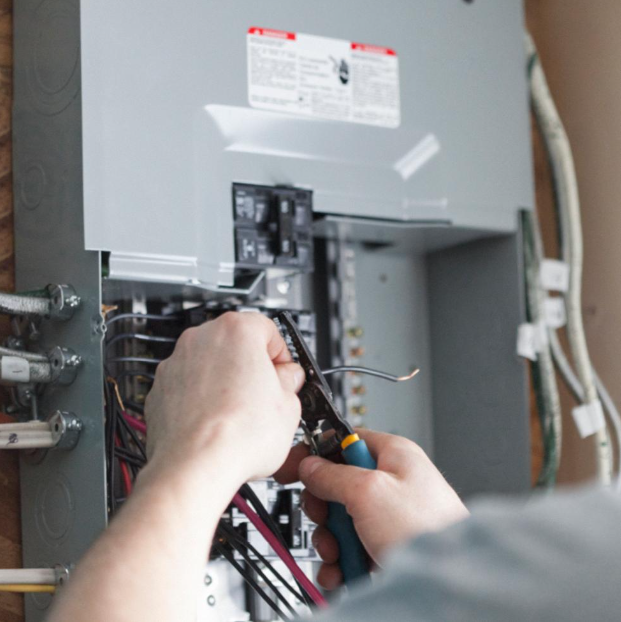
Older service panels often lack space for modern circuits and may use breakers that no longer fit current electrical loads, so professionals evaluate bus capacity and load balance during a panel upgrade assessment. A technician begins with a load calculation and inspects the neutral and grounding conductor connections for corrosion or loose lugs. They also check breaker compatibility and physical condition, noting any signs of arcing or discolored insulation that require immediate correction. Homeowners should expect a written report with voltage readings and recommended capacity changes. For a closer look at when additional capacity may be necessary, read our guide on electrical panel upgrades for growing power needs.
When corrosion or repeated nuisance trips appear, electricians determine whether cleaning contacts will suffice or if replacement is safer and longer lasting. Diagnosis includes turning off power, removing breakers to visually inspect bus faces, and performing continuity tests on grounding conductors to confirm secure paths. Thermal imaging under light load helps reveal heat from resistive connections that might not show under no-load conditions. The decision to upgrade depends on measured voltage drop, breaker age, and available panel space.
Replacing a panel typically involves installing a new service panel, re-identifying circuits, and transferring branch circuits while maintaining grounding and bonding integrity. Professionals verify conductor sizing and label circuits to match load calculations and current code requirements where applicable. During the process, they test each circuit with a voltage reading and confirm GFCI or AFCI protection where needed. For properties in Myrtle Beach, SC owners often find benefit in corrosion-resistant hardware during upgrades.
Some symptoms that prompt a panel upgrade include frequent breaker trips, buzzing sounds, and warm panel covers, but a professional confirms the cause rather than relying on guessing. Technicians inspect terminal torque, perform insulation resistance tests on suspect feeders, and record before-and-after readings to document improvements. Upgrades can include adding subpanels, increasing main breaker amperage, or replacing aged breakers with modern equivalents. Homeowners in Conway, SC should plan upgrades when load calculations show insufficient capacity for current appliances.
After any panel work, a professional provides test results, photos of connections, and guidance on maintenance intervals to extend component life near the shore. They recommend periodic rechecks of torque on lugs and inspections for new corrosion, and they note when surge protection or outdoor outlet servicing would further protect the home. If you observe burning odors, persistent trips, or visible arcing, contact a licensed electrician for residential electrical services to avoid hazard escalation. Keep documentation from the upgrade to guide future inspections and repairs.
Surge Protection Solutions for Salt Air Environments
Surge protectors for coastal homes must handle both transient spikes and repeated small surges from utility switching and lightning-related events. A technician evaluates service-side and point-of-use protection during diagnosis by measuring baseline voltage and recording surge event histories when available. They inspect bonding and grounding conductor continuity to ensure surge currents have a low-resistance path to earth. If grounding shows corrosion or high resistance, replacing or reinforcing bonds reduces surge device stress and improves protection longevity.
For salt air exposure, professionals often recommend enclosure-mounted surge protective devices with corrosion-resistant hardware and sealed connections to reduce failure risk. Understanding how salt air damages electrical components can also help homeowners recognize why coastal surge protection systems need regular inspections. During an on-site check, an electrician performs a visual inspection of the enclosure, checks terminal connections, and takes voltage readings under load to assess electrical conditions. They may also inspect downstream surge protectors and review their status indicators to identify devices that need replacement. Results can be documented in a written report that lists findings and recommended repairs.
Diagnosing reduced surge capacity involves observable symptoms like repeated appliance damage, scorch marks near outlets, or unexplained electronics failure after storms. A pro will isolate circuits, measure transient suppression clamping behavior where possible, and verify the device's status indicators or end-of-life contacts. Photographs, voltage traces, and continuity tests across bonding points help determine whether corrosion or wiring faults undermined the device. Based on findings, technicians decide between replacing the surge protector, improving grounding, or adding layered devices for critical loads.
Homeowners in Conway, SC should consider scheduled checks after major storms because salt spray and surge activity combine to wear protection devices faster. Inspecting surge bonding and testing point-of-use protectors helps protect sensitive equipment like HVAC controls and entertainment systems. When scheduling residential electrical services, ask for surge test readings, photos of bonding connections, and clear next-step recommendations without unnecessary pressure. If you notice repeated electronic failures, contact a licensed electrician in Myrtle Beach, SC to perform these diagnostic checks and restore proper surge protection.
Outdoor Outlet Assessment and Weatherproofing Steps
Inspectors start by checking external receptacle housings for intact gaskets and proper drainage paths to prevent pooled water near contacts. They open the enclosure to verify terminal tightness and look for white or green corrosion on screws and connectors. A professional measures outlet voltage under a light load to detect high-resistance connections that can heat during use. If seals or covers fail, technicians recommend weatherproof replacements rated for outdoor use and salt air exposure.
- Confirm GFCI operation and trip behavior.
- Check outlet box bonding to the grounding conductor.
- Inspect foam or gasket condition around the inlet.
- Verify cover latches close and drain holes are clear.
When corrosion affects contacts, the diagnostic process includes continuity tests and a close visual inspection for pitting on terminals or bus screws. Technicians may record voltage drop measurements and take photos to document deterioration that warrants replacement. For stubborn corrosion they clean only when safe and practical, then re-test to confirm restored continuity and normal temperature behavior under load. If cleaning cannot restore reliable contact, replacement of the receptacle or conduit segment is advised.
Weatherproofing steps often combine mechanical fixes and component upgrades to reduce future failures from salt and humidity. Recommended actions include installing sealed, gasketed covers, stainless-steel mounting hardware, and polymer enclosures rated for outdoor use in coastal zones. Professionals also suggest routine checks after storms and documented test results to track degradation over time. Homeowners in Myrtle Beach, SC can schedule periodic outlet assessments to maintain safety and function.
For attachment and bonding concerns, a technician inspects grounding continuity and tightness at the exterior outlet and at the panel using a continuity tester. They will tighten or replace corroded bonding screws and verify that metal boxes remain electrically continuous to the grounding conductor. In Conway, SC properties showing recurring moisture intrusion often benefit from upgraded box seals and routed cable entries. After work, homeowners receive written results and clear next steps for ongoing maintenance.
Wiring Repairs, Maintenance, and Long-Term Prevention
Start by addressing damaged insulation and corroded conductors with targeted repairs rather than full rewiring when possible. A technician first isolates the circuit and performs continuity and insulation-resistance tests to confirm where the conductor fails. Visible green or white deposits on conductors may require removing damaged sections and installing compatible terminals or pigtails. For homes with older aluminum wiring, our guide on aluminum wiring repair options that improve safety explains additional solutions for addressing connection hazards. Homeowners should understand that replacing only the damaged segment may preserve wiring routes and minimize disturbance when the remaining wiring is safe.
When replacing outlets or junction boxes, professionals use materials rated for coastal exposure to slow future deterioration and protect terminations. They check terminal torque and then re-test voltage under a light load to verify low resistance at the connection point. If metal boxes show multiple pitted knockouts, replacement prevents recurring looseness and heat buildup at new devices. Clear photos and written test results help homeowners track component life and maintenance needs.
Scheduled maintenance extends the useful life of household circuits by addressing small faults before they escalate into hazards or failures. A routine visit includes torque checks on service and branch lugs, thermal scans of suspect panels, and a targeted insulation resistance test on circuits near humid or damp areas. Technicians document readings and recommend intervals for rechecks based on observed corrosion rates and circuit importance. Following a maintenance plan reduces surprise outages and keeps safety measures current.
For long term prevention, improving bonding and grounding continuity addresses many coastal-specific failure modes and supports surge devices and GFCIs when they operate. An electrician confirms grounding conductor continuity with a meter and inspects clamps for corrosion that increases resistance during faults. Replacing degraded clamps and adding corrosion-resistant bonding hardware restores intended fault paths and reduces shock risk. Homeowners in Myrtle Beach, SC and Conway, SC often schedule follow-up checks after these repairs to ensure lasting performance.













