
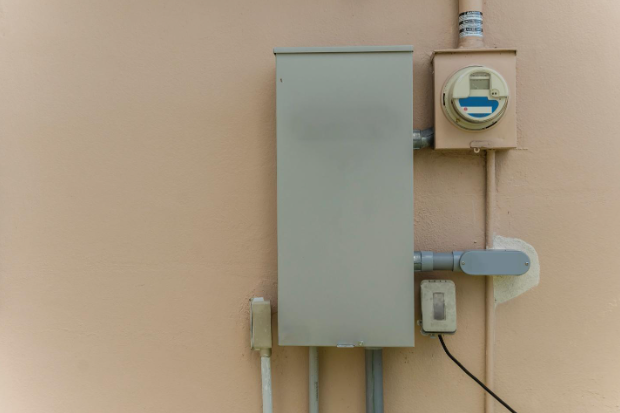
Key Takeaways About Generator Transfer Switch
A generator transfer switch safely moves a home's electrical source between utility and generator power. This summary is for homeowners and property managers who need safe reliable backup power during outages.
- Identify critical circuits and their starting current requirements.
- Prevent backfeed hazards with proper interlocks and isolation.
- Avoid overloads by matching switch and generator ratings accurately.
- Spot signs of failure such as smells buzzing or visible damage.
- Reduce nuisance trips with load management and soft start devices.
- Plan professional inspection testing and documented written reports.
Introduction
A standby generator can keep power flowing during outages, but a generator transfer switch controls how that power reaches your home. Without a proper transfer switch, backfeeding can create dangerous conditions for utility workers and damage equipment. Homeowners often notice flickering lights or tripped breakers when a transfer switch is missing or incorrect. Understanding the switch matters for safety and for keeping critical circuits running when grid power fails.
Transfer switches come in different types that affect which circuits receive generator power and how loads are managed. Some switches move the entire panel to generator power while others let you prioritize essential circuits. Load management choices determine whether large appliances can run together or if you need staged power. Those choices influence convenience, fuel use, and generator wear.
Safety interlock options vary by device and installation method, and they prevent simultaneous connection to the utility and generator. Proper grounding, breaker configurations, and visible labels reduce shock and fire risks. A clear mechanical or electrical interlock helps protect both technicians and equipment during restoration. Professionals check these elements to confirm a safe setup.
Homeowners in Myrtle Beach, SC and residents of Conway, SC often need transfers that meet local inspection expectations and electrical code guidance. A professional will inspect the service panel, grounding conductor, and transfer switch type to confirm compliance. Observable symptoms such as dead outlets on certain circuits help guide the inspection and testing process. If you suspect a problem, contact a licensed electrician for an assessment and written report.
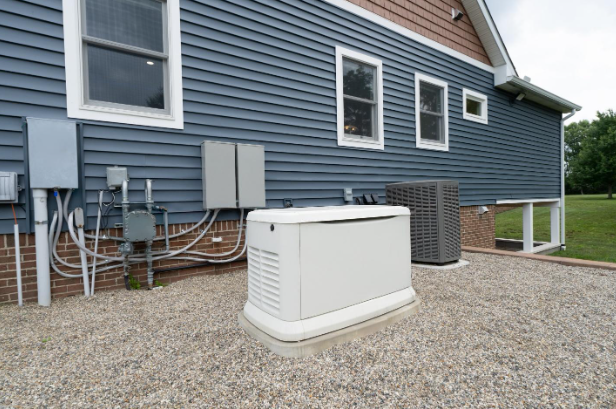
Photo from iStock - Credit: J.A. Dunbar
How A Generator Transfer Switch Works Mechanically
A generator transfer switch is a device that safely connects a standby generator to selected home circuits. It moves the home's electrical feed from utility power to generator power without overlap. Mechanically, many switches use a sliding contact or a set of changeover contacts inside a metal enclosure. Those contacts physically isolate the utility feed before making the generator connection to prevent backfeed to the grid.
- Manual switch uses a lever to change positions.
- Automatic switch senses voltage loss and switches automatically.
- Open-transition switches create a short break between sources.
- Closed-transition switches make a near-seamless transfer.
Inside the switch, an actuator or handle moves a transfer bar that routes current to either the utility or the generator conductors. A set of interlocks or mechanical blocks prevent both conductors from closing at once. Technicians inspect breaker positions, visible contact wear, and secure terminal connections during a diagnosis. A common homeowner question is whether the transfer will damage appliances, a professional checks voltage and phase before declaring circuits safe.
Some designs include sensing relays that monitor voltage and frequency then command a motor or solenoid to operate the contacts. You may hear a click or small motor noise during transfer with an automatic device, which signals the mechanism working. During inspection, an electrician will record voltage readings, verify neutral bonding, and test transfer timing.
Mechanical wear shows as pitted contacts, loose lugs, or corrosion that can cause overheating or arcing. In a common situation, a homeowner hears chatter during an outage, a pro will check contact alignment and run a voltage test with a meter. For properties in Conway, SC, technicians also confirm grounding conductor continuity and correct breaker labeling to match transferred circuits. If you notice burning smells or persistent tripping, contact a licensed electrician in Myrtle Beach, SC for inspection and a written report.
Safety Interlock Options and When to Use Them
Many transfer switch installations include mechanical interlocks that physically block the utility breaker when the generator breaker closes. A professional inspects the interlock pawl, breaker positions, and handle tension to confirm the block works under load. Visible wear, loose mounting, or misaligned handles are common failure points a technician will test during an inspection. If you smell burning near the panel or hear grinding when operating the interlock, stop and call a licensed electrician immediately.
Electrical interlocks use wiring and control relays to prevent both sources from energizing the same bus at once. During diagnosis a pro verifies the relay coil voltage, control circuit continuity, and correct neutral bonding with a multimeter. They also check that the interlock logic matches the transfer switch type and the home's service amperage.
Visible-break interlocks expose the contact gap so technicians can see physical isolation during maintenance or inspection. This option simplifies lockout/tagout procedures and helps confirm safe work conditions, but it must be installed so covers still protect against accidental contact. An electrician will confirm clear labeling, accessible handles, and that the visible gap meets practical safety needs for service crews.
Some installations add load-shedding interlocks that let the generator run selected loads first and shed nonessential circuits automatically. A professional sets priorities by checking individual circuit breakers, transfer timing, and load-sensing inputs with a clamp meter. They may simulate an outage to watch how the transfer switch stages loads and records voltage and current readings. If staged transfers cause frequent cycling or voltage drops, a technician will adjust the settings or recommend a different load management approach.
Manual Versus Automatic Transfer Switch Decision Guide
Choosing between a manual and an automatic option depends on how quickly you need power restored and how hands-on you want the system to be. A manual transfer switch gives you direct control and typically costs less to install, but it requires you to go outside and operate a handle during an outage. Automatic switches sense utility loss, start the generator, and transfer loads without user action, which suits homeowners who cannot respond quickly. Consider whether you can safely access the panel in bad weather before choosing automatic or manual operation.
Think about which circuits you want powered and how the switch will handle simultaneous loads when making a decision. If you plan to run high-draw equipment, confirm the switch and generator ratings match the expected combined load to avoid repeated breaker trips. A professional will perform a load calculation using circuit breaker labels, measured currents, and expected starting currents to size equipment correctly. That diagnosis step prevents undersizing that leads to nuisance shutdowns or equipment stress.
Maintenance needs differ between types and should factor into the choice, since wear affects reliability over time. Automatic mechanisms include control boards, sensing relays, and actuators that require occasional inspection, firmware checks, and terminal tightening to prevent failures. Manual switches have simpler internals but still need contact inspections and lug torque checks to avoid overheating and arcing. An electrician will verify contact condition and record voltage and continuity readings during routine service visits.
Also weigh safety and local inspection preferences when choosing a switch in Myrtle Beach, SC or for properties in Conway, SC. Inspectors may expect clear labeling, accessible handles, and properly bonded neutrals regardless of switch type, so plan the installation accordingly. If you notice unusual smells, frequent tripping, or delayed transfers, contact a licensed electrician for diagnosis and written recommendations. A professional can recommend the right generator transfer switch based on usage habits, safety needs, and measurable test results.
Generator Transfer Switch Load Management Strategies
Load management begins by identifying critical loads and their startup current to avoid overloading the generator. A professional will perform a load survey using a clamp meter and breaker labels to record running and starting amps. That survey helps decide whether staged loads or load shedding is necessary for reliable operation. Homeowners should note which appliances cycle or hum during startup since that indicates high inrush currents.
- Prioritize HVAC and refrigeration first.
- Consider lighting and communications next.
- Shed electric water heaters when needed.
- Delay pool pumps during peak demand.
Soft-start devices reduce motor inrush and can prevent nuisance trips on smaller generators. An electrician can install soft-start modules on large motors to lower startup current significantly. These devices help share capacity so multiple appliances run together without exceeding generator limits. In many cases, soft-starts improve voltage stability during transfer events.
Automatic load-shedding controllers work with some transfer switches to manage circuits dynamically during an outage. A technician programs priorities and shed levels then tests the response under simulated load conditions. During diagnosis they will monitor voltage, frequency, and relay operation to confirm correct behavior.
Manual load management remains an option when automatic systems are not installed or affordable for a homeowner. In that case, keep a written priority list and operate large appliances one at a time after transfer to avoid trips. A professional can show homeowners safe procedures and perform a trial transfer to demonstrate limits. If you live in Conway, SC, ask an electrician to record test readings and make written recommendations for staged usage.
Code Compliance Requirements for Transfer Switches
Local electrical codes require a transfer switch installation to prevent backfeed and to maintain safe separation between utility and generator sources. Inspectors check for proper breaker sizing, secure lug terminations, and clear labeling on the switch enclosure during permit review. A licensed electrician confirms neutral bonding and grounding conductor continuity with a multimeter before closing the inspection. If a visible-break option is used, the inspector will note accessible covers and readable service labels for future maintenance.
Compliance also involves matching the switch ampacity to the service rating and generator output to avoid overloads and overheating. During diagnosis, a technician measures line and load voltages and verifies phase alignment using a handheld meter or clamp meter. They will check that transfer timing settings meet local practice and that control circuits operate reliably under simulated outage conditions.
Code reviewers often require a clear written diagram showing which circuits the transfer switch controls and where neutrals are bonded or isolated. A professional prepares that diagram after tracing circuits, opening the panel, and confirming breaker labels correspond to actual loads with current readings. Inspectors may request evidence that load-management features function as intended during a witnessed test. For homeowners in Myrtle Beach, SC and technicians working in Conway, SC, keeping these records simplifies future inspections and repairs.
Certain installations must use equipment listed by safety organizations and meet manufacturer instructions for interlocks and control wiring. An electrician verifies component markings and follows torque specifications on lugs to prevent loose connections that cause heat or arcing. If an installation shows burning smells, discoloration, or frequent tripping, stop use and contact a licensed professional for a written report and corrective work. Proper compliance protects utility crews, occupants, and your electrical system during outage conditions.
Common Failure Causes and Why It Happens
Loose or corroded terminal lugs cause high resistance heating and can lead to transfer switch failures over time. A professional inspects lug torque with a calibrated torque wrench and checks for discoloration or melted insulation during diagnosis. They also record voltage and continuity readings across the incoming and outgoing conductors to confirm proper connections. If overheating is present, the technician isolates the energized circuits and documents findings for repair.
Contact wear and pitting on the transfer mechanism reduces reliable contact closure and causes arcing under load. During inspection an electrician visually inspects contacts and measures voltage drop across the closed contacts with a handheld meter to quantify degradation. Repeated arcing accelerates mechanical wear and can trigger nuisance tripping of downstream breakers. Replacement of worn contact assemblies follows manufacturer guidance and recorded test results.
Miswired control circuits or failed sensing relays prevent automatic operation or cause unexpected transfers that stress equipment. A pro traces control wiring, checks coil voltages, and confirms correct relay logic during a simulated transfer test to diagnose these faults. They will also inspect neutral bonding and grounding continuity since improper bonding can create unexpected neutral currents and nuisance faults. Written test results and photos help homeowners understand the required corrective steps.
Overloaded transfer arrangements happen when load calculations are incomplete or starting currents are underestimated for motors and compressors. A technician uses a clamp meter to measure running and starting amps during a load survey to confirm generator and switch ratings. In some cases, staged load-shedding or soft-start devices solve the problem by reducing inrush and spreading demand. Homeowners in Myrtle Beach, SC and properties in Conway, SC should have a professional record test readings and advise on corrective changes.
Warning Signs Homeowners Should Never Ignore
If you notice a persistent burning or ozone smell near the transfer switch, stop using affected circuits and call a professional right away. That odor often signals overheating or arcing at lugs or contacts, which can worsen quickly under load. A technician will de-energize the panel, inspect terminal connections, and record voltage drop and torque readings. Do not attempt repairs yourself, contact a licensed electrician for diagnosis and written findings.
- Repeated breaker trips during normal appliance use
- Visible sparking inside the enclosure
- Humming or buzzing that changes with load
- Charred insulation or discoloration around connectors
Intermittent power to circuits that should be steady can indicate failing contacts or a sticking actuator inside the transfer switch. An electrician will perform a simulated transfer and measure voltage and continuity while observing contact movement. They may also check control relay coil voltages and grounding conductor continuity to isolate the fault source. Documented test readings help prioritize repairs and prevent repeat failures.
Unexpected automatic transfers or delayed switching during outages suggest control circuit faults or sensing relay drift needing professional attention. A technician will log transfer timing, measure frequency and voltage thresholds, and inspect the control board for corrosion or loose terminals. These checks reveal whether recalibration, component replacement, or wiring corrections are required. Homeowners in Myrtle Beach, SC should preserve outage timing details to aid troubleshooting.
Any sign of moisture, rust, or pest intrusion in the switch enclosure demands immediate inspection to avoid short circuits and corrosion-related failures. An electrician opens the enclosure, photographs damage, and checks insulation resistance and terminal torque to assess safety. For properties in Conway, SC, keeping records of moisture evidence and prior repairs streamlines permit inspections and future maintenance. If you find water inside, do not operate affected circuits until a professional confirms safety.
When To Call a Professional for Transfer Switch Service
If you notice transfer timing that drifts or transfer attempts that fail intermittently, call a licensed electrician for diagnosis. A professional will simulate an outage while logging transfer timing, voltage, and frequency readings to identify control board or relay faults. They will also inspect terminal torque, contact condition, and evidence of heat using visual inspection and handheld meters. Do not attempt internal adjustments yourself, call a professional who can provide a written report and repair plan.
When neutral or grounding concerns appear during testing, arrange professional service without delay to avoid unexpected neutral currents. The technician will perform continuity and insulation resistance checks, and they will verify neutral bonding or isolation according to the switch design. They use voltage measurements and clamp-meter readings to confirm safe current paths under generator supply. Written documentation from the inspection helps with any future permitting or insurance questions.
Significant contact wear, pitting, or arcing requires a trained electrician to replace parts and retorque lugs to manufacturer specs. A professional will de-energize the switch, remove the enclosure cover, photograph damage, and record voltage drop across contacts before recommending replacements. Replacement parts must match the existing switch rating and be installed per manufacturer instructions. After repairs, the electrician will run a full functional test and provide you with test readings.
If moisture, corrosion, or pest damage appears in the enclosure, schedule service to prevent shorts and progressive failures as soon as possible. The technician will dry the compartment, check insulation resistance, and treat or replace corroded terminals where needed to restore safety.