

Key Takeaways About Smart Load Management
Smart load management moves and limits power so a home stays within safe electrical limits. This summary is for homeowners planning EV charging or adding high-powered appliances who want practical ways to avoid overloads.
- Identify high-draw devices and when they run together.
- Prevent nuisance breaker trips with sequencing or soft-starts.
- Avoid unnecessary full service upgrades by managing peak demand.
- Spot overheating connections and startup peaks with simple tests.
- Reduce energy costs by shifting loads to off-peak periods.
- Plan a professional diagnostic when signs of overload appear.
Introduction
Smart load management helps homes balance electricity use so high-demand devices run without tripping breakers or causing brownouts. Many homeowners notice lights dim when an EV charger or electric range starts. That visible dip signals a mismatch between demand and what the wiring or panel can safely handle. Addressing that mismatch matters for safety and for keeping appliances running reliably.
Balancing loads reduces the risk of overloaded circuits that can lead to nuisance trips or, in worse cases, overheating. An older panel does not always mean you need a full service upgrade to avoid those problems. Smart systems can shift or sequence power to keep circuits within safe limits during peak use. This approach can help households with multiple high-powered appliances coexist on the same service.
For homes planning EV charging or adding electric heat, smart load management lets owners use existing infrastructure more efficiently. It can stagger charging sessions or limit charging power when other heavy loads run. Public safety and long-term equipment health improve when professionals manage load patterns. Homeowners in Conway often look for solutions that reduce disruption during peak evening use.
Technologies that monitor and control circuits provide clearer data for decisions about upgrades or changes. An electrician can use voltage readings and load calculations to confirm whether load management will solve a problem. In some cases, smaller, targeted changes avoid the cost and disruption of a full panel replacement. Properties in Georgetown benefit when professionals match the solution to the household’s real load profile.
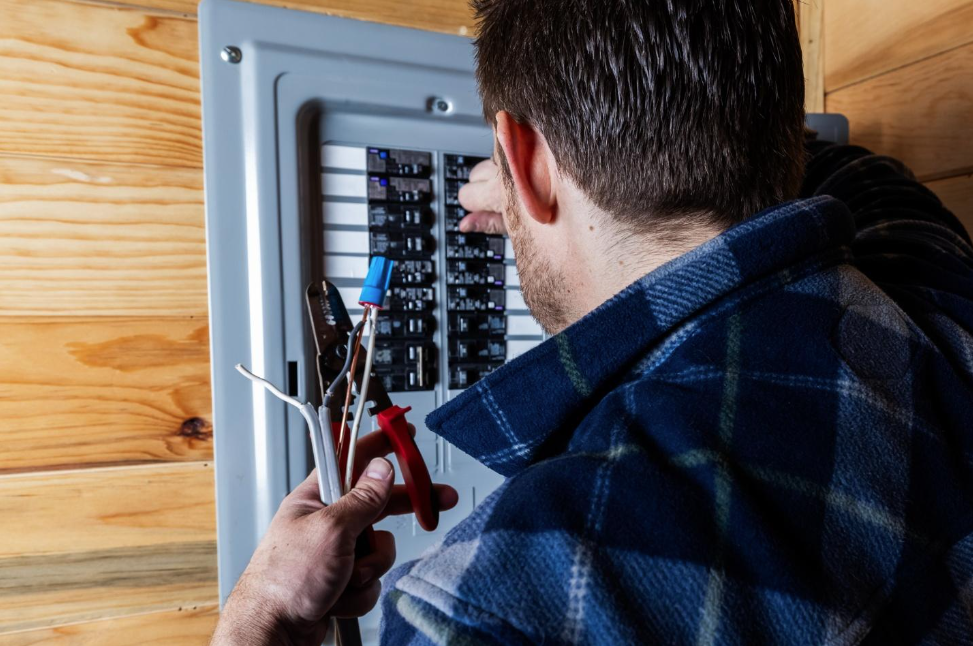
Photo from iStock - Credit: Charles Wollertz
How Smart Load Management Works and Why It Matters
Smart load management is a system that monitors and shifts household electricity use to prevent overloads and inefficiency. It uses sensors at the service panel and on individual circuits to track real-time power draw. Controllers then throttle or sequence appliances, keeping total demand within safe limits without human intervention. Homeowners often ask whether smart load management can stop lights from dimming when appliances start, and the answer is yes when the system detects and reduces competing loads.
- Measure whole-house and circuit-level power use.
- Prioritize critical circuits over flexible loads.
- Schedule high-demand tasks at nonpeak times.
- Limit EV charging rate during heavy household use.
Professionals install current transformers or clamp meters around service conductors to collect voltage and amperage readings. They perform a load calculation comparing measured demand to the panel rating and service capacity. If readings show repeated peaks near the panel rating, electricians program the controller to shift loads or add subpanel controls. This diagnostic process answers whether sequencing or an upgrade will solve the homeowner’s problem.
Common control methods include phase balancing, load shedding, and timed schedules for appliances like water heaters and dryers. Many systems connect to a home gateway for remote monitoring and to apply rules based on time-of-use rates. This lets homeowners reduce bills by running heavy loads when utility rates fall. For properties in Georgetown, this kind of scheduling can prevent evening peaks when multiple devices run simultaneously.
Smart load management also lowers the chance of overheating at breakers and in junction boxes by keeping current within safe limits. Visible signs like warm outlet covers or breakers that trip repeatedly suggest a technician should inspect the panel and conductors. In Conway, a homeowner who hears buzzing at the panel should treat it as a prompt to call a professional for diagnostic testing. If you want to schedule an assessment, contact an electrician to review readings, recommend controls, and provide a written report.
Common Causes of Home Circuit Overloads Explained
Old wiring and undersized branch circuits often cause overloads when homeowners add modern appliances. Many older homes use 14-gauge wire on lights and outlets, which limits circuit capacity. When appliances draw more current than the wiring rating, breakers trip or wiring heats up. An electrician inspects conductor sizes and breaker ratings to confirm whether circuits match current loads.
Shared circuits with multiple high-draw devices commonly create conflicts that lead to nuisance trips. Kitchens and laundry areas sometimes have ovens, microwaves, and dryers on adjacent or shared breakers. A professional looks for multiple appliance loads on one circuit by checking the panel labels and measuring amperage with a clamp meter. They may recommend moving a heavy load to its own dedicated circuit to reduce the strain.
Poor connections and aging components increase resistance and generate heat, raising the risk of overloads even if nameplate currents seem acceptable. Loose connections at breakers, outlet terminals, or junction boxes can cause buzzing, warm covers, or intermittent power. An electrician performs thermal scans and tightens or replaces suspect breakers and connectors to restore reliable contact. Those diagnostics produce measurable voltage drops and recorded temperature readings to justify repairs.
Transient peaks from startup currents on motors and compressors also push circuits past safe limits in short bursts. Appliances like air conditioners and well pumps draw higher current for a few seconds when starting, which can trip sensitive breakers. A technician observes startup behavior with a voltage reading and records peak amperage to determine if soft-start devices or sequencing controls would help. For homeowners in Conway and for properties in Georgetown, diagnosing these startup peaks helps decide between load control or targeted wiring changes.
Warning Signs of Overloaded Circuits and Consequences
Buzzing at the panel, warm outlet covers, or breakers that trip without heavy use are clear early warnings of overloaded circuits. These signs often signal loose connections, high resistance, or repeated thermal stress that a professional should inspect. An electrician will record voltage readings and use a clamp meter to check actual circuit amperage under load. If measurements show frequent peaks, they may recommend targeted repairs or control strategies rather than a full service replacement.
Flickering or dimming lights that occur when an appliance starts indicate transient startup currents pushing the circuit toward its limit. A technician can observe the startup event with an infrared scan and a momentary amperage trace to confirm the cause. If the startup peaks align with trips or noticeable dimming, sequencing controls or soft-start devices can reduce those surges. Those solutions help avoid nuisance trips while keeping existing wiring and breakers within safe operating ranges.
Intermittent power or outlets that stop working under load can point to overheated connections or an overloaded multi-outlet circuit. Professionals inspect junction boxes, outlet terminals, and breaker contacts for discoloration and looseness, then perform continuity and voltage-drop checks. Recorded readings and photos form a written report homeowners can use to decide on repairs or load management. In Conway, early diagnosis prevents recurring damage and reduces fire risk linked to prolonged overheating.
Repeated trips on a single breaker during normal household activity often mean demand exceeds that circuit’s capacity or that a shared circuit carries too many heavy loads. An electrician performs a load calculation and compares it with measured demand using current transformers or clamp meters. If measured peaks match the reported symptoms, installers can program smart load management rules to sequence or throttle appliances. For properties in Georgetown, this targeted approach can preserve service while avoiding costly panel upgrades.
Smart Load Management for Efficient EV Charging
Smart home chargers and load controllers can coordinate EV charging around other household demands to avoid panel overloads. A controller can reduce charging power when an electric range or HVAC starts, keeping total service demand within safe limits. Installers program charging windows to take advantage of lower rates while preventing simultaneous high draws. Homeowners can keep full charging overnight if the system staggers other flexible loads first.
- Limit EV charging rate automatically.
- Sequence charging based on real-time demand.
- Prioritize safety-critical circuits first.
- Schedule charging during off-peak hours.
Professionals diagnose EV-related issues by observing charger startup behavior and recording panel amperage during a charging session. They use clamp meters and whole-house CTs to capture peak currents and identify overlaps with other appliances. A technician may temporarily disable loads or run the charger alone to measure true charging draw and startup peaks. Those readings inform whether simple controls or more extensive changes will solve the problem.
Many EV chargers support adjustable current settings that electricians can pair with a panel-mounted controller to enforce limits. This lets the charger accept a lower amperage setting dynamically without changing wiring or breakers. In some cases, adding a subpanel for the charger simplifies circuit management while keeping the main service unchanged. For a homeowner in Conway, this approach often provides reliable charging without the disruption of a service upgrade.
Smart load strategies also protect branch circuits and reduce nuisance trips during simultaneous appliance use in busy homes. By sequencing dryer cycles, water heater recovery, and EV charging, systems reduce startup overlap that causes dimming and trips. A technician can produce a written report showing recorded amperage traces and suggested rules for automatic sequencing. Properties in Georgetown with multiple electric vehicles benefit from programmed limits that keep circuit currents within safe margins.
Managing High Powered Appliances Without Upgrades
Smart load management systems can limit power to large appliances like ranges and electric dryers so the main service stays within safe limits. A controller can cap an appliance’s draw during peak moments while allowing full power at other times. Technicians configure priority rules that let safety-critical circuits keep full supply when needed. Homeowners notice fewer nuisance trips without rewiring or new breakers in many cases.
Another approach uses timed sequencing to stagger appliance startups so motors do not create overlapping peaks that trip breakers. A dishwasher or dryer can delay its cycle start a few minutes after the water heater finishes recovery. Installers test sequencing by recording amperage traces at the panel during typical household routines. Those test results help set sensible delays that avoid performance problems for residents.
Soft-start devices reduce the initial surge of motors on pumps or compressors so shared circuits handle loads more smoothly. Electric ranges and older HVAC compressors often draw large startup currents that soft-starts shave significantly. An electrician inspects the circuit, measures startup amperage, and recommends a soft-start when readings show harmful peaks. For a homeowner in Conway, this option often prevents visible dimming when high-powered appliances begin running.
Adding smart relays to existing circuits gives remote control and automatic shedding for noncritical loads during overload events. Relays can temporarily disconnect a secondary heater or add-on appliance until the main demand drops. A technician will evaluate branch circuits, label loads, and install relays on appropriate conductors after testing. Properties in Georgetown benefit when relays preserve essential services while protecting panel components from repeated stress.
When to Call a Professional for Load Management
Call a licensed electrician in Conway when you notice repeated breaker trips that simple sequencing does not resolve. A professional will perform a full load calculation and compare measured peaks to panel capacity. They check connection tightness, breaker condition, and record voltage and amperage readings with clamp meters. If startup currents or thermal anomalies appear, the electrician documents findings in a written report for your records.
If your EV charger consistently causes panel stress despite reduced charging rates, arrange a diagnostic visit to trace overlapping loads. The technician may install temporary current transformers to record whole-house demand during typical use. They will observe charger startup behavior alongside other appliances to confirm whether dynamic load control can prevent future conflicts. For one homeowner in Conway, recorded traces clarified that sequencing, not a service upgrade, solved the problem.
Schedule a visit when you smell burning plastic, see discolored outlets, or notice persistent buzzing at the panel without obvious cause. These signs suggest overheating or poor connections that increase fire risk and require immediate inspection. The electrician uses an infrared camera and continuity tests to locate hot spots and poor contacts before recommending repairs. Prompt action reduces long-term damage and limits replacement needs for breakers or wiring.
Ask for professional help if you plan to add multiple high-draw appliances and want to avoid guesswork about capacity limits. A technician evaluates branch circuits, breaker sizing, and service headroom to recommend targeted controls, subpanels, or dedicated circuits as needed. They may propose specific smart load management rules or soft-start devices supported by measured startup amperage. A clear plan helps homeowners weigh the cost of controls versus wiring changes.
When decisions hinge on safety or unclear measurements, leave diagnosis and final configuration to a pro rather than attempting trial-and-error changes. An electrician can produce actionable documentation, including voltage readings, amperage traces, and suggested control settings for installers. That evidence helps determine whether smart load management will suffice or if a service upgrade is unavoidable. For properties in Georgetown, documented diagnostics support informed choices about load control strategies.
Cost Benefits and Energy Savings from Load Control
Smart load management can lower monthly electricity bills by shifting consumption to lower-rate periods and avoiding peak demand charges that increase utility costs. Homeowners see savings when water heaters, pool pumps, or EV chargers run during off-peak windows instead of coinciding with evening HVAC use. A technician can estimate potential savings by comparing recorded load traces against time-of-use rate schedules provided by the utility. Use measured peak reduction to judge whether controls pay back over months or years.
Using load control can delay or prevent expensive service upgrades by reducing peak amperage drawn from the main panel during critical times. When recorded amperage stays below panel limits, a homeowner may avoid the cost and disruption of increasing service capacity. An electrician will confirm this by performing a load calculation and reviewing clamp-meter recordings to show reduced peaks under control logic. That documented evidence helps you weigh control costs versus wiring upgrades.
Smarter scheduling also reduces wear on breakers and motors by preventing repeated thermal stress and frequent trips that shorten component life. Less cycling and fewer overload events mean the water heater, dryer, and compressor face lower cumulative strain. A professional may use infrared scans and amperage logs to demonstrate cooler connections and steadier currents after controls are active. Those diagnostics provide concrete proof of improved equipment longevity.
To decide if controls make financial sense, ask an electrician for a simple cost-benefit review that includes installation estimates and expected energy savings. The review should reference measured peak reductions, projected utility rates, and any rebates for demand response or smart equipment. For a homeowner in Conway considering upgrades, documented savings can justify adding sequencing relays or a panel-mounted controller. For properties in Georgetown, savings analysis helps compare controls to adding dedicated circuits.
Get Help with Smart Load Management
If frequent breaker trips, dimming lights, or new high-powered appliances are putting more demand on your electrical system, a professional assessment can help clarify your options. An electrician can evaluate your panel, measure household loads, and determine whether smart load management or other electrical improvements make sense for your home.
Contact Mister Sparky of Myrtle Beach to schedule an electrical assessment and learn how smart load management can help your home handle changing power demands safely and reliably.