

Key Takeaways About Electrical Fire Safety
Electrical fire safety covers how wiring, panels, and devices can overheat or arc and start fires. This guidance is for coastal homeowners and property managers when salt air, humidity, or heavy loads increase risk.
- Identify corroded terminals outlets and panel components early.
- Prevent moisture entry with sealed covers gaskets and ventilation.
- Avoid overloading circuits by separating heavy appliances to dedicated breakers.
- Spot unusual smells sounds or warm outlets and stop using circuits.
- Reduce hidden hot spots with infrared scans and clamp meter readings.
- Plan regular professional inspections and keep written test results.
Introduction
Coastal homes face unique electrical fire safety challenges because salt air and high humidity speed up corrosion on metal parts. Corroded connections hide under panels and junction boxes and raise the risk of arcing and overheating. Faulty wiring and overloaded circuits become more dangerous when moisture reduces insulation effectiveness. Homeowners often miss early signs until a small problem becomes a fire hazard.
Salt-laden air creates a thin conductive film on terminals and breakers that changes how current flows through a circuit. That film encourages pitting and loose connections that produce heat and sparks. Appliances and exterior fixtures take more wear from coastal exposure than those in drier areas. Recognizing how the environment interacts with basic components matters for safety.
Signs like burning smells, flickering lights, or breakers that trip often point to trouble beyond a single appliance. Visible rust or greenish corrosion on outlet screws and switches is a red flag for underlying deterioration. Unexpected warm outlet covers or discolored faceplates also signal overheating. Acting on those cues reduces the chance of a small electrical fault escalating.
South Carolina corrosion and humidity can shorten the useful life of service panels and wiring. A professional inspection can confirm what a visual check cannot and will measure voltages and continuity where needed. Prioritizing inspections and targeted repairs helps protect people and property from preventable fires. When risk appears moderate or higher contact a licensed electrician for a thorough assessment.
How Salt Air Accelerates Electrical Corrosion
South Carolina salt air speeds up corrosion on metal electrical parts by depositing salty moisture and microscopic particles that attract water.
- Salt residue forms conductive paths on metal surfaces.
- Pitting weakens terminals and screw threads.
- Corrosion increases resistance at connections.
- Higher resistance produces heat during normal current flow.
Corrosion often begins at exposed points like service panels, outdoor fixtures, and junction boxes where salt can settle and hold moisture. Homeowners ask whether corrosion always causes fires, and the short answer is no, but it raises the odds by creating hot spots and arcing. A visible greenish film or flaky rust on terminals signals that metal has chemically changed and will not clamp or conduct reliably. Keeping these components clean and sealed reduces the chance that a corroded contact will overheat under load.
Professionals diagnose corrosion by opening panels, inspecting bus bars, breakers, and grounding conductors for pitting and loose screws. They use a voltage reading and continuity tests to spot increased resistance and compare readings against expected values. Infrared camera scans help locate hot spots under load that indicate hidden corrosion-related heating. A written report will list affected components and recommended replacements or protective upgrades.
Exterior lighting, pool equipment, and meter sockets often show the earliest corrosion signs in coastal homes near Conway, SC and require special attention. For property owners should watch outdoor outlets and uncovered junctions for discoloration and strange smells. If you notice frequent trips, burning odors, or warm covers, contact a licensed electrician to inspect and test affected circuits.
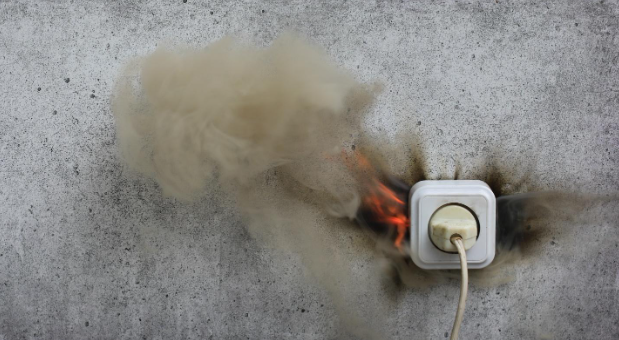
Photo from iStock - Credit: serikbaib
Why Humidity Raises Electrical Fire Risk
High indoor humidity raises electrical fire safety risks by allowing moisture to reach connections behind outlets and inside fixtures. Moisture reduces insulation resistance on wiring and causes small leakage currents that stress components. Over time that stress can soften insulation and expose conductors to touch or short. Homeowners may notice increased mold or damp smells near outlets when moisture reaches electrical parts.
Condensation forms on cool metal surfaces like junction boxes, conduit, and fixture housings when warm humid air meets them. Those droplets create temporary conductive paths across terminals and contacts during peak humidity events. Repeated wet-dry cycles accelerate corrosion in places that looked fine in a dry inspection. An electrician will inspect for water stains, mineral deposits, and loose screws that show where moisture found its way in.
Professionals diagnose humidity-related electrical issues using a few straightforward checks and tools during an inspection. They may measure insulation resistance with a meter, take voltage readings under load, and perform continuity testing on suspect conductors. Infrared scans during normal loading help find hidden hot spots that only appear when humidity increases resistance. Written test results and photos help homeowners decide whether repairs or rerouting are needed to reduce fire risk.
Simple prevention steps reduce the danger of moisture affecting electrical systems in coastal homes near Myrtle Beach, SC and properties around Conway, SC. Keep dehumidifiers running in damp basements and ensure crawlspaces and attics get ventilation to lower relative humidity. Seal openings around exterior conduits, install weatherproof covers on outdoor outlets, and replace aged outlet devices showing discoloration. If you detect burning smells, persistent tripping, or warm covers contact a certified electrician for timely diagnosis and repair.
Faulty Wiring Causes and When to Act
Faulty wiring often starts with poor connections made during rough-in or later DIY work that used improper wire nuts or undersized conductors. Loose terminations raise resistance and create heating at the connection points, which can lead to charring and arcing if left unaddressed. A homeowner might notice intermittent power, a burning smell near an outlet, or lights that dim when appliances switch on. When those symptoms appear, stop using the circuit and arrange a professional inspection to prevent escalation into an electrical fire safety hazard.
Damage to insulation from nails, staples, or rodent chewing weakens circuits and increases short-circuit risk under load conditions common in kitchens and laundry areas. An electrician will visually inspect cable runs, test continuity, and use a voltage reading to confirm conductor integrity and proper grounding. They may also perform insulation resistance testing and examine junction boxes for degraded wire ends that need replacement. Repairs often involve replacing the damaged section and securing cables with correct fasteners to restore safe operation.
Improperly sized breakers and cable mismatches cause repeated nuisance trips or allow conductors to run hotter than rated without tripping, creating a hidden fire risk. A professional evaluates panel load by performing a load calculation and checking breaker trip curves against measured current with a clamp meter. If overheating is suspected, an infrared camera scan under normal load locates hot breakers and bus connections that require tightening or replacement. Correcting sizing and balancing loads reduces repeated stress on wiring and improves electrical fire safety.
When aluminum wiring or aged cloth-insulated wiring exists in older homes, connections become brittle and unreliable, increasing arcing risks at terminals and switches. Technicians diagnose these conditions with continuity tests, visual inspection, and by recording voltage drop under load to show degraded conductors. For properties in Myrtle Beach, SC and for homes near Conway, SC this older wiring often needs targeted upgrades to modern copper conductors and AFCI/GFCI protection. Discuss replacement options and get a written estimate so you can prioritize critical repairs based on documented findings.
Overloaded Circuits How They Ignite Fires
Too many devices on one circuit raise conductor temperature and can damage insulation over time. Overheating often starts at connection points and loose terminals that increase resistance. A homeowner might smell a faint burning odor near an outlet or notice warm wall plates during heavy use. When that happens, stop using the circuit and schedule a professional load check to prevent ignition.
- Track appliance amp draws against breaker ratings.
- Separate heavy loads like HVAC and ovens to different circuits.
- Avoid multiple high-wattage space heaters on one breaker.
- Use dedicated circuits for clothes dryers and ranges.
Electricians diagnose overloads by measuring current with a clamp meter while circuits run typical loads. They also perform a load calculation comparing measured current to breaker and conductor ratings to confirm overload conditions. Infrared scans during normal use reveal hot breakers or bus connections that indicate sustained overheating. A written report will show readings and recommend circuit redistribution or panel upgrades.
Overloaded circuits can create arcing faults when overheated insulation fails and conductors contact each other or grounding conductors. Arc-fault circuit interrupters (AFCI) detect dangerous arcing patterns and interrupt power before sustained heating leads to ignition. Adding AFCI protection in bedrooms and living areas reduces fire risk from hidden arcs in branch circuits. For coastal properties near Myrtle Beach, SC inspect for added strain from corrosion that can worsen overload effects.
Balancing loads avoids repeated tripping and reduces continuous high-current conditions that fatigue equipment over years. Swap heavy appliances to different breakers, add dedicated circuits, or upgrade panel capacity when load calculations show near-capacity use. If you live in Conway, SC consider regular professional load reviews when you add HVAC, EV charging, or major appliances. Call a licensed electrician to test, document, and implement safe solutions for electrical fire safety.
Recognizing Warning Signs of Electrical Problems
Watch for unusual sounds like buzzing, crackling, or popping coming from outlets, switches, or the service panel, these noises often mean loose connections or arcing. If you hear intermittent humming that changes with appliance use, note which devices coincide and avoid using that circuit until inspected. A licensed electrician will open the panel and use a clamp meter and voltage readings to locate the source of abnormal current flow. If you live near Myrtle Beach, SC keep noise observations in your inspection notes because coastal corrosion can make noisy faults worse.
Smells are a key early cue, a faint electrical burning odor behind walls or near fixtures suggests insulation is overheating or smoldering. Inspect visible devices for discoloration, melted plastic, or brittle wiring sleeving without pulling coverings that could worsen damage. A professional can perform an insulation resistance test and thermal scan to confirm overheating hidden inside walls or ceiling cavities.
Repeated breaker trips or outlets that lose power intermittently point to persistent faults that need diagnosis rather than temporary fixes. Note whether trips happen during specific activities like running a dryer or HVAC, and record the breaker label and time of day for technician review. During an inspection, an electrician will perform continuity checks, measure load with a clamp meter, and test DFCI (Dual-Function Circuit Interrupter) to pinpoint nuisance trips versus true overloads or arc faults. Request a written report showing measured currents and test results so you can track recurring issues over time.
Physical signs such as scorch marks, melted screws, or warped outlet covers indicate heat damage and require immediate attention to prevent ignition. Avoid touching damaged devices and shut off power at the breaker if you observe exposed conductors or active sparking. A trained technician will open junction boxes, check grounding conductors, and use a voltage meter to verify safe isolation before repairing. Keep photos and the technician's findings for future maintenance planning and to prioritize replacements based on documented hazards.
Preventive Maintenance for Coastal Electrical Systems
Create a predictable maintenance schedule that covers service panels, breakers, and accessible junction boxes to reduce electrical fire safety risks. Inspectors will tighten connections, clean corrosion, and replace damaged covers during a routine visit. Keep a simple log of findings and dates to track recurring issues and plan future repairs. Regular checks avoid surprises when humidity or salt exposure accelerates wear on components. For additional protection, read our guide on "how to prevent outdoor electrical corrosion before damage" to learn ways to protect exposed electrical components.
Replace weatherproof seals and gaskets on exterior enclosures and outdoor lights to limit salt intrusion and moisture buildup that degrade contacts. Use only devices rated for exterior use and check that conduit entries remain sealed against water. During maintenance, a technician will look for crystallized salt deposits and test GFCI devices for proper trip operation. Prompt replacement of compromised seals prevents gradual loss of insulating properties around terminals.
Schedule load reviews when adding major appliances or EV chargers so the panel capacity matches household demand and supports electrical fire safety. An electrician performs a load calculation and measures circuit currents with a clamp meter during typical usage to confirm safe margins. They may recommend adding circuits, upgrading the service, or relocating heavy loads to reduce continuous stress on feeders.
Include electrical testing in regular maintenance to catch failing protective devices before an event occurs, which improves overall electrical fire safety. Technicians test AFCI/GFCI function and inspect grounding conductors and bonding at panels and subpanels for secure connections. In Myrtle Beach, SC coastal exposure may require more frequent checks of outdoor breakers and disconnects to maintain reliability. For properties near Conway, SC homeowners should keep inspection records and share them with their electrician to guide future work.
When to Call a Professional Electrician Service
If you notice persistent electrical smells, repeated trips, or visible arcing, call a licensed electrician in Myrtle Beach, SC promptly to reduce fire risk. Explain when symptoms started, what devices were running, and any recent moisture exposure near the issue. A professional will prioritize safety, isolate circuits, and recommend temporary shutoffs if conditions appear hazardous. Keep records of the call and any photos to help the technician diagnose faster on arrival.
- Turn off the affected circuit if safe to do so.
- Unplug appliances from the problem outlet.
- Note the breaker label and when trips occur.
- Do not touch scorched or sparking devices.
- Keep children and pets away from the area.
An electrician's diagnostic process will include visual inspection, voltage readings, and clamp-meter load measurements to confirm the fault. They may open panels and junction boxes, check grounding conductors, and perform continuity tests on suspect conductors. Infrared scanning under normal load can reveal hot spots not visible during a cold inspection. Expect a written report with measured values and recommended repairs or safety upgrades.
Call emergency services immediately if you notice smoke, active sparking, or melting plastic around electrical equipment. These warning signs may indicate a serious fire hazard. For less urgent concerns, schedule an electrical inspection soon, especially after storms or periods of high humidity. Homeowners should mention coastal exposure when reporting problems to help electricians identify possible corrosion. If you live near Conway, SC, tell your electrician about any recent outdoor construction or roofing work that may have disturbed electrical wiring.
Homeowner Tips for Safe Appliance and Outlet Use
Use dedicated circuits for major appliances when required by electrical codes or manufacturer instructions. This helps prevent circuit overloads and reduces overheating risks. Avoid plugging multiple high-power appliances into the same outlet or power strip. Check appliance cords regularly for frayed insulation, damaged plugs, or loose connections. Stop using any appliance with a damaged cord or an unusually hot plug until a qualified professional addresses the problem.
Use GFCI protection in areas where electrical shock risks are higher, including locations near water. Test GFCI outlets monthly using the test button and follow the manufacturer's instructions. Outdoor outlets in wet locations should have suitable weatherproof covers that protect connections while cords are plugged in. Keep circuit labels accurate so electricians can identify the correct circuits during inspections or repairs. Choose replacement electrical devices with ratings suitable for the circuit and intended application.
Plug-in surge protectors can help protect sensitive electronics from voltage spikes, but they cannot correct faulty wiring or overloaded circuits. Avoid connecting multiple extension cords or power strips together, as improper use can increase overheating and fire risks. Extension cords should serve temporary needs rather than replace permanent wiring. For more prevention tips, refer to the U.S. Fire Administration's guide on appliance and electrical fire safety. If you regularly need more outlets, ask a qualified electrician about installing additional receptacles or circuits.
When investigating appliance-related electrical problems, an electrician may inspect receptacles, check wiring connections, and measure voltage or current when appropriate. The technician can also examine grounding and signs of overheating to identify possible faults. For example, a burning smell near a dryer accompanied by repeated breaker trips may indicate an electrical problem requiring prompt attention. Stop using the appliance and arrange a professional inspection before operating it again.