
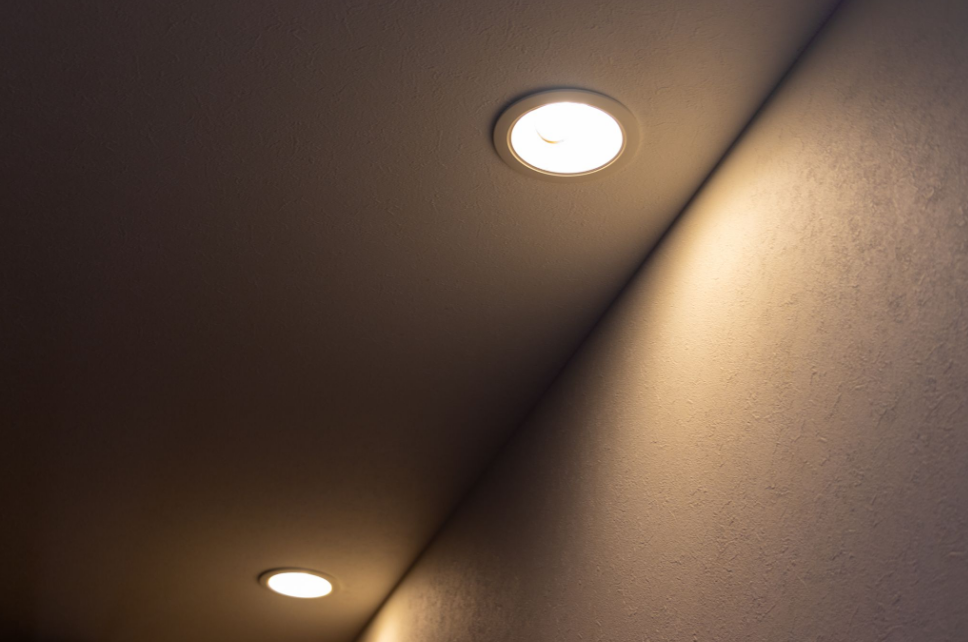
Flickering LED lights can seem like a small problem at first. However, they often signal hidden electrical issues inside a home. Many homeowners ignore flickering lights until larger problems appear. Unfortunately, delayed action can increase safety risks and repair costs.
Flickering LED lights may point to loose wiring or overloaded circuits. In some cases, damaged electrical panels also create unstable power flow. These problems can place stress on appliances and lighting systems. As a result, homeowners may experience repeated electrical disruptions.
Homes in Myrtle Beach, SC, and Conway, SC face additional electrical concerns. Coastal humidity and salt air can slowly damage electrical components. Summer storms may also cause voltage fluctuations throughout local neighborhoods. Therefore, homeowners should pay close attention to unusual lighting behavior.
Understanding the dangers behind flickering LED lights helps homeowners protect their property. Early detection can reduce fire risks and prevent expensive household damage. Professional electrical inspections also improve long-term system safety and reliability. Most importantly, homeowners should never ignore flickering LED lights.
What Causes Flickering LED Lights?
Loose wiring is one of the most common causes of flicker in LED lights. Connections may weaken over time due to heat and regular electrical use. Even a small loose wire can interrupt steady power flow. Consequently, lights may flicker randomly throughout the home.
Overloaded circuits can also create problems with flickering lights. Many modern homes use several high-powered devices at the same time. Air conditioners, kitchen appliances, and entertainment systems increase electrical demand daily. As electrical strain grows, lighting systems may begin showing warning signs.
Faulty dimmer switches often contribute to flickering LED lights as well. Some older dimmers are not compatible with modern LED technology. This mismatch can cause uneven electrical performance inside light fixtures. In many cases, homeowners notice flickering after installing new bulbs.
Damaged electrical panels may also lead to flickering LED lights. Aging breaker panels sometimes struggle to distribute electricity safely and consistently. Homes in Myrtle Beach, SC, and Conway, SC may experience additional strain during storm season. Therefore, recurring flickering should never be dismissed as a harmless issue.
Are Flickering LED Lights Dangerous?
Many homeowners assume flickering LED lights are only a minor annoyance. However, flickering often signals deeper electrical problems behind walls or inside panels. Small electrical issues can become dangerous without warning. Therefore, homeowners should always take flickering seriously.
Flickering LED lights may indicate loose electrical connections inside the home. Loose wiring can create electrical arcing between damaged connection points. Over time, this heat buildup increases the risk of fire hazards. In severe cases, damaged wiring may affect several rooms at once.
Electrical fluctuations connected to flickering LED lights can also damage appliances. Sensitive electronics depend on stable voltage to operate safely each day. Sudden power inconsistencies may shorten appliance lifespan over time. As a result, homeowners may face expensive repair or replacement costs.
Homes in Myrtle Beach, SC, and Conway, SC may experience additional electrical stress during storm season. Heavy rainfall, humidity, and power surges can affect aging electrical systems. These conditions may worsen hidden wiring problems throughout the property. For this reason, flickering lights should never be ignored.
Flickering LED Lights and Hidden Wiring Problems
Hidden wiring problems are another major cause of flickering LED lights in homes. Wires behind walls can loosen as electrical systems age over time. Damaged connections may interrupt consistent power throughout the property. Consequently, lights may flicker more often in certain rooms.
Older homes in Myrtle Beach, SC, and Conway, SC often face wiring concerns. Many aging electrical systems were not designed for modern energy demands. Large appliances and advanced electronics place additional stress on outdated wiring. As a result, electrical performance may become less stable each year.
Coastal conditions can also contribute to flickering LED lights and wiring damage. Humidity and salt air may slowly corrode electrical components inside the home. Corrosion weakens connections and increases resistance within electrical circuits. Over time, these hidden problems may create serious safety hazards.
Homeowners should never assume hidden wiring problems will disappear on their own. Electrical issues often worsen gradually before noticeable damage appears. Early inspections can help identify unsafe wiring before major failures occur. Most importantly, addressing flickering lights quickly can help protect the entire home.
Can Flickering LED Lights Cause House Fires?
Flickering LED lights can sometimes point to serious fire hazards inside a home. Loose electrical connections often create heat behind outlets and walls. As heat continues building, wiring materials may begin to deteriorate. Eventually, these conditions can increase the risk of electrical fires.
Electrical arcing is another danger connected to flickering LED lights. Arcing happens when electricity jumps between unstable wiring connections. This process creates intense heat that may damage surrounding materials quickly. In some situations, sparks can ignite insulation or nearby surfaces.
Older electrical systems in Myrtle Beach, SC, and Conway, SC may face greater fire risks. Aging wiring components often weaken after years of daily electrical use. Coastal humidity can also accelerate corrosion inside electrical panels and fixtures. Consequently, hidden electrical hazards may remain unnoticed for long periods.
Homeowners should watch for warning signs connected to flickering LED lights. Burning smells, buzzing sounds, and warm outlets often indicate electrical trouble. Ignoring these symptoms may allow dangerous conditions to worsen over time. Therefore, professional inspections remain important for protecting household safety.
Why Flickering LED Lights Happen in Older Homes
Older homes commonly experience flickering LED lights because of aging electrical systems. Wiring materials naturally weaken after many years of daily use. Older circuits may struggle to handle modern electrical demands safely. Consequently, lighting problems often appear throughout the home.
Many older properties in Myrtle Beach, SC, and Conway, SC still use outdated electrical panels. These panels were designed for smaller energy needs decades ago. Today, homeowners rely on larger appliances and advanced electronics every day. Increased electrical demand can place excessive strain on aging systems.
Previous electrical modifications may also contribute to flickering LED lights in older homes. Some homes contain outdated repairs or improperly installed wiring connections. Unsafe electrical work can create unstable power flow inside circuits. Over time, these hidden issues may become more dangerous.
Homeowners should not ignore flickering lights in aging properties. Electrical problems rarely improve without professional attention and proper repairs. Early inspections can identify outdated components before serious damage occurs. Most importantly, upgraded electrical systems improve safety and long-term reliability.
How Myrtle Beach Weather Affects Electrical Systems
Coastal weather conditions can increase the risk of flickering LED lights in many homes. Myrtle Beach experiences high humidity levels throughout much of the year. Moisture can slowly affect electrical components inside walls and fixtures. Over time, corrosion may weaken important electrical connections.
Salt air near coastal areas can also damage electrical systems gradually. Tiny salt particles may settle on wiring and electrical equipment daily. This buildup can increase corrosion inside outlets, panels, and light fixtures. As damage spreads, homeowners may notice more frequent lighting problems.
Summer storms in Myrtle Beach often place additional strain on household electrical systems. Lightning strikes and sudden power surges can disrupt steady voltage levels. These fluctuations may affect lighting performance and sensitive household electronics. Consequently, flickering LED lights sometimes appear after severe weather events.
Homeowners should pay attention to electrical warning signs during storm season. Frequent flickering may indicate hidden damage caused by moisture or power surges. Professional inspections can help identify problems before they become dangerous. Most importantly, early attention can help protect both homes and families.
Common Electrical Problems in Conway Homes
Many homeowners in Conway experience electrical issues as homes and wiring systems age over time. Increased energy demands and seasonal storms can place additional strain on household electrical components. These problems often begin with small warning signs that gradually become more serious. As a result, flickering LED lights may indicate deeper electrical concerns inside the home.
- Aging electrical wiring causing unstable power flow
- Older circuits struggling with modern energy demands
- Frequent breaker trips signaling deeper electrical issues
- Overloaded electrical systems from large appliances and electronics
- Storm-related voltage fluctuations affecting household power
- Worn electrical panels reducing system reliability
- Hidden wiring damage inside older homes
- Increased risk of flickering LED lights during severe weather conditions
Homeowners should never ignore recurring electrical problems or unusual lighting behavior. Early inspections can help identify hidden hazards before expensive damage occurs. Professional attention also improves household safety and long-term electrical reliability. Most importantly, addressing flickering LED lights quickly can help protect Conway homes and families.
Signs Flickering LED Lights Mean Serious Electrical Problems
Flickering lights often appear before major electrical problems become obvious inside a home. Many homeowners overlook these warning signs because the issue seems minor at first. However, hidden electrical damage can worsen over time without proper attention. Recognizing early symptoms can help prevent dangerous and expensive household problems.
- Buzzing sounds coming from outlets or switches
- Burning smells near electrical fixtures or breaker panels
- Frequent breaker trips throughout the home
- Lights dimming or suddenly becoming brighter
- Warm outlets or light switches
- Power fluctuations affecting multiple rooms
- Appliances shutting off unexpectedly
- Flickering LED lights happening daily or repeatedly
Homes in Myrtle Beach, SC, and Conway, SC may face additional electrical strain during storms and humid weather conditions. Coastal moisture and aging wiring systems can increase the likelihood of hidden electrical hazards. Early inspections can help identify unsafe conditions before severe damage occurs. Most importantly, homeowners should never ignore flickering LED lights or other unusual electrical warning signs.
Can Flickering LED Lights Damage Appliances?
Flickering LED lights can sometimes indicate unstable voltage inside a home. Electrical fluctuations place extra stress on sensitive household appliances every day. Many modern devices require consistent power to operate safely and efficiently. As a result, unstable electrical flow may gradually damage important equipment.
HVAC systems are especially vulnerable to electrical inconsistencies caused by wiring problems. Heating and cooling equipment depends on stable voltage for proper performance. Sudden power fluctuations can force these systems to work harder than normal. Over time, repeated electrical stress may shorten equipment lifespan significantly.
Home electronics may also suffer damage from recurring flickering LED lights. Televisions, computers, gaming systems, and smart appliances contain delicate internal components. Even small electrical surges can affect performance and reliability over time. Consequently, homeowners may experience costly repairs or unexpected replacements.
Homes in Myrtle Beach, SC, and Conway, SC may face additional electrical strain during storm season and periods of high humidity. Coastal weather conditions can increase voltage fluctuations throughout residential neighborhoods. Early inspections help identify hidden electrical problems before appliance damage becomes severe. Most importantly, homeowners should never ignore flickering LED lights inside the home.
When Flickering LED Lights Are Caused by Utility Issues
Not all flickering LED lights are caused by problems inside the home. In some situations, local utility issues may affect electrical performance throughout an entire neighborhood. Power fluctuations from outside sources can create unstable voltage inside residential properties. Consequently, homeowners may notice lights flickering at different times during the day.
Storm damage is one common cause of utility-related electrical problems in Myrtle Beach, SC, and Conway, SC. Strong winds, lightning strikes, and heavy rain can damage nearby power lines and transformers. These conditions may temporarily disrupt the steady flow of electricity into homes. As a result, flickering LED lights sometimes appear after severe weather events.
Neighborhood-wide electrical demand can also contribute to voltage fluctuations. During hot summer months, increased air conditioning use places extra strain on local power systems. Utility equipment may struggle to maintain consistent voltage during periods of heavy demand. In some cases, homeowners notice dimming or flickering lights during peak energy hours.
Homeowners should still schedule professional inspections when flickering LED lights continue regularly. Utility issues can sometimes expose hidden weaknesses inside household electrical systems. Electrical inspections help confirm whether problems originate inside or outside the property. Most importantly, early evaluation can help prevent larger safety concerns and household damage.
Photo from iStock - Credit: JonPaulCabas
How Electricians Diagnose Flickering LED Lights
Professional electricians in Myrtle Beach, SC use detailed inspections to identify the cause of flickering LED lights. Many electrical problems develop slowly and remain hidden behind walls or inside panels. Proper testing helps locate unsafe wiring and unstable electrical connections accurately. As a result, homeowners receive a clearer understanding of their electrical system condition.
Electricians often begin by checking circuits, outlets, and breaker panels throughout the home. Loose wiring connections and overloaded circuits are common causes of lighting issues. They also inspect dimmer switches and fixtures for compatibility problems with LED bulbs. These evaluations help determine whether the problem affects one area or the entire property.
Homes in Conway, SC may require additional inspections because of coastal weather conditions. Humidity, salt air, and storm activity can gradually damage electrical components over time. Electricians look for corrosion, moisture exposure, and signs of electrical wear during inspections. Early detection can help prevent larger safety hazards and costly household damage.
Professional electrical evaluations also help homeowners improve long-term system reliability. Identifying hidden problems early can reduce fire risks and appliance damage significantly. Electrical inspections provide peace of mind while supporting safer daily power usage. Most importantly, recurring flickering LED lights should always receive professional attention.
How Homeowners Can Prevent Flickering LED Lights
Preventing flickering LED lights starts with maintaining a safe and reliable electrical system. Small electrical problems often become more serious when left unaddressed for long periods. Routine inspections help identify hidden issues before major damage develops inside the home. Consequently, homeowners can reduce safety risks and improve electrical performance.
Upgrading outdated wiring and electrical panels can also help prevent recurring lighting problems. Older systems may struggle to support modern appliances and increased energy demands. Professional upgrades improve voltage stability throughout the property and reduce electrical strain. As a result, lighting systems and household appliances operate more efficiently.
Homes in Myrtle Beach, SC, and Conway, SC benefit from regular inspections because of coastal weather conditions. Humidity, salt air, and seasonal storms can gradually damage electrical components over time. Preventive maintenance helps identify corrosion and moisture-related issues before they worsen. Early attention can also help homeowners avoid expensive repairs and appliance damage.
Homeowners should always take flickering LED lights seriously, even when the problem appears minor at first. Stable electrical systems play an important role in household comfort and safety every day. Professional evaluations help protect homes from fire risks and unexpected electrical failures. Most importantly, addressing flickering LED lights early can prevent costly long-term damage.
Conclusion
Flickering LED lights may seem harmless, but they often point to deeper electrical problems inside a home. Loose wiring, overloaded circuits, damaged panels, and voltage fluctuations can all create serious safety concerns. Over time, ignored electrical issues may increase the risk of fire hazards and costly appliance damage. Therefore, homeowners should never dismiss recurring lighting problems.
Homes in Myrtle Beach, SC, and Conway, SC may face additional electrical strain because of coastal humidity, salt air, and seasonal storms. These conditions can gradually damage wiring systems and electrical components throughout the property. Early inspections help identify hidden problems before larger issues develop. As a result, homeowners can improve electrical reliability and long-term household safety.
Professional electrical evaluations play an important role in preventing expensive repairs and dangerous conditions. Electricians can identify unsafe wiring, unstable circuits, and damaged components before failures occur. Routine inspections also help protect appliances and improve overall electrical performance. Most importantly, proactive maintenance supports a safer and more dependable home environment.
Homeowners should always take flickering LED lights seriously and seek professional attention when problems continue. Small warning signs often appear before major electrical failures become visible. Addressing issues early can help prevent household damage and reduce long-term repair costs. In the end, responding quickly to flickering LED lights helps protect both homes and families.