Home electrification is transforming how South Carolina homeowners power and improve their homes. By replacing fossil fuel-powered systems with efficient electric alternatives, many households are finding new ways to improve comfort, prepare for modern technology, and support long-term energy goals.
Whether you're planning to install an electric vehicle charger, upgrade aging appliances, or improve your home's electrical system, understanding the process helps you make informed decisions. Every home has different electrical needs, so knowing what to expect before making upgrades can help you plan with confidence.
In coastal South Carolina communities, including Conway and Georgetown, warm, humid weather places heavy demands on cooling systems for much of the year. As homeowners invest in newer electric equipment, it's important to determine whether an existing electrical system can safely support these upgrades before new appliances or technologies are added.
This guide explains the key benefits of switching to electric-powered home systems, the electrical upgrades that may be required, and why working with a licensed electrician is an important part of the process. By understanding what to expect, you can confidently decide whether home electrification is the right choice for your home.
What Is Home Electrification?
Home electrification is the process of replacing equipment that relies on fossil fuels, such as natural gas or propane, with electric-powered alternatives. Rather than focusing on a single upgrade, it often involves gradually modernizing different systems throughout the home as older equipment reaches the end of its service life or as homeowners plan renovations.
Common examples include installing an electric heat pump for heating and cooling, upgrading to a heat pump water heater, replacing a gas range with an induction cooktop, choosing an electric clothes dryer, or adding an electric vehicle (EV) charger. These technologies are designed to work together with a home's electrical system, making it important to confirm that the existing electrical infrastructure can safely support the added demand.
For many South Carolina homeowners, electrification is also about preparing for the future. As more households adopt smart home technology, energy-efficient appliances, and electric vehicles, electrical systems are expected to power more devices than ever before. Planning upgrades with a licensed electrician helps ensure the home's electrical panel, wiring, and circuits are ready for both current needs and future improvements.
Every home is unique, and the path toward home electrification depends on factors such as the age of the home, the condition of the electrical system, and the types of equipment being installed. A professional evaluation helps identify any necessary electrical upgrades before new electric appliances or systems are added, creating a safer and more reliable transition.
How Home Electrification Improves Energy Efficiency
One of the biggest advantages of home electrification is the opportunity to improve how energy is used throughout the home. Many modern electric systems are designed to operate more efficiently than older equipment, helping homeowners get more from the energy they consume. While results vary depending on the home's age, insulation, and equipment, upgrading to newer electric technologies can support better overall energy performance.
High-efficiency heat pumps, electric water heaters, and ENERGY STAR® certified appliances are examples of equipment designed to use electricity more effectively. Instead of relying on outdated technology, these systems are engineered to deliver dependable performance while reducing unnecessary energy waste. As older appliances reach the end of their lifespan, replacing them with efficient electric alternatives can be a practical long-term investment.
Another benefit is that many electric appliances work well with smart home technology. Programmable thermostats, smart water heaters, and connected appliances allow homeowners to monitor and manage energy use more easily. These features can help households make informed decisions about when and how electricity is used without changing everyday routines.
Improving efficiency also supports long-term flexibility. As electrical technology continues to evolve, homes with modern electrical systems are often better prepared for future upgrades, whether that means adding renewable energy components, expanding smart home capabilities, or installing new electric appliances. A licensed electrician can evaluate your home's electrical capacity and recommend upgrades that safely support your current and future energy needs.
Home Electrification Creates a More Comfortable Living Environment
Beyond improving energy efficiency, home electrification can make a noticeable difference in everyday comfort. Modern electric systems are designed to provide consistent performance throughout the home, helping maintain more even indoor temperatures during South Carolina's hot, humid summers and cooler winter months. Instead of dealing with uneven heating or cooling, homeowners may enjoy a more balanced indoor environment when their equipment is properly sized and installed.
Humidity control is another important consideration in South Carolina's climate. Excess indoor moisture can make a home feel warmer than it actually is and may contribute to discomfort. Many high-efficiency electric heat pump systems are designed to help manage indoor humidity while providing reliable heating and cooling. A comfortable indoor environment depends on several factors, including equipment selection, insulation, and proper system maintenance.
Modern electric appliances also tend to operate more quietly than many older models. Whether it's an updated HVAC system, a heat pump water heater, or newer laundry appliances, quieter operation can make daily life more enjoyable. While noise levels vary by manufacturer and model, many homeowners appreciate the reduced background sound that newer electric equipment can provide.
Another potential benefit is improved indoor air quality. Unlike appliances that rely on combustion inside the home, many electric alternatives eliminate on-site fuel burning for the equipment they replace. Combined with proper ventilation and routine maintenance, this can contribute to a healthier and more comfortable indoor environment. Before upgrading multiple systems, a licensed electrician can evaluate your home's electrical capacity to ensure it safely supports new equipment as part of your home electrification plan.
Supporting Electric Vehicles with Home Electrification
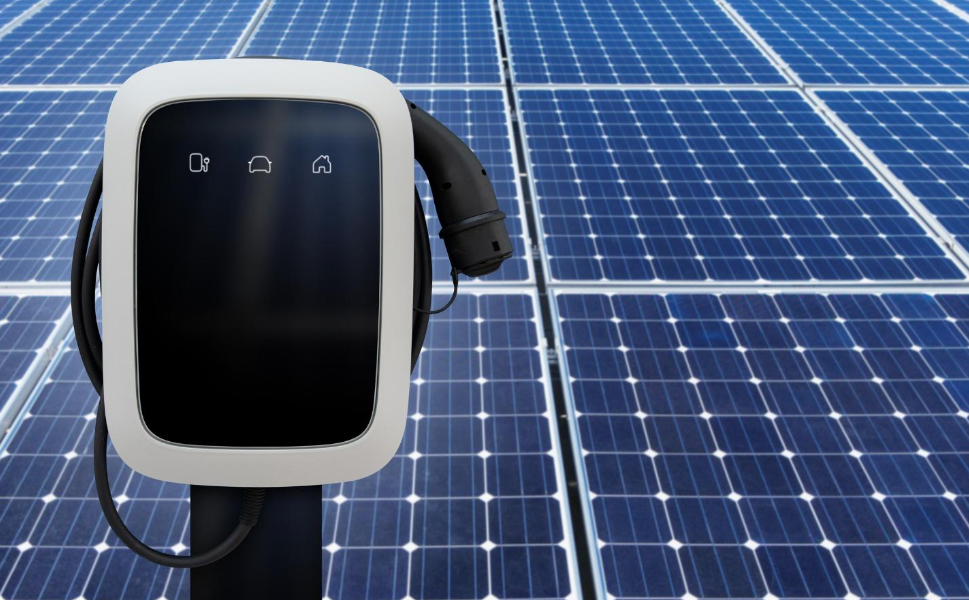
As electric vehicles become more common, many homeowners are preparing their properties for convenient at-home charging. Home electrification often includes planning for an EV charger, making it easier to charge a vehicle overnight instead of relying solely on public charging stations. This added convenience can simplify daily routines while supporting the growing use of electric transportation.
Most Level 2 EV chargers require a dedicated electrical circuit and sufficient capacity within the home's electrical panel. The exact requirements vary depending on the charger's specifications and the home's existing electrical system. Before installation, a licensed electrician can determine whether the current service can safely handle the additional electrical demand or if upgrades are recommended.
Planning ahead also creates flexibility for future needs. Even if you do not own an electric vehicle today, preparing your electrical system during other home improvement projects may make future installations more straightforward. Homeowners who are already upgrading an electrical panel or replacing major appliances often choose to consider EV charging needs at the same time.
South Carolina's growing EV infrastructure is encouraging more residents to explore electric transportation, but reliable home charging starts with a safe electrical foundation. A professional electrical assessment helps identify the appropriate circuit size, panel capacity, and any other improvements needed to support your vehicle charger without overloading the system. As part of a well-planned home electrification strategy, these upgrades help ensure your home's electrical system is ready for both current and future technology.
Modern Appliances That Benefit from Home Electrification
Many of today's electric appliances are designed to improve comfort, convenience, and overall home performance. As home electrification becomes more common, homeowners often replace older equipment with newer electric models that offer advanced features and improved efficiency. Choosing the right appliances depends on your household's needs, the condition of your existing electrical system, and your long-term plans for the home.
Efficient Heating and Hot Water
Heat pump HVAC systems and heat pump water heaters are among the most popular electrification upgrades. Heat pumps provide both heating and cooling by transferring heat instead of generating it, while heat pump water heaters use surrounding air to help heat water efficiently. Together, these systems can improve year-round comfort and support more efficient energy use, depending on your home's design and equipment.
Smarter Kitchen and Laundry Upgrades
Modern electric appliances can also improve convenience in the kitchen and laundry room. Induction cooktops offer fast, responsive cooking with precise temperature control, while electric dryers provide dependable performance for everyday use. Many newer appliances also include smart features such as programmable settings, remote monitoring, and energy management tools that make household tasks easier to manage.
Before installing multiple new appliances, it is wise to have your home's electrical system evaluated. A licensed electrician can determine whether your electrical panel, circuits, and wiring can safely support the additional demand. As part of a thoughtful home electrification plan, these assessments help ensure new appliances operate safely and efficiently while preparing your home for future upgrades.
Electrical Upgrades You May Need Before Electrifying Your Home
Every home has an electrical system with its own capacity and limitations. Before beginning home electrification, it's important to determine whether your home's electrical infrastructure can safely support additional electric appliances and equipment. While some homes are already equipped for these changes, others may benefit from targeted upgrades to improve safety, reliability, and performance.
Electrical Panel Capacity
One of the first areas to evaluate is the electrical panel. Often called the home's electrical service panel or breaker box, it distributes electricity throughout the home. As more high-powered appliances are added, an older or undersized panel may not provide enough capacity to meet the increased demand. A licensed electrician can perform a load calculation to determine whether the existing panel is sufficient or if a service upgrade is recommended.
Dedicated Circuits for New Equipment
Many modern electric appliances require dedicated circuits to operate safely and efficiently. Heat pumps, electric vehicle chargers, heat pump water heaters, and induction cooktops are common examples. Providing each appliance with its own circuit helps reduce the risk of overloaded wiring while supporting dependable performance.
Wiring, Grounding, and Surge Protection
A professional electrical assessment may also include an inspection of the home's wiring, grounding system, outlets, and surge protection. These components work together to support electrical safety and reliability. In some older homes, updates to wiring or grounding may be recommended before installing new electric equipment.
Why a Professional Electrical Assessment Matters
Planning electrical upgrades before purchasing new appliances can help prevent unexpected delays and compatibility issues. Instead of making assumptions about system capacity, homeowners can rely on a licensed electrician to evaluate their home's electrical infrastructure and recommend improvements based on current and future needs. As part of a well-planned home electrification project, these upgrades create a safer foundation for modern living.
Reducing Reliance on Fossil Fuels
Another important advantage of home electrification is reducing a home's dependence on fossil fuel-powered equipment. Instead of using multiple fuel sources for heating, cooking, or water heating, homeowners can transition to electric alternatives that work with a single electrical system. This approach can simplify future upgrades while supporting the growing availability of advanced electric technologies.
As the electric grid continues to evolve, many modern appliances are designed to work with cleaner sources of electricity when they are available. Although the environmental impact varies by location and energy source, electrified homes may be better positioned to take advantage of future developments in renewable energy and energy storage. This flexibility allows homeowners to adapt as new technologies become more accessible.
Reducing reliance on fossil fuels may also decrease the need for fuel-burning appliances inside the home. Depending on the equipment being replaced, electric alternatives can help eliminate on-site combustion for certain household systems. Every home is different, so the benefits depend on factors such as the home's design, existing equipment, and the types of upgrades being made.
For homeowners in South Carolina, planning for long-term energy needs often means thinking beyond immediate appliance replacements. A licensed electrician can evaluate your electrical system, recommend any necessary upgrades, and help ensure your home is prepared for future improvements. Whether you're replacing one appliance or planning a complete home electrification project, a professional assessment provides a safe and informed path forward.
Is Home Electrification Right for Older Homes?
Older homes can absolutely benefit from home electrification, but they often require a closer look at the existing electrical system before new equipment is installed. Homes built decades ago were designed for different electrical demands than those of today. As a result, older panels, wiring, and circuits may not have the capacity to support multiple high-powered electric appliances at the same time.
One of the first steps is evaluating the condition of the home's electrical infrastructure. A licensed electrician can inspect the electrical panel, wiring, grounding, and overall service capacity to determine whether upgrades are recommended. This assessment helps identify potential limitations before new equipment is added, reducing the likelihood of unexpected delays during installation.
Many homeowners choose to electrify their homes gradually rather than replacing every system at once. For example, an aging water heater or HVAC system may be replaced with an electric alternative when it reaches the end of its service life. Taking a phased approach allows electrical improvements to be planned over time while ensuring each upgrade is compatible with the home's existing electrical system.
In communities such as Conway and Georgetown, older homes may have unique electrical considerations based on their age, construction, and previous renovations. A professional evaluation helps determine which upgrades are appropriate for your specific property while supporting a safe transition to home electrification. Careful planning ensures your home's electrical system is prepared to meet both today's needs and future technology.
Planning for Home Electrification in Conway and Georgetown
Homeowners in Conway and Georgetown have unique factors to consider when planning home electrification. South Carolina's warm, humid climate often means air conditioning systems work hard for much of the year, making it important to ensure your home's electrical system can reliably support modern heating and cooling equipment. Planning ahead helps create a smoother transition as new electric technologies are introduced.
Coastal weather is another consideration. Thunderstorms, heavy rainfall, and occasional tropical weather can place additional demands on a home's electrical system. While no electrical system is immune to severe weather, features such as properly installed surge protection and a well-maintained electrical panel can help support the reliability of your home's electrical infrastructure. A licensed electrician can recommend upgrades based on your home's age, condition, and electrical needs.
Every property has different electrical requirements, especially if it has undergone previous renovations or additions. Before installing electric appliances, an EV charger, or other high-demand equipment, it's important to evaluate the home's available electrical capacity. This assessment helps determine whether panel upgrades, dedicated circuits, or other improvements are needed to support safe operation. When planning your project, consider these important steps:
- Evaluate your home's electrical panel and available capacity.
- Plan for future additions, such as an EV charger or smart home devices.
- Determine whether dedicated circuits or service upgrades are needed.
- Have a licensed electrician assess your electrical system before installing new equipment.
Working with a qualified electrician also helps ensure electrical upgrades are completed in accordance with applicable codes and permitting requirements. Whether you're making one improvement or planning a larger home electrification project, professional guidance can help you prepare your home for today's technology while keeping future expansion in mind.
Why Home Electrification Is a Smart Investment for Your Home
Home electrification offers homeowners an opportunity to improve energy efficiency, enhance everyday comfort, prepare for electric vehicles, and support modern appliances with a reliable electrical system. Every home has unique electrical needs, so understanding your current system is an important first step before making significant upgrades.
Whether you live in Conway, Georgetown, or elsewhere in South Carolina, planning ahead can make the transition smoother. Evaluating your electrical panel, wiring, and overall capacity helps ensure your home is ready to safely support new electric technologies as your needs evolve.
Working with a licensed electrician provides valuable insight into the upgrades your home may require. From electrical panel evaluations to dedicated circuits and surge protection, professional guidance helps create a safe and dependable foundation for both current improvements and future additions.
If you're considering home electrification, Mister Sparky of Myrtle Beach, SC can assess your home's electrical system, recommend appropriate upgrades, and help you make informed decisions with confidence. Contact our team today to schedule a professional electrical evaluation and take the next step toward a more modern, efficient home.