
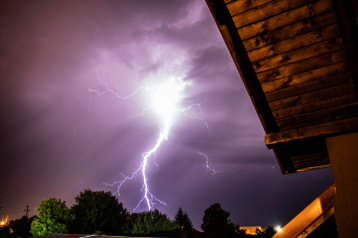
Electricity keeps your home moving from sunrise to bedtime. It powers the coffee maker in the morning, charges laptops at the kitchen table, and runs the HVAC system through Lexington’s humid summers. Most of the time, it works quietly in the background. Then a sudden surge hits, and in a split second, expensive electronics go dark.
Power surges can damage appliances, fry circuit boards, and shorten the lifespan of everything from refrigerators to gaming systems. The good news is that with the right protection and a little awareness, you can reduce the risk and keep your home’s electrical system in strong shape. Here’s what every homeowner should know about protecting their home from power surges.
What Is a Power Surge?
A power surge is a sudden spike in electrical voltage that travels through your home’s wiring. Standard household voltage in most homes sits around 120 volts. When that level jumps unexpectedly, even for a fraction of a second, it can overwhelm sensitive electronics and internal components.
Some surges are dramatic, such as those caused by lightning strikes. Others happen quietly and repeatedly, caused by appliances cycling on and off or issues within the electrical grid. Even small, frequent surges can cause gradual damage over time, weakening devices until they fail without warning.
Understanding what causes surges is the first step toward preventing them.
Common Causes of Power Surges
Power surges do not always come from outside your home. In fact, many originate inside.
Large appliances like air conditioners, refrigerators, and washing machines require significant power to start up. When they cycle on, they can create small internal surges. Over time, these minor spikes stress other electronics connected to the same system.
External causes include:
- Lightning strikes near power lines
- Downed utility lines
- Grid switching by your power company
- Tree limbs contacting electrical lines
Faulty wiring or outdated electrical panels can also increase the likelihood of surge damage. Homes built decades ago were not designed to handle the number of electronics and devices we rely on today. That mismatch between demand and system capacity creates vulnerability.
Why Power Surges Are a Bigger Risk Than You Think
Many homeowners assume that if the lights stay on, everything is fine. The reality is that surge damage often happens silently.
Sensitive electronics like smart TVs, computers, Wi-Fi routers, and kitchen appliances contain delicate circuit boards. Even small voltage spikes can degrade these components. You might not notice immediate failure, but performance can decline over time.
Repeated exposure to surges can:
- Shorten appliance lifespan.
- Corrupt data on computers.
- Damage HVAC system components.
- Destroy home entertainment systems.
Replacing these systems costs far more than investing in proper protection.
Use Point-of-Use Surge Protectors the Right Way
Power strips with built-in surge protection offer a basic level of defense. They are especially helpful for protecting computers, televisions, gaming systems, and office equipment.
When using plug-in surge protectors:
- Choose models with a high joule rating for better protection.
- Replace them after a major surge event.
- Avoid overloading them with too many high-draw devices.
It is important to understand their limitations. Plug-in protectors defend only the devices connected to them. They do not protect hardwired systems like your HVAC unit, water heater, or electrical panel.
For broader coverage, a more comprehensive solution is needed.
Install a Whole-Home Surge Protector
A whole-home surge protector connects directly to your electrical panel. This system monitors incoming power and diverts excess voltage safely into the ground before it can travel through your home’s wiring.
Whole-home protection offers several key benefits:
- Shields major appliances and built-in systems
- Protects every outlet in the home
- Reduces cumulative damage from small, repeated surges
- Provides an added layer of defense during lightning storms
For homeowners in areas prone to strong storms, whole-home protection adds peace of mind. It works quietly in the background, guarding everything connected to your electrical system.
Professional installation ensures the device is properly rated and correctly integrated into your panel.
Protect Against Lightning Damage
Lightning remains one of the most powerful sources of surge damage. While no system can guarantee absolute protection from a direct strike, combining layered protection significantly reduces risk.
For maximum defense:
- Install a whole-home surge protector.
- Use point-of-use protectors for sensitive electronics.
- Ensure your home’s grounding system is properly maintained.
- Consider a lightning protection system for high-risk properties.
Grounding plays a crucial role in surge safety. A properly grounded electrical system gives excess voltage a safe path away from your home. Faulty grounding increases the likelihood of damage and dangerous conditions.
Upgrade Outdated Electrical Panels and Wiring
Older homes often have electrical systems that were never designed for modern power usage. If your panel struggles with frequent breaker trips or your wiring shows signs of wear, your home may be more vulnerable to surge damage.
Warning signs of outdated systems include:
- Flickering lights
- Warm outlets
- Frequently tripped breakers
- Limited outlet capacity
Upgrading your electrical panel improves both safety and performance. It also creates a stronger foundation for surge protection systems.
Unplug Devices During Severe Storms
While surge protection systems provide strong defense, unplugging sensitive electronics during severe storms adds another layer of safety.
If lightning is active nearby and you are home, disconnect items such as:
- Televisions
- Desktop computers
- Modems and routers
- Gaming consoles
This simple step eliminates the pathway for surge damage entirely. It may feel inconvenient in the moment, but it can prevent costly replacements later.
Schedule Routine Electrical Inspections
Regular inspections help identify weaknesses before they become expensive problems. A licensed electrician can evaluate your panel, grounding system, and wiring to ensure everything meets modern safety standards.
Inspections are especially important if:
- Your home is more than 20 years old.
- You have recently added major appliances.
- You work from home and rely on electronics daily.
- You have experienced recent storm activity.
Catching minor issues early often prevents major damage down the road.
Why Professional Surge Protection Matters
Surge protection is not just about plugging in a power strip. It involves understanding your home’s electrical load, panel capacity, and grounding system.
Professional electricians assess the full system and recommend solutions that match your home’s needs. Proper installation ensures surge protectors function correctly during high-voltage events. Cutting corners with DIY installation can lead to incomplete protection or system damage.
Investing in expert service protects more than appliances. It protects your home’s long-term safety.
Trust Mister Sparky of Lexington for Surge Protection
Power surges can happen without warning, but protecting your home does not have to be complicated. Mister Sparky provides professional surge protection solutions designed to keep your electrical system safe and reliable.
Our experienced electricians evaluate your home, recommend the right level of protection, and install whole-home surge protection systems with precision. We prioritize safety, clear communication, and dependable service every step of the way.
If you want to reduce the risk of costly electrical damage, we are ready to help.
Schedule Your Surge Protection Service Today
Don’t wait for the next storm or unexpected voltage spike to put your home at risk. Contact Mister Sparky to schedule a surge protection service today.
Our team in Lexington, KY, will help you safeguard your appliances, electronics, and electrical system with solutions built for lasting protection. One smart upgrade today can prevent major headaches tomorrow.