

Key Takeaways About AFCI Vs GFCI Protection
This article explains the differences between two electrical safety devices. It is for homeowners and property managers deciding when and where upgrades matter.
- Identify signs like burning smells or charred outlets quickly.
- Prevent electrical fires by addressing loose connections and damaged wiring.
- Avoid shock hazards by installing protection in wet and outdoor locations.
- Spot nuisance trips and document when they occur for technicians.
- Reduce risk by combining protections where both fire and shock overlap.
- Plan upgrades with a licensed electrician and request written test results.
Introduction
Electrical panels and outlets can protect homes only when the right devices are in place. AFCI vs GFCI protection is a common source of confusion for homeowners. Each device responds to different hazards that can cause fires or shock. Understanding those differences matters for household safety and peace of mind.
Arc-fault circuit interrupters look for dangerous arcing in wiring that can start fires. Ground-fault circuit interrupters sense imbalance between hot and neutral to stop electric shock. Neither device replaces the other because they target distinct risks. Knowing which protects against which hazard helps prioritize upgrades.
Visible signs like scorch marks, buzzing outlets, or breakers that trip repeatedly point to problems beyond a nuisance. A trained electrician will inspect the service panel, test outlets, and check wiring continuity to diagnose the cause. That diagnosis decides whether AFCI, GFCI, or both are appropriate in specific locations. Proper protection reduces fire risk and prevents serious injury.
Homeowners in Wilmington, NC and properties in Southport, NC face the same electrical threats as anywhere else. Older homes often lack modern AFCI and GFCI coverage and may show age-related wiring issues. For medium-risk situations involving moisture or legacy circuits, a professional assessment is the safest next step. Scheduling electrical inspections brings clear, actionable recommendations tailored to your home.
What Arc Fault Circuit Interrupters Do and Why
An arc-fault circuit interrupter is a device that detects dangerous electrical arcing and interrupts power to reduce fire risk. Professionals install AFCIs to stop high-energy arcs caused by damaged conductors, loose connections, or compromised insulation. Homeowners often ask whether an AFCI will stop every electrical fire, the short answer is no, but it greatly reduces arc-related ignition sources. A qualified electrician will evaluate circuits and recommend AFCI protection where fire risk from arcing is significant.
- AFCIs detect irregular arcing patterns in the circuit.
- They interrupt power when series or parallel arcs appear.
- AFCIs are tested using built-in test buttons.
- They are commonly installed at the breaker in the panel.
AFCIs use pattern recognition electronics to distinguish harmless arcs from dangerous ones, responding quickly when needed. During diagnosis, an electrician may reproduce nuisance trips, inspect junction boxes, and perform continuity tests on conductors. Visible clues that suggest an arc problem include charred outlets, a persistent burning smell near receptacles, and breakers that trip without obvious loads. If those signs appear, a technician will trace the circuit, test grounding conductors, and record voltage readings to confirm an arc fault.
Not all wiring faults produce detectable arcs, so AFCIs work best alongside other protections and good wiring practices. In older homes in Wilmington, NC, cloth-insulated or degraded wiring raises the likelihood of arcing and may justify panel upgrades. For properties in Southport, NC with renovation work, installers often recommend adding AFCI breakers when new bedroom or living-area circuits are placed. Always hire a trained electrician to perform diagnostic checks and install AFCI devices safely.
How Ground Fault Circuit Interrupters Work and When to Replace
Ground fault circuit interrupters monitor current balance between the hot and neutral conductors and trip when a small imbalance appears. They act within milliseconds to cut power when current leaks to ground, a common cause of electric shock in wet or damp locations. GFCIs typically protect people from fatal shock by sensing differences as small as 4 to 6 milliamps. Professionals often find these devices in areas where water contact is likely, and they recommend testing them monthly with the built-in test button.
Technically, a GFCI measures current entering and leaving the circuit using an internal sensing coil inside the device or breaker. When the coil detects unequal current, the device sends a trip signal to open the circuit quickly. Electricians confirm operation by pressing the test button, then using a receptacle tester and voltage reading to verify the device interrupts power. If the device fails these checks, replacement is required to restore safe operation.
Signs that a GFCI needs replacement include a test button that does not trip, outlets that remain dead after a reset, or a device that trips for no clear reason. A professional diagnosing the issue will inspect the GFCI outlet, check the associated circuit breaker, and perform continuity and leakage tests with a multimeter. They may also remove the device to inspect wiring in the outlet box and confirm the grounding conductor and neutral are intact. If visible damage, burning, or corrosion appears, the technician will recommend replacing the damaged device immediately.
Older homes often have legacy wiring or unprotected circuits that require modern GFCI protection, and homeowners sometimes discover unprotected bathroom and exterior circuits during inspections. When deciding between replacing a single outlet or upgrading to a panel-mounted GFCI, a licensed electrician will weigh circuit layout, load requirements, and long-term safety goals, then provide written recommendations and test reports.
Key Differences Between AFCI and GFCI Protection
AFCI and GFCI devices use different sensing methods to protect against distinct hazards, so they operate on separate principles and trip for different reasons. AFCIs look for signature arcing patterns caused by damaged conductors or loose terminations, while GFCIs monitor current balance between hot and neutral to stop leakage to ground. Because they detect different faults, combining both protections on a circuit can address both fire and shock risks when the wiring and layout require it. Deciding which to use depends on the specific hazard present and the circuit’s environment.
Installation points also differ: AFCIs are usually implemented at the breaker to protect the entire branch circuit, and GFCI protection can be provided at a receptacle or at the panel for whole-circuit coverage. An electrician will consider circuit routing, location of loads, and whether multiple outlets need protection when choosing a breaker or outlet solution. In some installations, a single device can offer both AFCI and GFCI functionality, but a professional must verify compatibility with the panel and connected loads. Proper labeling in the panel helps homeowners and technicians identify the type of protection in place.
When diagnosing which device is appropriate, a technician will follow distinct inspection steps to confirm the underlying issue before recommending upgrades or replacements. They may reproduce nuisance trips, measure leakage current with a clamp meter, perform continuity checks on neutrals and grounds, and inspect junction boxes for loose connections or damaged insulation. Recorded test results, voltage readings, and photos form the basis of clear recommendations in a written report. This diagnostic approach prevents unnecessary changes and targets the real cause of the problem.
Choosing upgrades often involves weighing cost, disruption, and safety gains for each circuit in the home, especially in older residences with legacy wiring. With renovations, owners may decide to install combined protection where both shock and arc risks overlap near kitchens or utility rooms. Homeowners should ask for a written scope and test results before approving panel changes so they understand whether AFCI, GFCI, or both solve the observed hazards. If you notice burning smells, frequent trips, or outlets that behave oddly, contact a licensed electrician to perform the diagnostic checks and recommend the correct protection.
Common Causes of Arc Faults and Why They Happen
Loose or corroded terminations in outlets, switches, and junction boxes often start intermittent arcing that worsens over time. A loose screw or pushed-back conductor can heat the insulation and create tiny, high-energy gaps that arc under load. Homeowners may notice a faint buzzing or lights that flicker when an appliance runs on the same circuit. An electrician inspects terminals, tightens connections, and measures voltage under load to confirm the cause.
- Damaged cable insulation allows conductors to touch or arc.
- Staples or nails penetrating cable cause conductor damage.
- Poorly made splices inside junction boxes create hot spots.
- Oxidation at connections raises resistance and heat.
- Overstressed circuits from added loads increase arcing risk.
Mechanical damage to wiring from renovations or rodents exposes conductors and creates conditions for parallel arcs to form. When insulation wears thin, adjacent conductors can briefly contact and produce high-current arcs that generate heat and sparks. During diagnosis, a technician will visually inspect exposed runs and use continuity tests to find shorts or intermittent contacts. If damage appears, replacing affected cable or reinsulating conductors is the recommended remedy.
Loose neutrals and shared neutral configurations can produce unusual arcing signatures that an AFCI detects as hazardous. These issues may show as lights brightening or dimming when other appliances switch on, or breakers that trip unpredictably. An electrician traces the neutral paths, checks for multi-wire branch circuit errors, and uses voltage readings to identify neutral-to-ground or neutral-to-hot faults. Correcting the wiring and securing connections typically stops the arc events.
Age-related insulation breakdown and degraded cable sheathing raise the overall risk of arcing in older homes, especially in areas with previous DIY electrical work. During an inspection, a professional records photos, measures insulation continuity, and may use infrared imaging to find hot spots behind panels or outlets. For homeowners updating their homes, replacing compromised wiring or adding AFCI protection reduces future fire risk. If you suspect arcing, contact a trusted electrician in Wilmington, NC to perform tests and provide a written repair plan.
Typical Ground Fault Sources and When to Act Immediately
Ground faults often start where moisture contacts energized parts, such as damp outdoor receptacles, basement utility areas, or damp garage spaces. Homeowners may notice outlets that trip when an appliance is touched or when a device with a damaged cord is plugged in. A visible sign can be a persistent damp smell, occasional tingling from metal appliance cases, or a receptacle that only works after multiple resets. If these cues appear, stop using the circuit and call a licensed electrician to test the device and wiring.
Another common source is damaged appliance cords and damaged insulation where the hot conductor touches the appliance frame or ground. Frayed cords, cracked jacketed cable, or bent prongs increase leakage current and can cause a GFCI to trip repeatedly. A professional diagnosing the problem will inspect the cord, perform a leakage test with a multimeter or clamp meter, and check continuity between the appliance chassis and grounding conductor. Repairing or replacing the cord and ensuring a solid equipment-grounding connection usually resolves these faults.
Shared neutrals and incorrect neutrals on multi-wire branch circuits can produce ground-fault-like behavior when loads are unbalanced or neutrals are open. Symptoms include nuisance trips on GFCI breakers or outlets when multiple loads run, or appliances losing power while others remain energized. An electrician will open the panel, trace neutral terminations, verify correct multi-wire circuit handling, and measure current on each conductor to confirm the issue. Correcting the neutral routing and tightening connections prevents dangerous leakage paths and stabilizes protection.
Corroded or degraded outdoor and wet-location boxes create leakage paths that GFCIs must catch to prevent shock in moist conditions. Regular exposure to salt air or humidity in coastal Wilmington, NC environments accelerates box and terminal corrosion that leads to intermittent faults. During an inspection, a technician looks for greenish corrosion, loose clamp terminations, and moisture intrusion, then documents findings with photos and voltage readings. Replacing corroded devices, sealing box entries, and installing properly rated wet-location fixtures stops recurring ground faults.
For pools, hot tubs, and landscape lighting, wiring buried or routed near irrigation systems risks periodic leakage when moisture infiltrates splices or connector sleeves. Owners may observe tripping only when sprinklers run or after heavy rain, which signals intermittent ground leakage tied to moisture. A pro will inspect splices, lift soil at suspect runs, and use a megohmmeter or leakage clamp to locate the fault before recommending repairs. Immediate action is important where water contacts wiring, contact a licensed electrician rather than attempting outdoor splice repairs yourself.
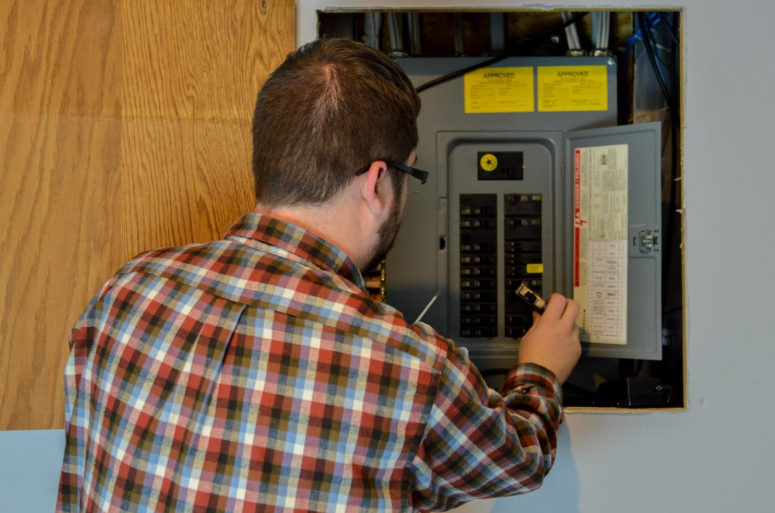
Photo from iStock - Credit: melissabrock1
Where to Install AFCI and GFCI Devices in Homes
Start by prioritizing living spaces and sleeping areas for AFCI protection because wiring faults there often start behind walls. An electrician will inspect the service panel and identify bedroom and living-room branch circuits for AFCI breakers. During diagnosis, they use continuity checks, voltage readings, and photos to confirm which conductors a given breaker controls. Homeowners should note intermittent flicker or buzzing that may point to circuits needing AFCI coverage.
Wet or damp locations need GFCI protection to reduce shock risk near water sources like bathrooms, kitchens, and garages. A pro testing these circuits uses the receptacle test button and a voltage reading to confirm proper trip behavior. For whole-circuit protection where many outlets serve wet areas, installers may recommend a GFCI breaker at the panel instead of individual protected outlets. If outlets trip repeatedly only when specific appliances run, the electrician will check cord insulation, grounding conductors, and leakage measurements.
Certain spaces may require both AFCI and GFCI protection when fire and shock risks overlap, such as kitchens, laundry rooms, and utility areas. A qualified technician inspects wiring runs, junction boxes, and load types to decide whether combined devices or separate protections best suit the circuit. They perform diagnostic checks including neutral-to-ground continuity and current imbalance tests with a clamp meter to verify which device will address the observed fault. For properties in Southport, NC undergoing renovations, homeowners often add combined protection where both risks exist near major appliances.
Exterior receptacles, pools, and landscape circuits need GFCI devices rated for outdoor use with proper weatherproof boxes and covers. A professional will inspect box seals, corrosion, and grounding conductor continuity to ensure long-term reliability before recommending replacements. For older panels or mixed protection needs, electricians document findings and recommend AFCI breakers for interior living circuits and GFCI breakers or outlets for wet locations. Homeowners in Wilmington, NC should schedule a professional assessment when planning upgrades to align protection with circuit layout and use.
Troubleshooting Steps Homeowners Can Try Safely
Start with safe visual checks: look for scorch marks, loose cover plates, or melted insulation around outlets and switches. If you smell burning or see charring, stop using the circuit and contact a professional. Do not remove devices or touch wiring yourself because that raises shock and fire risk. A pro will use insulated tools and proper PPE to continue any inspection safely.
- Press the test and reset buttons on GFCI outlets.
- Note which breakers trip when you reset components.
- Swap appliances to isolate a suspect outlet.
- Label circuits after confirming which loads they control.
Try simple isolation tests for recurring trips by unplugging devices from the affected circuit and resetting the breaker. If the breaker holds with loads removed, plug in devices one at a time to find the offender. During this process, listen for buzzing or heat buildup at outlets as clues to trouble. Record which appliance or receptacle triggers the trip to give the electrician clear evidence.
A homeowner can also check tightness of accessible terminal screws after turning power off at the main breaker and verifying zero voltage. Use a non-contact voltage tester to confirm power is off before touching terminals. Tightening a visibly loose terminal can stop intermittent arcing but only when performed with power removed and proper caution. If junction boxes or wiring require opening, leave further work to a trusted electrician.
For diagnostics a professional will perform continuity tests, insulation resistance checks, and leakage measurements to confirm arc or ground-fault sources. They might use a clamp meter to measure imbalance and a multimeter for voltage and continuity readings. These tests produce measurable results like current readings and resistance values to support repair decisions. Share any recorded observations from your isolation steps to speed the technician’s diagnosis.
When To Call a Professional for AFCI Vs GFCI Protection
Call a licensed electrician when symptoms suggest hidden wiring faults that simple checks did not reveal. Examples include breakers that trip with no load and a persistent burning smell near walls. A professional will open junction boxes and use a multimeter and infrared camera to look for hot spots. These inspections produce recorded readings and photos that help decide whether AFCI or GFCI upgrades are required.
If trips occur only when multiple circuits operate together, contact a technician to inspect panel neutrals and shared neutral configurations. The electrician will perform continuity tests and measure current on each conductor with a clamp meter. They will also check for multi-wire branch circuit wiring errors that ordinary homeowner tests cannot safely detect. Correct diagnosis prevents unnecessary device replacements and ensures the right protection is applied.
Call for help when outdoor or wet-location faults appear after rain or irrigation runs and you cannot locate the source. A professional will test for leakage with an insulation resistance meter and inspect outdoor boxes for corrosion and moisture intrusion. For properties in Southport, NC with recurring outdoor trips, documenting moisture-related leakage helps guide repairs. Technicians may recommend sealing, replacing devices, or moving wiring to reduce future ground-fault risk.
Schedule a service visit if you plan major renovations or panel changes that add circuits needing protective devices. The electrician will perform a load calculation, check panel compatibility, and recommend AFCI, GFCI, or combined breakers based on circuit use. Homeowners in Wilmington, NC should request a written scope and test report before work begins to avoid surprises. If safety risks exist, always hire a licensed professional rather than attempt complex panel work yourself.