

Key Takeaways About Flickering Lights
Flickering lights mean brief dimming or flashing that can come from fixtures, appliances, or wiring. This summary helps homeowners and property managers decide when to inspect or call an electrician.
- Identify whether the issue is a single fixture or the whole house.
- Prevent hazards by noting smells, sounds, and visible damage early.
- Avoid using circuits that show sparks, warm breakers, or burning smells.
- Spot timing clues such as appliance startup or storm-related events.
- Reduce risk by documenting occurrences and saving photos and notes.
- Plan a professional inspection when flicker persists or affects many circuits.
Introduction
Flickering lights can feel spooky, but they often warn of real electrical problems inside a home. In Wilmington, NC, many homeowners notice brief flashes, dimming, or bulbs that pulse without explanation. These symptoms matter because they can signal loose connections, overloaded circuits, or aging components. Ignoring flickering lights can raise the risk of damage to electronics and fire hazards.
Some causes are simple and harmless, like a loose bulb or a lamp with a poor connection. Other causes hide behind walls in junction boxes, at the service panel, or along branch circuits. When wiring problems create intermittent contact, the heat from arcing can melt insulation or damage connectors. That damage usually worsens over time and shows up as more frequent or intense flickers.
Homeowners often report specific cues such as lights that flicker when a major appliance starts or when storms pass nearby. Those timing clues help identify whether the issue ties to a circuit, a shared neutral, or the main service. Professionals will look at the panel, check circuit breakers, and take voltage readings to confirm where the problem lives. Visible scorch marks, buzzing sounds, or tripped breakers raise the level of concern.
For many properties in Castle Hayne, NC, early attention prevents small faults from becoming emergencies. A licensed electrician can trace the issue using a voltmeter, continuity checks, and inspection of outlets and junction boxes. Quick confirmation also protects sensitive electronics and reduces fire risk. If flickering lights feel more than a nuisance, schedule an electrical inspection to get clear answers.
Understanding Why Flickering Lights Happen at Home
Understanding why flickering lights happen at home means identifying the electrical behaviors that cause brief dimming or flashing. Homeowners often ask whether flickering lights are dangerous, and the short answer is that some causes are harmless while others need prompt attention. Many flickers come from loose bulbs, poor lamp sockets, or failing ballasts in fixtures rather than serious wiring faults. Observing when the flicker happens gives an early clue about whether the issue is local to a fixture or linked to the house electrical system.
- Loose bulb or socket connection.
- Failing fixture component like a ballast or driver.
- Shared neutral or multi-wire branch circuit imbalance.
- Loose connection at an outlet or junction box.
- Voltage drop when large appliances start up.
Flickering that coincides with appliance startup often points to normal inrush current or a circuit under heavy load, not always a wiring defect. When dimming occurs throughout the home, it suggests a service-level issue or a problem at the main panel, and that needs a professional diagnosis. Minor, isolated flickers from a single lamp may respond to simple fixes like tightening a cool, accessible bulb. To better understand how electrical demand affects lighting performance, homeowners can also read our guide on lighting load calculations every homeowner should know. A homeowner should note timing, which outlets or fixtures share the issue, and any unusual smells or sounds for the electrician.
Professionals diagnose flickering lights by combining visual inspection with measurements using a voltmeter and continuity testing equipment. They will check the service panel, test breakers, examine junction boxes, and inspect grounding and bonding conductors to find loose or arcing connections. An infrared camera can reveal hot spots behind panels or at wire connections without invasive work.
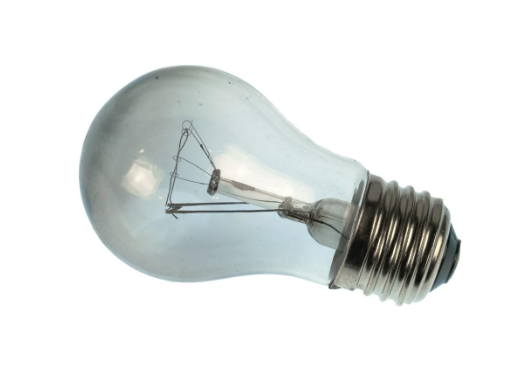
Photo from iStock - Credit: xphotoz
Common Fixture and Bulb Problems to Inspect
Start by inspecting the bulb and socket for visible damage or corrosion that interrupts contact. Look for loose bulbs that move when you gently twist them and check for darkening at the base that signals heat damage. If the fixture uses a transformer, driver, or ballast, listen for buzzing or intermittent noise that shows component failure. Replacing the bulb and testing the fixture with a known-good lamp can quickly isolate the problem to the fixture.
Examine recessed cans and ceiling fixtures for poor wire connections inside the housing that you can access after power is off at the breaker. Loose electrical wires, pushed-back conductors, or aluminum-to-copper splices without proper connectors can create intermittent contact and arcing. A loose neutral in a fixture often causes dimming or flickering when other loads change. If you see charring, melted insulation, or a burnt smell, stop and call a professional to avoid fire risk.
LED and CFL bulbs react differently to aging or incompatible dimmers, causing flickering lights that seem random but tie to electronics. Check whether the fixture has a dimmer and whether the replacement bulbs are rated for dimming circuits, mismatches create rapid flashing or pulsing. Some drivers in LED fixtures fail slowly, producing cycles of bright and dim before full failure. Swapping in a compatible bulb or bypassing a dimmer during a test helps confirm whether the fixture electronics cause the flicker.
Outlets and switches that share a circuit with a flickering fixture may also contribute to the problem. Loose terminal connections or deteriorating wiring inside switches and junction boxes can affect lighting performance. For help recognizing switch-related warning signs, read our guide on how to tell if your light switches need replacement. In homes near Castle Hayne and Wilmington, NC, an electrician can inspect aging connections and determine whether repairs or replacement are necessary. Electrical testing and internal wiring inspections should be left to a qualified electrician.
Wiring Issues That Cause Intermittent Light Failures
Intermittent failures often come from loose connections in junction boxes that hide behind walls and ceilings. A failing screw terminal or a pushed-back conductor can make contact only sometimes. During an inspection a professional will open boxes, check wirenut tightness, and test continuity through the conductors. If they find damaged insulation or signs of arcing, the repair typically involves replacing the damaged section and reterminating the conductors correctly.
Branch circuit wiring that uses mixed metals or old aluminum conductors may develop high-resistance joints that heat under load. An electrician will look for discoloration, brittle insulation, or stiff conductors during a visual inspection before testing. They commonly use a voltmeter to check for voltage drop while switching loads on and off, and a continuity test to confirm solid connections. For homeowners in Castle Hayne, NC this problem can show as lights that flicker when a dryer or air handler starts.
Shared neutral setups and multi-wire branch circuits can create flicker when the neutral connection becomes loose or corroded. Technicians diagnose this by measuring neutral-to-ground and neutral-to-hot voltages under different load conditions to spot imbalance. They also inspect the panel for a double-tapped neutral or an incorrectly landed conductor that can arc intermittently. Repair steps include correcting terminations, replacing damaged neutral conductors, and adding proper labeling at the panel.
Wiring that runs through junctions with poor connectors or aged cloth insulation poses an intermittent failure risk that worsens over time. Professionals may use an infrared camera to detect hotspots behind accessible panels or at large splices without invasive demolition. After locating the issue they will cut back to sound wire, install modern connectors, and secure the splice in a code-compliant junction box. If you notice a persistent smell of burning or see scorch marks, contact an electrician right away for a documented inspection and written report.
Circuit Overloads and Panel Problems to Watch
Circuit overloads often show as lights that dim whenever multiple appliances run on the same breaker, hinting at an overtaxed branch circuit. A homeowner might notice the kitchen lights dip when a microwave and dishwasher operate together, which suggests load sharing. An electrician will perform a load calculation and measure amperage at the breaker during typical use to confirm overload. If the panel contains full slots with no spare breakers, redistributing loads or adding circuits may be necessary to prevent repeated flickering lights.
- Tripped breakers that reset repeatedly indicate a persistent overload.
- Breaker handles that are warm to the touch require inspection.
- Double-tapped breakers create loose connections and must be fixed.
- Corroded bus bars cause resistance and visible arcing risks.
- Old fuse-based panels may need replacement for safety.
Problems inside the service panel can cause intermittent contact and arcing that lead to flashing or pulsating fixtures throughout the house. Technicians will remove the panel cover, visually inspect for discoloration or melted insulation, and use a voltmeter to compare hot-to-neutral and hot-to-ground voltages. They often check for loose neutrals and test breakers for consistent trip characteristics with a clamp meter under load.
A shared neutral or poor main bonding can create unpredictable flicker that affects multiple circuits at once and can damage electronics. An electrician will test neutral continuity, measure voltage under different load scenarios, and look for a neutral conductor that is loose at the service entrance or meter. If they find a loose neutral, correcting the termination and rechecking voltages usually restores stable power and ends the flickering lights. For homeowners in Castle Hayne, NC a prompt panel diagnosis reduces fire risk and prevents appliance damage.
How Voltage Fluctuations Lead to Flickering Lights
Voltage swings at the service entrance or along branch circuits change how much power reaches a fixture and cause flickering lights when the supply momentarily drops. These fluctuations can come from loose service connections, utility-side issues, or large motors and compressors that create brief voltage sags during startup. A professional will measure RMS voltage with a voltmeter during normal operation and while major loads start to confirm whether readings dip below expected limits. Recorded voltage traces help determine whether the problem is transient or sustained and guide the repair plan.
When voltage oscillates, sensitive electronics and LED drivers can cycle between bright and dim output, producing visible pulsing even if wiring appears intact. An electrician may use a clamp meter and voltmeter together to compare current draw and voltage under load across the circuit to find correlations. They can also inspect the service neutral and grounding conductor for signs of high resistance that magnify voltage swings across multiple circuits.
In some homes, a loose neutral at the panel or meter causes large voltage shifts between legs, creating severe flickering lights and risking appliance damage. Technicians perform voltage checks hot-to-neutral on each phase and under different load conditions to reveal imbalances that ordinary visual checks would miss. If the electrician finds a loose termination they will tighten or replace the conductor and then re-measure voltages to confirm stability. Homeowners in Castle Hayne, NC should treat repeated wide swings as a high-priority issue requiring immediate testing.
Diagnosing voltage-related flicker often includes temporary load tests where an electrician turns major appliances on and off while watching voltage traces and breaker behavior. They may use an infrared camera to spot overheating connections that coincide with voltage dips and use continuity testing to verify solid conductor paths. After confirming the fault, repairs can range from tightening service lugs to replacing worn breakers or reconfiguring circuits to reduce shared-loading effects. For properties in Wilmington, NC, scheduling a professional inspection ensures measurements, repairs, and follow-up testing restore steady voltage and end persistent flickering lights.
Identifying Hazard Signs That Require Immediate Action
Visible signs that demand immediate action include burning smells near fixtures, visible scorch marks, or melted insulation at outlets. These cues often mean arcing or overheating inside a junction box or panel connection. Turn off power at the breaker and avoid using the affected circuit until a professional inspects the wiring. A licensed electrician will make the situation safe before any further testing or repair.
Repeated breaker trips accompanied by buzzing sounds or warm breaker handles indicate dangerous connections or overloaded equipment. These symptoms suggest a connection that heats and cools, which raises fire risk over time. An electrician will remove the panel cover to look for discoloration, loose terminations, or signs of arcing near bus bars.
Sparks, pop noises, or visible arcs when switching lights on point to intermittent contact or damaged conductors inside switches or fixtures. Do not touch the switch or fixture after such an event because the hazard can persist. A technician will use a voltmeter and continuity checks to isolate the fault and then replace the damaged component or wiring. For homeowners in Castle Hayne, NC these events should trigger an urgent call for inspection to prevent escalation.
Large, sudden voltage swings that cause appliances to trip or motors to stall are red flags that require fast diagnosis. An electrician will perform under-load voltage measurements and may use an infrared camera to find overheated connections causing the swings. If the issue links to the service neutral or main lugs, repairs must happen quickly to protect electronics and safety. Properties in Wilmington, NC experiencing these severe symptoms should schedule a professional inspection right away.
When to Call a Professional for Flickering Lights
If flickering lights persist despite basic checks, schedule a professional inspection to locate hidden faults safely. A trained electrician can perform voltage tracing and continuity tests to confirm the fault location. They will also inspect junction boxes, breakers, and fixture connections for intermittent arcing or loose terminations. Prompt diagnosis prevents damage to appliances and reduces the chance of a developing fire hazard.
- Document when the flicker occurs.
- Note any smells, sounds, or visible damage.
- Turn off affected circuits if you smell burning.
- Keep a list of affected fixtures or outlets.
When complex panel issues are suspected, the electrician may record voltage traces during appliance startup and under normal load. They often use a clamp meter, voltmeter, and infrared camera to gather measurable evidence without invasive demolition. The technician will produce a written report with readings, photos, and recommended repairs for your records.
If repairs require replacing breakers, tightening service terminations, or reterminating neutrals, hire a licensed professional in Wilmington, NC for safe work. Scheduling the inspection sooner reduces risk to electronics and occupants. After repairs, a follow-up test confirms stable voltages and resolves lingering flickering lights.
Simple Fixes and Preventive Steps Homeowners Can Take
Homeowners can take a few simple steps to identify possible causes of flickering lights without handling electrical wiring. Start by checking accessible bulbs for looseness, visible damage, or signs of overheating. Turn off the light and allow the bulb to cool before adjusting or replacing it. If a fixture continues flickering after installing a compatible bulb, have an electrician inspect the socket and wiring. Burning smells, scorch marks, or unusual buzzing sounds require prompt professional attention.
Check whether your LED bulbs are compatible with existing dimmer switches. Using bulbs that are not designed for dimming can cause flashing, pulsing, or inconsistent brightness. Replacing an accessible bulb with a compatible model may resolve the issue. However, dimmer replacement and repairs involving hardwired fixtures should be handled by a qualified electrician. You can also visually inspect unplugged lamp cords for fraying, cracks, or other damage. Stop using any lamp with a damaged cord until it has been properly repaired or replaced.
Regular visual checks can help homeowners recognize potential electrical problems before they worsen. Look for discoloration, cracked covers, or signs of overheating around accessible outlets, switches, and the exterior of the electrical panel. Avoid removing covers or opening electrical enclosures to inspect internal wiring. For homes in Wilmington, NC, a licensed electrician can evaluate connections, inspect the panel, and perform appropriate electrical testing when warning signs appear. Keeping a record of flickering episodes can also help identify patterns.
Pay attention to whether lights flicker when major appliances start or when several devices operate simultaneously. Brief dimming may result from temporary increases in electrical demand, but repeated or widespread flickering warrants professional evaluation. Surge protectors can help protect compatible electronics against certain voltage surges, but they cannot correct faulty wiring or unstable electrical connections. Homeowners in Castle Hayne, NC, can prepare for an inspection by recording affected fixtures, unusual sounds, and visible damage. Sharing these observations helps an electrician identify possible causes and recommend appropriate repairs.