

Key Takeaways About Arc Fault Breakers
Arc fault breakers detect dangerous electrical arcing and cut power to reduce fire risk. This summary is for homeowners and property managers who notice trips, smells, or flickering and need quick guidance.
- Identify tripping patterns, smells, or visible outlet damage promptly.
- Prevent fires by replacing damaged wiring and poor terminations.
- Avoid repeated breaker resets when burning smells or charring appear.
- Spot nuisance trips by isolating appliances and documenting occurrences.
- Reduce risk with proper AFCI retrofits, panel checks, and tests.
- Plan inspections with a licensed electrician for diagnosis and repair.
Introduction
Homes with older wiring or frequent tripped breakers face a hidden risk: small electrical arcs that can start fires. Arc fault breakers reduce that risk by detecting dangerous arcing conditions before a fire can begin. Many homeowners mistake nuisance trips for harmless problems, but repeated arcing can char wiring and insulation. For properties in Conway, SC, recognizing the signs matters for older houses and recent remodels alike.
Modern circuits can develop arcing from loose connections, damaged cords, or half-attached wires inside junction boxes. An arc fault breaker listens for the electrical signature of arcing and interrupts power when it detects unsafe patterns. This protection is particularly relevant in bedrooms and living areas where fires often start undetected at night. Homeowners in Myrtle Beach, SC should pay attention when breakers trip without a clear appliance cause.
When an arc fault breaker trips it can look like a normal breaker trip, but the underlying problem differs from overloads or ground faults. Visible clues include burn marks at outlets, a persistent burning smell, or devices that flicker without obvious cause. A professional diagnosis will check connections, outlet condition, and circuit wiring for damage or loose terminations. Acting on those clues reduces the chance of an electrical fire and limits repair scope later.
Deciding whether to retrofit arc fault breakers into an existing panel depends on panel space, circuit layout, and local codes. Electricians use visual inspection, voltage readings, and continuity tests to confirm where arcing appears likely. The goal is to pinpoint problem circuits, replace damaged components, and recommend the right AFCI device. If you notice unexplained tripping or burning smells, contact a licensed electrician for full inspections.
What Arc Fault Breakers Are and How They Work
Arc fault breakers are special circuit breakers that detect dangerous electrical arcing and quickly cut power to prevent fires.
- They monitor current patterns for unintended arcs.
- They interrupt power faster than standard breakers.
- They protect wiring insulation from heat damage.
- They help prevent fires that start inside walls.
Inside, an arc fault breaker uses electronic sensors and algorithms to distinguish normal appliance switching from harmful arcing patterns. A common homeowner question is whether these breakers will trip for hair dryers or lights, they usually do not trip for normal appliance operation. Technicians test this by applying controlled arc simulations and reading trip logs to confirm the device responds to unsafe signatures. This diagnostic step helps avoid replacing breakers for nuisance trips without finding the underlying wiring fault.
The breaker watches for two main arc types: series arcs that occur along a single conductor and parallel arcs between hot and neutral. Series arcs often come from a loose connection or a broken conductor and cause intermittent power and flickering lights. Parallel arcs are usually higher energy and show up as a sudden, noisy event that can char insulation quickly. An electrician will inspect outlets, junction boxes, and the service panel while using a voltage reading and continuity tests to find where current flow is unstable.
When considering retrofit, homeowners often ask whether arc fault breakers require special wiring, most retrofit breakers work with existing branch circuits but need proper neutral connections. Older panels may lack the space or compatible neutrals, so an electrician might recommend a combination device or panel upgrade. Homes with mixed wiring types should have a professional verify compatibility before installing AFCIs. If you find burn marks, a persistent smell, or frequent unexplained trips, schedule a licensed electrician to perform a focused inspection and provide written recommendations.
Why Arc Faults Happen in Residential Wiring
Loose terminations at outlets and switches commonly start arcs when a conductor wiggles under load. A vibrating or half-tight screw can make contact intermittently, producing heat and tiny sparks that damage insulation over time. These small, repeated events may not trip a standard breaker until insulation fails and current paths change. Homeowners may notice occasional flicker or warmth at an outlet before visible damage appears.
Damaged cords and appliance plugs can also introduce series arcing that travels along a single conductor. Frayed insulation or pinch points inside walls create spots where current jumps small gaps as wires move. An inspector looks for scorch marks, melted sheathing, and abnormal voltage readings at outlets to confirm where the damage started.
Loose wire nuts or crowded junction boxes increase the chance of both series and parallel arcs when connections shift or overheat. Overfilled boxes make it harder for heat to dissipate, and a single bad splice can affect multiple circuits. A technician will open junction boxes, test continuity, and use a voltage reading to watch for unstable connections during load changes. Regular inspection can catch poor splices before they lead to sustained arcing and insulation failure.
Corrosion and moisture create conductive paths that change circuit behavior and can mimic arcing patterns. Corroded terminals raise resistance and cause localized heating under load, which can look like intermittent arcing to an arc fault breaker. Professionals use visual inspection, infrared camera scans, and clamp-on current measurements to locate hotspots and verify the source.
Mechanical damage from nails, staples, or drilling through framing can nick conductors and set up hidden arcing inside walls. These faults often show up as random trips or devices that stop working when touched or moved. An electrician diagnosing this will remove cover plates, trace the circuit, and perform continuity tests to isolate the damaged section. When a fault is confirmed, replacing the damaged run or rerouting the cable prevents recurring arc events.
Common Causes of Arc Faults and Electrical Fires
Overloaded or undersized wiring can cause repeated heating that degrades insulation and increases the chance of arcing down the line. Continuous high loads raise conductor temperature and weaken sheathing, creating tiny gaps where arcing can start. An electrician would check conductor ampacity and perform a load calculation to see if a circuit runs near its limit. If measurements show repeated overloads, upgrading the circuit or moving loads reduces stress on the wiring.
Rodent damage inside walls chews insulation and exposes conductors, which may lead to intermittent contact and arcing when animals move. Signs include small chew marks at entry points, droppings near outlets, or odd intermittent device behavior during night hours. A professional would inspect cavities, remove damaged cable, and replace affected runs while testing continuity to confirm clean connections. Repairing or rerouting the cable removes the recurring source of series arcs.
Poorly installed switches or dimmers with worn internal parts can arc when mechanical contacts degrade, especially under heavy load from lighting. Dimming circuits with older TRIAC-based dimmers sometimes produce electrical noise and partial conduction that mimics an arc signature. A technician will test the switch with a voltage reading and swap the control to confirm whether the device triggers the breaker. Replacing the worn device or installing an AFCI-compatible dimmer often stops nuisance tripping and reduces risk.
Shared neutrals or multi-wire branch circuits wired incorrectly can create parallel arcing conditions when loads are unbalanced, or neutrals are loose. These faults change current paths and can look like a high-energy arc to protective devices. During diagnosis, an electrician will trace the neutral, measure currents on each conductor with a clamp meter, and inspect the neutral termination at the panel. Correcting the wiring and tightening neutral connections prevents dangerous parallel arcs and helps arc fault breakers operate properly.
In older homes, degraded cable sheathing from age or previous repairs can hide intermittent faults that only show under certain loads or humidity conditions. Visual inspection sometimes misses internal damage, so professionals use insulation resistance testing and load stepping to provoke the fault safely.
Warning Signs of Arc Faults Every Homeowner Should Know
Listen for unusual popping, sizzling, or crackling noises from outlets or switches, as they can indicate arcing inside walls. Smells like burning plastic or hot insulation near an outlet require immediate attention from a licensed electrician. Look for small scorch marks, darkening, or melted plastic around receptacles that suggest repeated high-temperature events. If lights dim or flicker when you touch a device, note the exact conditions and avoid using that circuit until inspected.
- Frequent unexplained breaker trips
- Warm or discolored outlet covers
- Appliances that spark at the plug
- Intermittent power when devices move
Visible wire damage at cord plugs or appliance connections often precedes hidden wall faults and needs repair or replacement. A homeowner should shut off the circuit and remove the faceplate to check for loose screws or charred wires only if comfortable doing so. Photographs of damage and notes about when problems occur help the electrician diagnose the issue efficiently. In Conway, SC, homeowners with older remodel work should record these observations before scheduling a professional inspection.
An electrician diagnosing suspected arcing will use a voltage reading, continuity tests, and thermal imaging to find hotspots and loose terminations. They may perform load stepping to reproduce the fault safely and watch for changes in current or voltage that confirm unstable connections. Expect the technician to inspect the panel neutral connections, outlet terminations, and accessible junction boxes during the visit. For properties in Myrtle Beach, SC, coastal moisture may worsen terminal corrosion that the electrician will check during inspection.
If you smell burning or see damage, do not keep resetting the breaker repeatedly to restore power. Turn off the circuit at the main panel and call a licensed electrician to prevent escalation and possible fire. A qualified technician will provide a written finding and recommend repair, replacement, or AFCI retrofit based on test results. Keep children and pets away from the affected area until a professional confirms it is safe.
When to Call a Professional for Arc Fault Issues
If you notice repeated trips, call a licensed electrician in Myrtle Beach, SC to diagnose the panel and wiring. A professional will perform tests such as voltage readings, continuity checks, and load stepping to reproduce intermittent faults safely. They inspect junction boxes, outlet terminations, and the service panel neutral for loose or corroded connections. Do not try complex panel work yourself because improper handling raises fire and shock risks.
A technician will also use diagnostic tools like a thermal camera and clamp meter to find hotspots and abnormal currents that indicate arcing. They may remove device cover plates and test under load conditions to pinpoint which run or splice is failing. Expect the electrician to document findings with photos and measured readings to support repair decisions. This evidence helps determine whether a targeted repair, receptacle replacement, or circuit reroute is needed.
Call soon if you detect burning smells, visible charring, or if a breaker trips while nobody is using the circuit, since these signs suggest active arcing. For properties in Conway, SC, schedule an inspection promptly when those symptoms appear to avoid escalation and potential property damage. The pro might recommend replacing damaged cable runs, tightening terminations, or installing an AFCI where code or safety suggests. Follow their written recommendations and avoid resetting the breaker repeatedly until repairs are complete.
If troubleshooting points to nuisance trips without clear wiring damage, an electrician will test the arc fault breaker itself and check for incompatible devices. They can swap in a known-good AFCI or perform diagnostic resets and monitor trip logs to confirm device function. When retrofit work is required, the technician will review panel space and neutral compatibility before proposing options. Ask for a written quote and scope so you can compare repair approaches and timing.
Code Requirements and Retrofit Options for Homes
Local electrical codes now require arc fault breakers on many branch circuits in new construction and during substantial remodels. Electricians review the panel layout, circuit labeling, and neutral arrangements to determine which circuits need AFCI protection. They also verify that replacement devices match the panel bus and have compatible neutral pigtails when required. If your panel is full, the tech will outline upgrade or subpanel options to fit AFCI devices safely.
- Inspect panel space and bus compatibility.
- Check circuit neutrals for shared wiring.
- Test existing breakers for AFCI function.
- Recommend panel upgrades if necessary.
Retrofit choices include installing individual arc fault breakers, combination-type breakers, or replacing the service panel. A combination device covers both series and parallel arcs for broader protection in living spaces. The electrician will use voltage readings and continuity tests to confirm correct neutral connections before completing the retrofit. In some cases, a small subpanel preserves existing circuits while adding AFCI protection.
Permitting requirements vary, so expect an electrician to advise about local inspection and permit needs during the quote. For a homeowner in Conway, SC, the pro will note any municipal filing and inspection expectations before starting work. Professionals typically document their tests, photos, and readings for the permit and homeowner records. Keep those documents with your maintenance records for future resale or safety reviews.
When deciding, weigh the cost and disruption of a panel upgrade against the safety benefit of full AFCI coverage. A licensed electrician can provide a written scope showing which circuits get protection and why. Ask for diagnostic outputs like recorded voltage readings and photos of problematic terminations. Scheduling a focused inspection through a licensed electrician starts the process and provides clear next steps.
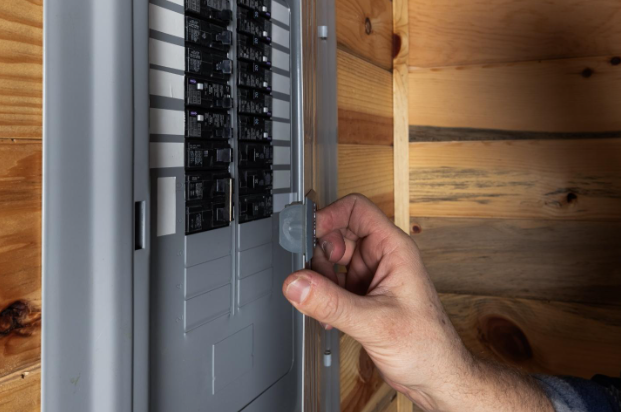
Photo from iStock - Credit: Charles Wollertz
Preventive Maintenance and Safety Best Practices
Establish a regular inspection schedule for circuits that matter most, such as bedrooms and living areas, and keep records of checks. During an inspection, note any intermittent behavior, smells, or warm devices and record photos for the electrician. Replace worn receptacles and switches proactively when covers or screws appear loose to reduce the chance of loose-terminals starting an arc. A written log of maintenance helps professionals trace recurring issues during their diagnostic process.
Test AFCI devices monthly using the breaker or receptacle test button and note any trips or failures in your log for further review. If a breaker fails the built-in test, schedule a professional test that includes voltage readings and continuity checks to confirm device function. Keep replacement parts on hand such as properly rated receptacles and wire connectors for simple repairs done by a licensed electrician. Label circuits clearly at the panel to speed diagnosis when a pro arrives.
Control environmental risks by keeping junction boxes and outlets dry and free of dust that can conduct or insulate heat irregularly, which may mimic arcing symptoms. Inspect garages and crawlspaces for signs of moisture or corrosion and have a pro address these conditions before they cause terminal degradation. For a property in Conway, SC, coastal humidity can accelerate wear in outdoor circuits, so schedule more frequent checks. Proper sealing of outdoor enclosures prevents moisture-related problems from progressing into arcing conditions.
When planning renovations, include arc fault protection in the project scope and ask the electrician for documented voltage and continuity checks on modified circuits. Require professionals to verify neutral connections and provide test outputs, such as measured readings and photographs, to keep with your maintenance records. If you suspect worsening symptoms after a change, stop using that circuit and contact an electrician promptly rather than resetting breakers repeatedly. Regular preventive maintenance and clear communication with your electrician reduce long-term risk for homes in Myrtle Beach, SC.