
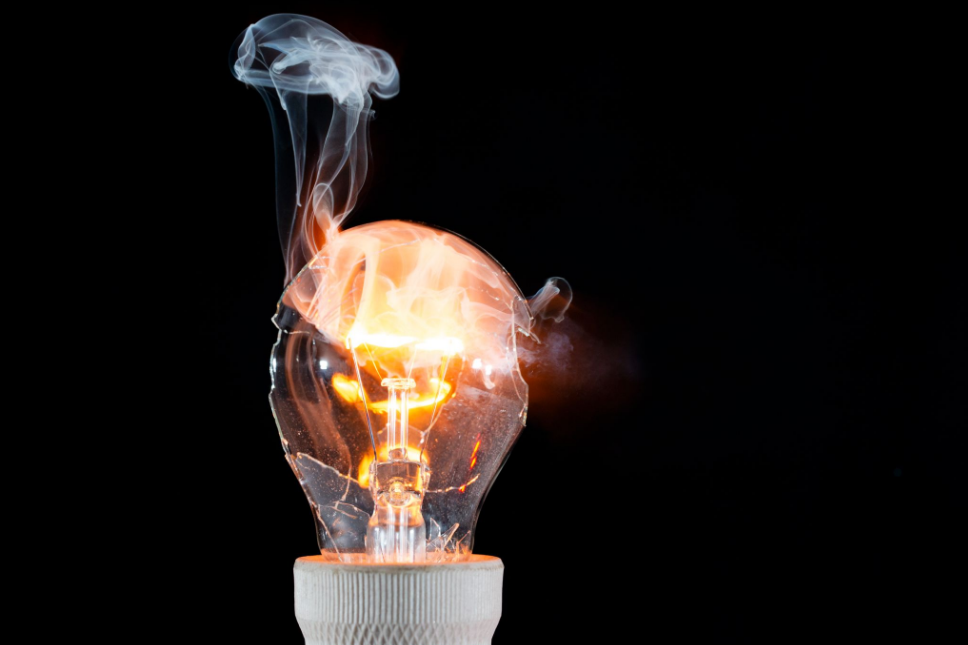
Overheating smart bulbs can create serious safety problems inside modern homes. Many homeowners ignore small warning signs until larger electrical issues appear. Smart lighting systems offer convenience, yet they also require safe electrical performance. Overheating smart bulbs should always receive immediate professional attention.
Smart bulbs contain advanced electronic parts that naturally produce heat during operation. However, poor airflow and electrical problems can increase temperatures quickly. As a result, excessive heat may damage fixtures, wiring, and connected devices. Homes with older electrical systems often face greater risks from smart lighting demands.
Many families in Conway, SC continue adding smart technology throughout their homes each year. Likewise, homeowners in Myrtle Beach, SC often upgrade lighting systems for comfort and convenience. Coastal humidity and seasonal heat can place additional strain on electrical components. Therefore, regular inspections become important for long-term smart home safety.
Ignoring overheating smart bulbs may lead to expensive repairs and dangerous electrical hazards. Flickering lights, unusual warmth, and buzzing sounds often signal developing problems. Professional electricians can identify unsafe conditions before severe damage occurs. Early electrical service helps homeowners protect both their property and their smart lighting systems.
Common Causes of Overheating Smart Bulbs
- Poor Ventilation Around Fixtures
Smart bulbs generate heat during normal operation, and enclosed fixtures can trap that heat inside. Without proper airflow, temperatures rise quickly and place stress on internal electronic components. Over time, trapped heat may damage both the bulb and the surrounding fixture. Proper ventilation helps smart bulbs operate safely and efficiently. - Incompatible Dimmer Switches
Many older dimmer switches were not designed for modern smart bulb technology. When incompatible dimmers control smart bulbs, they may send unstable electrical signals through the lighting system. This can cause flickering, buzzing sounds, and excessive heat buildup during use. Professional electricians can determine whether dimmers are compatible with smart lighting systems. - Overloaded Electrical Circuits
Smart homes often use multiple connected devices that increase overall electrical demand. When too many devices share the same circuit, wiring and fixtures may overheat under the strain. Overloaded circuits can affect smart bulb performance and increase electrical safety risks. Routine electrical inspections help identify overloaded systems before damage develops. - Low-Quality Smart Bulbs
Some inexpensive smart bulbs contain lower-quality internal components that cannot manage heat effectively. Poor manufacturing standards may lead to overheating, unstable performance, and shorter bulb lifespan. These bulbs may fail more quickly or create hidden electrical hazards inside the home. Choosing reliable products helps improve safety and long-term performance. - Manufacturing Defects
Even high-tech smart bulbs may contain hidden factory defects that affect heat regulation. Faulty internal wiring or damaged components can cause bulbs to overheat unexpectedly during operation. In some cases, overheating may occur shortly after installation. Professional electricians can inspect lighting systems when unusual performance issues appear. - Improper Installation
Loose wiring connections and incorrect fixture setups often contribute to overheating smart bulbs. Improper installation may create resistance inside electrical connections, which generates additional heat over time. Incorrect bulb wattage can also place extra stress on fixtures and wiring systems. Licensed electricians help ensure smart lighting systems are installed safely and correctly. - Outdated Electrical Systems
Older homes may not support the electrical demands of modern smart home technology. Aging wiring, outdated panels, and worn electrical components can struggle to handle connected lighting systems. As a result, smart bulbs may overheat due to unstable electrical performance. Electrical upgrades often improve both safety and reliability.
- Coastal Humidity and Environmental Conditions
Homes in coastal areas like Myrtle Beach, SC often experience high humidity and salt air exposure. Moisture and corrosion may gradually affect wiring, fixtures, and electrical connections over time. These environmental factors can increase resistance within the system and contribute to overheating issues. Seasonal maintenance helps protect smart lighting systems from climate-related damage.
Electrical Hazards Linked to Overheating Smart Bulbs
Overheating smart bulbs may create dangerous electrical hazards throughout a home's lighting system. Excessive heat can weaken wiring connections and damage nearby electrical components over time. As wiring insulation deteriorates, electrical performance often becomes less stable and reliable. Small issues may quickly develop into larger and more expensive electrical problems.
Damaged wiring insulation may expose electrical conductors inside light fixtures and wall connections. Exposed wires increase the chance of sparks, electrical shorts, and unexpected power interruptions. In some situations, overheating may also damage outlets and circuit breakers connected to lighting systems. Professional electricians can inspect these hidden dangers before severe system failure occurs.
Short circuits remain another serious concern connected to overheating smart bulbs in residential properties. Electrical currents may flow improperly when overheating affects fixture connections or internal bulb components. Consequently, homeowners sometimes notice flickering lights, buzzing sounds, or breakers that trip repeatedly. These warning signs should never be ignored because they often indicate unsafe electrical conditions.
Homes in Conway, SC and Myrtle Beach, SC may experience additional electrical strain during warmer months. Increased cooling demands often place more pressure on household electrical systems throughout the summer season. Combined with overheating lighting fixtures, these conditions may increase overall electrical safety risks. Routine inspections and professional electrical maintenance help homeowners reduce potential hazards and improve system reliability.

Photo from iStock - Credit: koyu
Fire Risks Hidden Inside Smart Lighting Systems
Overheating smart bulbs may increase the risk of electrical fires inside residential properties. Excessive heat can ignite nearby materials when lighting fixtures become dangerously hot during operation. Curtains, insulation, and decorative materials sometimes sit too close to overheated fixtures. Therefore, small lighting problems may quickly become serious household safety concerns.
Enclosed lighting fixtures often trap heat and limit airflow around smart bulbs and wiring. Without proper ventilation, temperatures may rise beyond safe operating levels during daily use. This added heat can weaken fixture materials and damage surrounding electrical components over time. Professional inspections help identify fixtures that create unsafe heat buildup conditions.
Neglected electrical systems may also contribute to higher fire risks connected to smart lighting technology. Loose wiring, outdated panels, and overloaded circuits often create additional strain on electrical systems. As a result, overheating smart bulbs may place even more pressure on already weakened electrical connections. Homes with older wiring systems frequently require professional electrical evaluations for improved safety.
Many homeowners in Conway, SC schedule electrical inspections before summer temperatures begin rising significantly. Likewise, residents in Myrtle Beach, SC often prepare their homes for increased cooling and electrical demands. Seasonal maintenance helps electricians detect hidden hazards before larger problems develop inside lighting systems. Early professional service reduces fire risks and supports safer smart home performance throughout the year.
Reduced Lifespan and Performance Problems
Overheating smart bulbs often experience shorter lifespans than properly functioning lighting products. Excessive heat places continuous stress on internal electronic components during normal daily operation. Over time, this strain may weaken the bulb's ability to perform efficiently and consistently. Consequently, homeowners may replace smart bulbs far more often than expected.
Performance problems frequently appear before smart bulbs stop working completely inside residential lighting systems. Many homeowners notice dim lighting, delayed responses, or inconsistent brightness levels throughout the home. In some cases, bulbs disconnect from smart home applications without warning during operation. These issues often signal overheating conditions developing within the lighting system.
Flickering lights and sudden shutoffs may also indicate overheating smart bulbs inside connected fixtures. Excess heat can interfere with wireless communication features and automated lighting schedules. As a result, smart home systems may become less dependable and more frustrating for homeowners. Professional electricians can inspect these problems and identify unsafe electrical conditions quickly.
Homeowners in Conway, SC and Myrtle Beach, SC often rely on smart lighting for comfort and convenience. However, repeated bulb failures may increase replacement costs and reduce overall system efficiency over time. Routine electrical inspections help detect overheating issues before extensive damage affects connected smart devices. Preventive maintenance also supports safer and longer-lasting smart lighting performance throughout the home.
How Improper Installation Contributes to Overheating
Improper installation often plays a major role in overheating smart bulbs inside residential properties. Loose electrical connections may generate excess heat behind fixtures and inside junction boxes. Over time, these hidden problems can damage lighting systems and increase electrical safety concerns. Professional installation helps reduce these risks and supports reliable smart lighting performance.
Incorrect bulb wattage may also create overheating problems within smart lighting fixtures and connected systems. Some homeowners accidentally install bulbs that exceed fixture recommendations or electrical limits. This mistake may place additional strain on wiring, switches, and fixture components during operation. Licensed electricians can verify proper compatibility before installation begins.
Incompatible hardware sometimes contributes to overheating smart bulbs and reduced system efficiency throughout the home. Older fixtures may not support advanced smart bulb technology or modern electrical requirements safely. Consequently, lighting systems may experience flickering, buzzing, or excessive heat buildup over time. Electrical professionals can recommend safer fixture upgrades for improved long-term performance.
Many homeowners in Conway, SC and Myrtle Beach, SC install smart lighting while upgrading home technology systems. However, hidden installation mistakes may remain unnoticed until electrical problems begin developing later. Routine inspections help identify unsafe wiring conditions and poorly connected lighting components early. Professional electrical service supports safer installations and more dependable smart home operation.
Smart Home Systems and Circuit Overload Concerns
Modern smart homes often depend on multiple connected devices running throughout the day and night. Smart lighting, entertainment systems, and appliances all increase household electrical demand over time. As more devices connect to the same circuits, electrical systems may become overloaded more easily. Overheating smart bulbs sometimes develop when circuits struggle to support growing power demands.
Older electrical panels may have difficulty handling advanced smart technology found in modern homes today. Many outdated systems were not designed for large numbers of connected electronic devices. Consequently, circuits may experience overheating, breaker trips, and unstable electrical performance during peak usage periods. Professional electricians can evaluate whether existing panels safely support smart home systems.
Overloaded circuits may also affect lighting consistency and smart bulb communication throughout the home. Homeowners sometimes notice delayed responses, flickering lights, or devices disconnecting unexpectedly from automation systems. These issues often signal underlying electrical strain affecting the entire smart lighting network. Routine inspections help identify overloaded circuits before serious electrical hazards develop.
Homes in Conway, SC and Myrtle Beach, SC continue adopting smart technology for convenience and energy efficiency. However, older properties may require electrical upgrades to safely support increased system demands. Electrical professionals can recommend panel improvements, circuit updates, and safer wiring solutions for long-term reliability. Preventive electrical service helps homeowners maintain safer and more dependable smart home performance.
Warning Signs Your Smart Bulbs May Be Overheating
- Bulbs Feel Extremely Hot to the Touch
Smart bulbs naturally produce some heat during operation, but excessive heat is a warning sign. If a bulb becomes too hot after short periods of use, hidden electrical problems may exist. Poor ventilation, overloaded circuits, or incompatible fixtures often contribute to this issue. Professional inspections help identify the source of dangerous heat buildup. - Flickering or Dimming Lights
Flickering smart bulbs often signal overheating or unstable electrical performance within the lighting system. Excess heat may interfere with internal electronic components and power regulation. Some homeowners notice random dimming or brightness changes throughout the day. These symptoms should never be ignored because they may indicate developing electrical hazards. - Buzzing or Humming Sounds
Unusual buzzing noises near light fixtures can point to overheating smart bulbs or faulty electrical connections. Incompatible dimmer switches and loose wiring commonly create these sounds during operation. Over time, electrical strain may increase and damage nearby components. Licensed electricians can inspect buzzing fixtures before conditions worsen. - Burning Smells Near Fixtures
A burning odor around lighting fixtures often indicates overheating wires, insulation, or bulb components. Heat damage may affect fixture materials and nearby electrical connections inside walls or ceilings. This warning sign requires immediate professional attention to reduce fire risks. Homeowners should turn off affected fixtures until inspections are completed. - Frequent Bulb Failure
Smart bulbs that fail repeatedly may be overheating during regular use. Excessive heat can shorten bulb lifespan and weaken sensitive electronic parts over time. Replacing bulbs repeatedly without solving the underlying problem may lead to larger electrical issues later. Professional troubleshooting helps identify the cause of repeated failures. - Discoloration Around Fixtures
Brown marks, dark stains, or melted materials near light fixtures may signal dangerous heat exposure. Overheating smart bulbs can slowly damage surrounding surfaces and fixture components. These visible signs often appear after prolonged heat buildup inside enclosed fixtures. Early electrical service helps prevent further damage and safety risks. - Smart Home Connectivity Problems
Overheating may interfere with wireless communication between smart bulbs and automation systems. Some bulbs disconnect unexpectedly or stop responding to mobile applications and voice controls. Heat stress can affect internal processors and communication chips inside the bulb. Electrical inspections help determine whether overheating is causing system interruptions. - Circuit Breakers Trip Frequently
Repeated breaker trips may indicate overloaded circuits connected to overheating smart bulbs and other smart devices. Excessive electrical demand can place strain on wiring and panel components during daily operation. Ignoring frequent breaker trips may increase the risk of electrical damage or fire hazards. Professional electricians can inspect circuits and recommend safer electrical solutions.
Seasonal Heat and Coastal Climate Effects on Smart Bulbs
Seasonal weather conditions may increase the risk of overheating smart bulbs inside coastal homes. High summer temperatures often raise indoor heat levels throughout attics, ceilings, and enclosed fixtures. As indoor temperatures climb, smart lighting systems may struggle to release excess heat efficiently. Consequently, electrical components may experience additional strain during extended daily operation.
Homes in Myrtle Beach, SC frequently experience high humidity levels during the warmer months each year. Moisture in the air may gradually affect electrical connections, fixtures, and smart lighting components over time. Coastal salt air can also contribute to corrosion around wiring and fixture hardware. These environmental conditions sometimes reduce electrical performance and increase overheating concerns.
Poor attic ventilation may also affect ceiling fixtures connected to smart lighting systems throughout the home. Heat trapped above living spaces often transfers into lighting fixtures and nearby electrical wiring. As a result, overheating smart bulbs may become more common during the hottest parts of the summer season. Routine inspections help identify ventilation concerns before electrical damage develops.
Homeowners in Conway, SC often prepare electrical systems for rising seasonal energy demands each summer. Increased air conditioning use may place additional pressure on household circuits and connected smart devices. Professional electrical maintenance helps improve airflow, inspect fixtures, and support safer lighting performance. Seasonal service also helps homeowners reduce hidden electrical risks associated with overheating smart bulbs.
Preventive Maintenance for Safer Smart Lighting
Preventive maintenance helps reduce the risks connected to overheating smart bulbs in modern homes. Routine inspections allow electricians to identify hidden electrical problems before serious damage develops. Early maintenance also supports better lighting performance and improved system reliability throughout the property. Homeowners benefit from safer smart home operation when electrical systems receive regular professional attention.
Proper fixture ventilation plays an important role in preventing excessive heat around smart lighting systems. Enclosed fixtures without airflow may trap heat and place stress on sensitive bulb components. Electricians can recommend safer fixture options designed for smart bulb compatibility and efficient cooling. Improved ventilation often helps extend bulb lifespan and reduce overheating concerns.
Using manufacturer-approved bulbs and accessories also supports safer smart lighting system performance over time. Some third-party devices may not work properly with existing fixtures, dimmers, or automation systems. Incompatible products sometimes create flickering, overheating, and unstable electrical performance throughout the home. Professional electricians can verify that lighting components safely operate together.
Homeowners in Conway, SC and Myrtle Beach, SC often schedule routine electrical inspections before peak summer temperatures arrive. Seasonal maintenance helps electricians inspect wiring, fixtures, and overloaded circuits connected to smart lighting systems. Regular service may reduce repair costs while improving electrical safety and long-term system performance. Preventive maintenance remains one of the best ways to address overheating smart bulbs early.
Professional Electrical Services for Overheating Smart Bulbs
Professional electrical services in Myrtle Beach, SC help homeowners address overheating smart bulbs safely and effectively. Licensed electricians understand how smart lighting systems interact with residential electrical components each day. Detailed inspections allow professionals to identify hidden hazards before larger safety problems develop. Early electrical service often improves both system performance and household safety.
Electricians use specialized testing equipment to inspect fixtures, wiring, and overloaded electrical circuits carefully. These evaluations help detect loose connections, damaged wiring, and incompatible smart lighting components. In some cases, electricians may recommend updated fixtures or safer circuit configurations for improved reliability. Professional troubleshooting helps homeowners avoid recurring overheating problems and unnecessary electrical strain.
Electrical panel inspections also play an important role in supporting safe smart home technology operation. Older panels sometimes struggle to manage modern lighting systems and increased household electrical demands effectively. As a result, overheating smart bulbs may continue developing until larger electrical upgrades are completed. Professional electrical evaluations help determine whether homes require updated panels or additional circuit support.
Homeowners in Conway, SC often rely on professional electricians like Mister Sparky of Myrtle Beach, SC for long-term smart lighting safety. Routine inspections and maintenance help protect homes from hidden electrical hazards and unexpected system failures. Skilled electrical service also supports reliable automation performance and improved energy efficiency throughout the property. Professional solutions from Mister Sparky of Myrtle Beach, SC remain essential for safer and more dependable smart home performance.
Protecting Your Home from Smart Lighting Dangers
Overheating smart bulbs may create hidden safety risks that many homeowners overlook every day. Excess heat can damage wiring, reduce bulb lifespan, and increase the chance of electrical fires indoors. Small warning signs often develop slowly before major electrical problems become visible throughout the home. Therefore, homeowners should never ignore unusual lighting behavior or overheating fixtures.
Routine inspections help identify unsafe electrical conditions connected to smart lighting systems before damage spreads. Licensed electricians can inspect wiring, fixtures, and overloaded circuits affecting overall lighting performance and safety. Professional evaluations also help homeowners detect compatibility issues with dimmers, fixtures, and smart home devices. Early electrical maintenance often prevents expensive repairs and unexpected system failures later.
Homes in Conway, SC and Myrtle Beach, SC may experience additional electrical strain during hotter seasons each year. Coastal humidity, increased cooling demands, and poor ventilation sometimes intensify overheating concerns inside residential properties. Seasonal maintenance allows electricians to address these environmental challenges before safety risks increase significantly. Preventive service helps homeowners maintain safer and more reliable smart lighting systems year-round.
Understanding the hidden dangers behind overheating smart bulbs helps homeowners make smarter electrical safety decisions. Professional electrical services from Mister Sparky of Myrtle Beach, SC provide long-term solutions that improve performance, reliability, and household protection. Consistent maintenance also supports safer smart home technology as electrical demands continue growing over time. Overheating smart bulbs should always receive prompt professional attention to protect both homes and families.