

Why do power outages happen in Conway, SC? Discover the surprising causes of electrical service interruptions, key safety concerns, and how homeowners can stay prepared.
Introduction:
Electrical service interruptions affect daily life and household routines. Conway homeowners may experience temporary outages due to weather events, infrastructure challenges, or unexpected incidents. Even brief service disruptions can impact comfort, communication, and essential home systems. Understanding the causes helps families respond with greater confidence.
Conway experiences several conditions that can affect electrical reliability. South Carolina faces seasonal storms, heavy rain, and strong winds. These weather events can place stress on local electrical systems. As a result, some neighborhoods may experience temporary service disruptions.
Local infrastructure also plays an important role in power delivery. Utility equipment works hard to serve growing communities. Over time, equipment may require maintenance, upgrades, or repairs. Meanwhile, unexpected events can sometimes affect electrical service.
Residents benefit from learning how outages occur and what to expect. This knowledge supports better planning before severe weather arrives. By understanding these risks, residents can better prepare for electrical service interruptions and respond more effectively when outages occur.
How South Carolina's Weather Affects Electrical Reliability
Weather is one of the most common factors behind power disruptions in Conway. South Carolina experiences a variety of seasonal conditions that can affect electrical infrastructure. From summer thunderstorms to tropical systems, changing weather patterns can place significant stress on power equipment. Understanding these risks helps families stay informed and prepared.
- Thunderstorms can produce lightning strikes that damage electrical equipment and utility lines.
- Strong winds may bring down tree limbs that interfere with overhead power lines.
- Heavy rainfall can contribute to localized flooding that affects electrical infrastructure.
- Tropical storms and hurricanes can cause widespread outages across affected areas.
- Seasonal weather changes can increase strain on utility systems and restoration efforts.
- Severe weather may create safety hazards that require careful response from utility crews.
Because weather conditions can develop quickly, power disruptions are sometimes unavoidable. However, understanding how environmental factors affect electrical reliability allows homeowners to better prepare for potential outages. Next, we will explore the infrastructure challenges that can also contribute to electrical service interruptions.
Common Infrastructure Challenges Behind Electrical Service Interruptions
While severe weather is a common cause of outages, infrastructure-related issues can also affect electrical reliability. Power delivery depends on a network of equipment working together to serve homes and businesses. As electrical systems age and communities grow, occasional challenges may arise. Understanding these factors can help families better understand why service disruptions sometimes occur.
Aging Utility Equipment
- Electrical equipment experiences normal wear over time.
- Transformers and power lines may require maintenance or replacement.
- Environmental exposure can affect long-term equipment performance.
- Utility providers routinely inspect infrastructure to support reliability.
Growing Demand on Electrical Systems
- Expanding communities increase the demand for electricity.
- Higher energy usage can place additional strain on electrical networks.
- Utilities may upgrade equipment to meet changing needs.
- System improvements help support long-term service reliability.
Equipment Failures and Unexpected Issues
- Mechanical failures can occasionally occur without warning.
- Damaged components may affect service in specific areas.
- Utility crews work to identify and address issues safely.
- Restoration efforts often begin once the source of the problem is located.
Planned Maintenance and System Upgrades
- Routine maintenance helps reduce the risk of future outages.
- Infrastructure improvements can strengthen the electrical grid.
- Some projects may require temporary service interruptions.
- Upgrades help support safe and dependable power delivery.
Although utilities work continuously to maintain and improve electrical infrastructure, occasional disruptions may still occur. Understanding the role of equipment, maintenance, and system demand provides valuable insight into electrical reliability. Next, we will explore how severe storm damage can directly affect power systems and restoration efforts.
Electrical Service Interruptions Caused by Severe Storm Damage
Severe weather is one of the leading causes of power disruptions in Conway. Strong storms can damage electrical infrastructure and create hazardous conditions that affect power delivery. South Carolina's climate brings thunderstorms, heavy rain, high winds, and occasional tropical systems that may impact local communities. These weather events can result in electrical service interruptions that require extensive restoration efforts.
High Winds and Falling Trees
- Strong wind gusts can damage overhead power lines.
- Falling trees and large branches may bring down electrical equipment.
- Storm debris can interfere with power delivery systems.
- Utility crews often clear hazards before repairs begin.
Lightning Strikes and Electrical Equipment Damage
- Lightning can damage transformers and other utility equipment.
- Power surges may occur during severe thunderstorms.
- Electrical systems are designed to help minimize storm-related risks.
- Damaged equipment may require repair or replacement before service returns.
Heavy Rain and Flooding Concerns
- Excessive rainfall can affect certain electrical components.
- Flooded areas may limit access for repair crews.
- Wet conditions can create additional safety concerns during restoration.
- Utilities follow safety procedures before re-energizing affected systems.
Widespread Storm Impacts
- Tropical storms and hurricanes can affect large service areas.
- Multiple damaged locations may require coordinated repair efforts.
- Restoration priorities focus on public safety and critical infrastructure.
- Service may return in stages as repairs are completed.
Storm-related outages can vary in severity depending on weather conditions and the extent of infrastructure damage. While utility providers work to restore power as safely and efficiently as possible, restoration times can differ from one event to another. Next, we will examine how tree growth near utility lines can contribute to electrical service interruptions.
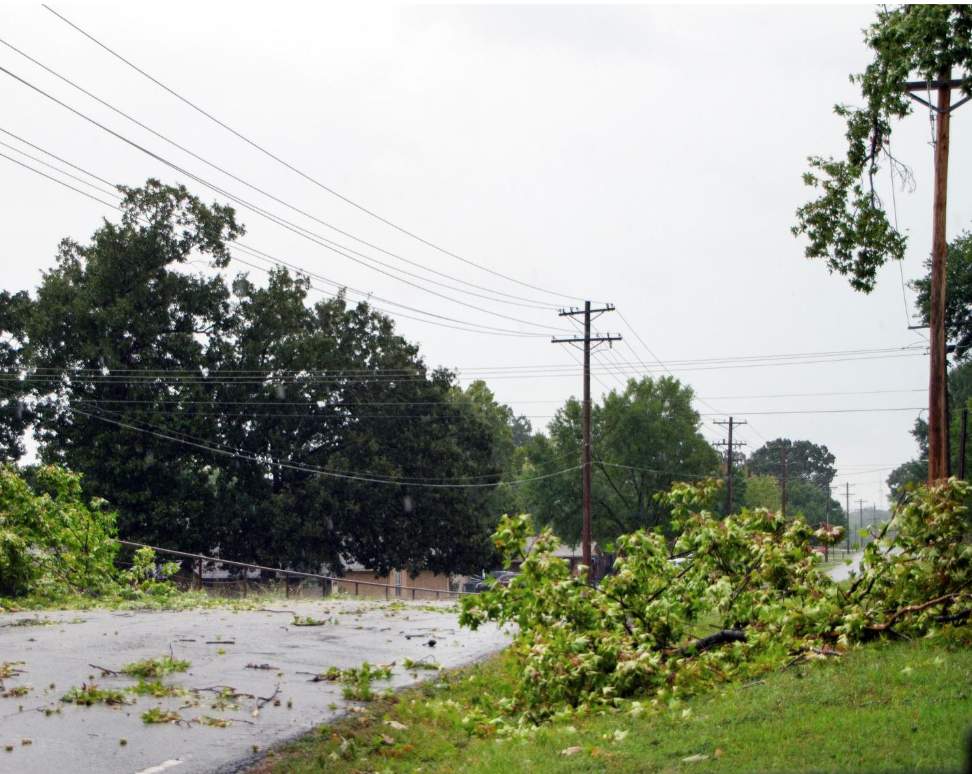
Photo from iStock - Credit: HappyTam27
The Impact of Tree Growth Near Utility Lines
Trees contribute to the beauty of Conway's landscape, but they can also affect electrical reliability when branches grow too close to utility lines. During periods of strong wind or severe weather, overgrown vegetation may come into contact with electrical equipment. This contact can interfere with power delivery and increase the likelihood of outages. As a result, vegetation management remains an important part of maintaining a reliable electrical system.
Throughout South Carolina, trees and shrubs continue to grow throughout the year. Without proper clearance, branches may create challenges for overhead power lines, especially during storms. Heavy rain, saturated soil, and strong wind gusts can also increase the risk of falling limbs or uprooted trees. These conditions can lead to localized or widespread power disruptions.
Utility providers routinely monitor vegetation near electrical infrastructure to help reduce potential risks. Trimming programs and maintenance efforts support safer operation of the electrical grid. These proactive measures help minimize service interruptions while protecting critical equipment. However, severe weather can still create unexpected situations that affect power delivery.
Tree-related outages demonstrate how natural environmental factors can influence electrical reliability. Understanding this connection helps local residents recognize why vegetation management is an important part of outage prevention. While trees are a common cause of disruptions, they are not the only unexpected factor that can affect service. Next, we will explore several less common causes of electrical service interruptions.
Wildlife and Other Unexpected Causes of Power Disruptions
Not all outages are caused by storms, aging equipment, or vegetation. In some cases, unexpected events can interfere with electrical systems and temporarily affect power delivery. While these situations may be less common, they can still contribute to electrical service interruptions in Conway. Understanding these possibilities provides a more complete picture of how outages occur.
Wildlife occasionally interacts with electrical equipment, especially in areas where animals have access to utility infrastructure. Birds, squirrels, and other animals can unintentionally interfere with components that help distribute electricity. When this happens, protective systems may activate to prevent further damage. These safeguards help protect both electrical equipment and public safety.
Other unexpected causes of power disruptions may include:
- Vehicle accidents that damage utility poles or electrical equipment.
- Construction activities that affect underground or overhead utility lines.
- Equipment damage resulting from external impacts.
- Public safety incidents that require temporary service interruptions.
- Emergency situations that require utilities to isolate affected areas before repairs begin.
Because electrical systems operate across large service areas, a variety of factors can influence reliability. Many outages result from circumstances that are difficult to predict or prevent completely. Understanding these less common causes helps property owners appreciate the complexity of modern power networks. Next, we will examine why electrical service interruptions may affect homes differently from one neighborhood to another.
Why Electrical Service Interruptions Affect Homes Differently
Electricity outages do not always affect every home in the same way. Some residents may experience a disruption while nearby properties continue to receive electricity. This variation often depends on how the local electrical grid is designed and where damage or equipment issues occur. Understanding these differences can help property owners better interpret outage situations.
Electrical systems are divided into multiple service areas that help distribute power efficiently. When a problem occurs within a specific section of the grid, only the customers connected to that area may be affected. In contrast, larger infrastructure issues can impact multiple neighborhoods at once. The location and severity of the problem often determine the scope of an outage.
Restoration efforts can also vary depending on the number of customers affected and the type of repairs required. Utility providers typically follow established procedures to restore power safely and efficiently. Critical infrastructure and areas serving larger numbers of customers may be addressed first. This approach helps restore service to the greatest number of people as quickly as possible.
Because every outage presents unique circumstances, restoration timelines can differ from one location to another. Factors such as equipment damage, weather conditions, and accessibility may influence repair efforts. Understanding why outages affect homes differently can help set realistic expectations during service interruptions. Next, we will review important safety considerations to keep in mind during a power outage.
Safety Considerations During Power Outage
Power outages can create challenges that extend beyond the temporary loss of electricity. Understanding how to respond safely during an outage can help protect both people and property. While utility providers work to restore service, local residents should remain aware of potential hazards. Taking sensible precautions can help reduce risks until power is restored.
One of the most important safety considerations involves staying away from downed power lines. Damaged electrical equipment should always be treated as energized and dangerous. Residents should avoid approaching affected areas and report hazards to the appropriate authorities. Maintaining a safe distance helps prevent accidental injuries.
Residents should also be mindful of electrical devices when service is restored. Power fluctuations sometimes occur as systems return to normal operation. Sensitive electronics may benefit from whole house surge protectors to help reduce the risk of damage. It is also important to follow manufacturer recommendations for electronic equipment after an outage.
Preparation and awareness can make power disruptions easier to manage. Having an emergency plan and staying informed about local conditions can improve safety during unexpected events. Home residents looking for additional information can review our guide on reliable emergency power solutions in Conway for helpful insights on maintaining power and improving household preparedness. Understanding these precautions helps homeowners respond confidently when outages occur. Next, we will explore practical ways to prepare a home before a service interruption happens.
Preparing Your Home Before an Outage Occurs
Preparing for a power outage can help reduce stress when unexpected disruptions occur. While no one can predict exactly when an outage will happen, planning ahead can improve comfort and safety. Property owners who understand potential risks are often better equipped to manage temporary service interruptions. A proactive approach can make a significant difference during severe weather or other emergency situations.
Creating an emergency preparedness plan is an important first step. Families may benefit from identifying communication methods, gathering essential supplies, and staying informed about local weather conditions. Keeping important devices charged during severe weather events can also support readiness. These simple measures can help households remain prepared when power is unavailable.
Protecting a home's electrical system is another important consideration. Power fluctuations and surges sometimes occur before, during, or after service interruptions. Professional electrical solutions may help reduce potential risks to appliances and electronics. Understanding available protection options allows property owners to make informed decisions about their property's electrical safety.
Preparation can help families respond more confidently when outages occur. Taking steps before severe weather or unexpected events arise supports both safety and convenience. For additional information, household members can explore our guide, storm preparedness starts with backup power systems to learn more about maintaining reliable power during challenging conditions. Although outages cannot always be prevented, planning ahead can help minimize their impact. Next, we will discuss what homeowners can expect during the power restoration process.
What to Expect During Power Restoration
After an outage occurs, utility providers follow a structured process to restore power safely and efficiently. Restoration efforts begin with assessing the extent of the damage and identifying affected areas. Crews must determine the cause of the outage before repairs can begin. This careful approach helps ensure that electrical systems can be restored safely.
Public safety remains a top priority throughout the restoration process. Utility crews inspect damaged equipment, power lines, and other infrastructure before re-energizing the system. In some cases, repairs must be completed in multiple locations before service can return. Weather conditions and accessibility may also influence the pace of restoration efforts.
Power is often restored in stages rather than all at once. Utilities typically focus first on repairing major infrastructure that serves the largest number of customers. Once those critical systems are operational, crews can address more localized issues affecting individual neighborhoods. This process helps restore service to the greatest number of people as quickly as possible.
Although restoration timelines vary depending on the circumstances, understanding the process can help household members know what to expect. Patience and awareness are important while repair crews work to address outages safely. Knowing how restoration efforts are organized can provide reassurance during service interruptions. Next, we will discuss why professional electrical evaluations may be beneficial after an outage has occurred.
Why Professional Electrical Evaluations Matter After Outages
Even after power has been restored, electrical systems may have experienced stress during the outage. Severe weather, power surges, and damaged equipment can sometimes affect components that are not immediately visible. Identifying potential issues early can help support long-term electrical safety and reliability. This is why professional evaluations may be beneficial following significant service disruptions.
Power fluctuations can occasionally impact appliances, electronics, and other connected systems. In some cases, signs of electrical damage may not appear right away. A qualified electrician can assess key components and identify concerns that could require attention. Professional inspections help provide a clearer understanding of a home's electrical condition.
Electrical evaluations can also help verify that safety devices are functioning properly. Components designed to protect electrical systems should operate as intended after an outage. Confirming their performance can provide additional peace of mind for families with homes. Regular assessments support the safe operation of a home's electrical infrastructure.
While not every outage results in electrical damage, professional evaluations can help address potential concerns before they become larger problems. Understanding the condition of a home's electrical system supports both safety and reliability. Taking a proactive approach can help house owners feel more confident following a service interruption. Next, we will summarize the key causes of outages and the importance of staying prepared for future events.
Staying Ready for Future Electrical Service Interruptions
Electrical service interruptions can occur for many reasons, ranging from severe weather and tree damage to infrastructure challenges and unexpected events. While some outages are unavoidable, understanding their causes can help homeowners feel more prepared when disruptions occur. Knowledge of local risks and electrical system reliability provides valuable perspective during outage situations. Staying informed is an important part of protecting both your home and your family.
Conway community residents may experience power disruptions related to South Carolina's changing weather conditions, equipment issues, or other external factors. Each outage presents unique circumstances that can affect restoration timelines and the number of customers impacted. Understanding how these situations develop can help set realistic expectations during service interruptions. Preparation and awareness remain key components of outage readiness.
Taking proactive steps before an outage occurs can help improve safety and reduce inconvenience. Emergency planning, surge protection, and professional electrical assessments may support greater peace of mind. Being prepared allows households to respond more confidently when power disruptions occur. A thoughtful approach can help minimize the impact of unexpected electrical events.
By understanding the common causes of outages and the importance of preparedness, residents can make informed decisions about electrical safety and reliability. Whether facing severe weather or an unexpected service disruption, readiness can make a meaningful difference. Staying informed and working with qualified electrical professionals can help support long-term electrical performance. Ultimately, preparation remains one of the best ways to manage electrical service interruptions.
Protect Your Home from Future Power Outages
Electrical service interruptions can happen without warning, but preparation can help reduce their impact. If you are interested in surge protection, backup power solutions, or electrical safety services, contact Mister Sparky of Myrtle Beach, SC. Our experienced electricians can evaluate your home's electrical system and recommend solutions designed to improve reliability and outage preparedness. Schedule a professional consultation today to help keep your Conway home safer and better prepared for future power disruptions.
Frequently Asked Questions
What are the most common causes of electrical service interruptions in Conway?
Electrical service interruptions in Conway are often caused by severe weather, tree damage, aging infrastructure, equipment failures, and other unexpected events. South Carolina's thunderstorms, strong winds, and tropical weather systems can place significant stress on electrical networks. Utility providers also address maintenance and repair needs that may occasionally affect service reliability.
Why do some homes lose power while nearby homes do not?
Electrical systems are divided into different service areas and circuits. If a problem affects only one section of the grid, some homes may experience an outage while neighboring properties continue receiving power. The location of damaged equipment often determines which customers are affected.
How long do power outages usually last?
Outage duration depends on the cause and severity of the disruption. Minor issues may be resolved relatively quickly, while widespread storm damage can require more extensive restoration efforts. Utility providers assess damage, prioritize safety, and restore power as efficiently as possible.
Can severe weather damage a home's electrical system?
Severe weather can sometimes contribute to electrical issues, especially when power surges or lightning strikes occur. Electrical components, appliances, and sensitive electronics may be affected under certain conditions. Professional evaluations can help identify potential concerns following significant weather events.
How can homeowners prepare for unexpected power outages?
Homeowners can improve preparedness by developing an emergency plan, monitoring weather conditions, and considering professional electrical protection solutions. Preparation helps reduce inconvenience and supports household safety during service interruptions.