
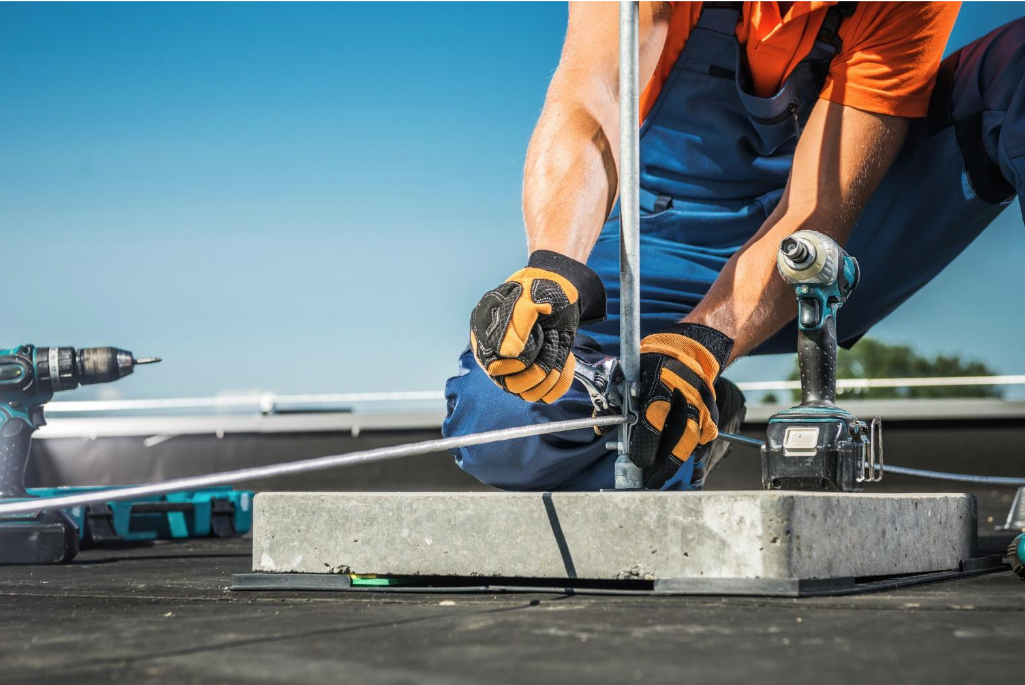
Learn how lightning impacts smart home technology and why surge protection, proper grounding, shielding, and advanced lightning protection systems are essential for South Carolina homes.
Introduction:
Lightning protection is becoming increasingly important as smart home technology becomes more common in South Carolina homes. Smart devices now control lighting, security, climate settings, and entertainment systems. These connected systems offer convenience and efficiency for homeowners. However, they also create additional pathways for electrical disturbances.
Lightning strikes can introduce powerful electrical surges into residential systems. Even a distant strike may generate voltage spikes that travel through power and communication lines. Sensitive electronics often struggle to withstand these sudden electrical events. As a result, homeowners may face equipment failures and service interruptions.
Modern smart homes rely on constant communication between connected devices. Smart thermostats, security cameras, doorbells, and automation hubs all depend on stable electrical performance. When surges occur, multiple systems may be affected at the same time. Consequently, a single electrical event can disrupt an entire connected ecosystem.
Homeowners in Myrtle Beach, SC, often experience seasonal thunderstorms that increase electrical risks. Residents in Conway, SC, also face weather conditions that can expose electronics to surge-related damage. Understanding proven protection methods helps support safety, reliability, and long-term device performance. Lightning protection helps safeguard smart home investments while promoting electrical safety throughout South Carolina.
Understanding How Lightning Affects Smart Home Devices
Lightning can impact smart home devices in several ways, even when a home does not experience a direct strike. Electrical surges generated by nearby lightning activity can travel through power lines, communication cables, and grounding systems. Because modern smart homes rely on interconnected electronics, a single surge can affect multiple devices and networks simultaneously.
- Lightning can create voltage spikes that overwhelm sensitive electronic components.
- Power surges may enter a home through electrical, cable, telephone, or internet connections.
- Smart thermostats, security systems, smart lighting controls, and automation hubs are especially vulnerable.
- Electrical disturbances can cause data loss, device malfunctions, or permanent equipment damage.
- Connected devices may experience communication failures following a surge event.
- Even minor surge exposure can gradually reduce the lifespan of smart home technology.
- South Carolina's frequent thunderstorms increase the risk of lightning-related electrical issues.
- Proper protection measures help reduce disruptions and support long-term system reliability.
Understanding these risks helps families make informed decisions about protecting valuable technology and maintaining a safe electrical environment. Next, we will examine the smart home devices that are most commonly affected by lightning-related electrical events.
Common Smart Home Technologies at Risk
Smart home systems depend on sensitive electronics that can be vulnerable to lightning-related electrical disturbances. Many connected devices contain microprocessors, circuit boards, and communication components that are designed for low-voltage operation. When a surge occurs, these components can be damaged within moments. Understanding which technologies face the greatest risk helps families prioritize protection measures.
- Smart thermostats and HVAC control systems can experience communication failures or hardware damage.
- Security cameras, video doorbells, and alarm systems may become inoperable after significant surges.
- Smart lighting controls and automated switches can malfunction due to voltage fluctuations.
- Home automation hubs often serve as central connection points, making them especially important to protect.
- Smart televisions, streaming devices, and entertainment systems contain sensitive electronic components.
- Wi-Fi routers and networking equipment can be affected by surges entering through power or data lines.
- Connected appliances may experience performance issues or shortened service life following electrical events.
- Voice assistants and smart speakers can also be vulnerable to sudden voltage spikes.
Because many smart devices work together as part of a larger ecosystem, damage to one component can affect overall system performance. The next section explores effective lightning protection strategies that help support electrical safety and maintain reliable operation throughout the home.
Lightning Protection Strategies for Connected Homes
Protecting a smart home from lightning-related electrical events requires a comprehensive approach. Modern homes often contain dozens of interconnected devices that rely on stable power and communication networks. Because a single surge can affect multiple systems, layered protection strategies provide the greatest benefit. Effective planning helps improve both electrical safety and long-term system reliability.
- Use professionally installed surge protection devices to help reduce the impact of voltage spikes.
- Ensure proper grounding to provide a safe path for excess electrical energy.
- Incorporate shielding and bonding practices to help minimize electrical interference and voltage differences.
- Protect both power lines and communication lines connected to smart home equipment.
- Evaluate critical systems such as security equipment, networking devices, and automation hubs.
- Consider whole-home protection solutions for broader coverage throughout the property.
- Schedule periodic electrical inspections to identify potential vulnerabilities.
- Address aging electrical components that may reduce overall system resilience.
Advanced properties may also benefit from specialized solutions such as ESE Systems or isolated lightning protection when appropriate. In the next section, we will take a closer look at surge protection devices and their role in helping safeguard smart home technology from damaging electrical surges.
Lightning Protection Through Surge Protection Devices
Surge protection devices play a critical role in protecting modern smart homes from lightning-related electrical disturbances. While no system can completely eliminate every risk associated with lightning, surge protection devices help reduce the amount of excess voltage that reaches sensitive electronics. This added layer of defense is especially valuable as property owners continue to rely on connected technologies for security, comfort, and convenience. When integrated into a comprehensive electrical protection strategy, these devices can help support system reliability and equipment longevity.
Lightning-generated surges can travel through electrical distribution systems and enter a home's wiring network in a matter of seconds. Once inside, excess voltage may affect smart thermostats, security systems, networking equipment, and other connected devices. Surge protection devices are designed to divert or limit harmful voltage before it reaches vulnerable components. As a result, they help reduce the likelihood of costly damage and unexpected system disruptions.
Many families focus on protecting individual electronics, but broader protection often provides greater overall benefits. Whole-home surge protection solutions can help safeguard multiple circuits and connected systems throughout the property. This approach is particularly important for smart homes where numerous devices communicate through shared electrical and data networks. By addressing surge risks at a larger scale, property owners can help improve the resilience of their connected environment.
Surge protection devices are most effective when combined with other proven lightning protection measures, including proper grounding, shielding and bonding, and routine electrical evaluations. Together, these strategies create a more comprehensive defense against lightning-related electrical events. Understanding how surge protection fits into an overall protection plan provides a strong foundation for electrical safety. Next, we will examine the importance of proper grounding and its role in supporting effective lightning protection.
Proper Grounding for Enhanced Electrical Safety
Proper grounding is one of the most important elements of an effective lightning protection system. Grounding provides a controlled path for excess electrical energy to safely dissipate into the earth. Without adequate grounding, lightning-related surges may seek unintended paths through a home's electrical system. This can increase the risk of damage to smart home devices and other connected equipment.
As smart homes become more sophisticated, the need for a reliable grounding system becomes even more significant. Connected technologies depend on stable electrical performance to communicate and operate correctly. When grounding systems are designed and maintained properly, they help reduce dangerous voltage differences that can occur during electrical disturbances. This added stability supports both equipment protection and overall electrical safety.
Grounding also works alongside surge protection devices and other protective measures to create a layered defense strategy. While surge protection devices help limit excess voltage, grounding provides a route for that energy to be redirected safely. These complementary functions help reduce stress on sensitive electronics and support the reliable operation of smart home systems. Together, they form a critical foundation for modern electrical protection.
Because grounding requirements can vary based on property characteristics, electrical infrastructure, and environmental conditions, professional evaluation is essential. Homes throughout South Carolina can benefit from periodic inspections that verify grounding system performance and compliance. A properly grounded electrical system helps strengthen overall lightning protection efforts while supporting long-term reliability. Next, we will explore how shielding and bonding further enhance protection for connected home technologies.
Shielding and Bonding for System Reliability
Shielding and bonding are important components of a comprehensive lightning protection strategy for smart homes. These practices help manage electrical energy and reduce the potential impact of voltage differences during lightning-related events. As more devices become interconnected through power and communication networks, maintaining system stability becomes increasingly important. Effective shielding and bonding help support reliable performance across the entire smart home ecosystem.
Shielding is commonly used to help reduce the effects of electromagnetic interference on electrical and communication systems. During lightning activity, electromagnetic fields can induce unwanted currents in nearby conductors and cables. Properly shielded components help minimize this interference and protect sensitive equipment from disruptions. This added protection is especially beneficial for networking systems, security devices, and communication infrastructure.
Bonding involves connecting conductive components so they remain at the same electrical potential. When all major electrical systems are properly bonded, the likelihood of dangerous voltage differences is significantly reduced. This helps prevent electrical energy from traveling through unintended paths that could damage equipment. Bonding also supports the effectiveness of grounding systems and other protective measures.
When combined with surge protection devices and proper grounding, shielding and bonding contribute to a layered approach to lightning protection. These strategies help improve the resilience of connected technologies while supporting electrical safety throughout the home. As smart home systems continue to evolve, comprehensive protection becomes increasingly valuable. Next, we will examine advanced lightning protection solutions, including lightning early streamer emission (ESE) and isolated lightning protection systems.
Advanced Lightning Protection Systems for Modern Homes
As smart home technology continues to expand, some properties may benefit from advanced lightning protection solutions. These systems are designed to complement traditional protection measures and provide additional safeguards for electrical infrastructure and connected equipment. While surge protection devices, proper grounding, and shielding and bonding remain essential, specialized systems can offer enhanced protection in certain situations. Understanding these options helps house owners make informed decisions about lasting electrical safety.
One advanced solution is the use of lightning early streamer emission (ESE) systems. These systems are designed to improve lightning interception by encouraging the formation of an upward streamer before a conventional lightning rod would typically respond. By directing lightning energy toward a designated protection point, ESE systems can help reduce the likelihood of damage to protected structures and electrical systems. They are often considered for larger properties or locations with elevated exposure to lightning activity.
Another specialized option is isolated lightning protection systems. Unlike traditional systems that may be attached directly to portions of a structure, isolated systems are designed to maintain separation between lightning conductors and the building itself. This separation helps reduce the possibility of lightning current transferring into electrical, communication, or structural components. As a result, isolated systems can provide an additional level of protection for sensitive electronic environments.
The suitability of advanced lightning protection systems depends on factors such as property design, electrical infrastructure, and local environmental conditions. In areas of South Carolina that experience frequent thunderstorms, a professional assessment can help determine whether enhanced protection measures are appropriate. When integrated with other proven strategies, these systems can support greater reliability and electrical safety for modern smart homes. Next, we will explore how environmental factors in South Carolina influence lightning risks and protection needs.
Environmental Factors Affecting South Carolina Homes
South Carolina's climate creates conditions that make lightning awareness an important consideration for local residents. Thunderstorms occur throughout much of the year, with activity often increasing during the warmer months. These weather patterns can expose homes and smart technologies to electrical surges and other lightning-related risks. Understanding local environmental factors can help residents better evaluate their protection needs.
In Myrtle Beach, SC, coastal weather conditions can contribute to frequent thunderstorm development, particularly during the spring and summer seasons. Warm temperatures, high humidity levels, and coastal air patterns often create an environment that supports storm activity. As a result, homes with connected technologies may face an elevated risk of surge-related electrical disturbances. Proactive planning can help improve system reliability during periods of increased lightning activity.
In Conway, SC, inland weather patterns also contribute to seasonal thunderstorms and lightning events. Although the environment differs from coastal areas, homes remain vulnerable to electrical surges caused by nearby lightning strikes. Smart home systems, networking equipment, and electronic devices can all be affected by these conditions. Consequently, residential owners should consider protection strategies that account for local weather risks.
Environmental conditions are only one part of a comprehensive approach to electrical safety. Combining awareness of regional weather patterns with surge protection devices, proper grounding, shielding and bonding, and professional evaluations can help strengthen overall protection efforts. By understanding how local conditions influence lightning exposure, residents can make more informed decisions about safeguarding their connected homes. Next, we will review practical safety tips that can help reduce risks during lightning storms.
Safety Tips During Lightning Storms
Lightning storms can create hazardous conditions for both people and electrical systems. While modern protection measures can help reduce risks, property owners should remain aware of safe practices during periods of severe weather. Taking appropriate precautions can help minimize exposure to electrical hazards and reduce the likelihood of damage to connected devices. Safety should always remain a priority when thunderstorms are approaching or actively occurring.
- Avoid using corded electrical devices during active lightning storms whenever possible.
- Stay away from electrical panels, outlets, and wiring systems during severe weather.
- Limit contact with connected electronics that are plugged into power sources.
- Pay attention to weather alerts and thunderstorm warnings issued for your area.
- Monitor smart home systems for signs of interruptions or unusual performance after a storm.
- Watch for warning signs such as flickering lights, tripped breakers, damaged outlets, or unusual odors.
- Have electrical systems evaluated if surge-related damage is suspected.
- Schedule periodic inspections to help identify vulnerabilities before storm season arrives.
- Ensure surge protection devices remain in good working condition.
- Contact a licensed electrician if concerns arise regarding lightning-related electrical issues.
By combining these safety practices with surge protection devices, proper grounding, shielding and bonding, and professional evaluations, homeowners can better protect their families and connected technologies. Next, we will examine why professional electrical assessments are an important part of an effective lightning protection strategy.
Why Professional Assessments Support Effective Protection
A professional electrical assessment is one of the most effective ways to strengthen a home's lightning protection strategy. Smart homes contain complex networks of electrical and communication systems that may have vulnerabilities that are not immediately visible. A qualified electrician can evaluate these systems and identify areas that may benefit from additional protection. This proactive approach helps support both electrical safety and long-term system reliability.
Professional evaluations often include a review of surge protection devices, grounding systems, and overall electrical infrastructure. These inspections help verify that existing protective measures are functioning as intended and aligned with current safety standards. Identifying potential issues early can help reduce the risk of equipment damage during future storms. Regular assessments also provide valuable insight into the condition of a home's electrical system.
As technology continues to evolve, smart home systems become increasingly interconnected and dependent on stable electrical performance. Professional assessments can help determine whether protection strategies remain suitable as new devices and technologies are added. This is especially important for local residents in South Carolina, where seasonal thunderstorms can increase exposure to lightning-related electrical events. Ongoing evaluation helps ensure protection measures continue to support changing household needs.
By combining expert guidance with surge protection devices, proper grounding, shielding and bonding, and advanced protection systems when appropriate, homeowners can create a more resilient electrical environment. Professional assessments provide confidence that critical systems are properly protected and operating safely. In the conclusion, we will summarize the key strategies that help safeguard smart home investments through effective lightning protection.
Protecting Smart Home Investments with Lightning Protection
Smart home technology has transformed the way homeowners manage comfort, security, and convenience. However, these connected systems can be vulnerable to lightning-related electrical disturbances. Understanding the risks associated with lightning exposure is an important step toward protecting valuable equipment and maintaining reliable performance. A comprehensive approach can help reduce disruptions and support long-term electrical safety.
Effective protection often involves multiple layers of defense working together. Surge protection devices help limit harmful voltage spikes, while proper grounding provides a safe path for excess electrical energy. Shielding and bonding further enhance system stability by reducing electrical interference and voltage differences. In some situations, advanced solutions such as lightning early streamer emission (ESE) systems and isolated lightning protection may also be considered.
Homeowners in Myrtle Beach, SC, Conway, SC, and throughout South Carolina can benefit from evaluating their property's exposure to lightning-related risks. Seasonal thunderstorms and changing weather conditions make proactive planning especially important. Professional assessments can help identify vulnerabilities and determine which protection strategies are best suited for a home's electrical infrastructure. These evaluations support both safety and system reliability.
Lightning protection is an investment in the performance, longevity, and safety of modern smart home technology. By implementing proven protection measures and seeking professional guidance, homeowners can help safeguard their connected devices against unexpected electrical events. Taking a proactive approach today can help create a more resilient and dependable home for years to come.
Schedule Your Professional Lightning Protection Evaluation Today
Concerned about protecting your smart home from lightning-related electrical damage? Contact Mister Sparky of Myrtle Beach, SC to schedule a professional lightning protection evaluation. Our experienced electricians can assess your electrical system, recommend surge protection devices, verify proper grounding, and identify opportunities to enhance electrical safety. Protect your smart home technology, improve system reliability, and gain peace of mind with trusted lightning protection solutions designed for South Carolina homeowners.
Frequently Asked Questions
How can lightning affect smart home devices?
Lightning can create powerful electrical surges that travel through power lines, communication cables, and electrical systems. These surges can damage sensitive components inside smart thermostats, security systems, networking equipment, and other connected devices. Even a nearby lightning strike can affect smart home technology without directly hitting a property.
What is the role of surge protection devices in lightning protection?
Surge protection devices help reduce the amount of excess voltage that reaches electrical equipment during a surge event. They serve as an important layer of defense for smart home devices and other electronics. When combined with proper grounding and other protection measures, they can help improve system reliability and reduce the risk of damage.
Why is proper grounding important for lightning protection?
Proper grounding provides a safe path for excess electrical energy to dissipate into the earth. This helps reduce dangerous voltage differences and supports the effectiveness of other protective systems. A well-designed grounding system is a critical component of a comprehensive lightning protection strategy.
What are shielding and bonding, and why do they matter?
Shielding and bonding help manage electrical energy and reduce interference caused by lightning-related events. Shielding can help protect communication and data systems from electromagnetic disturbances. Bonding helps keep conductive components at the same electrical potential, reducing the risk of equipment damage.
What are Lightning Early Streamer Emission (ESE) Systems?
ESE Systems are advanced lightning protection solutions designed to improve lightning interception. They are intended to direct lightning energy toward a designated protection point. These systems may be considered for certain properties that require enhanced lightning protection measures.